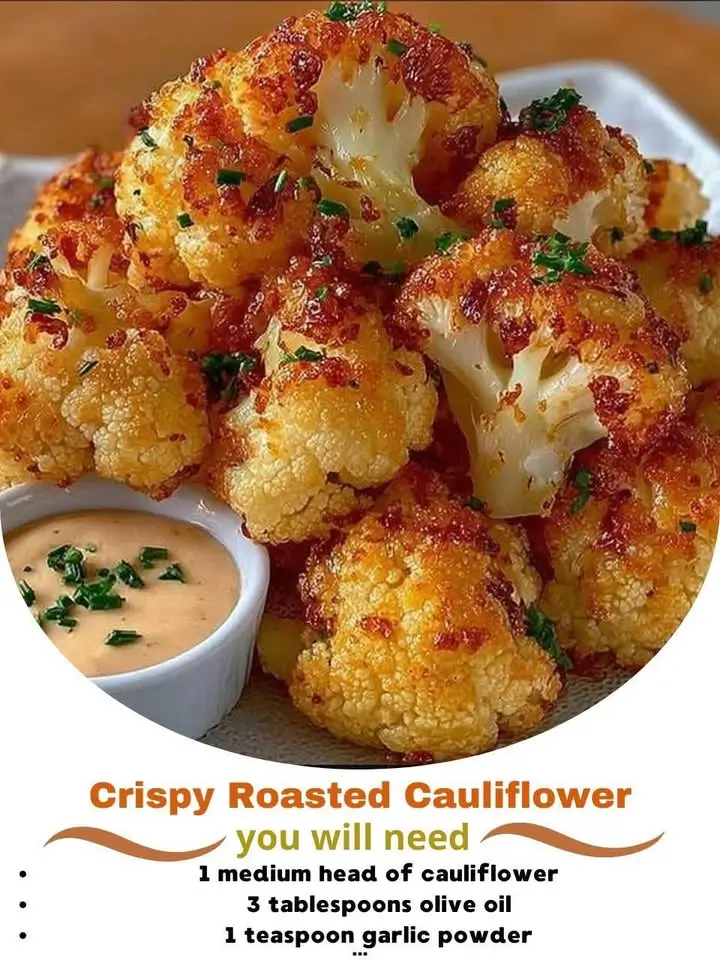
Crispy Roasted Cauliflower: A Golden, Flavorful Delight
There’s something truly magical about transforming a humble head of cauliflower into a crispy, golden masterpiece with just a few simple ingredients and the right technique. Crispy roasted cauliflower has surged in popularity over the past decade as a healthy, flavorful, and versatile dish that satisfies both vegetarians and meat-eaters alike. Whether served as a side, tossed into salads, or enjoyed straight off the baking sheet, this dish brings bold flavor and satisfying texture to any meal.
The History of Roasted Cauliflower
Cauliflower itself has ancient roots, originating in the Mediterranean region—particularly around Cyprus and Turkey—over 2,000 years ago. It was cultivated by the Romans and later refined during the medieval period by Arab botanists in Spain and North Africa. The vegetable eventually made its way to France and Italy in the 16th century before spreading throughout Europe.
Roasting vegetables, including cruciferous ones like cauliflower, has long been a staple cooking method across Middle Eastern, Indian, and Mediterranean cuisines. In traditional Indian cooking, for instance, cauliflower is often dry-roasted or sautéed with spices in a process known as “bhuna.” In the Levant, roasted vegetables are frequently part of mezze spreads, seasoned with cumin, paprika, and olive oil.
The modern Western fascination with crispy roasted cauliflower began in the early 2010s, driven by the rise of plant-based diets, clean eating movements, and a desire for healthier comfort food alternatives. Chefs and home cooks alike discovered that when roasted at high heat with proper oil and seasoning, cauliflower develops an incredible crunch on the outside while remaining tender within—making it a perfect substitute for fried foods or even meat in tacos, bowls, and sandwiches.
Ingredients Breakdown: What Makes This Dish Shine?
The beauty of crispy roasted cauliflower lies in its simplicity. With just a handful of ingredients, you can create layers of flavor and texture. Let’s break down each component:
- Fresh Cauliflower: The star of the dish. Choose a firm, dense head with tightly packed curds and fresh green leaves. Avoid any with browning or soft spots.
- Olive Oil (or Avocado Oil): Essential for achieving crispiness. High-heat oils like avocado oil have a higher smoke point, making them ideal for roasting at high temperatures without burning.
- Sea Salt: Enhances natural flavors and helps draw out moisture, promoting browning.
- Garlic Powder: Adds depth and savory umami notes without the risk of burning that fresh garlic might bring.
- Paprika (Smoked or Sweet): Contributes warmth, color, and a subtle smokiness, especially if using smoked paprika.
- Onion Powder: Complements garlic and adds a sweet, aromatic base note.
- Black Pepper: For a touch of heat and complexity.
- Optional Add-ins: Turmeric for color and anti-inflammatory benefits, cayenne for heat, nutritional yeast for a cheesy flavor, lemon zest for brightness, or fresh herbs like rosemary or thyme for earthy aroma.
Step-by-Step Recipe: How to Achieve Perfectly Crispy Roasted Cauliflower
- Preheat the Oven: Set your oven to 425°F (220°C). High heat is crucial for caramelization and crisp edges.
- Prepare the Cauliflower: Remove the outer leaves and cut off the stem. Break or slice the cauliflower into evenly sized florets—about 1.5 inches wide. Uniform pieces ensure even cooking.
- Dry Thoroughly: After rinsing, pat the florets completely dry with a clean kitchen towel or paper towels. Moisture is the enemy of crispiness!
- Toss with Oil and Seasonings: In a large bowl, combine the cauliflower florets with 2–3 tablespoons of oil (enough to coat lightly but thoroughly). Add 1 teaspoon salt, 1/2 teaspoon garlic powder, 1/2 teaspoon paprika, 1/4 teaspoon onion powder, 1/4 teaspoon black pepper, and any optional spices. Toss well until every piece is evenly coated.
- Arrange on Baking Sheet: Spread the seasoned cauliflower in a single layer on a parchment-lined or silicone-mat-covered baking sheet. Do not overcrowd—use two trays if necessary. Overcrowding causes steaming instead of roasting.
- Rose and Flip: Roast for 20 minutes, then remove from the oven and flip the pieces using a spatula. This ensures even browning on all sides.
- Continue Roasting: Return to the oven and roast for another 15–25 minutes, depending on size, until deeply golden brown and crispy on the edges. The internal temperature should reach about 185°F (85°C) for tenderness.
- Optional Broil: For extra crispiness, broil for 2–3 minutes at the end, watching closely to prevent burning.
- Finish and Serve: Remove from oven and immediately drizzle with fresh lemon juice, a sprinkle of chopped parsley, or a dusting of Parmesan cheese if desired. Let cool slightly before serving.
Pro Tips for Maximum Crispiness and Flavor
- Size Matters: Cut florets uniformly to avoid some pieces burning while others remain undercooked.
- Don’t Skip Drying: Wet cauliflower = steamed cauliflower. Always dry thoroughly after washing.
- Use Enough Oil: Too little oil leads to dry, tough results. You want a glistening coat, not a pool.
- Elevate the Pan: Use a wire rack on top of the baking sheet to allow hot air circulation underneath, enhancing crispness on all sides.
- Cast Iron Option: For deeper browning, roast in a preheated cast-iron skillet. The retained heat creates a fantastic sear.
- Avoid Stirring Too Often: Let the cauliflower sit undisturbed during roasting to develop a proper crust.
- Cool Slightly Before Serving: This allows the exterior to crisp up further as steam escapes.
Variations and Customizations: Make It Your Own
Crispy roasted cauliflower is incredibly adaptable. Here are some creative twists to keep things exciting:
- Lemon-Garlic Herb: Finish with lemon zest, juice, minced fresh garlic, and chopped rosemary or thyme.
- Buffalo Style: Toss roasted cauliflower in a mixture of melted butter and hot sauce (like Frank’s RedHot) for a spicy, tangy kick—great for buffalo cauliflower wings.
- Curry Roasted: Add curry powder, turmeric, ground coriander, and a pinch of cinnamon for an exotic, fragrant version.
- BBQ Glazed: Drizzle with sugar-free BBQ sauce in the last 5 minutes of roasting for sticky, smoky bites.
- Parmesan Crusted: Sprinkle grated Parmesan or Pecorino Romano in the last 10 minutes for a cheesy, nutty crust.
- Spicy Harissa: Mix harissa paste with olive oil before tossing for North African flair.
- Honey Sriracha: Combine honey, sriracha, and soy sauce for a sweet-spicy glaze brushed on after roasting.
- Taco-Style: Season with cumin, chili powder, and oregano; serve in tortillas with avocado, salsa, and lime.
- Nutrient Boost: Add pine nuts or slivered almonds in the last 5 minutes for crunch and healthy fats.
Health Considerations and Nutritional Value
Cauliflower is a nutritional powerhouse, low in calories yet rich in essential vitamins, fiber, and antioxidants. One cup (about 100g) of roasted cauliflower contains approximately:
- Calories: 60–80 (depending on oil used)
- Carbohydrates: 8g
- Fiber: 3g
- Protein: 3g
- Fat: 4–5g (mostly from added oil)
- Vitamin C: Over 100% of the Daily Value (DV)—supports immune function and collagen production.
- Vitamin K: Important for blood clotting and bone health.
- Folate (B9): Crucial for DNA synthesis and cell division.
- Choline: Supports brain health and metabolism.
- Sulforaphane: A potent antioxidant formed when cauliflower is chopped or chewed, linked to cancer prevention and detoxification support.
Roasting preserves most nutrients better than boiling, which leaches vitamins into water. Using heart-healthy oils like olive or avocado oil increases absorption of fat-soluble vitamins (A, E, K).
Dietary Notes:
- Gluten-Free: Naturally gluten-free—perfect for celiac or gluten-sensitive diets.
- Vegan/Vegetarian: Easily adaptable; skip cheese or use nutritional yeast for a vegan “cheesy” flavor.
- Keto/Low-Carb: Moderate in carbs but can fit into a keto plan in controlled portions, especially when replacing starchy sides.
- Allergen-Friendly: Free of common allergens like dairy, nuts (unless added), soy (if oil is chosen carefully), and eggs.
Full Ingredient List
- 1 large head of fresh cauliflower (about 2 pounds / 900g)
- 3 tablespoons extra-virgin olive oil or avocado oil
- 1 teaspoon sea salt (or to taste)
- 1/2 teaspoon garlic powder
- 1/2 teaspoon smoked or sweet paprika
- 1/4 teaspoon onion powder
- 1/4 teaspoon freshly ground black pepper
- (Optional) 1/4 teaspoon turmeric or cayenne pepper
- (Optional garnish) Fresh lemon juice, chopped parsley, grated Parmesan, or toasted sesame seeds
Detailed Directions
- Preheat your oven to 425°F (220°C). Line a large baking sheet with parchment paper or a silicone mat for easy cleanup and non-stick performance.
- Cut the cauliflower into uniform florets. Start by removing the thick stem and outer leaves. Use a sharp knife to slice through the core and break apart into bite-sized pieces. Aim for consistency in size—this ensures even cooking.
- Rinse the florets under cold water to remove any dirt. Place them in a colander and shake gently, then spread on a clean kitchen towel or paper towels. Pat dry thoroughly—moisture will prevent crisping.
- In a large mixing bowl, add the dried cauliflower florets. Drizzle with olive oil and toss with your hands or a spoon to coat evenly.
- Sprinkle all seasonings—salt, garlic powder, paprika, onion powder, black pepper, and any optional spices—over the oiled cauliflower. Toss again until every piece is fully seasoned.
- Spread the cauliflower in a single layer on the prepared baking sheet. Ensure space between each floret. If needed, use two trays to avoid crowding.
- Place in the preheated oven and roast for 20 minutes. Set a timer to check progress.
- After 20 minutes, remove the tray(s) from the oven. Using a metal spatula, flip each piece to expose unroasted sides to direct heat.
- Return to the oven and continue roasting for 15–25 minutes more, or until the edges are deep golden brown and crispy. Smaller pieces may finish faster; larger ones take longer.
- For extra crunch, switch the oven to broil and broil for 2–3 minutes, keeping a close eye to prevent burning.
- Remove from oven and transfer to a serving bowl. Immediately squeeze fresh lemon juice over the top if desired, and sprinkle with fresh herbs or cheese.
- Let rest for 5 minutes before serving. This allows the texture to settle and enhances crispiness.
Frequently Asked Questions (FAQ)
Can I make crispy roasted cauliflower ahead of time?
Yes, though it’s best served fresh. You can prep and cut the cauliflower a day ahead and store it in an airtight container in the fridge. Reheat in a 400°F oven for 10–15 minutes to restore crispiness.
Why is my roasted cauliflower soggy?
Likely causes include excess moisture, insufficient oil, overcrowded pan, or too low an oven temperature. Always dry well, use enough oil, spread in a single layer, and roast hot.
Can I air fry this instead?
Absolutely! Toss with oil and spices, then air fry at 390°F (200°C) for 15–20 minutes, shaking halfway. Results are often even crispier due to concentrated heat.
Is roasted cauliflower good for weight loss?
Yes—it’s low in calories, high in fiber, and nutrient-dense. Just be mindful of oil quantity to keep calorie count in check.
Can I freeze roasted cauliflower?
Freezing is possible but not recommended for texture. It tends to become mushy upon thawing. Best enjoyed fresh or refrigerated for up to 4 days.
What can I pair roasted cauliflower with?
It pairs beautifully with grilled chicken, fish, hummus bowls, quinoa, lentils, falafel, rice pilaf, or as a topping for grain bowls and salads.
Can I use frozen cauliflower?
Not ideal. Frozen cauliflower releases too much water and rarely achieves true crispiness. Always opt for fresh for the best results.
Summary
Crispy roasted cauliflower is a delicious, healthy, and versatile dish that transforms a simple vegetable into a crave-worthy treat through high-heat roasting and smart seasoning. Packed with flavor, nutrients, and endless customization options, it’s a must-have recipe for any home cook.