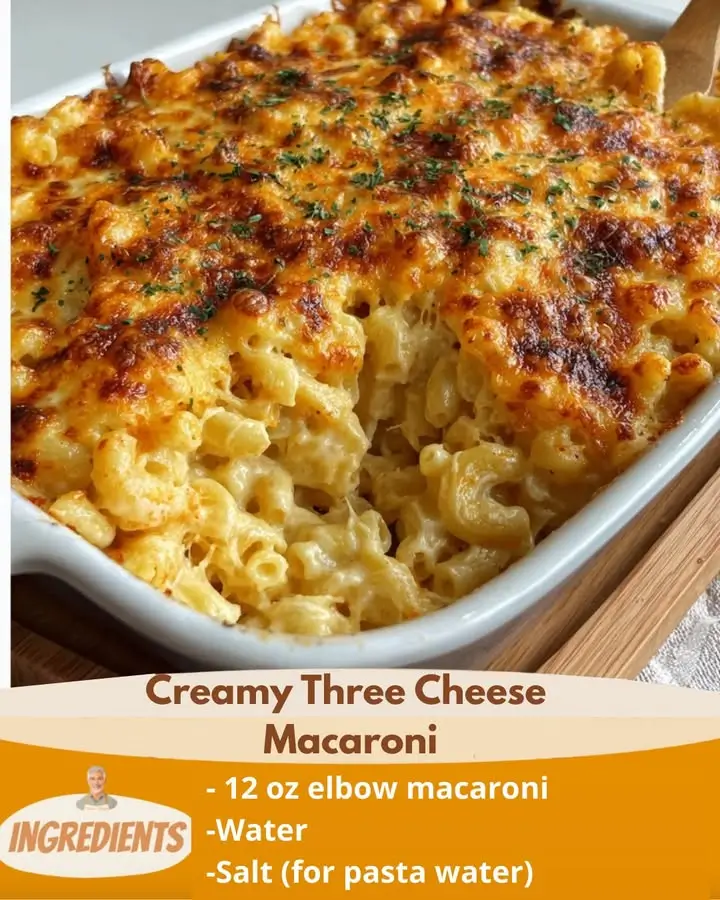
Creamy Three Cheese Macaroni: A Comfort Food Classic
There’s something undeniably comforting about a bowl of creamy, cheesy macaroni. The rich aroma, the velvety texture, and the indulgent flavor make Creamy Three Cheese Macaroni a timeless favorite in homes across the world. Whether served as a weeknight dinner, a holiday side dish, or a potluck star, this recipe delivers maximum satisfaction with minimal effort. In this comprehensive guide, we’ll dive deep into every aspect of this beloved dish—from its historical roots to ingredient science, step-by-step cooking techniques, variations, health considerations, and expert tips to elevate your mac and cheese game.
The History of Macaroni and Cheese
The origins of macaroni and cheese trace back centuries, with early forms appearing in 13th-century Italy. Italian cooks documented recipes for “de lasanis,” which involved layering pasta with grated cheese—likely Parmesan—and baking it. The dish evolved as it traveled across Europe. By the 14th century, an English cookbook called The Forme of Cury featured a recipe named “makerouns,” combining boiled pasta with butter and grated cheese—remarkably similar to modern-day mac and cheese.
The dish gained widespread popularity in America thanks to Thomas Jefferson, who encountered macaroni during his time in France and brought both the pasta and a macaroni-making machine back to the United States. He famously served it at a state dinner in 1802, helping to cement its place in American cuisine. Over time, regional variations emerged, from Southern baked versions to stovetop creamy renditions. The addition of multiple cheeses, particularly cheddar, contributed to its signature richness. Today, Creamy Three Cheese Macaroni stands as a decadent evolution of this historic comfort food, balancing tradition with modern taste preferences.
Ingredients Breakdown: Why Each One Matters
The magic of Creamy Three Cheese Macaroni lies not just in the quantity of cheese but in the careful selection and balance of ingredients. Here’s a detailed look at each component and its role in creating that perfect, silky sauce and tender pasta:
- Elbow Macaroni: The classic choice due to its curved shape, which traps and holds the cheese sauce beautifully. Its surface area allows for optimal sauce adhesion, ensuring every bite is flavorful.
- Unsalted Butter: Forms the base of the roux (a mixture of fat and flour used to thicken sauces). Unsalted butter gives you control over the overall salt level in the dish.
- All-Purpose Flour: Acts as a thickening agent when combined with butter to create the roux. This prevents the sauce from being runny and helps emulsify the cheese into a smooth consistency.
- Whole Milk: Provides creaminess and body. Whole milk has a higher fat content than skim or 2%, contributing to a richer mouthfeel and better cheese meltability.
- Heavy Cream (optional): Adds extra silkiness and luxury. While not essential, it enhances the sauce’s texture and depth, making it ultra-creamy.
- Sharp Cheddar Cheese: Offers bold tang and vibrant color. Aged cheddar melts well and provides a robust flavor foundation.
- Fontina Cheese: Known for its excellent melting properties and mild, nutty flavor. It adds stretch and creaminess without overpowering other cheeses.
- Parmesan Cheese: Salty, umami-rich, and slightly granular, Parmesan brings complexity and depth. Freshly grated is always best for flavor and meltability.
- Garlic Powder and Onion Powder: Enhance savory notes without adding texture. They blend seamlessly into the sauce, providing background depth.
- Dijon Mustard: A small amount brightens the richness of the cheese and helps stabilize the emulsion, preventing separation.
- Nutmeg (freshly grated preferred): Just a pinch adds warmth and subtle sweetness, elevating the overall flavor profile.
- Salt and Black Pepper: Essential for seasoning. Remember to adjust after adding cheese, as some cheeses are naturally salty.
- Breadcrumbs (optional topping): For those who enjoy a little crunch, toasted breadcrumbs add textural contrast when sprinkled on top before baking.
Step-by-Step Recipe: How to Make Perfect Creamy Three Cheese Macaroni
Follow these detailed steps to achieve a perfectly smooth, rich, and satisfying bowl of three-cheese macaroni every time.
Ingredients
- 8 oz (about 2 cups) elbow macaroni
- 3 tablespoons unsalted butter
- 3 tablespoons all-purpose flour
- 2 cups whole milk, warmed slightly
- ½ cup heavy cream (optional, for extra richness)
- 2 cups shredded sharp cheddar cheese
- 1 cup shredded Fontina cheese
- ½ cup freshly grated Parmesan cheese
- ½ teaspoon garlic powder
- ½ teaspoon onion powder
- ¼ teaspoon Dijon mustard
- A pinch of freshly grated nutmeg (about ⅛ tsp)
- Salt and freshly ground black pepper, to taste
- Optional: ¼ cup panko breadcrumbs + 1 tbsp melted butter (for topping)
Directions
- Cook the Pasta: Bring a large pot of salted water to a boil. Add the elbow macaroni and cook according to package instructions until al dente (usually 7–9 minutes). Drain and set aside. Do not rinse, as the starch helps the sauce cling to the pasta.
- Make the Roux: In a medium saucepan over medium heat, melt the butter. Once melted and shimmering, whisk in the flour. Cook for 1–2 minutes, stirring constantly, until the mixture turns a light golden color and smells slightly nutty. This cooks out the raw flour taste.
- Add the Liquids: Gradually pour in the warm milk while whisking continuously to prevent lumps. Add the heavy cream if using. Continue to cook, stirring frequently, until the mixture thickens enough to coat the back of a spoon (about 5–7 minutes). Do not let it boil.
- Season the Sauce: Stir in the garlic powder, onion powder, Dijon mustard, nutmeg, and a pinch of salt and pepper. Taste and adjust seasonings as needed.
- Melt the Cheeses: Reduce the heat to low. Gradually add the shredded cheddar, Fontina, and Parmesan cheeses, one handful at a time, stirring until fully melted and smooth before adding more. Avoid high heat, which can cause the cheese to separate or become grainy.
- Combine Pasta and Sauce: Add the cooked macaroni to the cheese sauce. Gently fold until every piece of pasta is evenly coated. If the sauce is too thick, add a splash of warm milk to loosen it.
- Serve or Bake (Optional): Serve immediately for a creamy stovetop version. For a baked finish, transfer the macaroni to a greased casserole dish. Mix the panko breadcrumbs with melted butter and sprinkle over the top. Broil for 2–4 minutes until golden and crispy, watching closely to avoid burning.
- Rest and Serve: Let the macaroni sit for 2–3 minutes before serving. This allows the sauce to settle and thicken slightly for the perfect consistency.
Tips for the Creamiest, Most Flavorful Mac and Cheese
- Grate Your Own Cheese: Pre-shredded cheese contains anti-caking agents like cellulose, which can interfere with smooth melting. Always grate your cheese from a block for the best texture.
- Warm the Milk: Cold milk added to a hot roux can cause lumps. Gently warming the milk ensures a smoother integration.
- Low and Slow Melting: High heat causes cheese proteins to seize and fats to separate. Melt cheese over low heat, stirring gently.
- Don’t Overcook the Pasta: Al dente is key. Overcooked pasta becomes mushy once mixed with the sauce.
- Use a Combination of Melting Cheeses: Pair strong-flavored cheeses (cheddar) with excellent melters (Fontina, Gruyère, Monterey Jack) for balance.
- Acidity Helps Emulsification: A touch of Dijon mustard or even a splash of beer or white wine can help keep the sauce smooth.
- Rest Before Serving: Letting the dish sit for a few minutes allows the sauce to absorb into the pasta, enhancing creaminess.
- Reheat Gently: Leftovers can be reheated on the stovetop with a splash of milk to restore creaminess. Microwave reheating may dry it out if not covered.
Variations and Customizations
Creamy Three Cheese Macaroni is incredibly versatile. Here are some delicious ways to customize it:
- Protein Boost: Add cooked bacon, diced ham, grilled chicken, or sautéed shrimp for a heartier meal.
- Vegetable Add-Ins: Stir in steamed broccoli, sautéed mushrooms, roasted red peppers, caramelized onions, or peas for added nutrition and flavor.
- Spicy Kick: Add a dash of cayenne pepper, crushed red pepper flakes, or diced jalapeños for heat.
- Truffle Elegance: Drizzle with truffle oil or mix in truffle salt for a gourmet twist.
- Lobster Mac & Cheese: Fold in chunks of cooked lobster meat for a luxurious seafood version.
- Smoky Twist: Use smoked cheddar or Gouda instead of regular cheddar for a deeper, smokier flavor.
- Gluten-Free Version: Use gluten-free pasta and substitute the all-purpose flour with cornstarch or a gluten-free flour blend.
- Vegan Option: Use plant-based butter, non-dairy milk, and vegan cheeses made from cashews or coconut. Nutritional yeast adds a cheesy flavor.
- Herb-Infused: Stir in fresh herbs like chopped parsley, chives, or thyme at the end for brightness.
- Breakfast Mac: Top with a poached or fried egg for a brunch-inspired dish.
Health Considerations and Nutritional Value
While Creamy Three Cheese Macaroni is undeniably indulgent, understanding its nutritional profile can help you enjoy it mindfully.
Nutritional Breakdown (per serving, approx. 1 cup):
- Calories: ~450–550 kcal
- Fat: 25–35g (mostly saturated from dairy)
- Carbohydrates: 40–50g (from pasta and flour)
- Protein: 18–22g (from cheese and milk)
- Calcium: High (supports bone health)
- Sodium: Can be high depending on cheese and added salt (~600–900mg)
Health Tips:
- Portion Control: Serve smaller portions alongside a green salad or steamed vegetables to balance the meal.
- Lighter Version: Use reduced-fat cheese, low-fat milk, and less butter. However, note that lower-fat dairy may not melt as smoothly.
- Whole Grain Pasta: Substitute regular macaroni with whole wheat or legume-based pasta for added fiber and protein.
- Limit Frequency: Best enjoyed occasionally as part of a balanced diet due to high saturated fat and sodium content.
- Lactose Sensitivity: Some people may have issues with lactose. Lactose-free milk and aged cheeses (like cheddar and Parmesan, which are naturally lower in lactose) can help.
- Heart Health: Enjoy in moderation if managing cholesterol, as full-fat dairy contributes to dietary cholesterol intake.
Frequently Asked Questions (FAQ)
Q: Can I make this ahead of time?
A: Yes! Assemble the macaroni through the sauce stage, cool, and refrigerate for up to 2 days. Reheat gently on the stove with extra milk. If baking, add the breadcrumb topping just before baking.
Q: Why did my cheese sauce turn grainy?
A: This usually happens from overheating. Cheese should be melted slowly over low heat. High temperatures cause proteins to clump and fats to separate.
Q: Can I freeze Creamy Three Cheese Macaroni?
A: It can be frozen, but the texture may change upon thawing—sauces with dairy can separate. Thaw in the refrigerator and reheat gently with added milk.
Q: What cheeses work best for melting?
A: Cheeses like Fontina, Gruyère, Monterey Jack, Muenster, and young cheddar melt smoothly. Avoid very hard or dry cheeses unless finely grated and used in combination.
Q: Can I use evaporated milk?
A: Yes, evaporated milk is a great alternative—it’s concentrated and helps create a creamy texture without curdling.
Q: How do I reheat leftovers without drying them out?
A: Add a splash of milk or cream and reheat on low heat, stirring frequently. Covering the dish while microwaving also helps retain moisture.
Q: Is there a way to make it spicier without overpowering the cheese?
A: Yes—add a small amount of hot sauce (like Frank’s RedHot), a pinch of cayenne, or smoked paprika for heat with balance.
Summary
Creamy Three Cheese Macaroni combines sharp cheddar, velvety Fontina, and umami-rich Parmesan into a luxuriously smooth sauce that coats tender al dente pasta for the ultimate comfort food experience.
Easy to customize, rich in flavor, and deeply satisfying, this dish is perfect for family dinners, gatherings, or anytime you crave a warm, cheesy embrace in a bowl.