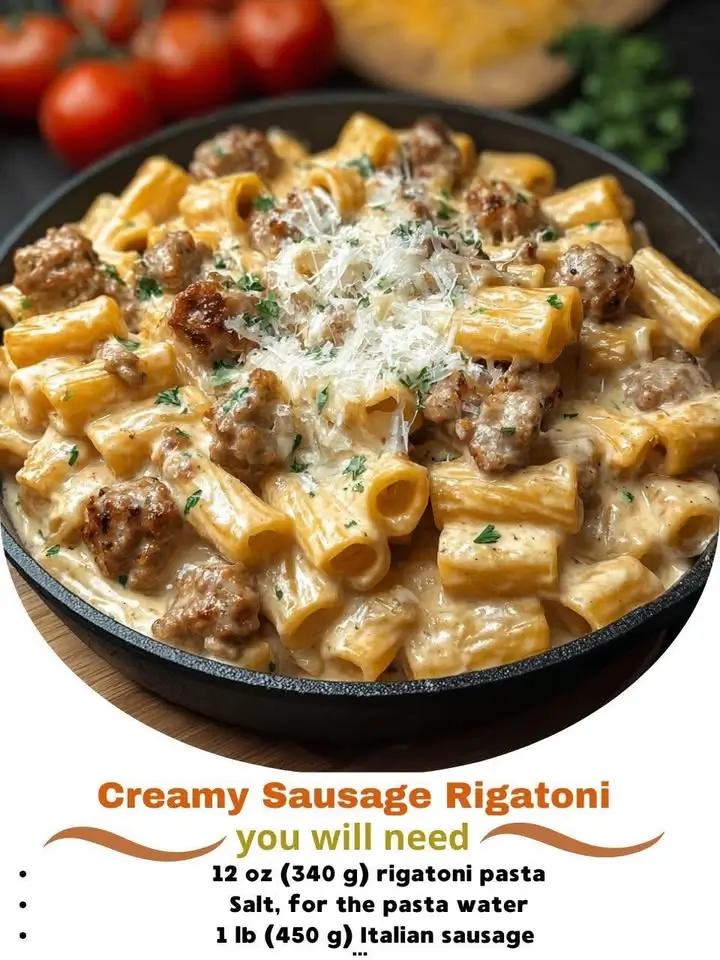
Creamy Sausage Rigatoni: A Comfort Food Masterpiece
There are few dishes that capture the essence of comfort food quite like Creamy Sausage Rigatoni. With its rich, velvety sauce, tender tubes of rigatoni pasta, and savory Italian sausage, this dish is a celebration of bold flavors and satisfying textures. Whether you’re preparing it for a cozy family dinner or impressing guests at a weekend gathering, Creamy Sausage Rigatoni delivers on every level—creamy, cheesy, hearty, and deeply flavorful. In this comprehensive guide, we’ll walk you through everything you need to know about this beloved dish, from its culinary roots to the perfect technique for achieving restaurant-quality results in your own kitchen.
The History of Creamy Sausage Rigatoni
Rigatoni, the star pasta shape in this dish, hails from Southern Italy, particularly regions like Sicily, Campania, and Calabria. Its name comes from the Italian word “rigato,” meaning “lined” or “ridged,” which refers to the tube-shaped pasta’s distinctive grooves. These ridges make rigatoni ideal for trapping thick sauces, making it a favorite in baked pastas and creamy preparations.
While there isn’t a single documented origin for Creamy Sausage Rigatoni as a classic Italian recipe, the dish is a modern American-Italian creation that blends traditional Italian ingredients with American comfort food sensibilities. The use of cream-based sauces with meat and pasta became popular in mid-20th century Italian-American cuisine, influenced by regional Italian dishes such as Pasta alla Vodka and Amatriciana, but adapted for richer, more indulgent palates.
Sausage, especially seasoned Italian sausage, brings a robust flavor profile with notes of fennel, garlic, and red pepper flakes—ingredients common in Southern Italian cooking. Over time, home cooks and chefs began combining browned sausage with heavy cream, tomatoes, garlic, and cheese, creating a luscious sauce that clings beautifully to rigatoni. Today, Creamy Sausage Rigatoni is a staple on restaurant menus across the U.S. and a go-to weeknight meal for families who crave something both satisfying and simple to prepare.
Ingredients Breakdown: What Makes This Dish Shine
The magic of Creamy Sausage Rigatoni lies in its balance of high-quality, flavorful ingredients. Each component plays a crucial role in building depth, texture, and richness. Here’s a detailed breakdown:
- Italian Sausage: Use sweet or spicy Italian sausage (or a mix of both) in casings. Removing the casing allows the meat to crumble evenly and render its fat, which becomes the flavor base for the sauce.
- Rigatoni Pasta: The wide, ridged tubes hold onto sauce better than smoother pastas. Their firm bite (al dente texture) stands up well to creamy sauces without becoming mushy.
- Heavy Cream: Provides the luxurious, silky texture that defines the dish. It emulsifies with cheese and fats to create a cohesive sauce.
- Crushed Tomatoes: Adds acidity, sweetness, and body. Opt for high-quality canned San Marzano tomatoes for the best flavor.
- Garlic and Onion: Aromatics that form the flavor foundation. Sautéed until fragrant, they infuse the entire dish with savory depth.
- Chicken or Vegetable Broth: Enhances moisture and layers umami into the sauce without thinning it too much.
- Grated Parmesan Cheese: Salty, nutty, and slightly sharp, it melts into the sauce, adding complexity and helping thicken it naturally.
- Fresh Basil or Parsley: Added at the end for brightness and color contrast against the rich sauce.
- Olive Oil and Butter: Olive oil is used for browning; butter adds silkiness and rounds out sharp edges in flavor.
- Red Pepper Flakes (optional): For those who enjoy a touch of heat, just a pinch elevates the overall taste.
Step-by-Step Recipe: How to Make Perfect Creamy Sausage Rigatoni
Follow these detailed steps to achieve a perfectly balanced, restaurant-worthy Creamy Sausage Rigatoni every time.
- Prepare Your Ingredients: Gather all ingredients before starting (mise en place). Remove sausage from casings. Mince garlic and finely dice onion. Measure out cream, broth, tomatoes, and grated cheese. Have fresh herbs ready.
- Cook the Pasta: Bring a large pot of salted water to a boil. Add rigatoni and cook until just shy of al dente (about 1 minute less than package instructions). Reserve 1 cup of pasta water before draining. Do not rinse the pasta—starch helps the sauce adhere.
- Brown the Sausage: In a large, deep skillet or Dutch oven over medium heat, add 1 tablespoon olive oil. Crumble in the sausage and cook, breaking it apart with a spoon, until browned and cooked through (6–8 minutes). Transfer sausage to a plate, leaving the rendered fat behind.
- Sauté the Aromatics: In the same pot, add diced onion and sauté for 4–5 minutes until translucent. Add minced garlic and red pepper flakes (if using), cooking for another 30 seconds until fragrant.
- Build the Sauce Base: Stir in crushed tomatoes and simmer for 5 minutes to reduce slightly and deepen flavor. Pour in chicken or vegetable broth and bring to a gentle simmer.
- Add Cream and Cheese: Slowly stir in heavy cream, whisking gently to combine. Reduce heat to low and gradually add grated Parmesan, stirring continuously until melted and smooth. Avoid boiling to prevent curdling.
- Combine Everything: Return the cooked sausage to the pot. Add the drained rigatoni and toss gently to coat every piece in the sauce. If needed, add reserved pasta water a few tablespoons at a time to loosen the sauce to desired consistency.
- Finish and Serve: Stir in a tablespoon of butter for extra richness (optional). Taste and season with salt and freshly ground black pepper. Garnish with chopped fresh basil or parsley and additional Parmesan.
Pro Tips for the Best Results
- Don’t Overcook the Pasta: Cooking the rigatoni just under al dente ensures it continues to absorb flavor when mixed into the hot sauce without turning soggy.
- Reserve Pasta Water: The starchy liquid is gold—it helps bind the sauce and improves texture dramatically.
- Use Quality Tomatoes: San Marzano tomatoes are naturally sweeter and less acidic, giving your sauce a smoother, more balanced taste.
- Low and Slow with Cream: Never let the cream boil after adding it. High heat can cause separation. Keep the temperature low and stir frequently.
- Rest Before Serving: Let the dish sit for 2–3 minutes after mixing. This allows the sauce to settle and cling better to the pasta.
- Taste as You Go: Adjust seasoning gradually. Sausage varies in saltiness, so wait until everything is combined before final seasoning.
Variations and Customizations
Creamy Sausage Rigatoni is incredibly versatile. Here are some creative ways to customize the dish to suit dietary needs, preferences, or seasonal ingredients:
- Vegetarian Version: Replace sausage with plant-based Italian sausage crumbles or sautéed mushrooms and lentils for a meaty texture.
- Spicy Kick: Use hot Italian sausage and increase red pepper flakes. Add a dash of cayenne or sliced jalapeños for extra heat.
- Seafood Twist: Swap sausage for seared shrimp or scallops added at the end. Use seafood stock instead of chicken broth.
- Dairy-Free Option: Substitute heavy cream with full-fat coconut milk and use nutritional yeast or vegan Parmesan for cheesiness.
- Add Veggies: Stir in spinach, roasted red peppers, zucchini, peas, or sun-dried tomatoes for added color, nutrition, and flavor.
- Baked Version: Transfer mixture to a baking dish, top with mozzarella and breadcrumbs, and bake at 375°F (190°C) for 15–20 minutes for a bubbly, golden crust.
- Gluten-Free: Use gluten-free rigatoni and ensure broth and sausage are certified GF. Cook pasta carefully to avoid overcooking.
- One-Pan Method: For easier cleanup, try cooking the sausage, sauce, and pasta together by adding uncooked rigatoni directly into the sauce with extra liquid and simmering until tender.
Health Considerations and Nutritional Value
Creamy Sausage Rigatoni is undeniably rich and indulgent, but with mindful adjustments, it can fit into a balanced diet. Here’s what you should know:
Nutritional Highlights (per serving, approx. 1.5 cups):
- Calories: ~600–750 kcal (varies based on ingredients)
- Protein: 20–25g (from sausage and dairy)
- Fat: 30–40g (mostly saturated from cream and sausage)
- Carbohydrates: 50–60g (from pasta)
- Fiber: 3–5g (especially if whole wheat pasta is used)
- Sodium: Can be high (~800–1200mg); control by using low-sodium broth and limiting added salt.
Healthier Swaps:
- Use lean turkey or chicken Italian sausage to reduce saturated fat.
- Substitute half the cream with evaporated skim milk or Greek yogurt (add off-heat to prevent curdling).
- Choose whole grain or legume-based rigatoni for more fiber and protein.
- Add leafy greens like baby spinach or kale to boost vitamins A, C, and K.
- Reduce portion size and serve with a side salad or steamed vegetables for a more balanced meal.
Enjoy in Moderation: This dish is best enjoyed occasionally due to its high fat and calorie content. However, the combination of protein, complex carbs, and healthy fats (when made with quality ingredients) can provide sustained energy and satisfaction.
Full Ingredient List
- 1 lb (450g) Italian sausage (sweet, spicy, or combo), casings removed
- 12 oz (340g) rigatoni pasta
- 2 tbsp olive oil
- 1 medium yellow onion, finely diced
- 4 cloves garlic, minced
- 1 (28 oz) can crushed tomatoes (preferably San Marzano)
- ½ cup (120ml) heavy cream
- ½ cup (120ml) chicken or vegetable broth
- 1 cup (100g) freshly grated Parmesan cheese, plus extra for serving
- 2 tbsp unsalted butter (optional, for richness)
- ½ tsp red pepper flakes (optional)
- Salt and freshly ground black pepper, to taste
- ¼ cup chopped fresh basil or parsley
- 1 tsp dried oregano (optional)
Detailed Directions
- Fill a large pot with water, add 1–2 tablespoons of salt, and bring to a rolling boil. Add rigatoni and cook for 1 minute less than package directions. Reserve 1 cup of starchy pasta water, then drain and set aside.
- In a large, heavy-bottomed skillet or Dutch oven, heat olive oil over medium heat. Add crumbled sausage and cook, stirring occasionally and breaking into small pieces, until browned and fully cooked (6–8 minutes). Transfer to a plate, leaving drippings in the pan.
- Add diced onion to the skillet and sauté for 4–5 minutes until soft and translucent. Stir in garlic and red pepper flakes; cook for 30 seconds until aromatic.
- Pour in crushed tomatoes, including juices. Simmer for 5 minutes, stirring occasionally, to concentrate flavor.
- Add chicken broth and stir to combine. Return sausage to the pot and mix well.
- Reduce heat to low. Slowly pour in heavy cream while stirring constantly. Gradually add grated Parmesan, a handful at a time, stirring until fully melted and smooth.
- Stir in dried oregano (if using) and season lightly with salt and pepper (remember: sausage and cheese are salty).
- Add the drained rigatoni to the sauce. Toss thoroughly to coat. If the sauce is too thick, add reserved pasta water 2–3 tablespoons at a time until creamy and fluid.
- Remove from heat. Stir in butter (if using) and fresh basil or parsley. Taste and adjust seasoning.
- Serve immediately in warm bowls, topped with extra Parmesan, cracked black pepper, and a sprinkle of fresh herbs.
Frequently Asked Questions (FAQ)
Can I make Creamy Sausage Rigatoni ahead of time?
Yes, though it’s best served fresh. Reheat gently on the stove with a splash of broth or water to restore creaminess. Avoid microwaving, which can make the sauce separate.
How do I store leftovers?
Store in an airtight container in the refrigerator for up to 4 days. The sauce will thicken when cold—reheat slowly with a little liquid to revive texture.
Can I freeze this dish?
Freezing is possible, but dairy-based sauces may separate slightly upon thawing. Reheat slowly and stir vigorously. Adding a bit of cream or butter after reheating helps restore smoothness.
What can I substitute for heavy cream?
You can use half-and-half (less rich), full-fat coconut milk (dairy-free), or a roux-thickened milk mixture. Avoid non-dairy creams unless specifically formulated for cooking.
Is this dish gluten-free?
Only if you use gluten-free rigatoni and verify all other ingredients (like broth and sausage) are GF-certified.
Can I use pre-cooked sausage?
Yes, but the flavor won’t be as deep. Browning raw sausage renders fat and builds fond (browned bits), which enhances the sauce. Pre-cooked sausage can be sautéed briefly for texture.
Why did my sauce break?
Cream sauces can curdle if heated too quickly or if acidic ingredients overwhelm the fat. Always keep heat low after adding cream and balance acidity with a pinch of sugar if needed.
Can I bake this dish?
Absolutely! Transfer to a greased baking dish, top with mozzarella and breadcrumbs, and bake at 375°F for 15–20 minutes until bubbly and golden.
Summary
Creamy Sausage Rigatoni is a decadent, flavor-packed dish that combines juicy Italian sausage, al dente rigatoni, and a luxuriously smooth tomato-cream sauce infused with garlic, herbs, and Parmesan. Easy to customize and perfect for weeknights or entertaining, it’s comfort food at its finest—rich, satisfying, and utterly delicious.