Introduction
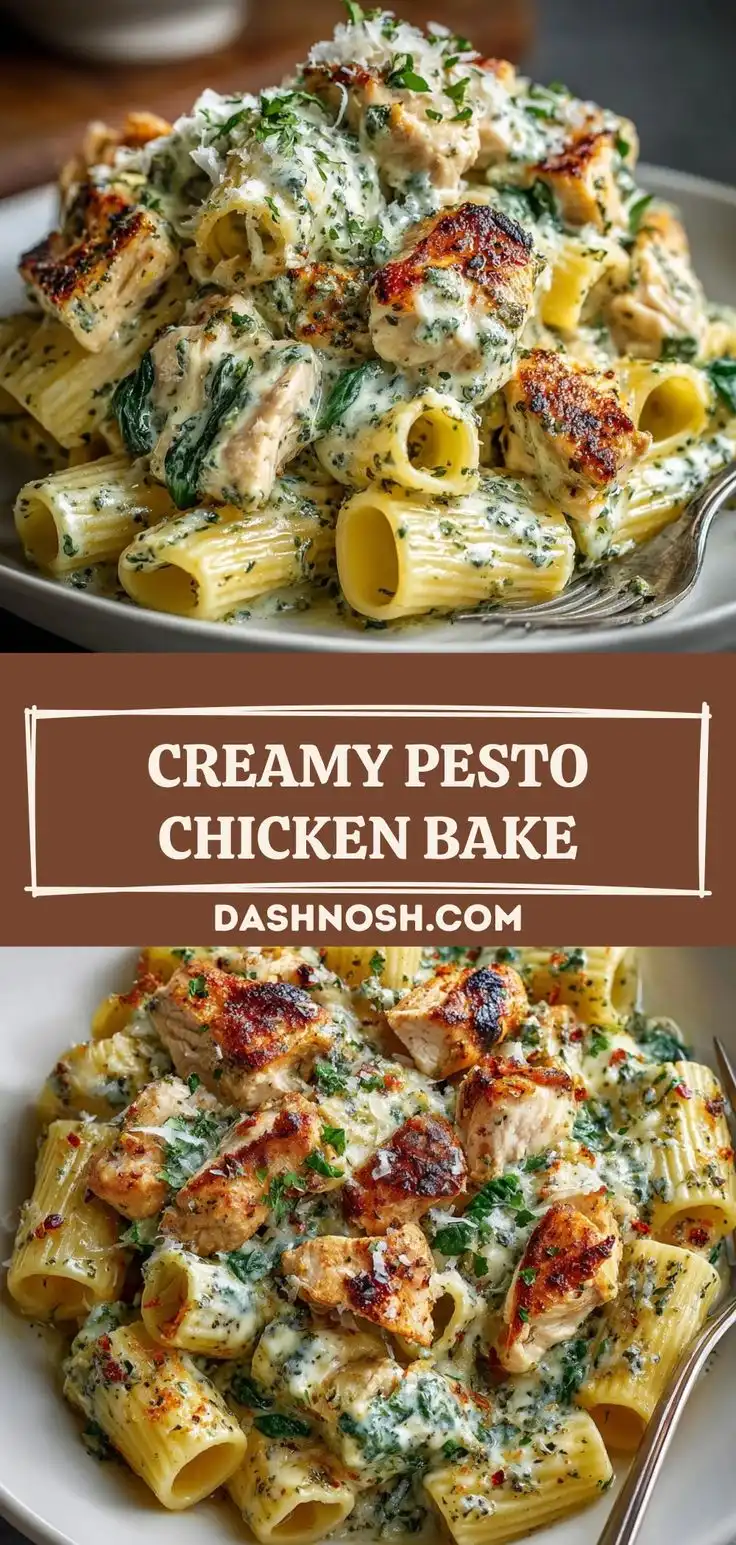
Indulge in the ultimate comfort food fusion with our Creamy Pesto Chicken Pasta Bake — a rich, aromatic, and deeply satisfying casserole that marries the bold, herbaceous freshness of basil pesto with tender roasted chicken, creamy cheese sauce, and perfectly al dente pasta. Designed for busy weeknights yet elegant enough for weekend gatherings, this dish delivers restaurant-quality flavor with minimal hands-on time. The baked finish adds a golden, slightly crisp top layer that contrasts beautifully with the luxuriously creamy interior — making every forkful a harmonious blend of texture, aroma, and depth. Whether you’re feeding a family of four or prepping hearty leftovers for the week ahead, this recipe is your new go-to for effortless, flavorful, and crowd-pleasing meals.
The History
The evolution of the Creamy Pesto Chicken Pasta Bake is a delicious testament to culinary cross-pollination across continents and generations. At its core lies pesto alla genovese, a centuries-old Ligurian staple born from the sun-drenched hills of northern Italy, where fresh basil, pine nuts, garlic, extra-virgin olive oil, and aged Parmigiano-Reggiano were pounded in a mortar to create a vibrant, uncooked sauce — originally used to dress trofie or trenette pasta. Meanwhile, American-style baked pasta dishes — think macaroni and cheese or baked ziti — emerged in the early 20th century as economical, make-ahead casseroles that leveraged accessible dairy, canned tomatoes, and affordable cuts of meat. The modern fusion began gaining traction in the 1980s and ’90s, as home cooks and food magazines embraced global ingredients and began experimenting with pesto beyond its traditional role — stirring it into mayonnaise, folding it into mashed potatoes, and swirling it into creamy sauces. By the early 2000s, “pesto chicken” became a popular sheet-pan and skillet main, and savvy home chefs soon realized its natural synergy with baked pasta formats. Today’s Creamy Pesto Chicken Pasta Bake reflects a matured, globally informed approach: honoring Italian tradition while embracing American convenience, oven-baked richness, and flexible pantry-friendly adaptation — all without sacrificing authenticity or soul-warming satisfaction.
Ingredients Breakdown
Every component in this recipe serves a distinct sensory and functional purpose — let’s explore why each ingredient matters:
- Pasta (12 oz dried): We recommend fusilli, penne, or casarecce for their ridges and curves that grip the creamy pesto sauce. Avoid overly delicate shapes like angel hair, which can turn mushy during baking. Whole wheat or gluten-free pasta work beautifully — just adjust boiling time per package instructions.
- Boneless, skinless chicken breasts or thighs (1.5 lbs): Breasts offer lean tenderness; thighs provide richer flavor and moisture retention — especially important for longer bake times. Uniform 1-inch cubes ensure even cooking and prevent dryness.
- Fresh basil pesto (1 cup, about 240g): Homemade is ideal — made with packed fresh Genovese basil, toasted pine nuts (or walnuts for budget-friendly depth), garlic, lemon zest + juice, extra-virgin olive oil, and freshly grated Parmigiano-Reggiano and Pecorino Romano. Store-bought pesto works well too — look for refrigerated, oil-based versions without stabilizers or excessive preservatives. Avoid shelf-stable, jarred varieties with visible separation or dull color.
- Heavy cream (¾ cup) & whole milk (½ cup): This dairy duo creates luxurious silkiness without overwhelming richness. Heavy cream contributes body and fat-soluble flavor infusion; milk balances viscosity and prevents curdling. For lighter options, substitute half-and-half or full-fat coconut milk (unsweetened) — though texture will be slightly less firm.
- Grated cheeses: A triple-layered blend ensures complexity: Parmigiano-Reggiano (½ cup) for salty umami and granular melt; Mozzarella (1 cup, low-moisture, shredded) for stretch and mild sweetness; and Fresh ricotta (½ cup, whole-milk) for airy creaminess and subtle tang. Optional but transformative: a dusting of sharp provolone or smoked Gouda for nutty depth.
- Aromatics & seasonings: Yellow onion (½, finely diced), garlic (4 cloves, minced), and red pepper flakes (¼ tsp) build foundational savoriness and gentle heat. Fresh lemon juice (1 tbsp) at the end brightens the entire dish — a non-negotiable lift against the richness.
- Olive oil (2 tbsp), salt (to taste), black pepper (freshly ground), and fresh basil leaves (for garnish) complete the flavor architecture — balancing fat, acid, salt, and fragrance in perfect proportion.
Step-by-Step Recipe
- Preheat & Prep: Position oven rack in the center and preheat to 375°F (190°C). Lightly grease a 9×13-inch ceramic or glass baking dish (or line with parchment for easy cleanup).
- Cook the Pasta: Bring a large pot of heavily salted water (2 tbsp kosher salt) to a rolling boil. Add pasta and cook until *al dente* — typically 1–2 minutes less than package directions (e.g., 9 minutes for 11-minute pasta). Reserve 1 cup of starchy pasta water before draining. Rinse briefly under cool water to halt cooking and prevent sticking — then drain thoroughly.
- Sear the Chicken: While pasta cooks, pat chicken cubes very dry with paper towels. Heat 1 tbsp olive oil in a large stainless steel or cast-iron skillet over medium-high heat. Season chicken generously with salt and pepper. Sear undisturbed for 3–4 minutes until golden brown on one side, then flip and cook another 2–3 minutes until just cooked through (165°F internal temp). Transfer to a clean plate and let rest 5 minutes before adding to pasta — this preserves juiciness.
- Sauté Aromatics: In the same skillet (no need to wash), add remaining 1 tbsp olive oil. Reduce heat to medium. Sauté diced onion until translucent (~4 minutes), then stir in minced garlic and red pepper flakes. Cook 60 seconds until fragrant — do not brown.
- Build the Creamy Sauce: Pour in heavy cream and whole milk. Bring to a gentle simmer, stirring constantly. Let reduce slightly for 2 minutes. Whisk in ¾ cup of the pesto (reserve remaining ¼ cup), then stir in Parmigiano-Reggiano and ricotta until fully melted and smooth. Simmer 1 more minute — sauce should coat the back of a spoon. Remove from heat.
- Combine Everything: In a very large mixing bowl, combine drained pasta, seared chicken, and warm sauce. Gently fold with a silicone spatula until evenly coated. If mixture feels thick or stiff, add reserved pasta water 2 tbsp at a time until desired creaminess is reached (typically ¼–½ cup needed).
- Layer & Top: Transfer mixture to prepared baking dish. Smooth top evenly. Sprinkle shredded mozzarella evenly over surface, followed by remaining ¼ cup pesto swirled gently on top (creates beautiful green ribbons when baked). Optional: dot with tiny pats of butter or drizzle with extra-virgin olive oil for enhanced browning.
- Bake: Place dish in preheated oven and bake uncovered for 22–26 minutes, until edges are bubbling vigorously and cheese is golden, puffed, and lightly freckled with brown spots. Rotate dish halfway through for even browning.
- Rest & Finish: Remove from oven and let stand for 10 full minutes — crucial for sauce setting and preventing a runny slice. Just before serving, drizzle with fresh lemon juice, grind black pepper, and scatter torn fresh basil leaves. Serve warm with crusty bread or a simple arugula-lemon salad.
Tips
- Don’t skip the pasta water reserve! That starchy liquid is liquid gold — it emulsifies the sauce, prevents separation, and helps bind everything together without adding excess fat.
- Dry your chicken thoroughly. Wet surfaces steam instead of sear — leading to gray, rubbery results. Patting dry = better Maillard reaction = deeper flavor.
- Use room-temperature dairy. Cold cream or milk added to hot aromatics can cause slight curdling. Let them sit out 15 minutes before use.
- Undercook the pasta intentionally. It will absorb sauce and continue softening during baking — overcooked pasta becomes gummy and disintegrates.
- Swirl, don’t stir, the final pesto. Gentle ribboning preserves its vibrant green hue and raw herbal brightness — which would otherwise fade with prolonged heat exposure.
- Rotate the dish mid-bake. Home ovens have hot spots — rotating ensures even browning and consistent texture from corner to corner.
- Rest before cutting. Skipping the 10-minute rest leads to soupy, collapsed servings. Patience = perfect layers and clean slices.
- Make-ahead magic: Assemble up to 24 hours ahead — cover tightly and refrigerate unbaked. Add 5–8 minutes to bake time if going straight from fridge to oven.
- Freeze for later: Cool completely, wrap dish tightly in double layers of plastic + foil, and freeze up to 3 months. Thaw overnight in fridge before baking as directed.
Variations and Customizations
This recipe is gloriously adaptable — here’s how to personalize it to suit dietary needs, seasonal produce, pantry availability, or adventurous cravings:
- Vegetarian Version: Omit chicken and boost protein with 1½ cups roasted chickpeas (tossed in olive oil, smoked paprika, and garlic powder), 1 cup sautéed cremini mushrooms, or ½ cup toasted walnuts + ½ cup crumbled feta. Add 1 cup baby spinach folded in at the end for freshness.
- Gluten-Free: Use certified GF pasta (brown rice, quinoa, or corn-based hold up best). Ensure pesto is GF (some store-bought brands contain wheat-derived vinegar or fillers).
- Dairy-Free/Vegan: Swap heavy cream for full-fat coconut milk + unsweetened almond milk (¾ cup + ½ cup); replace cheeses with cashew ricotta (soaked cashews + lemon + nutritional yeast), vegan mozzarella shreds, and hemp-based Parmesan. Use oil-based, nut-free pesto (sunflower seed or pumpkin seed base).
- Low-Carb/Keto: Substitute pasta with spiralized zucchini (“zoodles”), blanched spaghetti squash, or shirataki noodles. Increase healthy fats — add ¼ cup toasted pine nuts, 2 sliced avocados post-bake, or 2 tbsp chopped olives.
- Spicy Kick: Stir in 1–2 tsp Calabrian chili paste or harissa with the cream sauce. Top with pickled jalapeños or Fresno chilies before baking.
- Herb-Forward: Fold in ¼ cup chopped fresh parsley, 2 tbsp chopped chives, and 1 tbsp lemon thyme with the pesto sauce. Garnish with edible flowers (nasturtiums or pansies) for visual flair.
- Seafood Twist: Replace chicken with 1 lb cooked, flaked wild-caught salmon or lump crabmeat. Add 1 tsp Old Bay seasoning to the sauce and finish with dill instead of basil.
- Winter Comfort: Add 1 cup roasted butternut squash cubes and ½ cup caramelized onions. Stir in 1 tsp ground sage with the garlic.
- Spring Garden: Fold in 1 cup fresh peas (blanched), ½ cup asparagus tips (roasted), and ¼ cup fava beans. Top with lemon zest and mint ribbons instead of basil.
Health Considerations and Nutritional Value
A single generous serving (approx. 1.5 cups) provides a well-rounded nutritional profile — approximately 585 calories, 32g protein, 42g carbohydrates (5g fiber), and 31g total fat (14g saturated). Key health highlights include:
- High-Quality Protein: Chicken supplies all nine essential amino acids, supporting muscle repair, satiety, and metabolic function. Opting for thighs increases heart-healthy monounsaturated fats and iron content.
- Antioxidant-Rich Herbs: Fresh basil contains flavonoids (orientin, vicenin), vitamin K (120% DV per cup), and volatile oils (eugenol, linalool) with anti-inflammatory and antimicrobial properties.
- Heart-Smart Fats: Extra-virgin olive oil contributes polyphenols and oleic acid linked to improved cholesterol ratios and endothelial function. Pine nuts provide plant-based omega-6 and magnesium.
- Gut-Friendly Fermentation: Authentic pesto’s raw garlic and aged cheese support beneficial gut microbiota — especially when paired with fiber-rich whole grain pasta or legumes.
- Calcium & Vitamin D Synergy: Parmigiano-Reggiano offers highly bioavailable calcium (330mg/serving), while fortified dairy or sunlight-exposed mushrooms (in variations) add vitamin D for optimal absorption.
Nutrition Notes: To reduce sodium, use low-sodium broth when poaching chicken (instead of searing), omit added salt in sauce, and choose unsalted butter/oil. For lower saturated fat, swap half the heavy cream for Greek yogurt (add after removing from heat to prevent splitting) and use part-skim mozzarella. Those managing blood sugar should pair with non-starchy vegetables and monitor portion size — the dish has a moderate glycemic load due to pasta, but high protein/fiber slows glucose response.
Ingredients
- 12 oz dried short pasta (fusilli, penne, or casarecce)
- 1.5 lbs boneless, skinless chicken breasts or thighs, cut into 1-inch cubes
- 2 tbsp extra-virgin olive oil, divided
- ½ medium yellow onion, finely diced
- 4 garlic cloves, minced
- ¼ tsp red pepper flakes (optional)
- ¾ cup heavy cream
- ½ cup whole milk
- 1 cup fresh basil pesto (homemade or high-quality store-bought)
- ½ cup freshly grated Parmigiano-Reggiano
- ½ cup whole-milk ricotta cheese
- 1 cup low-moisture mozzarella, shredded
- 1 tbsp fresh lemon juice (plus zest, optional)
- Kosher salt and freshly ground black pepper, to taste
- Fresh basil leaves, for garnish
Directions
- Preheat oven to 375°F (190°C). Grease a 9×13-inch baking dish.
- Bring 4–5 quarts water to boil with 2 tbsp kosher salt. Cook pasta until al dente. Reserve 1 cup pasta water, then drain and rinse under cool water. Set aside.
- In a large skillet, heat 1 tbsp olive oil over medium-high heat. Season chicken with salt and pepper. Sear until golden and cooked through (165°F), ~6–7 minutes total. Rest 5 minutes, then set aside.
- In same skillet, heat remaining 1 tbsp oil over medium heat. Sauté onion until soft (~4 min). Add garlic and red pepper flakes; cook 1 min until fragrant.
- Pour in cream and milk. Simmer gently 2 minutes. Whisk in ¾ cup pesto, Parmigiano-Reggiano, and ricotta until smooth. Simmer 1 more minute. Remove from heat.
- In large bowl, combine pasta, chicken, and warm sauce. Fold gently. Add reserved pasta water as needed for creaminess (¼–½ cup).
- Transfer to baking dish. Top with mozzarella, then swirl remaining ¼ cup pesto over top.
- Bake uncovered 22–26 minutes until bubbly and golden. Rotate dish at 12 minutes.
- Let rest 10 minutes. Drizzle with lemon juice, black pepper, and fresh basil. Serve warm.
FAQ
- Can I use jarred pesto?
- Absolutely — but choose refrigerated, oil-based varieties with minimal ingredients (basil, oil, nuts, cheese, garlic, lemon, salt). Avoid shelf-stable jars with preservatives, added sugars, or emulsifiers — they often separate or taste flat when baked.
- Why does my pesto turn brown?
- Oxidation — exposure to air and heat. To preserve vibrant green color: add lemon juice (acid inhibits browning), use fresh basil (not wilted), avoid over-blending, and swirl raw pesto on top rather than fully incorporating it into the hot sauce.
- Can I make this ahead?
- Yes! Assemble up to 24 hours in advance — cover tightly and refrigerate unbaked. Add 5–8 minutes to bake time. You can also fully bake, cool, and refrigerate for up to 4 days — reheat covered at 350°F until warmed through (25–35 min), then uncover for final 5 minutes to recrisp top.
- What if my sauce separates or looks greasy?
- Overheating dairy or using cold ingredients causes separation. Always warm dairy to room temperature first, and never boil the cream sauce — keep it at a gentle simmer. If separation occurs, whisk in 1–2 tbsp cold pasta water or a splash of lemon juice — the starch and acid help re-emulsify.
- Can I freeze this casserole?
- Yes — cool completely, then wrap dish tightly in plastic wrap + heavy-duty foil. Freeze up to 3 months. Thaw overnight in fridge before baking. Add 8–10 minutes to original bake time.
- Is there a way to make it crispier on top?
- For extra crunch: mix ¼ cup panko breadcrumbs with 1 tbsp melted butter and 2 tbsp grated Parmigiano-Reggiano. Sprinkle over pesto layer before baking. Or broil for 1–2 minutes at the end — watch closely to avoid burning.
- Can I substitute pine nuts?
- Yes — walnuts, almonds, cashews, pepitas (pumpkin seeds), or sunflower seeds all work beautifully. Toast them first for deeper flavor and better texture.
- How do I prevent the pasta from drying out?
- Reserve pasta water, undercook pasta, use whole-milk ricotta (not part-skim), and avoid overbaking. If reheating leftovers, add a splash of milk or broth before microwaving.
- What wine pairs well with this dish?
- A crisp, herbaceous Italian white like Vermentino or Friulano complements the basil and lemon notes. For red lovers, try a chilled, low-tannin Barbera or Valpolicella — its bright acidity cuts through the creaminess.
- Can kids enjoy this?
- Yes — it’s naturally mild, creamy, and familiar. For picky eaters, reduce red pepper flakes, increase mozzarella, and serve with garlic bread sticks for dipping. Many children love the “green swirls” — a fun visual hook!
Summary
This Creamy Pesto Chicken Pasta Bake is a masterclass in balance — bold yet comforting, rich yet bright, simple yet deeply layered — delivering gourmet satisfaction with real-world practicality.
With make-ahead flexibility, endless customization options, and nutritionally thoughtful foundations, it’s not just a recipe — it’s a versatile, beloved centerpiece destined to become a cherished staple in your kitchen repertoire.