Introduction
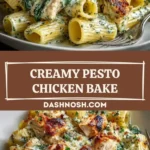
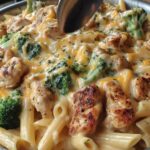
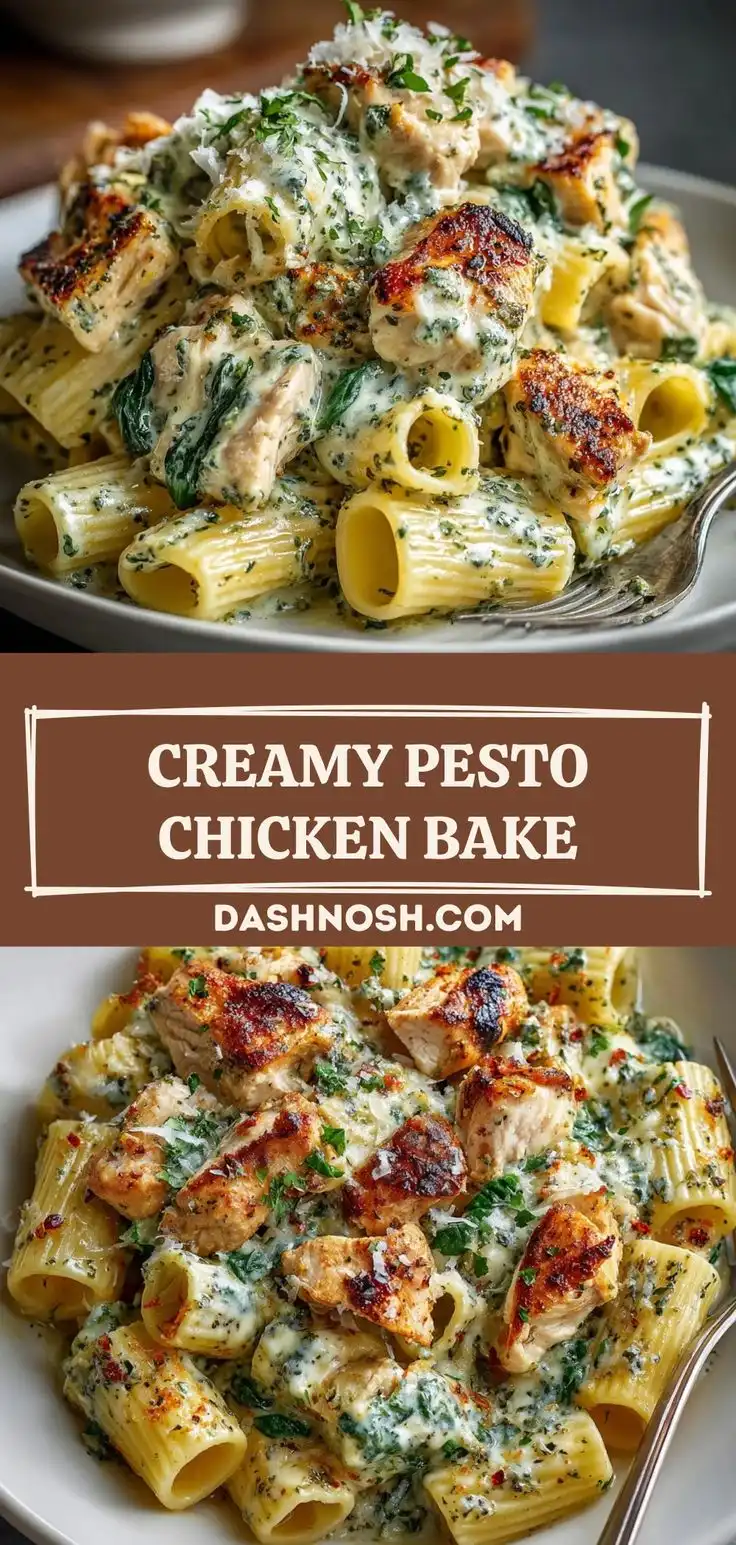
Creamy Pesto Chicken Pasta Bake is the ultimate comfort food reimagined—rich, aromatic, and deeply satisfying. It masterfully bridges the bright, herbaceous freshness of traditional basil pesto with the velvety indulgence of a baked pasta casserole. Unlike standard weeknight pasta dishes, this recipe transforms simple pantry staples and lean protein into an elegant yet approachable centerpiece perfect for family dinners, potlucks, or meal-prep success. Its layered textures—tender chicken breast, al dente pasta ribbons, creamy Parmesan-tinged sauce, and a golden, bubbling crust—create a symphony of flavor and mouthfeel that lingers long after the last bite. Whether you’re seeking a crowd-pleasing dish for entertaining or a nourishing, make-ahead dinner solution for busy schedules, this bake delivers restaurant-quality depth without requiring chef-level expertise.
The History
While no single documented origin story exists for “Creamy Pesto Chicken Pasta Bake,” its evolution reflects broader culinary trends spanning decades. Pesto itself traces back to Genoa, Italy, where pesto alla genovese was traditionally pounded by hand using basil, pine nuts, garlic, coarse salt, olive oil, and grated Prescinsoa (later substituted with Pecorino or Parmigiano-Reggiano). The technique entered American kitchens in earnest during the mid-20th century, gaining wider popularity post-WWII as Italian-American cuisine became mainstream. Simultaneously, baked pasta dishes—like lasagna, macaroni and cheese, and timballo—had long been fixtures in both Italian home cooking and American “casserole culture” of the 1950s and ’60s, prized for their convenience, affordability, and ability to feed many. The fusion of pesto and baked pasta began appearing in food magazines and regional cookbooks in the 1980s and ’90s, often as a lighter, more vibrant alternative to tomato-based bakes. The addition of grilled or sautéed chicken emerged alongside growing consumer interest in high-protein, balanced meals—a hallmark of 2000s nutrition trends. Today’s Creamy Pesto Chicken Pasta Bake represents a modern synthesis: honoring tradition through quality ingredients while embracing contemporary preferences for bold flavor, creamy texture, and adaptable preparation methods—including one-pot variations, air fryer adaptations, and gluten-free or dairy-light iterations.
Ingredients Breakdown
Every element in this dish serves a distinct sensory and functional purpose—no ingredient is arbitrary. Let’s explore them in detail:
- Pasta: A short, sturdy shape like penne, fusilli, rigatoni, or casarecce is ideal—not only for capturing sauce but also for maintaining structural integrity during baking. These shapes resist mushiness better than delicate pastas (e.g., angel hair) and provide surface area for the creamy pesto to cling to. Opt for bronze-die extruded pasta for superior sauce adhesion.
- Chicken Breast (or Thigh): Boneless, skinless chicken breasts offer lean protein and mild flavor that acts as a canvas for the pesto. For deeper richness and juicier results, boneless, skinless chicken thighs are an excellent, underappreciated alternative—they contain more intramuscular fat, which helps prevent dryness during baking. Uniform dicing (¾-inch cubes) ensures even cooking and integration.
- Fresh Basil Pesto: Authenticity begins here. Store-bought pesto varies widely in quality—many contain preservatives, excessive oil, or filler cheeses. For optimal flavor and vibrancy, homemade pesto is strongly recommended. Key components include fresh Genovese basil (not supermarket “Italian” basil, which can be bitter), extra-virgin olive oil (preferably Ligurian or Tuscan for grassy, peppery notes), raw garlic (blanched briefly to mellow harshness), toasted pine nuts (substitutable with walnuts or slivered almonds for cost or allergy reasons), fine-grated Parmigiano-Reggiano (aged minimum 24 months for umami depth), and Pecorino Romano (for salty, tangy counterpoint). A pinch of sea salt and a squeeze of lemon juice balance and brighten.
- Heavy Cream (or Full-Fat Coconut Milk for Dairy-Free): Provides luxurious body, sheen, and emulsifying power. Its high fat content (36–40%) prevents curdling when heated and contributes to the signature “creamy” mouthfeel. Half-and-half or whole milk may thin the sauce excessively and yield a less cohesive bake. For vegan versions, full-fat coconut milk (canned, not beverage-style) offers comparable richness and fat structure—just ensure it’s well-shaken before use.
- Grated Cheeses: A dual-cheese blend maximizes complexity. Freshly grated Parmigiano-Reggiano adds nutty, crystalline savoriness and aids browning; mozzarella (low-moisture, part-skim or whole-milk) delivers essential melt and stretch. Optional additions include fontina for earthy creaminess or sharp white cheddar for tangy contrast.
- Aromatics & Seasonings: Yellow onion and garlic form the foundational soffritto. A splash of dry white wine (e.g., Pinot Grigio or Sauvignon Blanc) deglazes the pan and lifts fond while adding subtle acidity. Dried oregano and red pepper flakes introduce warm herbal notes and gentle heat—adjustable to preference. Freshly cracked black pepper and flaky sea salt are non-negotiable for layering seasoning at every stage.
- Finishing Touches: Reserved fresh basil leaves add aromatic brightness post-bake; a final drizzle of high-quality extra-virgin olive oil enhances gloss and fragrance; lemon zest introduces citrus lift that cuts through richness.
Step-by-Step Recipe
- Prep & Preheat: Position oven rack in the center position. Preheat oven to 375°F (190°C). Lightly grease a 9×13-inch (or similar 3-quart) baking dish with olive oil or butter. Bring a large pot of generously salted water (2 tbsp kosher salt per gallon) to a rolling boil.
- Cook Pasta Al Dente: Add pasta and cook for 2 minutes *less* than package directions for “al dente.” Drain thoroughly—but do *not* rinse—reserving 1 cup of starchy pasta water. Rinsing removes vital surface starch needed for sauce cohesion.
- Prepare Chicken: While pasta cooks, pat chicken cubes very dry with paper towels. Season liberally with salt and pepper. Heat 1 tbsp olive oil in a large stainless steel or cast-iron skillet over medium-high heat until shimmering. Sear chicken in a single layer (work in batches if needed) until golden brown on all sides and cooked through (165°F internal temp), about 5–6 minutes total. Transfer to a clean plate; tent loosely with foil.
- Sauté Aromatics: In the same skillet, reduce heat to medium. Add diced onion and a pinch of salt; sauté until softened and translucent (~4 minutes). Add minced garlic and red pepper flakes; cook 30 seconds until fragrant—do not brown.
- Build Creamy Base: Pour in white wine, scraping up all browned bits (fond) with a wooden spoon. Simmer 1 minute until alcohol evaporates. Stir in heavy cream, then whisk in ¾ cup grated Parmigiano-Reggiano and ½ cup shredded mozzarella until smooth and slightly thickened (~2 minutes). Remove from heat.
- Combine Everything: In a very large mixing bowl, combine hot drained pasta, seared chicken, creamy cheese sauce, ¾ cup of prepared pesto (reserve remaining ¼ cup for finishing), dried oregano, and lemon zest. Gently fold together with a silicone spatula or large spoon. If mixture seems tight, gradually add reserved pasta water, 2 tbsp at a time, until cohesive but not soupy.
- Layer & Top: Transfer mixture to prepared baking dish. Smooth top evenly. Sprinkle remaining ¼ cup Parmigiano-Reggiano and ¼ cup mozzarella over surface. Dot with small pats of butter (optional, for extra browning).
- Bake: Place dish on center oven rack. Bake uncovered for 20–25 minutes, until edges bubble vigorously and top develops a light golden crust. Rotate dish halfway through for even browning.
- Rest & Finish: Remove from oven and let rest for 10 minutes—this allows sauce to fully set and prevents scalding. Just before serving, drizzle with reserved pesto, a generous swirl of extra-virgin olive oil, and a final sprinkle of flaky sea salt and freshly torn basil leaves.
Tips
- Never Skip the Rest: Allowing the bake to rest for at least 10 minutes is critical—it gives the starches time to absorb excess liquid and the proteins in the cheese and cream to relax, resulting in cleaner slices and richer mouthfeel. Cutting too soon releases steam and yields a watery, separated texture.
- Toast Your Nuts (Even in Pesto): If making homemade pesto, toast pine nuts (or alternatives) in a dry skillet over low heat until golden and fragrant—about 3–4 minutes—cooling completely before blending. This deepens nuttiness and eliminates raw bitterness.
- Control Pesto Intensity: Pesto can dominate. To preserve balance, stir most of it into the warm pasta mixture *off the heat*, then reserve a portion for finishing. Heat degrades basil’s volatile oils—adding some raw ensures maximum aroma and color.
- Boost Umami Without Salt: Add 1 tsp white miso paste or ½ tsp nutritional yeast to the cream sauce while heating. Both contribute savory depth and help round out the pesto’s herbal sharpness.
- Prevent Soggy Bottoms: Ensure pasta is well-drained and never rinsed. Excess water dilutes the sauce and creates steam instead of browning. For extra insurance, spread hot pasta on a clean kitchen towel for 1 minute before combining.
- Freeze Smart: Assemble unbaked casserole (without cheese topping) in a freezer-safe dish, cover tightly with parchment + foil. Freeze up to 3 months. Thaw overnight in fridge, then top with cheese and bake as directed—add 5–8 minutes to bake time.
- Perfect Browning Secret: For a crisp, speckled crust, broil for the final 1–2 minutes—but watch *constantly*. Alternatively, mix 1 tbsp melted butter with 2 tbsp panko breadcrumbs and 1 tbsp grated Parmesan; sprinkle over top before baking.
- Acid Is Your Friend: A final ½ tsp of fresh lemon juice stirred into the finished dish right before serving brightens all other flavors and balances the fat—don’t omit it!
Variations and Customizations
This recipe is exceptionally versatile—designed to adapt to dietary needs, seasonal produce, pantry constraints, and personal taste. Here’s how to make it your own:
- Vegetarian Version: Omit chicken entirely. Boost protein and texture with 1½ cups roasted cherry tomatoes (halved, tossed in olive oil, salt, and thyme, roasted at 425°F for 15 mins), 1 cup sautéed cremini mushrooms, or 1 can (15 oz) rinsed white beans (cannellini or Great Northern). Add ¼ cup chopped sun-dried tomatoes for umami punch.
- Vegan Adaptation: Use gluten-free pasta, replace chicken with marinated and baked tofu cubes or tempeh crumbles, swap heavy cream for full-fat coconut milk, and use vegan Parmesan (nutritional yeast–based) and mozzarella shreds. Ensure pesto is dairy- and cheese-free (nut-based, with lemon and olive oil). Garnish with hemp seeds for omega-3s.
- Gluten-Free Option: Choose certified GF pasta (brown rice, quinoa, or lentil-based work best for baking). Confirm all sauces, cheeses, and pesto are GF-certified (some store-bought pestos contain wheat-based thickeners).
- Low-Carb/Keto-Friendly: Replace pasta with spiralized zucchini (“zoodles”) or shirataki noodles. Sauté zoodles in a dry pan for 2–3 minutes to remove excess water before combining. Increase cheese and cream slightly to compensate for reduced starch binding.
- Seafood Twist: Substitute seared scallops or flaked wild-caught salmon for chicken. Add ¼ cup capers and 2 tbsp chopped dill to the sauce for a Mediterranean flair.
- Herb & Produce Swaps: In summer, fold in blanched asparagus tips or peas. In fall, add roasted butternut squash cubes and sage-infused cream. Swap basil pesto for arugula-walnut pesto for peppery complexity, or cilantro-lime pesto for a vibrant Mexican-Italian fusion.
- Spice It Up: Add 1 tsp smoked paprika to the cream sauce, or stir in 1–2 tbsp Calabrian chili paste for deep, fruity heat. Top with pickled jalapeños before serving.
- Kid-Friendly Mild Version: Reduce or omit red pepper flakes, use mild provolone instead of sharp cheeses, and stir in ¼ cup ricotta for extra creaminess and neutral flavor. Serve with a side of garlic bread for dipping.
Health Considerations and Nutritional Value
A single 1¼-cup serving (approx. 1/6 of the full recipe) provides approximately:
- Calories: 520–580 kcal (varies by cheese/cream quantity and pasta choice)
- Protein: 32–38 g — primarily from chicken and dairy, supporting muscle maintenance and satiety
- Fat: 24–29 g — predominantly unsaturated fats from olive oil, nuts (in pesto), and avocado oil (if used); includes moderate saturated fat from cheese and cream
- Carbohydrates: 42–48 g — mostly complex carbs from whole-grain or legume-based pasta (if substituted); refined pasta contributes simple starches
- Fiber: 3–5 g — enhanced significantly with whole-wheat, chickpea, or lentil pasta; minimal in standard semolina pasta
- Vitamins & Minerals: Rich in calcium (from cheeses), vitamin K (basil, parsley garnish), B vitamins (chicken, nutritional yeast), and antioxidants (lutein and beta-carotene from basil, polyphenols from olive oil)
Dietary Notes:
- Heart Health: Olive oil, nuts, and leafy herbs provide monounsaturated fats and polyphenols linked to improved cholesterol profiles and vascular function. Limit added sodium by using low-sodium cheeses and avoiding pre-salted pesto.
- Digestive Wellness: Basil contains eugenol, which exhibits anti-inflammatory and digestive-supportive properties. Pairing with fiber-rich pasta or vegetables further supports gut microbiota diversity.
- Weight Management: High protein and healthy fats promote prolonged satiety, reducing between-meal snacking. Portion control remains key—use measuring cups or a kitchen scale for accuracy.
- Allergen Awareness: Contains dairy (cheese, cream), tree nuts (pine nuts in pesto), and gluten (unless GF pasta is used). Always verify labels on store-bought pesto for hidden allergens (e.g., soy, eggs, wheat).
- Balancing Indulgence: To lighten without sacrificing satisfaction: use half-and-half instead of heavy cream (adds ~30 fewer calories/serving), increase vegetable volume (spinach, broccoli, bell peppers), choose leaner chicken breast over thighs, and reduce cheese by ¼ cup while boosting umami with miso or sun-dried tomatoes.
Ingredients
- 12 oz (340 g) short-cut pasta (penne, fusilli, or rigatoni)
- 1½ lbs (680 g) boneless, skinless chicken breasts or thighs, cut into ¾-inch cubes
- 2 tbsp extra-virgin olive oil, divided
- 1 medium yellow onion, finely diced
- 4 cloves garlic, minced
- ½ cup dry white wine (e.g., Pinot Grigio)
- 1½ cups heavy cream (or full-fat canned coconut milk for dairy-free)
- 1 cup freshly grated Parmigiano-Reggiano cheese, divided
- 1 cup shredded low-moisture mozzarella cheese, divided
- 1 cup high-quality fresh basil pesto (homemade preferred), divided
- 1 tsp dried oregano
- ¼ tsp red pepper flakes (optional)
- 1 tbsp fresh lemon zest
- 1 tsp freshly cracked black pepper
- 2 tsp flaky sea salt (plus more for pasta water)
- ¼ cup fresh basil leaves, for garnish
- 2 tbsp extra-virgin olive oil, for finishing drizzle
- Lemon wedges, for serving
Directions
- Preheat oven to 375°F (190°C). Lightly grease a 9×13-inch (3-quart) baking dish.
- Bring 4–5 quarts of water to a rolling boil. Add 2 tbsp kosher salt. Cook pasta 2 minutes shy of al dente. Drain well, reserving 1 cup starchy water. Do not rinse.
- Pat chicken cubes dry. Season with 1 tsp salt and ½ tsp black pepper. Heat 1 tbsp olive oil in a large skillet over medium-high heat. Sear chicken in batches until golden and cooked through (165°F), ~5–6 min. Transfer to plate; tent with foil.
- In same skillet, reduce heat to medium. Add remaining 1 tbsp oil, onion, and pinch of salt. Sauté 4 min until soft. Add garlic and red pepper flakes; cook 30 sec.
- Pour in wine; simmer 1 min, scraping up fond. Whisk in cream, ¾ cup Parmigiano, and ½ cup mozzarella. Cook 2 min until slightly thickened. Remove from heat.
- In large bowl, combine hot pasta, chicken, cream sauce, ¾ cup pesto, oregano, lemon zest, remaining salt and pepper. Fold gently. Add reserved pasta water as needed for cohesion.
- Transfer to baking dish. Smooth top. Sprinkle with remaining ¼ cup Parmigiano and ¼ cup mozzarella.
- Bake uncovered 20–25 min until bubbling at edges and golden on top. Rotate halfway.
- Let rest 10 min. Drizzle with remaining ¼ cup pesto, 2 tbsp olive oil, flaky salt, and fresh basil. Serve with lemon wedges.
FAQ
- Can I make this ahead of time?
- Absolutely. Assemble completely (unbaked), cover tightly, and refrigerate up to 24 hours. Add 5–7 minutes to bake time. For longer storage, freeze unbaked (see Tips section).
- Why does my sauce look greasy or separated?
- This usually occurs from overheating the cream sauce (causing fat to split), using low-fat dairy, or adding cold cheese to hot liquid. Always remove sauce from heat before stirring in cheese, and use full-fat dairy. If separation happens, whisk in 1 tsp Dijon mustard or 1 tbsp cold butter off-heat to re-emulsify.
- Can I use jarred pesto?
- Yes—but read labels carefully. Avoid brands with added sugar, artificial preservatives, or excessive oil. Opt for refrigerated, basil-forward options with minimal ingredients. Taste first and adjust salt/lemon in the final dish accordingly.
- What’s the best pasta to avoid mushiness?
- Bronze-die extruded pastas (like De Cecco or Rustichella d’Abruzzo) hold up best. Undercook by 2 minutes, drain thoroughly, and mix while hot—the residual heat helps bind the sauce without overcooking.
- Can I add vegetables?
- Yes! Sautéed spinach, roasted cherry tomatoes, sautéed zucchini, or steamed broccoli florets integrate beautifully. Add delicate greens (spinach, arugula) at the end of mixing to avoid wilting. Roasted or grilled veggies should be added warm.
- Is there a way to make it crispier on top?
- For maximum crunch: mix ¼ cup panko, 2 tbsp melted butter, and 2 tbsp grated Parmigiano; sprinkle over top before baking. Or broil last 90 seconds—watch closely.
- How do I reheat leftovers without drying them out?
- Place portions in oven-safe dish, sprinkle with 1 tsp water or broth, cover with foil, and bake at 325°F for 15–20 minutes. Microwaving works in 30-sec bursts, covered with damp paper towel.
- Can I double this recipe?
- Yes—but use two 9×13-inch dishes or a large roasting pan. Do not double in one dish; it will steam instead of bake evenly. Adjust bake time by +3–5 minutes and check with a thermometer (center should reach 165°F).
Summary
Creamy Pesto Chicken Pasta Bake is a harmonious, restaurant-worthy casserole that celebrates the vibrant essence of basil pesto while delivering comforting richness through slow-baked pasta, tender chicken, and a luxuriously smooth, cheesy cream sauce.
With thoughtful ingredient selection, precise timing, and customizable variations—from vegan and gluten-free to veggie-loaded and spice-forward—it’s a timeless, adaptable centerpiece that satisfies cravings, nourishes the body, and brings people together around the table.