Introduction
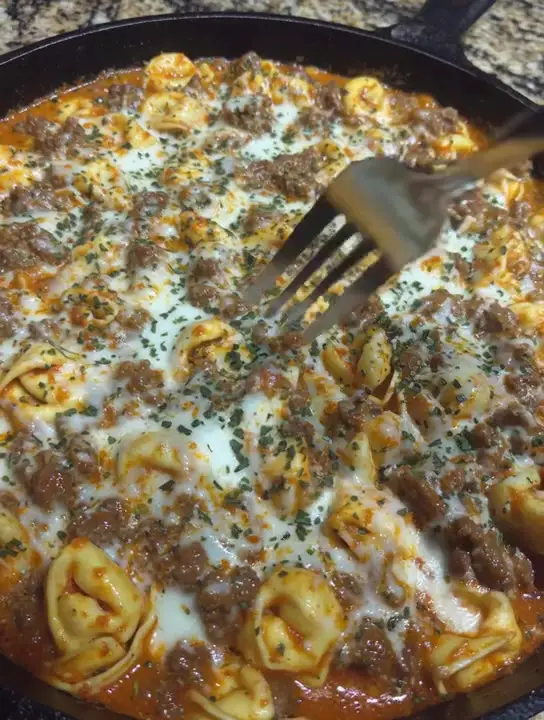
Creamy Italian Sausage Tortellini is a decadent, restaurant-worthy pasta dish that brings together the rustic charm of Italian cuisine with the comforting richness of American home cooking. This luscious one-pot meal features tender, cheese-filled tortellini nestled in a velvety, herb-infused cream sauce studded with savory browned Italian sausage, sweet sautéed onions, garlic, and sun-ripened tomatoes. It’s the kind of dish that fills your kitchen with warm, aromatic notes—garlic sizzling in olive oil, fennel-kissed sausage browning to golden perfection, and fresh basil releasing its peppery-sweet fragrance as it wilts into the sauce. Whether served as a cozy weeknight dinner for two or scaled up for a lively family gathering, this recipe strikes an elegant balance between simplicity and sophistication. Its versatility makes it equally at home on a casual Tuesday night as it does on a festive holiday table—especially when paired with crusty artisan bread for soaking up every last drop of that luxuriously creamy, deeply flavorful sauce.
The History
The origins of Creamy Italian Sausage Tortellini lie at the crossroads of regional Italian tradition and modern American culinary adaptation. Tortellini themselves trace back centuries to Emilia-Romagna—specifically the cities of Bologna and Modena—where legend claims they were inspired by Venus’s navel (*ombelico di Venere*) and first crafted in the 13th century. Traditionally filled with a delicate blend of pork loin, prosciutto, mortadella, Parmigiano-Reggiano, and nutmeg, authentic tortellini were simmered gently in capon broth—a practice still honored in the annual *Tortellini in Brodo* festival in Castelfranco Emilia.
Italian sausage, meanwhile, evolved from Southern Italian pork preparations flavored generously with fennel seeds, garlic, red pepper flakes, and black pepper—ingredients brought to prominence by resourceful peasant cooks seeking bold preservation methods before refrigeration. When Italian immigrants arrived in the United States in the late 19th and early 20th centuries, they adapted their recipes to local ingredients and tastes, giving rise to American-style Italian sausage—often coarser in grind, higher in fat content for juiciness, and available in both sweet (fennel-forward) and hot (spicy) varieties. The “creamy” element reflects post-war American pantry evolution: the widespread availability of heavy cream, half-and-half, and grated cheeses like ricotta salata and aged provolone allowed home cooks to elevate simple pasta dishes into indulgent centerpieces. By the 1980s and ’90s, food magazines and cable cooking shows popularized “creamy pasta” as a hallmark of approachable gourmet cooking—and the marriage of sausage, tortellini, and cream became a beloved staple across diners, trattorias, and suburban kitchens alike. Today, Creamy Italian Sausage Tortellini stands as a delicious testament to culinary fusion—honoring Old World craftsmanship while embracing New World convenience, creativity, and comfort.
Ingredients Breakdown
Every exceptional dish begins with intentionality in ingredient selection—and this recipe is no exception. Below is a detailed, chef-level breakdown of each component—not just what goes in, but *why* it matters:
- Italian Sausage (1 lb): Opt for high-quality, freshly ground mild or hot Italian sausage in casings (removed before cooking). Look for cuts with 20–25% fat content—this renders beautifully, lending depth, moisture, and rich mouthfeel. Avoid pre-cooked or heavily processed varieties, which often contain fillers and inconsistent seasoning. For authenticity, seek out small-batch producers who use whole fennel seeds (not ground), toasted garlic powder, and Calabrian chili flakes.
- Tortellini (16–19 oz fresh or frozen): Fresh refrigerated tortellini deliver superior texture—al dente yet pillowy—with nuanced filling flavor. If using frozen, thaw partially (15 minutes) before adding to prevent clumping and uneven cooking. Cheese-filled (ricotta-mozzarella-parmesan) is classic, but spinach-ricotta or roasted tomato-basil variations add delightful complexity. Avoid dried shelf-stable tortellini—they lack elasticity and absorb sauce poorly.
- Heavy Cream (1 cup): Minimum 36% milkfat is essential for stability, silkiness, and resistance to curdling. Ultra-pasteurized versions are acceptable, but avoid “light cream,” half-and-half, or plant-based substitutes unless specifically formulated for high-heat cooking (most will separate).
- Grated Parmigiano-Reggiano (½ cup, plus extra for garnish): Aged minimum 24 months for optimal crystalline crunch and umami depth. Pre-grated brands contain anti-caking agents (e.g., cellulose) that inhibit melting and create graininess—always grate fresh using a microplane.
- Garlic (4 large cloves, finely minced): Mince—not press—to preserve aromatic sulfur compounds without bitterness. Add only after onions soften to prevent scorching.
- Yellow Onion (1 medium, finely diced): Provides foundational sweetness and body. Soak diced onion in cold water for 5 minutes, then drain, to temper sharpness if serving to sensitive palates.
- Dry White Wine (½ cup): A crisp, high-acid varietal like Pinot Grigio, Sauvignon Blanc, or dry Vermentino lifts richness and deglazes the fond. Never use “cooking wine”—its salt and preservatives overwhelm delicate flavors.
- Fresh Basil (¼ cup loosely packed, chiffonade): Added off-heat to preserve volatile oils and vibrant green hue. Genovese basil preferred for its clove-anise nuance; avoid supermarket “baby basil” with muted flavor.
- Sun-Dried Tomatoes (¼ cup, oil-packed, julienned): Adds concentrated sweetness, chewy texture, and deep umami. Reserve 1 tbsp of the oil for sautéing—it imparts intense tomato essence.
- Red Pepper Flakes (¼ tsp, or to taste): Toast lightly in the pan before adding liquid to bloom capsaicin and mellow heat into fruity warmth.
- Olive Oil (2 tbsp, extra-virgin): Use a robust, peppery Tuscan or Sicilian variety for initial searing and finishing drizzle—its polyphenols contribute antioxidant richness and a lingering finish.
- Salt & Freshly Ground Black Pepper: Sea salt for seasoning layers; Tellicherry black pepper for floral heat. Season in stages—not just at the end.
Step-by-Step Recipe
This method prioritizes layering flavor through controlled temperature shifts, strategic timing, and mindful emulsification. Follow precisely for foolproof results:
- Prep & Par-Cook Tortellini: Bring a large pot of well-salted water (2 tbsp kosher salt per gallon) to a rolling boil. Add tortellini and cook 1 minute *less* than package instructions (e.g., if directed for 6 minutes, boil 5). Drain, rinse briefly under cool water to halt cooking, and toss with 1 tsp olive oil to prevent sticking. Set aside.
- Render & Brown Sausage: Heat 1 tbsp olive oil and 1 tbsp reserved sun-dried tomato oil in a wide, heavy-bottomed Dutch oven or stainless steel skillet over medium-high heat. Crumble sausage into pea-sized pieces. Cook undisturbed 3–4 minutes until deep golden crust forms, then stir and continue browning another 4–5 minutes until fully cooked and caramelized. Transfer to a paper-towel-lined plate; pour off all but 2 tbsp rendered fat.
- Sauté Aromatics: Reduce heat to medium. Add diced onion; cook 4–5 minutes until translucent and beginning to caramelize. Stir in red pepper flakes and toast 30 seconds until fragrant. Add minced garlic and sun-dried tomatoes; cook 1 minute—just until garlic is aromatic (do not brown).
- Deglaze & Simmer Base: Pour in white wine, scraping vigorously with a wooden spoon to lift all browned bits (fond). Simmer 2–3 minutes until alcohol evaporates and liquid reduces by half. This step builds profound depth—don’t rush it.
- Build Cream Sauce: Whisk in heavy cream, a splash at a time, ensuring full incorporation before adding more. Bring to gentle simmer (small bubbles at edges only—never boil vigorously). Reduce heat to low and simmer uncovered 4–5 minutes, stirring frequently, until sauce thickens slightly and coats the back of a spoon.
- Emulsify & Enrich: Remove from heat. Whisk in grated Parmigiano-Reggiano in three additions, stirring vigorously after each until fully melted and glossy. Let rest 1 minute—this allows starches to relax and prevents graininess.
- Combine & Finish: Gently fold in par-cooked tortellini and browned sausage. Warm over lowest heat 2–3 minutes—just until heated through (overheating causes sauce to break). Off heat, stir in fresh basil chiffonade, a final drizzle of olive oil, and a crack of black pepper. Taste and adjust salt carefully—remember sausage and cheese contribute significant sodium.
- Rest & Serve: Let sit covered 3 minutes before serving. This allows flavors to marry and sauce to settle into the pasta folds. Garnish with extra Parmigiano, basil leaves, and a sprinkle of flaky sea salt.
Tips
- The “No-Stir” Sear Secret: Resist stirring sausage during initial browning. Let it form a crust—this creates Maillard reaction compounds responsible for meaty, nutty complexity. Pat sausage dry before crumbling for maximum sear.
- Cream Safety Net: To prevent splitting, never let cream return to a full boil after adding cheese. If sauce appears thin, whisk in 1 tsp cold butter off-heat—it adds richness and stabilizes emulsion.
- Pasta Water Power: Reserve ½ cup starchy pasta water before draining. If sauce thickens too much during resting, add 1–2 tbsp to loosen while boosting viscosity and flavor adhesion.
- Temperature Tango: Always bring dairy ingredients (cream, cheese) to room temperature before adding. Cold cream hitting hot pan = instant separation.
- Garlic Timing Is Everything: Garlic burns in under 60 seconds at medium-high heat. Add only after onions soften and pan temp drops slightly—or risk acrid bitterness.
- Wine Wisdom: Use wine you’d drink. If unsure, choose a dry, unoaked white with bright acidity—avoid oaky Chardonnays or sweet Rieslings that clash with savory elements.
- Basil Preservation: Store fresh basil like flowers—trim stems, place in jar with 1 inch water, cover loosely with plastic bag, and refrigerate. Change water every 2 days for 7–10 day freshness.
- Leftover Lifespan: Store cooled leftovers in airtight container up to 3 days. Reheat gently in saucepan with splash of cream or milk—microwaving causes grainy texture and uneven heating.
- Serving Vessel Matters: Serve in pre-warmed shallow bowls (not deep pasta plates) to maximize surface area for sauce-to-pasta ratio and visual appeal.
- Texture Contrast Tip: For elevated presentation, top with crispy pancetta bits, toasted pine nuts, or lemon zest—adds crunch, brightness, and aromatic lift.
Variations and Customizations
This recipe is a canvas—adaptable to dietary needs, seasonal produce, pantry constraints, and personal preference. Explore these thoughtfully developed riffs:
Dietary Adaptations
- Gluten-Free: Substitute certified GF tortellini (brands like Cappello’s or Bionaturae) and verify sausage is GF-certified (many contain wheat fillers). Thicken sauce with 1 tsp cornstarch slurry if needed—GF pasta releases less starch.
- Dairy-Free: Replace heavy cream with full-fat canned coconut milk (chill can overnight, scoop solid cream layer) and use nutritional yeast + lemon juice instead of Parmigiano. Add 1 tsp white miso for umami depth.
- Vegetarian/Vegan: Swap sausage for lentil-walnut “meat” (sautéed with fennel pollen, smoked paprika, tamari) or Beyond Meat Italian Crumbles. Use vegan ricotta-filled tortellini and cashew cream base.
- Keto/Low-Carb: Replace tortellini with roasted zucchini ribbons or shirataki noodles (parboil 5 mins, rinse, pan-sear dry). Increase sausage quantity and add sautéed mushrooms for bulk.
Flavor & Texture Twists
- Roasted Red Pepper Version: Blend 2 roasted red peppers (jarred or fresh) into cream sauce pre-cheese. Swirl in 1 tsp harissa for North African warmth.
- Truffle Elegance: Finish with ½ tsp white truffle oil and shaved black truffle. Pair with porcini-infused cream (simmer cream with 1 tsp dried porcini 10 mins, strain).
- Herbes de Provence: Replace red pepper flakes with 1 tsp Herbes de Provence blend (lavender, thyme, rosemary) and add lemon zest at finish.
- Seafood Fusion: Replace half sausage with lump crabmeat or seared scallops added at final fold. Finish with dill and a squeeze of lemon.
- Smoky Chipotle: Add 1 tsp chipotle purée (canned chipotles in adobo, blended smooth) with garlic for deep, smoldering heat.
Seasonal Reinventions
- Spring: Fold in blanched asparagus tips, English peas, and mint instead of basil. Use lemon zest and Pecorino Romano for brightness.
- Summer: Add heirloom cherry tomatoes (halved, roasted 15 mins at 400°F), fresh corn kernels, and basil oil drizzle.
- Fall: Incorporate roasted butternut squash cubes, caramelized shallots, sage brown butter, and Gorgonzola dolce crumbles.
- Winter: Stir in wilted Swiss chard, toasted walnuts, and crumbled blue cheese. Finish with black pepper and orange zest.
Health Considerations and Nutritional Value
A balanced perspective acknowledges both nourishment and enjoyment. Per standard serving (1¾ cups), this dish provides approximately:
- Calories: 620–710 kcal (varies by sausage fat % and cheese quantity)
- Protein: 32–38g (high-quality complete protein from pork, dairy, and eggs in tortellini)
- Fat: 36–44g (primarily unsaturated from olive oil and cheese; ~14g saturated)
- Carbohydrates: 38–45g (mainly complex carbs from pasta; fiber ~2g)
- Sodium: 780–950mg (moderate—reduced by using low-sodium sausage or turkey sausage)
- Vitamins/Minerals: Rich in calcium (25% DV), vitamin B12 (85% DV), selenium (60% DV), and zinc (45% DV) from sausage and dairy. Sun-dried tomatoes contribute lycopene and vitamin C.
Smart Modifications for Wellness:
- Lower Saturated Fat: Choose lean turkey or chicken Italian sausage (93% lean), reduce cream to ¾ cup, and boost volume with sautéed spinach or zucchini ribbons.
- Increased Fiber: Add 1 cup chopped kale (massaged with lemon juice) or ½ cup cooked lentils for prebiotic benefits and satiety.
- Reduced Sodium: Make your own sausage seasoning (fennel, garlic, oregano, black pepper) and skip added salt until tasting at finish.
- Gut-Friendly Boost: Stir in 2 tbsp unpasteurized sauerkraut juice or kimchi brine at the end for probiotic diversity.
- Anti-Inflammatory Upgrade: Use pasture-raised sausage (higher omega-3s), add turmeric (¼ tsp) with black pepper when toasting spices, and finish with crushed flaxseed.
Note: While indulgent, this dish delivers bioavailable nutrients in synergistic form—fat-soluble vitamins (A, D, K) from dairy are better absorbed with the healthy fats present. Enjoy mindfully as part of a varied, plant-forward diet.
Ingredients
- 1 pound mild or hot Italian sausage (casings removed)
- 16–19 oz fresh or frozen cheese tortellini (ricotta-mozzarella-parmesan)
- 1 cup heavy cream (minimum 36% fat)
- ½ cup freshly grated Parmigiano-Reggiano cheese (plus extra for garnish)
- 1 medium yellow onion, finely diced
- 4 large garlic cloves, finely minced
- ¼ cup oil-packed sun-dried tomatoes, julienned (reserve 1 tbsp oil)
- ½ cup dry white wine (Pinot Grigio or Sauvignon Blanc)
- ¼ teaspoon red pepper flakes (adjust to taste)
- 2 tablespoons extra-virgin olive oil (plus more for finishing)
- ¼ cup fresh basil leaves, chiffonade
- Kosher salt and freshly ground black pepper
- Optional garnishes: flaky sea salt, lemon zest, toasted pine nuts, crispy pancetta
Directions
- Bring a large pot of water to a rolling boil. Add 2 tablespoons kosher salt. Add tortellini and cook 1 minute less than package directions. Drain, rinse briefly under cool water, toss with 1 teaspoon olive oil, and set aside.
- In a large Dutch oven or heavy-bottomed skillet, heat 1 tablespoon olive oil and 1 tablespoon reserved sun-dried tomato oil over medium-high heat. Crumble sausage into small pieces and cook undisturbed for 4 minutes until deeply browned. Stir and continue cooking 4–5 minutes until fully cooked and caramelized. Transfer to a paper-towel-lined plate; pour off all but 2 tablespoons of rendered fat.
- Reduce heat to medium. Add diced onion and cook 4–5 minutes until soft and lightly golden. Stir in red pepper flakes and toast 30 seconds. Add garlic and sun-dried tomatoes; cook 1 minute until fragrant.
- Pour in white wine, scraping bottom to release browned bits. Simmer 2–3 minutes until reduced by half.
- Whisk in heavy cream gradually, ensuring smooth incorporation. Bring to gentle simmer (bubbles at edges only). Reduce heat to low and simmer uncovered 4–5 minutes, stirring often, until slightly thickened.
- Remove from heat. Whisk in Parmigiano-Reggiano in three batches, stirring vigorously until glossy and smooth. Let rest 1 minute.
- Gently fold in par-cooked tortellini and browned sausage. Warm over lowest heat 2–3 minutes—do not boil.
- Off heat, stir in fresh basil, a drizzle of olive oil, and black pepper. Taste and adjust salt if needed.
- Let rest covered 3 minutes. Serve in warmed shallow bowls, garnished with extra Parmigiano, basil, and flaky salt.
FAQ
- Can I use frozen tortellini without thawing?
- Yes—but add 1–2 minutes to the par-boil time and stir gently to prevent clumping. Frozen tortellini release more water, so reduce cream by 2 tbsp initially and adjust thickness with reserved pasta water later.
- Why does my sauce sometimes break or look grainy?
- Most commonly due to overheating after adding cheese, using cold dairy, or vigorous boiling post-emulsification. Always remove from heat before adding cheese, let cream reach room temp, and stir gently—not whisk aggressively—once combined.
- Can I make this ahead of time?
- Yes—with caveats. Prepare sauce and cook sausage up to 2 days ahead; store separately in fridge. Reheat sauce gently, then fold in freshly cooked tortellini. Avoid assembling fully ahead—the pasta absorbs sauce and becomes gummy.
- What’s the best substitute for heavy cream if I don’t have it?
- Full-fat canned coconut milk (solid cream layer only) works best. Half-and-half can be used in a pinch, but reduce simmer time by half and add 1 tsp cornstarch slurry to stabilize. Never use milk—it will curdle.
- Is there a way to make this lower in calories without sacrificing flavor?
- Absolutely. Use 93% lean turkey sausage, replace half the cream with whole-milk ricotta (whisked smooth), add 1 cup baby spinach (wilted at the end), and increase herbs and citrus zest for brightness without calories.
- Can I freeze leftovers?
- We do not recommend freezing. Dairy-based sauces separate upon thawing, and tortellini become mushy. Instead, portion and refrigerate up to 3 days—reheat gently on stove with splash of cream or milk.
- What wine pairs best with this dish?
- A medium-bodied, high-acid red like Barbera d’Alba or Montepulciano d’Abruzzo cuts richness beautifully. For white lovers, an off-dry Riesling or Vermentino balances spice and cream with bright fruit and mineral lift.
- My tortellini stuck together while cooking—how do I prevent that?
- Use ample water (4–6 quarts), salt generously, stir immediately after adding pasta, and avoid overcrowding the pot. Toss with oil *after* draining—not before—as residual heat helps oil adhere evenly.
- Can I use pre-grated cheese?
- Not recommended. Pre-grated cheeses contain cellulose and potato starch that inhibit melting and create a gritty, separated sauce. Freshly grated Parmigiano-Reggiano melts smoothly and delivers superior flavor.
- How do I reheat leftovers without drying them out?
- Place in a saucepan over low heat. Add 1–2 tablespoons whole milk or cream, cover, and stir gently every 30 seconds until warmed through (3–4 minutes max). Never microwave in bulk—heat in 30-second intervals, stirring between.
Summary
Creamy Italian Sausage Tortellini is a masterclass in balancing rustic Italian soul with modern American comfort—featuring caramelized fennel-kissed sausage, pillowy cheese tortellini, and a luxuriously smooth, herb-flecked cream sauce enriched with aged Parmigiano-Reggiano and finished with vibrant fresh basil.
With customizable variations for dietary needs, seasonal produce, and flavor preferences—and backed by chef-tested techniques for foolproof emulsification, perfect texture, and layered depth—it’s a versatile, satisfying, and deeply satisfying dish that transforms humble ingredients into unforgettable dining moments.