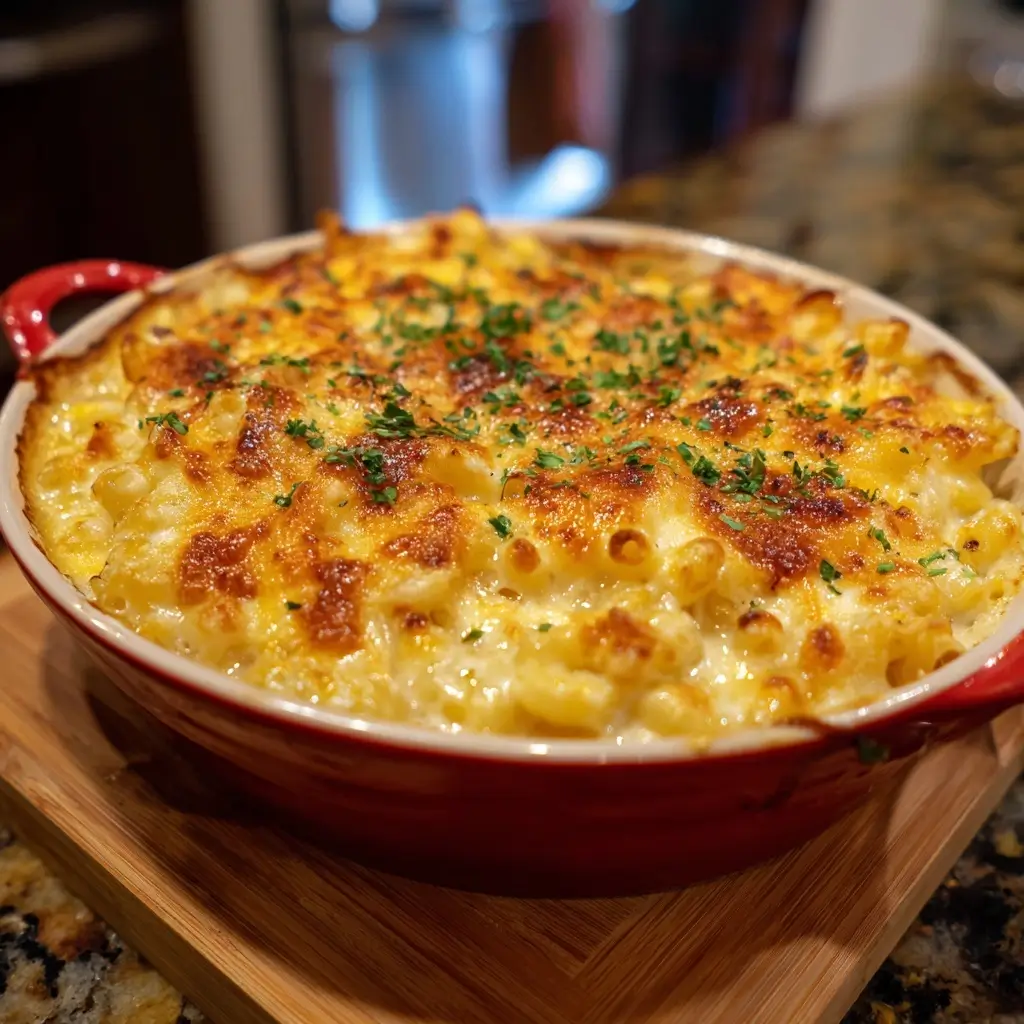
Creamy Baked Macaroni & Cheese: The Ultimate Comfort Food Recipe
The History of Macaroni and Cheese
Macaroni and cheese, often affectionately called “mac and cheese,” has roots that stretch back centuries. While pasta dishes with cheese have existed since at least the 13th century in Italy, the modern concept of macaroni and cheese began to take shape in Europe during the Middle Ages. One of the earliest known recipes resembling today’s version was recorded in the Liber de Coquina, a medieval Italian cookbook from the 14th century, which included a dish called “de lasanis” — layers of pasta with grated cheese.
The dish gained popularity in England during the 1700s, where it was known as “macaroni pie.” British colonists brought this comfort food staple to America, where it evolved into the creamy, baked casserole we know and love today. Thomas Jefferson is famously credited with popularizing macaroni and cheese in the United States after encountering it during his travels in France and Italy. He even served it at a state dinner in 1802, introducing it to American high society.
By the 20th century, the invention of processed cheese and boxed mac and cheese by companies like Kraft revolutionized accessibility, making it a household staple during times of economic hardship such as the Great Depression and World War II. Today, creamy baked macaroni and cheese stands as a beloved classic across cultures, enjoyed in homes, restaurants, and gourmet kitchens alike for its rich, indulgent flavor and nostalgic warmth.
Ingredients Breakdown: What Makes This Mac and Cheese So Creamy?
The magic of truly creamy baked macaroni and cheese lies not just in the ingredients themselves, but in how they work together to create a luscious, velvety texture that holds up beautifully through baking. Let’s break down each component and understand why it plays a crucial role:
- Elbow Macaroni: The classic choice for mac and cheese due to its curved shape, which captures sauce perfectly. Cooked al dente, it maintains structure during baking without turning mushy.
- Butter: Adds richness and helps form the roux (with flour), which thickens the cheese sauce and prevents separation.
- All-Purpose Flour: Acts as a thickening agent in the roux, creating a stable base for the milk and cheese mixture.
- Whole Milk: Provides creaminess without being overly heavy. Lower fat milk can result in a thinner sauce, so whole milk is preferred.
- Heavy Cream (optional): For extra decadence, adding heavy cream boosts silkiness and enhances the mouthfeel of the final dish.
- Dijon Mustard: A small amount adds depth, subtle tang, and helps emulsify the sauce, preventing graininess.
- Garlic Powder and Onion Powder: These provide savory background notes without overpowering the cheese flavor.
- Nutmeg: Just a pinch enhances the dairy flavors and adds warmth, a classic touch in béchamel-based sauces.
- Salt and Black Pepper: Essential for seasoning and balancing the richness.
- Sharp Cheddar Cheese: The star of the show. Sharp cheddar melts well and offers a bold, tangy flavor that defines traditional mac and cheese.
- Extra-Sharp Cheddar Cheese: Adds even more depth and complexity, ensuring the cheese flavor shines through after baking.
- Gruyère Cheese: Melts smoothly and contributes a nutty, slightly sweet profile that elevates the sauce to gourmet levels.
- Fontina Cheese: Known for its excellent meltability, fontina adds a buttery, creamy texture that keeps the sauce smooth.
- Parmesan Cheese: Used both in the sauce and topping, it brings umami and a slight saltiness, enhancing overall savoriness.
- Breadcrumbs (Panko or Regular): Create a golden, crunchy topping that contrasts beautifully with the creamy interior.
- Extra Butter (for topping): Tossed with breadcrumbs, it ensures a crisp, buttery crust when baked.
This carefully curated blend of cheeses and seasonings ensures a complex, balanced flavor and an ultra-smooth sauce that doesn’t break or become greasy — the hallmark of perfect baked mac and cheese.
Step-by-Step Recipe: How to Make Creamy Baked Macaroni & Cheese
Follow these detailed steps to create a rich, creamy, and perfectly baked mac and cheese that will impress family and guests alike.
Ingredients
- 16 oz (about 4 cups) elbow macaroni
- ½ cup (1 stick) unsalted butter
- ½ cup all-purpose flour
- 4 cups whole milk, warmed
- 1 cup heavy cream (optional, for extra richness)
- 1 tsp Dijon mustard
- 1 tsp garlic powder
- 1 tsp onion powder
- ¼ tsp ground nutmeg
- Salt and freshly ground black pepper to taste
- 8 oz sharp cheddar cheese, shredded
- 8 oz extra-sharp cheddar cheese, shredded
- 4 oz Gruyère cheese, shredded
- 4 oz Fontina cheese, shredded
- ½ cup grated Parmesan cheese (plus extra for topping)
- 1 cup panko breadcrumbs
- 2 tbsp melted butter (for breadcrumbs)
Directions
- Preheat Oven and Prepare Pasta: Preheat your oven to 375°F (190°C). Grease a 9×13-inch baking dish with butter or non-stick spray. Bring a large pot of salted water to a boil. Add the elbow macaroni and cook according to package instructions until al dente (usually 8–10 minutes). Drain and set aside.
- Make the Roux: In a large saucepan or Dutch oven, melt ½ cup (1 stick) of butter over medium heat. Once melted and bubbling slightly, whisk in the flour. Cook for 2–3 minutes, stirring constantly, until the mixture turns a light golden color and smells nutty. This creates a blonde roux, which thickens the sauce without imparting a raw flour taste.
- Add Dairy Gradually: Slowly pour in the warm milk while whisking continuously to prevent lumps. Continue whisking until the mixture is smooth and begins to thicken, about 5–7 minutes. Stir in the heavy cream (if using), Dijon mustard, garlic powder, onion powder, nutmeg, salt, and pepper. Simmer gently for another 3–5 minutes until the sauce coats the back of a spoon.
- Incorporate Cheeses: Reduce the heat to low. Gradually add the shredded cheddar, Gruyère, Fontina, and Parmesan cheeses, one handful at a time, stirring until each addition is fully melted before adding the next. Avoid boiling the sauce once cheese is added, as high heat can cause separation. The goal is a smooth, glossy cheese sauce.
- Combine Pasta and Sauce: Add the cooked macaroni to the cheese sauce and stir gently until every piece is evenly coated. Taste and adjust seasoning if needed — you may want a little more salt, pepper, or mustard for tang.
- Prepare Topping: In a small bowl, combine panko breadcrumbs, ½ cup grated Parmesan, and 2 tablespoons melted butter. Mix until the crumbs are moistened and clump slightly.
- Assemble and Top: Transfer the macaroni mixture to the prepared baking dish. Spread evenly with a spatula. Sprinkle the breadcrumb mixture uniformly over the top, covering the surface completely. For extra indulgence, dot the top with a few small pieces of butter.
- Bake to Golden Perfection: Place the dish in the preheated oven and bake for 25–30 minutes, or until the top is golden brown and the sauce is bubbling around the edges. If the top browns too quickly, cover loosely with aluminum foil.
- Rest Before Serving: Remove from the oven and let the mac and cheese rest for 5–10 minutes. This allows the sauce to settle and firm up slightly, making it easier to serve without being runny.
- Serve Warm: Scoop into bowls and serve hot. Garnish with chopped parsley, chives, or a sprinkle of smoked paprika for color and flavor.
Pro Tips for the Best Baked Mac and Cheese
- Grate Your Own Cheese: Pre-shredded cheese contains anti-caking agents (like cellulose) that can make the sauce grainy or prevent smooth melting. Always grate your cheese from a block for the creamiest results.
- Warm the Milk: Adding cold milk to a roux can cause lumps. Warm the milk in the microwave or on the stove before incorporating it.
- Avoid Boiling After Adding Cheese: High heat breaks down cheese proteins, leading to an oily or curdled sauce. Keep the heat low and gentle once cheese is added.
- Undercook the Pasta Slightly: Since the macaroni continues to absorb sauce in the oven, cook it 1–2 minutes less than al dente to prevent mushiness.
- Use a Mix of Melting Cheeses: Combine cheeses that melt well (like Fontina, Gruyère, Monterey Jack) with flavorful ones (cheddar, Parmesan) for optimal texture and taste.
- Let It Rest: Allowing the dish to sit for 10 minutes after baking helps the sauce reabsorb and set, resulting in a perfect sliceable consistency.
- Bake in Individual Ramekins: For a charming presentation, portion the mac and cheese into oven-safe ramekins before baking — great for dinner parties or meal prep.
Variations and Customizations
Creamy baked macaroni and cheese is incredibly versatile. Here are some creative ways to customize it for different tastes and occasions:
- Loaded Baked Mac & Cheese: Stir in cooked bacon, diced ham, sautéed mushrooms, caramelized onions, or roasted garlic for added flavor and texture.
- Spicy Kick: Add a dash of cayenne pepper, crushed red pepper flakes, or diced jalapeños. A spoonful of chipotle in adobo sauce gives smoky heat.
- Lobster Mac and Cheese: Fold in chunks of cooked lobster meat for a luxurious, restaurant-quality dish — perfect for special occasions.
- Buffalo Chicken Mac & Cheese: Mix in shredded rotisserie chicken tossed in buffalo sauce, and top with blue cheese crumbles.
- Truffle Mac & Cheese: Drizzle with truffle oil or add a spoonful of truffle paste for an earthy, gourmet twist.
- Vegetarian Delight: Add steamed broccoli, peas, spinach, or roasted cherry tomatoes for a colorful, nutritious boost.
- Gluten-Free Version: Use gluten-free pasta and substitute the all-purpose flour with cornstarch or a gluten-free flour blend. Ensure all other ingredients are certified gluten-free.
- Dairy-Free/Vegan Option: Replace butter with vegan margarine, use plant-based milk and cream, and opt for vegan cheeses made from cashew or coconut. Nutritional yeast adds a cheesy flavor.
- Smoked Cheese Blend: Swap regular cheddar for smoked cheddar or gouda to add a deep, campfire-like aroma.
- Breakfast Mac & Cheese: Bake with crumbled sausage and top with poached or fried eggs for a hearty brunch option.
Health Considerations and Nutritional Value
While creamy baked macaroni and cheese is undeniably indulgent, understanding its nutritional profile can help you enjoy it mindfully.
Nutritional Overview (per serving, based on 8 servings):
- Calories: ~450–550 kcal
- Total Fat: 28–35g (Saturated Fat: 16–20g)
- Cholesterol: 80–100mg
- Sodium: 600–800mg (can vary based on cheese and added salt)
- Carbohydrates: 35–40g (Dietary Fiber: 2g, Sugars: 6–8g)
- Protein: 18–22g
- Calcium: ~30% of Daily Value
- Vitamin A and B12: Significant amounts due to dairy content
Health Tips:
- Moderation is Key: This dish is high in saturated fat and sodium. Enjoy it occasionally as part of a balanced diet.
- Boost Nutrition: Add steamed vegetables like broccoli, spinach, or peas to increase fiber, vitamins, and antioxidants.
- Lighter Version: Use reduced-fat cheeses, low-fat milk, and skip the heavy cream. Increase mustard and spices to maintain flavor without extra fat.
- Portion Control: Serve in smaller portions alongside a fresh salad or roasted vegetables to balance the meal.
- Watch Sodium: Choose lower-sodium cheeses and reduce added salt, especially if serving to children or those with hypertension.
Frequently Asked Questions (FAQ)
Can I make mac and cheese ahead of time?
Yes! Assemble the dish (without baking), cover tightly, and refrigerate for up to 2 days. When ready to bake, let it sit at room temperature for 20–30 minutes, then bake as directed, adding 5–10 extra minutes if needed. You may need to add a splash of milk before baking if the sauce has thickened.
How do I reheat baked mac and cheese?
Reheat in the oven at 350°F (175°C) for 15–20 minutes, covered with foil to prevent drying. Add a tablespoon of milk per serving to restore creaminess. Microwaving works too — heat in 1-minute intervals, stirring in between.
Why did my cheese sauce turn grainy?
This usually happens due to overheating or using pre-shredded cheese with additives. Always melt cheese over low heat and avoid boiling. Grate your own cheese for best results.
Can I freeze baked mac and cheese?
Yes, though the texture may soften slightly upon reheating. Freeze in an airtight container for up to 3 months. Thaw overnight in the fridge before reheating in the oven.
What pasta can I use instead of elbows?
Shells, cavatappi, penne, or rigatoni work well — any short, tube-shaped pasta that holds sauce. Avoid very thin pastas like angel hair.
How do I get a crispier topping?
Use panko breadcrumbs, toast them lightly in butter before sprinkling, or broil the dish for 1–2 minutes at the end (watch closely to avoid burning).
Can I use only one type of cheese?
You can, but the flavor will be less complex. A blend of cheeses provides better taste and texture. If using only cheddar, mix mild and sharp for balance.
Summary
Creamy baked macaroni and cheese is the ultimate comfort food — rich, satisfying, and endlessly customizable. With a silky cheese sauce, perfectly cooked pasta, and a golden crispy topping, it’s a crowd-pleaser for any occasion.
Whether you stick to the classic recipe or experiment with gourmet additions, this timeless dish delivers warmth, nostalgia, and pure culinary joy in every bite.