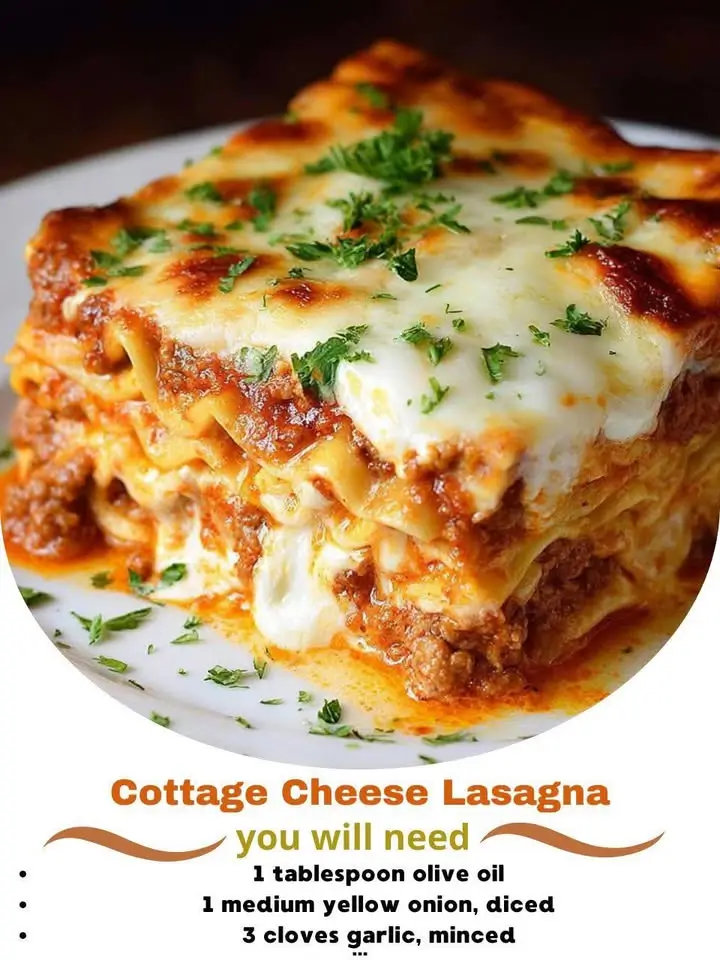
Cottage Cheese Lasagna: A Comforting, Creamy Twist on an Italian Classic
When it comes to hearty, satisfying comfort food, few dishes rival the universal appeal of lasagna. But what if you’re looking for a version that’s not only delicious but also packed with protein and lighter in texture? Enter cottage cheese lasagna—a creamy, flavorful alternative to traditional ricotta-based recipes that brings a delightful twist to your dinner table.
While classic lasagna often relies on ricotta cheese for its rich, dense filling, cottage cheese offers a slightly tangy, airy substitute that enhances both flavor and nutrition. Whether you’re cooking for a family dinner, prepping meals for the week, or seeking a healthier take on a beloved dish, cottage cheese lasagna is a versatile and rewarding option. In this comprehensive guide, we’ll dive deep into everything you need to know—from the history behind the dish to detailed preparation steps, nutritional insights, and creative variations—so you can master this comforting meal with confidence.
The History of Cottage Cheese Lasagna
Lasagna itself has ancient roots, dating back to Ancient Greece and Rome, where layered pasta dishes were enjoyed long before the modern versions emerged in Italy during the Middle Ages. The word “lasagna” originally referred to the pot in which the dish was cooked, derived from the Greek word “lasanon,” meaning chamber pot or cooking pot.
Traditional Italian lasagna, especially from the regions of Emilia-Romagna and Naples, typically features layers of flat pasta, ragù (meat sauce), béchamel, and Parmigiano-Reggiano. Over time, as Italian immigrants brought their culinary traditions to America, adaptations began to appear. Ricotta cheese became a staple filling in American-style lasagna, prized for its smooth texture and mild flavor.
Cottage cheese lasagna emerged as a variation largely in mid-20th century North America, particularly among health-conscious home cooks and those seeking lower-fat alternatives. Cottage cheese, already popular in American households for its high protein content and versatility, was found to blend beautifully into lasagna, offering a lighter yet still creamy consistency. Though initially seen as a diet-friendly substitute, cottage cheese lasagna has earned its own reputation for taste and texture, becoming a beloved recipe in its own right—not just a compromise, but a preferred choice.
Ingredients Breakdown: Why Each Component Matters
The beauty of cottage cheese lasagna lies in its balance of simplicity and depth. Let’s explore each ingredient and understand its role in building layers of flavor, texture, and nutrition:
- Cottage Cheese: The star of the show. Unlike ricotta, which is smooth and dense, cottage cheese has a slightly grainy texture and a subtly tangy flavor. When blended or mixed well, it becomes creamy and spreads easily between layers. It’s also significantly higher in protein and lower in fat than many cheeses, making it a nutritious centerpiece.
- Lasagna Noodles: You can use oven-ready (no-boil) noodles for convenience or traditional dried sheets that require pre-cooking. Whole wheat or gluten-free options are available for dietary needs. The noodles provide structure and absorb moisture from the sauces, softening into tender, chewy layers.
- Marinara or Pasta Sauce: A high-quality marinara forms the savory backbone of the dish. Look for one made with San Marzano tomatoes, garlic, onions, and fresh herbs like basil and oregano. Homemade sauce allows full control over ingredients and seasoning.
- Ground Meat (Optional): While some versions are vegetarian, many include ground beef, Italian sausage, turkey, or plant-based crumbles. Browning the meat adds richness and umami depth to the sauce.
- Eggs: Often mixed into the cottage cheese layer, eggs act as a binder, helping the filling hold together and preventing it from separating during baking.
- Garlic and Onions: Sautéed aromatics build a flavor foundation in both the meat sauce and sometimes the cheese mixture, enhancing overall complexity.
- Mozzarella Cheese: Freshly shredded mozzarella melts beautifully, creating gooey, golden-brown pockets throughout the lasagna. Avoid pre-shredded cheese, which contains anti-caking agents that hinder melting.
- Parmesan Cheese: Adds a salty, nutty punch. Grated fresh from a block, it elevates both the cheese layer and the final topping.
- Herbs and Spices: Basil, oregano, parsley, red pepper flakes, and black pepper contribute aromatic warmth and balance. Fresh herbs added at the end brighten the dish.
- Olive Oil: Used for sautéing and drizzling, it adds richness and helps prevent sticking.
Each ingredient plays a crucial role in achieving the perfect harmony of textures and flavors—creamy, cheesy, savory, and slightly acidic from the tomatoes.
Step-by-Step Recipe: How to Make Cottage Cheese Lasagna
This detailed recipe yields a rich, satisfying cottage cheese lasagna that serves 8–10 people. Plan for about 30 minutes of prep and 50–60 minutes of baking time.
Ingredients
- 12 no-boil lasagna noodles (or 1 lb dry lasagna noodles, cooked al dente)
- 2 cups low-fat or full-fat cottage cheese (2% or 4% recommended for best texture)
- 1 large egg
- 1/2 cup grated Parmesan cheese
- 1/4 cup chopped fresh parsley
- 1 tsp dried oregano
- 1/2 tsp garlic powder
- Salt and freshly ground black pepper to taste
- 2 tablespoons olive oil
- 1 medium onion, finely diced
- 3 cloves garlic, minced
- 1 lb ground beef or Italian sausage (or plant-based alternative)
- 1 (24 oz) jar marinara sauce (or 3 cups homemade)
- 1 (15 oz) can crushed tomatoes (optional, for extra sauciness)
- 2 cups shredded mozzarella cheese
- Additional Parmesan for topping
- Fresh basil leaves for garnish (optional)
Directions
- Preheat Oven: Set your oven to 375°F (190°C). Lightly grease a 9×13 inch baking dish with non-stick spray or olive oil.
- Prepare the Cottage Cheese Mixture: In a large bowl, combine the cottage cheese, egg, 1/2 cup Parmesan, parsley, oregano, garlic powder, salt, and pepper. Mix thoroughly until smooth and uniform. Set aside.
- Sauté Aromatics: In a large skillet over medium heat, add olive oil. Sauté the onion until translucent (about 5 minutes), then add garlic and cook for another minute until fragrant.
- Cook the Meat: Add the ground meat to the skillet. Break it apart with a spoon and cook until browned and no longer pink. Drain excess fat if needed.
- Build the Sauce: Stir in the marinara sauce and crushed tomatoes (if using). Simmer uncovered for 10–15 minutes to deepen flavors. Adjust seasoning with salt, pepper, and a pinch of red pepper flakes if desired.
- Assemble the Lasagna:
- Spread about 1/2 cup of meat sauce on the bottom of the baking dish to prevent sticking.
- Place a single layer of lasagna noodles over the sauce (3–4 noodles depending on size).
- Spread 1/3 of the cottage cheese mixture evenly over the noodles.
- Sprinkle with 1/3 of the mozzarella.
- Add 1/3 of the meat sauce on top.
- Repeat the layers two more times: noodles → cottage cheese → mozzarella → sauce.
- Finish with a final layer of noodles, remaining sauce, and a generous topping of mozzarella and extra Parmesan.
- Cover and Bake: Cover the dish tightly with aluminum foil (tent it slightly to avoid cheese sticking). Bake for 25 minutes.
- Uncover and Brown: Remove the foil and bake for another 20–25 minutes, until the top is bubbly, golden, and a knife inserts easily.
- Rest Before Serving: Let the lasagna rest for 15 minutes after baking. This allows the layers to set, making slicing cleaner and serving easier.
- Garnish and Serve: Sprinkle with fresh basil or parsley before serving.
Tips for Perfect Cottage Cheese Lasagna Every Time
- Blend the Cottage Cheese: For an ultra-smooth texture, pulse the cottage cheese in a blender or food processor before mixing with other ingredients. This eliminates any lumpiness and mimics ricotta’s creaminess.
- Use Full-Fat Cottage Cheese: While low-fat works, full-fat cottage cheese provides richer flavor and better mouthfeel, especially when baked.
- Don’t Skip the Egg: The egg helps bind the cheese layer, preventing it from weeping or separating during baking.
- Season Generously: Cottage cheese is mild, so don’t be shy with herbs, garlic, and salt. Taste the mixture before assembling and adjust accordingly.
- Layer Evenly: Use a spatula to spread each layer uniformly to ensure every bite is balanced.
- Let It Rest: Cutting into the lasagna too soon causes it to fall apart. Patience ensures clean slices.
- Bake Until Bubbling at Edges: The lasagna should bubble around the sides and register 165°F internally for food safety.
- Freeze for Later: Assemble the lasagna (unbaked), wrap tightly, and freeze for up to 3 months. Thaw overnight in the fridge before baking.
Variations and Customizations
Cottage cheese lasagna is incredibly adaptable. Here are some creative twists to suit different tastes and dietary needs:
- Vegetarian Lasagna: Omit the meat and add sautéed mushrooms, zucchini, spinach, bell peppers, and eggplant for a hearty veggie-packed version.
- Spinach and Cottage Cheese: Mix 10 oz of thawed, drained frozen spinach into the cottage cheese layer for added color, nutrients, and flavor.
- Three-Cheese Blend: Combine cottage cheese with ricotta and mascarpone for a luxuriously creamy filling.
- Gluten-Free: Use gluten-free lasagna noodles (ensure they’re oven-safe if using no-boil variety).
- Dairy-Free: Substitute cottage cheese with blended tofu or cashew ricotta, and use dairy-free mozzarella and Parmesan.
- Low-Carb/Keto: Replace noodles with thinly sliced zucchini or eggplant (known as “zoodles” or “eggplant lasagna”) and use a keto-friendly marinara.
- Spicy Kick: Add red pepper flakes, Calabrian chili paste, or diced jalapeños to the sauce or cheese mixture.
- White Sauce Lasagna: Swap tomato sauce for a creamy béchamel or Alfredo sauce, creating a rich, decadent white lasagna.
- Individual Portions: Layer in muffin tins or ramekins for cute, portion-controlled servings.
Health Considerations and Nutritional Value
Cottage cheese lasagna stands out not only for its taste but also for its impressive nutritional profile, especially when compared to traditional ricotta-heavy versions.
Nutritional Benefits
- High Protein: Cottage cheese is one of the highest-protein cheeses available. One cup contains about 25 grams of protein, helping support muscle repair, satiety, and metabolism.
- Lower in Fat: Especially when using low-fat or 2% cottage cheese, this dish can be significantly leaner than standard lasagna.
- Calcium-Rich: Essential for bone health, calcium is abundant in both cottage cheese and mozzarella.
- Probiotics: Some brands of cottage cheese contain live cultures, contributing to gut health.
- B-Vitamins: Particularly vitamin B12 and riboflavin, important for energy production and nervous system function.
Calorie Comparison (Per Serving, Approximate)
| Lasagna Type | Calories | Protein (g) | Fat (g) | Carbohydrates (g) |
|---|---|---|---|---|
| Traditional Ricotta Lasagna | 450–550 | 20–25 | 20–28 | 40–50 |
| Cottage Cheese Lasagna (light version) | 350–420 | 28–32 | 12–16 | 35–45 |
Note: Values vary based on ingredients, portion size, and additions like meat or vegetables.
Dietary Considerations
- Lactose Intolerance: Cottage cheese contains less lactose than milk, but some individuals may still react. Lactose-free versions are available.
- Sodium Content: Cottage cheese can be high in sodium. Opt for low-sodium varieties and reduce added salt in the sauce.
- Kidney Health: High protein intake may not be suitable for those with kidney disease; consult a healthcare provider if needed.
- Balanced Meal: Pair with a green salad and whole grain bread to round out the meal with fiber and micronutrients.
Frequently Asked Questions (FAQ)
Can I make cottage cheese lasagna ahead of time?
Yes! Assemble the lasagna up to 24 hours in advance and refrigerate. Add 10–15 minutes to baking time if starting cold. You can also freeze it for longer storage.
Why is my lasagna watery?
This can happen if the cottage cheese is too moist, the sauce is too thin, or the lasagna isn’t rested after baking. Try draining cottage cheese in a fine-mesh strainer for 15 minutes before use, and always let it rest before slicing.
Can I use frozen spinach in the cheese layer?
Absolutely. Just make sure to thaw and squeeze out all excess water using a clean towel or paper towels to prevent sogginess.
Is cottage cheese lasagna healthy?
Compared to traditional versions, yes—especially when using lean meat, whole grain noodles, and minimal added fat. It’s higher in protein and often lower in calories and saturated fat.
Can I substitute ricotta for cottage cheese?
You can, but the reverse substitution changes the nutritional and textural profile. Ricotta is richer and creamier, while cottage cheese is lighter and tangier.
How long does leftover lasagna last?
Store in an airtight container in the refrigerator for up to 5 days. Reheat in the oven or microwave until steaming hot (165°F).
Can I make this gluten-free?
Yes—use certified gluten-free lasagna noodles and verify all other ingredients (like sauce) are gluten-free.
What kind of cottage cheese is best?
Small-curd, full-fat cottage cheese blends more smoothly and tastes richer. Avoid whipped or flavored varieties.
Summary
Cottage cheese lasagna is a delicious, protein-rich evolution of a timeless favorite, combining creamy texture, bold flavors, and wholesome ingredients. It’s a flexible, family-friendly dish that satisfies comfort food cravings without compromising on nutrition.
Whether you stick to the classic recipe or experiment with veggies, spices, and dietary swaps, this lasagna promises a warm, fulfilling meal that earns a permanent spot in your culinary repertoire.