Introduction
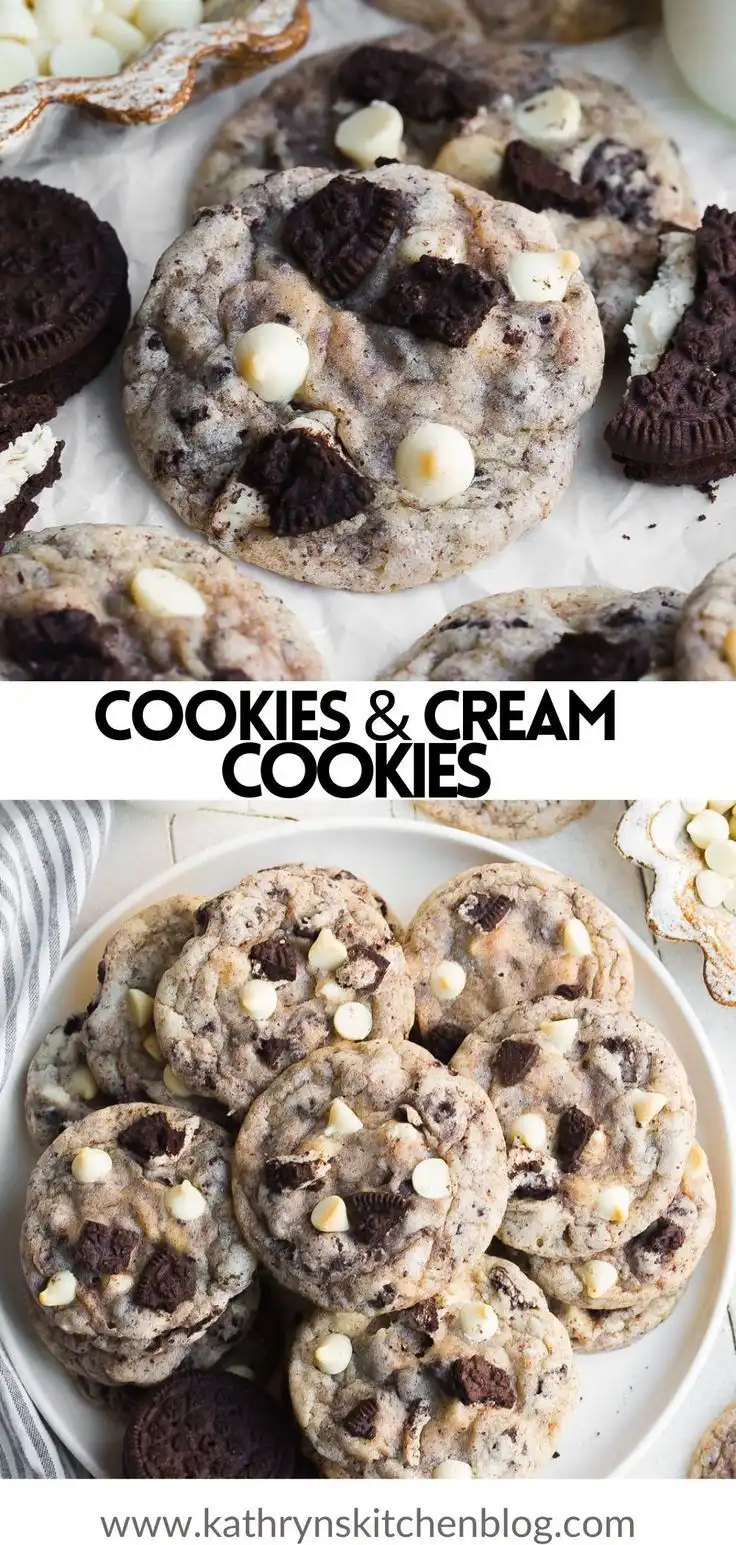
Cookies and Cream Cookies are the ultimate celebration of nostalgic indulgence—a buttery, chewy, or crisp cookie studded generously with crunchy Oreo® cookie pieces and rich dark, milk, or white chocolate chips. Born from the iconic ice cream flavor that took America by storm in the 1980s, this beloved baked good transforms that creamy-crunchy magic into a handheld, oven-baked delight. Whether you’re a lifelong fan of the classic black-and-white sandwich cookie or discovering the flavor for the first time, Cookies and Cream Cookies offer an irresistible balance of sweetness, texture, and childhood comfort—all wrapped in golden-brown perfection.
The History
The story of Cookies and Cream begins not in a bakery, but in an ice cream parlor. In 1979, dairy science students Joe LeVesque and Shirley Seas at South Dakota State University were experimenting with new frozen dessert formulations when they combined crumbled chocolate sandwich cookies with vanilla ice cream—creating what would become one of the most popular ice cream flavors in U.S. history. By 1983, Dreyer’s (now part of Frontera Brands) officially launched “Cookies ‘n Cream” nationally, cementing its place in pop culture. The flavor’s meteoric rise inspired countless spin-offs: milkshakes, cakes, doughnuts, cereal—and, inevitably, cookies. Early iterations appeared in home kitchens across the Midwest in the late ’80s and early ’90s, often as “Oreo-stuffed sugar cookies” or “cream-filled chocolate chip variants.” By the mid-2000s, food bloggers and baking influencers began standardizing recipes featuring browned butter, high-ratio creaming methods, and intentional textural layering—transforming Cookies and Cream Cookies from a novelty into a bona fide baking staple. Today, they’re featured in gourmet bakeries from Portland to Paris, reimagined with artisanal cookies, vegan Oreos, gluten-free alternatives, and even deconstructed versions with edible cookie “soil” and vanilla crème anglaise drizzle.
Ingredients Breakdown
Every exceptional Cookies and Cream Cookie starts with intentionality—not just measurements, but purpose. Below is a detailed, chef-level breakdown of each ingredient’s functional and sensory role:
- All-Purpose Flour (2 ¼ cups, spooned & leveled): Provides structure and gluten development. Spooning prevents compaction; leveling ensures precise hydration balance. For enhanced tenderness, substitute up to ¼ cup with cake flour.
- Baking Soda (1 tsp): A fast-acting leavener that encourages spread and lift while neutralizing acidity from brown sugar and cocoa in the Oreos—critical for browning and flavor clarity.
- Unsalted Butter (1 cup / 2 sticks, cold or slightly softened): Cold butter yields flakier, more layered edges; softened (65–68°F) butter creates uniform creaming and consistent spread. European-style butter (82–84% fat) adds unparalleled richness and caramel notes.
- Granulated Sugar (¾ cup): Adds sweetness, aids in spreading, and contributes to crispness and golden color via caramelization.
- Packed Light Brown Sugar (1 cup): Moisture-rich and molasses-infused, it delivers chewiness, deep caramel complexity, and acidity that activates baking soda.
- Pure Vanilla Extract (2 tsp): Use Madagascar bourbon vanilla for floral warmth—or upgrade to 1 tsp extract + ½ tsp vanilla bean paste for visible specks and intensified aroma.
- Large Eggs (2, room temperature): Emulsify fat and liquid, add structure via proteins, and contribute to lift and moisture retention. Cold eggs can cause batter to seize—always bring to room temp (20–30 min out of fridge).
- Fine Sea Salt (1 tsp): Enhances all other flavors, suppresses bitterness, and balances sweetness. Avoid iodized table salt—it imparts a metallic aftertaste.
- Oreo® Cookies (1 ½ cups finely crushed + ½ cup coarsely chopped): The soul of the cookie. Use original (not Double Stuf or Mint) for optimal contrast. Crush finely for integrated flavor and texture; chop coarsely for satisfying crunch bursts. For deeper flavor, toast crushed Oreos at 325°F for 5 minutes before folding in.
- High-Quality Chocolate Chips (1 cup): Semi-sweet (60–65% cacao) offers ideal balance. For luxury, use chopped Valrhona Guanaja or Callebaut 66% dark. Milk chocolate adds nostalgic sweetness; white chocolate lends creamy contrast—but reduce added salt by ¼ tsp if using sweetened white chips.
- Optional Flavor Enhancers: 1 tbsp instant espresso powder (deepens chocolate without bitterness), ¼ tsp almond extract (complements vanilla), or 1 tsp cornstarch (for ultra-chewy centers).
Step-by-Step Recipe
- Prep & Chill (30+ minutes): Line two large baking sheets with parchment paper. Measure and prep all ingredients. Place 1 ½ cups Oreos in a zip-top bag and crush finely with a rolling pin (or pulse 10x in a food processor). Separately, coarsely chop remaining ½ cup Oreos into ¼-inch shards. Chop chocolate if not using chips. Refrigerate crushed Oreos, chopped Oreos, and chocolate for 15 minutes to prevent premature melting during mixing.
- Cream Butter & Sugars (3–4 minutes): In a stand mixer fitted with paddle attachment, beat cold or softened butter, granulated sugar, and brown sugar on medium-high until pale, fluffy, and nearly doubled in volume. Scrape bowl thoroughly. Over-creaming causes greasiness; under-creaming leads to dense cookies. Ideal texture resembles wet sand with visible air pockets.
- Incorporate Wet Ingredients (1.5 minutes): Add eggs one at a time, beating fully after each (about 30 seconds). Add vanilla and mix until just combined. Batter will look glossy and slightly ribbony.
- Dry Ingredients & Folding (2 minutes): Whisk flour, baking soda, and salt in a separate bowl. On low speed, gradually add dry mixture in three additions, mixing only until no streaks remain (do not overmix—gluten development begins here). Remove bowl from mixer. Using a silicone spatula, gently fold in chilled crushed Oreos, chopped Oreos, and chocolate—just until evenly distributed. Batter will be thick, sticky, and shaggy.
- Chill Dough (Minimum 2 hours, ideally 24–72 hours): Cover bowl tightly and refrigerate. This step is non-negotiable: it solidifies butter (preventing overspread), hydrates flour (reducing grittiness), concentrates flavor, and deepens caramel notes. For best results, scoop dough into 2-tbsp portions *before* chilling—then freeze on a tray, then transfer to bags. Chilled dough scoops cleanly and bakes more evenly.
- Preheat & Portion (15 minutes before baking): Preheat oven to 350°F (177°C) with racks in upper and lower thirds. If using frozen dough balls, no need to thaw—bake straight from freezer (add 1–2 minutes). Scoop chilled dough (2 tbsp per cookie) onto prepared sheets, spacing 3 inches apart. Gently press 2–3 extra Oreo shards onto surface of each for visual appeal and crunch.
- Bake (11–14 minutes): Bake 1 sheet at a time for even heat circulation. Rotate pan halfway through. Cookies are done when edges are deeply golden and set, centers appear puffed and *just barely* losing their raw shine (they’ll continue cooking on the hot sheet). Underbaked = doughy center; overbaked = brittle edges. Remove from oven and let rest on sheet for 8 full minutes—this allows structure to set and prevents breakage.
- Cool & Store: Transfer cookies to wire racks to cool completely (≈30 minutes). Store airtight at room temperature for up to 5 days. For longer storage, freeze baked cookies (up to 3 months) or unbaked dough balls (up to 6 months)—bake frozen, adding 2–3 minutes.
Tips
- Weight > Volume: For foolproof consistency, weigh flour (120g/cup) and sugars. A 5g variance in flour can mean the difference between chewy and cakey.
- Butter Temperature Matters: Use a digital thermometer. 65°F = ideal softening. Too warm? Chill dough 10 minutes mid-mixing. Too cold? Grate frozen butter into flour before creaming.
- Crush Smart: Pulse Oreos with 1 tsp granulated sugar in food processor—sugar absorbs moisture and prevents gumminess. For ultra-fine crumbs, sift through a fine-mesh strainer.
- Prevent Chocolate Bloom: Chill chocolate before folding in. If using bars, chop into uneven pieces—some small, some large—for varied melt pools.
- Rotate & Position: Always bake on middle rack if using one sheet; alternate upper/lower if using two. Convection ovens? Reduce temp by 25°F and check 2 minutes early.
- Scoop Consistency: Use a #40 disher (1.5 tbsp) for uniform size and professional appearance. Dip scoop in hot water between portions for clean release.
- Rest is Non-Negotiable: Skipping the 8-minute post-bake rest guarantees cracked, fragile cookies. Set a timer—it’s transformative.
- Revive Stale Cookies: Place in a sealed container with a slice of fresh bread overnight—the cookies will absorb ambient moisture and soften beautifully.
Variations and Customizations
The Cookies and Cream canvas invites endless creativity—whether adapting to dietary needs, elevating flavor, or celebrating seasons:
- Vegan Version: Substitute butter with Miyoko’s Cultured Vegan Butter or refined coconut oil (solid at room temp); replace eggs with 2 tbsp flaxseed meal + 5 tbsp warm water (let sit 10 mins); use certified vegan Oreos (e.g., Nabisco’s U.S. vegan line) and dairy-free chocolate. Add 1 tsp apple cider vinegar to batter to mimic egg acidity.
- Gluten-Free: Use King Arthur Measure-for-Measure GF blend (contains xanthan gum). Add ¼ tsp additional xanthan gum if your blend doesn’t include it. Ensure Oreos are GF-certified (e.g., Kinnikinnick brand).
- Protein-Packed: Replace ¼ cup flour with unflavored whey or collagen peptides. Add 2 tbsp chia seeds (pre-soaked in 3 tbsp water) for binding and omega-3s.
- Decadent Gourmet: Infuse butter with 1 tsp orange zest + 1 star anise pod (melt, steep 10 mins, strain, chill). Fold in candied ginger bits and dark chocolate chunks. Finish with flaky Maldon sea salt.
- Seasonal Twists: Fall: Add 1 tsp pumpkin pie spice + 2 tbsp maple syrup (reduce brown sugar by 1 tbsp). Winter: Stir in crushed peppermint candies + white chocolate. Spring: Lemon-zest infused butter + dried raspberries + white chocolate. Summer: Swap Oreos for Golden Oreos + toasted coconut + milk chocolate.
- Stuffed Surprise: Flatten dough ball, place ½ tsp vanilla bean frosting or dulce de leche in center, seal, and roll. Or embed a whole mini Oreo for a “cookie core.”
- Mini & Bite-Sized: Use a #60 disher (1 tsp) and bake 7–9 minutes. Perfect for parties, lunchboxes, or portion control.
- Bar Style: Press dough into a parchment-lined 9×13” pan. Bake at 350°F for 22–26 minutes until edges pull away. Cool completely before cutting into squares—chewier, easier to scale.
Health Considerations and Nutritional Value
A single standard Cookies and Cream Cookie (approx. 38g, made with traditional ingredients) contains roughly:
- Calories: 185–210 kcal
- Total Fat: 10–12g (6–7g saturated)
- Carbohydrates: 22–25g (14–16g sugars)
- Protein: 2–3g
- Fiber: 0.5g (low unless fortified with oats or psyllium)
- Sodium: 120–150mg
Key Considerations:
- Added Sugars: Oreos and brown sugar contribute significantly. The American Heart Association recommends ≤25g added sugar/day for women, ≤36g for men—so 1–2 cookies fit within limits, but frequent consumption warrants mindful portioning.
- Saturated Fat: Primarily from butter and chocolate. While recent research nuances blanket warnings, moderation remains wise—especially for those managing cholesterol or cardiovascular health.
- Artificial Ingredients: Traditional Oreos contain artificial colors (Red 40, Yellow 5/6) and preservatives (BHT). Opt for “Simple Ingredients” Oreos (no artificial flavors/colors) or homemade chocolate wafers for cleaner labels.
- Nutrient Gaps: Low in fiber, vitamins, and minerals. Boost nutrition by adding ground flax, chia, or hemp seeds (+omega-3s), or swapping ¼ cup flour for oat flour (+soluble fiber).
- Allergen Alert: Contains wheat, dairy, soy (in chocolate and Oreos), eggs, and tree nuts (if using nut-based butter alternatives). Always verify labels for top-9 allergens.
- Blood Sugar Impact: High glycemic load due to refined carbs and sugars. Pair with protein (e.g., Greek yogurt dip) or serve post-workout to mitigate spikes.
- Mindful Indulgence: These cookies aren’t “health food”—and they shouldn’t be positioned as such. Their value lies in joy, tradition, and shared experience. Savor slowly, appreciate texture and flavor, and practice intuitive eating: honor hunger cues and stop when satisfied—not stuffed.
Ingredients
- 2 ¼ cups (270g) all-purpose flour, spooned & leveled
- 1 teaspoon baking soda
- 1 cup (227g / 2 sticks) unsalted butter, cold or softened to 65°F
- ¾ cup (150g) granulated sugar
- 1 cup (200g) packed light brown sugar
- 2 teaspoons pure vanilla extract
- 2 large eggs, room temperature
- 1 teaspoon fine sea salt
- 1 ½ cups (about 18–20) original Oreo cookies, finely crushed
- ½ cup (about 8–10) original Oreo cookies, coarsely chopped
- 1 cup (170g) semi-sweet chocolate chips or chopped chocolate (60–65% cacao)
Directions
- Line two large baking sheets with parchment paper. In a resealable bag or food processor, crush 1 ½ cups Oreos into fine crumbs. In a separate bowl, coarsely chop remaining ½ cup Oreos. Chop chocolate if needed. Refrigerate all mix-ins for 15 minutes.
- In the bowl of a stand mixer fitted with paddle attachment, beat butter, granulated sugar, and brown sugar on medium-high speed for 3–4 minutes until light, fluffy, and pale. Scrape bowl thoroughly.
- Add eggs one at a time, beating for 30 seconds after each addition. Add vanilla and mix until just combined.
- In a separate bowl, whisk together flour, baking soda, and salt. With mixer on low, gradually add dry ingredients in three parts, mixing only until no flour streaks remain.
- Remove bowl from mixer. Using a silicone spatula, gently fold in chilled crushed Oreos, chopped Oreos, and chocolate until evenly distributed.
- Cover dough tightly and refrigerate for at least 2 hours—or up to 72 hours for optimal flavor and texture.
- When ready to bake, preheat oven to 350°F (177°C). Scoop 2-tablespoon portions of dough onto prepared sheets, spacing 3 inches apart. Press 2–3 extra Oreo shards onto each cookie.
- Bake one sheet at a time for 11–14 minutes, rotating halfway, until edges are deeply golden and centers appear puffed and just-set.
- Let cookies cool on baking sheets for 8 minutes, then transfer to wire racks to cool completely.
FAQ
- Can I use Double Stuf Oreos?
- Yes—but expect softer texture and higher moisture content, which may cause slight spreading or greasiness. Reduce total Oreo amount by 2 tablespoons and add 1 tsp cornstarch to dry ingredients to compensate.
- Why did my cookies spread too much?
- Most common causes: butter too warm, insufficient chilling time, expired baking soda, or measuring flour by scooping (which adds up to 25% extra). Always spoon flour into measuring cup and level with a knife.
- Can I make these ahead for a party?
- Absolutely! Baked cookies stay fresh in an airtight container for 5 days. Unbaked dough balls freeze beautifully for up to 6 months—bake straight from frozen, adding 2–3 minutes.
- What’s the best way to crush Oreos without a food processor?
- Place cookies in a heavy-duty zip-top bag. Use a meat mallet, rolling pin, or bottom of a skillet. For fine crumbs, roll firmly back-and-forth; for chunky, tap aggressively in corners.
- Can I substitute oil for butter?
- Not recommended—butter provides critical flavor, aeration, and structure. For dairy-free, use high-fat vegan butter—not oil or margarine.
- My cookies turned out cakey—what went wrong?
- Likely causes: overmixing after adding flour, using cake flour exclusively (too little protein), adding too much baking soda, or baking at too low a temperature. Stick to AP flour and precise timing.
- How do I get that perfect crinkled top?
- Chill dough thoroughly, use cold eggs, and avoid over-flouring your work surface when scooping. A slight underbake (removing when centers still look soft) also encourages crinkling as they cool.
- Are there any store-bought Oreos that are gluten-free or vegan?
- Yes—Nabisco launched certified vegan Oreos in the U.S. in 2022 (check packaging for “vegan” label). For gluten-free, brands like Kinnikinnick and Glutino make excellent certified GF chocolate sandwich cookies—always verify cross-contamination statements.
- Can I add nuts?
- Absolutely! Toasted walnuts or pecans pair beautifully. Fold in ½ cup finely chopped, toasted nuts with the Oreos and chocolate. Reduce Oreo amount by 2 tbsp to maintain balance.
- Why does the recipe call for both granulated and brown sugar?
- Granulated sugar promotes spread and crispness; brown sugar adds moisture, chew, and complex molasses notes. Together, they create the ideal textural harmony—neither too hard nor too soft.
Summary
Cookies and Cream Cookies are a masterclass in joyful contrast—crisp edges yielding to tender, chewy centers, punctuated by the unmistakable crunch of real Oreo cookies and melty pools of premium chocolate. They honor decades of dessert nostalgia while inviting infinite customization, from vegan adaptations to seasonal riffs, all grounded in precise technique and thoughtful ingredient selection.
Beyond the bake, they represent comfort made tangible: a reminder that the simplest pleasures—crumbling a cookie into batter, watching chocolate bloom in the oven, sharing the first warm bite—remain among life’s most resonant, universally cherished rituals.