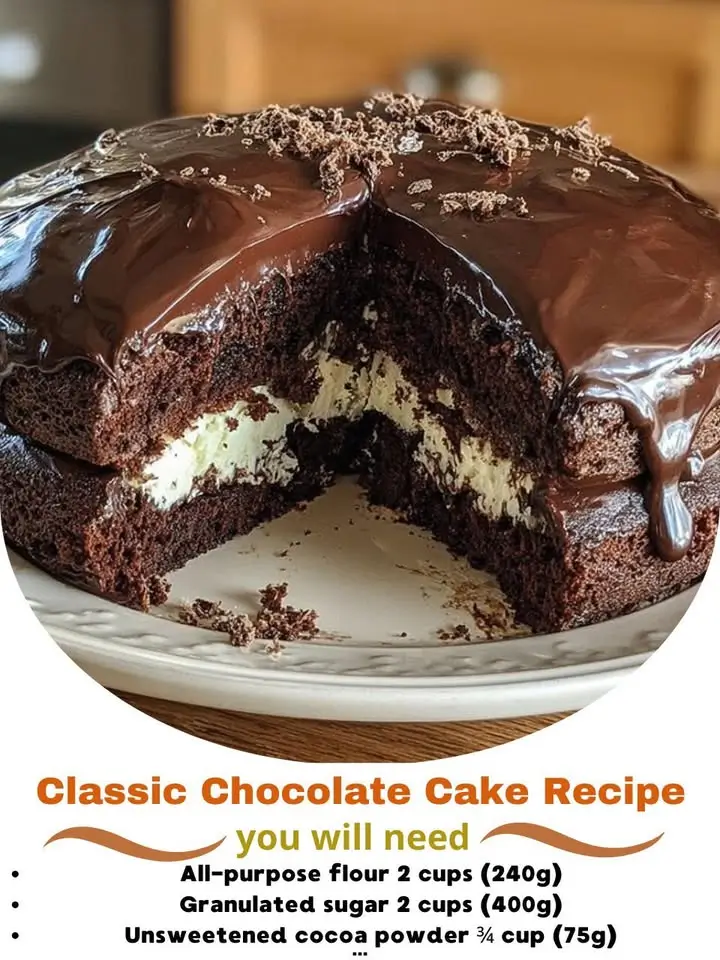
Classic Chocolate Cake Recipe: A Timeless Dessert Delight
The History of the Classic Chocolate Cake
The history of the classic chocolate cake is as rich and indulgent as the dessert itself. While chocolate has been enjoyed for centuries, dating back to the ancient Mayans and Aztecs who consumed it in beverage form, the concept of a chocolate cake as we know it today didn’t emerge until much later. The transformation began in the 18th century when Europeans started adding sugar to chocolate, making it more palatable for wider consumption.
By the 19th century, advancements in chocolate processing—particularly the invention of cocoa powder by Coenraad van Houten in 1828—made it easier to incorporate chocolate into baked goods. This innovation led to the development of recipes that used cocoa rather than solid chocolate, which was expensive and difficult to work with. The first known chocolate cake recipe appeared in American cookbooks around the late 1800s, but it wasn’t until the early 20th century that chocolate cakes became widely popular.
The rise of mass-produced cocoa powders and baking chocolates in the early 1900s, such as Hershey’s, helped standardize recipes and make chocolate cake accessible to home bakers. By the mid-20th century, the chocolate layer cake topped with fluffy chocolate buttercream had become an iconic symbol of celebration across the United States and beyond. Today, the classic chocolate cake remains one of the most beloved desserts worldwide—a staple at birthdays, weddings, holidays, and everyday indulgences.
Ingredients Breakdown: What Makes This Cake So Special?
The magic of a truly exceptional classic chocolate cake lies not just in its flavor but in the careful selection and balance of ingredients. Each component plays a crucial role in creating the perfect texture, moisture, and deep chocolate taste that defines this timeless dessert.
- All-Purpose Flour: Provides the structural foundation of the cake. It contains gluten-forming proteins that give the cake its shape and stability while still remaining tender.
- Granulated Sugar: Adds sweetness and helps retain moisture. It also contributes to browning during baking, enhancing both color and flavor.
- Cocoa Powder: The heart and soul of any chocolate cake. We recommend using high-quality unsweetened cocoa powder (preferably Dutch-processed for a deeper, smoother flavor) to achieve that intense chocolate taste without added sugars or fats.
- Baking Soda & Baking Powder: These leavening agents work together to help the cake rise evenly. Baking soda reacts with acidic ingredients (like buttermilk or vinegar), while baking powder provides additional lift through a two-stage reaction during mixing and baking.
- Salt: A small amount enhances all the other flavors, balancing sweetness and bringing out the richness of the chocolate.
- Eggs: Act as binders, provide structure, and contribute to the cake’s moist crumb. Room temperature eggs blend more smoothly into the batter.
- Vegetable Oil: Unlike butter, oil keeps the cake incredibly moist because it remains liquid at room temperature. It also helps carry the chocolate flavor throughout the cake.
- Vanilla Extract: Adds depth and complexity to the overall flavor profile, rounding out the bitterness of the cocoa.
- Buttermilk: This slightly tangy ingredient adds tenderness and activates the baking soda for better rise. Its acidity also enhances the perception of chocolate flavor.
- Hot Water or Coffee: Often overlooked, hot liquid is essential for “blooming” the cocoa powder, intensifying its flavor and ensuring a smooth, lump-free batter. Using brewed coffee (even decaf) deepens the chocolate notes without making the cake taste like coffee.
For the frosting, we use a traditional chocolate buttercream made from:
- Unsalted Butter: Creamed to perfection for a light and airy texture.
- Powdered Sugar: Gives sweetness and body to the frosting.
- Cocoa Powder: Reinforces the chocolate flavor.
- Milk or Heavy Cream: Adjusts consistency for smooth spreading.
- Vanilla Extract & Salt: For flavor enhancement.
Step-by-Step Recipe: How to Bake the Perfect Classic Chocolate Cake
Follow these detailed steps to create a moist, decadent, and perfectly balanced chocolate cake that will impress family and friends alike.
Ingredients
For the Cake:
- 2 cups (250g) all-purpose flour
- 2 cups (400g) granulated sugar
- ¾ cup (75g) unsweetened cocoa powder (Dutch-process preferred)
- 2 tsp baking soda
- 1 tsp baking powder
- 1 tsp salt
- 2 large eggs, room temperature
- 1 cup (240ml) buttermilk, room temperature
- ½ cup (120ml) vegetable oil (or canola oil)
- 2 tsp pure vanilla extract
- 1 cup (240ml) hot water or freshly brewed hot coffee
For the Chocolate Buttercream Frosting:
- 1 cup (230g) unsalted butter, softened
- 3 ½ cups (420g) powdered sugar, sifted
- ½ cup (50g) unsweetened cocoa powder, sifted
- ¼ tsp salt
- 2 tsp pure vanilla extract
- ¼ to ½ cup (60–120ml) heavy cream or milk
- Optional: 2 oz melted and cooled semisweet chocolate for extra richness
Directions
- Preheat Oven & Prepare Pans: Preheat your oven to 350°F (175°C). Grease and flour two 9-inch round cake pans, line the bottoms with parchment paper, then grease the parchment for foolproof release.
- Mix Dry Ingredients: In a large mixing bowl, whisk together the flour, sugar, cocoa powder, baking soda, baking powder, and salt until no lumps remain and the mixture is uniform in color.
- Add Wet Ingredients: Add the eggs, buttermilk, oil, and vanilla extract to the dry ingredients. Beat with an electric mixer on medium speed for about 2 minutes until well combined and smooth. Scrape down the sides of the bowl as needed.
- Incorporate Hot Liquid: Carefully stir in the hot water or coffee. The batter will be thin—this is normal! The heat helps bloom the cocoa, enhancing its flavor and giving the cake a moist texture.
- Pour & Bake: Divide the batter evenly between the prepared pans. Smooth the tops with a spatula. Bake for 30–35 minutes, or until a toothpick inserted into the center comes out clean or with a few moist crumbs.
- Cool Completely: Let the cakes cool in their pans for 10 minutes, then run a knife around the edges and invert them onto wire racks. Remove the parchment paper and allow them to cool completely before frosting—about 1–2 hours.
- Make the Frosting: In a large bowl, beat the softened butter with an electric mixer on medium-high speed until creamy (about 2 minutes). Gradually add the sifted powdered sugar and cocoa powder, mixing on low at first to avoid clouds of dust. Once incorporated, increase speed and beat for 3 minutes until fluffy.
- Adjust Consistency: Add vanilla, salt, and ¼ cup of cream. Beat for another 2–3 minutes. If the frosting is too thick, add more cream, one tablespoon at a time. For extra richness, mix in melted and cooled chocolate.
- Assemble the Cake: Place one cake layer on a serving plate or cake stand. Spread a generous layer of frosting over the top. Place the second layer on top and apply a thin coat of frosting over the entire cake (a “crumb coat”). Refrigerate for 15–20 minutes to set. Then, apply a final, thicker layer of frosting, smoothing the sides and top with a bench scraper or offset spatula.
- Decorate & Serve: Optional garnishes include chocolate shavings, sprinkles, fresh berries, or a dusting of cocoa powder. Slice and serve at room temperature for best texture.
Tips for Baking the Best Classic Chocolate Cake
- Use Room Temperature Ingredients: Cold eggs or buttermilk can cause the batter to curdle or result in uneven rising. Take them out of the fridge 30–60 minutes before baking.
- Sift Dry Ingredients: Sifting the flour and cocoa powder prevents lumps and aerates the mixture for a lighter cake.
- Don’t Overmix: Once you add the dry ingredients, mix only until combined. Overmixing develops gluten, leading to a dense or tough cake.
- Measure Flour Correctly: Spoon flour into your measuring cup and level it off with a knife. Avoid scooping directly from the bag, which compacts the flour and leads to dry cakes.
- Bloom the Cocoa: Always mix cocoa powder with hot liquid first (in this case, it’s part of the batter process) to unlock its full flavor potential.
- Avoid Overbaking: Check the cake a few minutes before the minimum bake time. Overbaked cakes dry out quickly. The toothpick should come out with a few damp crumbs—not wet batter, but not completely clean either.
- Cool Completely Before Frosting: Warm layers will melt the frosting and create a messy, unstable cake.
- Chill Before Serving (Optional): For cleaner slices, chill the frosted cake for 20–30 minutes before cutting.
Variations and Customizations
The beauty of the classic chocolate cake is how easily it adapts to different tastes and occasions. Here are some creative twists you can try:
- Gluten-Free Version: Substitute the all-purpose flour with a 1:1 gluten-free baking blend. Make sure it contains xanthan gum or add ½ tsp separately.
- Dairy-Free Option: Replace buttermilk with a mix of 1 cup almond milk + 1 tbsp lemon juice or vinegar (let sit 5 minutes). Use dairy-free margarine or coconut oil in place of butter in the frosting.
- Vegan Chocolate Cake: Use flax eggs (2 tbsp ground flaxseed + 5 tbsp water per egg), plant-based milk with acid, and vegan butter. Ensure sugar and chocolate are certified vegan.
- Chocolate Filling Ideas: Add a layer of chocolate ganache, raspberry jam, peanut butter, or cookie butter between the layers for extra indulgence.
- Flavor Infusions: Add 1 tsp instant espresso powder to the dry ingredients to enhance chocolate flavor. Or infuse the buttermilk with orange zest for a chocolate-orange twist.
- Mocha Variation: Replace the hot water with strong brewed coffee and add 1–2 tbsp of coffee liqueur (like Kahlúa) to the batter or frosting.
- Mini Cakes or Cupcakes: Pour the batter into lined muffin tins and bake for 18–22 minutes. Makes approximately 24 cupcakes.
- Sheet Cake or Bundt Cake: Bake in a 9×13-inch pan for 35–40 minutes or a Bundt pan for 40–45 minutes. Adjust cooling and frosting accordingly.
- Decorative Touches: Pipe rosettes, swirls, or borders with a star tip. Top with gold leaf, edible flowers, or crushed cookies for special events.
Health Considerations and Nutritional Value
While the classic chocolate cake is undeniably delicious, it’s important to enjoy it in moderation due to its high sugar and fat content. Here’s a general nutritional breakdown per serving (assuming 12 servings):
| Nutrient | Amount Per Serving |
|---|---|
| Calories | ~380–420 kcal |
| Total Fat | 18–22g |
| Saturated Fat | 8–10g |
| Cholesterol | 50–60mg |
| Sodium | 300–400mg |
| Total Carbohydrates | 58–65g |
| Dietary Fiber | 2–3g |
| Sugars | 40–45g |
| Protein | 5–6g |
Health Notes:
- This cake is high in refined carbohydrates and added sugars, which may affect blood sugar levels. Diabetics should consume it sparingly or consider sugar substitutes.
- You can reduce sugar by ¼ cup in the cake and frosting with minimal impact on texture, especially if using naturally sweet accompaniments like berries.
- Dark cocoa powder contains antioxidants like flavonoids, which have been linked to cardiovascular benefits—though these are offset by high sugar and fat in the finished product.
- For a healthier version, consider substituting some flour with oat or almond flour, reducing oil with applesauce (up to half), and using natural sweeteners like coconut sugar or monk fruit blends (results may vary).
Frequently Asked Questions (FAQ)
Can I make this cake ahead of time?
Yes! You can bake the cake layers up to 2 days in advance. Wrap them tightly in plastic wrap and store at room temperature, or freeze for up to 3 months. Frost the day of serving for best appearance.
How do I store leftover chocolate cake?
Store frosted cake covered at room temperature for up to 2 days or in the refrigerator for up to 5 days. Bring to room temperature before serving for optimal texture.
Why did my cake sink in the middle?
Possible causes include underbaking, opening the oven door too early, too much leavening agent, or inaccurate ingredient measurements. Always measure carefully and avoid disturbing the cake during baking.
Can I use natural cocoa instead of Dutch-process?
Yes, but note that natural cocoa is more acidic. Since this recipe uses baking soda (which needs acid to activate), it will still work. However, Dutch-process yields a richer flavor and darker color.
How do I get smooth, professional-looking frosting?
Use a crumb coat, chill briefly, then apply the final layer. A bench scraper or offset spatula dipped in warm water (and dried) helps create smooth sides.
Can I bake this in a single pan?
You can make a sheet cake in a 9×13-inch pan (bake 35–40 minutes) or a tall layer in a springform pan, though even baking may be harder to achieve.
Is this recipe safe for kids?
Absolutely! Kids love this cake. Just be mindful of portion sizes due to sugar content. It’s perfect for birthday parties and school events.
Summary
The classic chocolate cake is a timeless dessert that combines rich cocoa flavor, moist texture, and luscious frosting into one unforgettable treat. Whether for celebrations or simple pleasures, this easy-to-follow recipe delivers bakery-quality results at home.