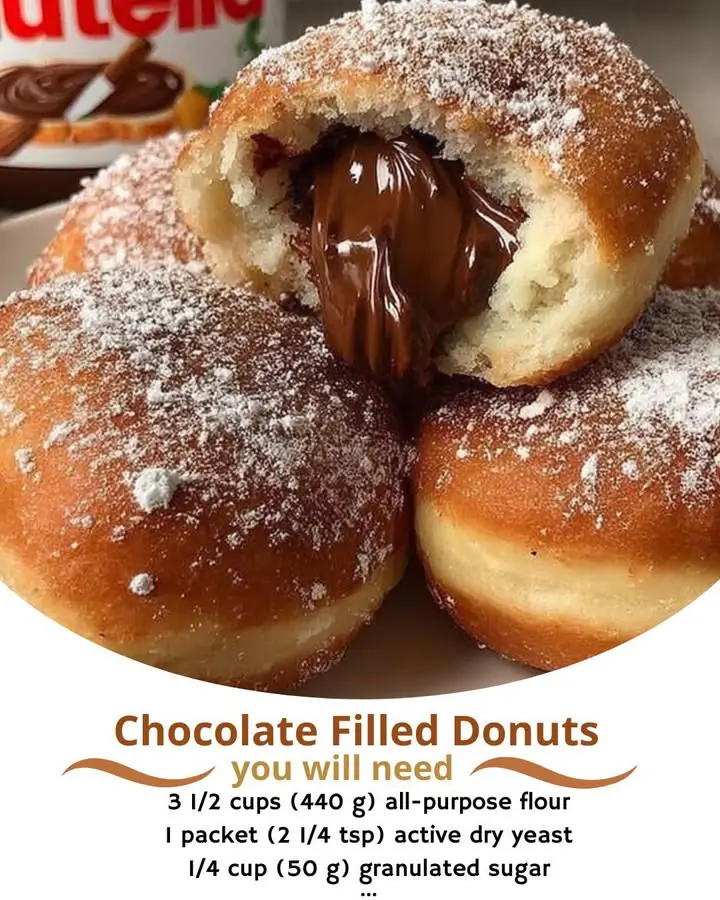
Chocolate Filled Donuts: A Decadent Delight for Every Sweet Tooth
There’s something undeniably magical about biting into a warm, pillowy donut with a rich burst of chocolate oozing from the center. Chocolate filled donuts are more than just a treat—they’re an experience. Whether you’re enjoying them fresh from a local bakery or crafting them at home, these indulgent pastries combine fluffy dough, creamy chocolate filling, and a glossy finish that makes every bite unforgettable. In this comprehensive guide, we’ll dive deep into the history, ingredients, techniques, and nuances of making perfect chocolate filled donuts right in your kitchen.
The History of Chocolate Filled Donuts
The origins of the donut trace back centuries, with variations appearing across cultures long before the modern version we know today. Ancient Romans enjoyed fried dough treats called “lubia,” while Dutch settlers brought “olykoeks” (oily cakes) to America in the 17th century. These early versions were simple balls of fried dough, often filled with fruit or nuts.
The evolution of the filled donut began in earnest in the early 20th century. Polish immigrants introduced the concept of “pączki,” rich yeast-raised donuts traditionally filled with rose-petal jam. As American bakeries adopted and adapted European recipes, the idea of injecting donuts with custard, jelly, or chocolate gained popularity.
By the mid-20th century, chains like Krispy Kreme and Dunkin’ Donuts helped popularize filled varieties, including the now-classic chocolate filled donut. The combination of tender, yeast-leavened dough and a luscious chocolate center became a staple in American dessert culture. Today, gourmet bakeries and home cooks alike continue to elevate this beloved treat with artisanal fillings, exotic cocoa blends, and creative toppings.
Ingredients Breakdown: What Makes the Perfect Chocolate Filled Donut?
Creating exceptional chocolate filled donuts starts with understanding each ingredient’s role. Below is a detailed breakdown of the components used in both the donut dough and the chocolate filling.
For the Donut Dough:
- All-Purpose Flour – Provides structure and gluten development. Bread flour can be substituted for a chewier texture, but all-purpose yields a softer crumb.
- Granulated Sugar – Feeds the yeast, enhances browning, and adds sweetness.
- Instant Yeast – Leavens the dough quickly without needing activation. Active dry yeast can be used instead, but it should be proofed first in warm liquid.
- Warm Milk (or Buttermilk) – Activates the yeast and contributes tenderness. Buttermilk adds a slight tang and improves moisture retention.
- Eggs – Add richness, color, and help bind the dough.
- Butter (Unsalted) – Adds flavor and softness. Melted and cooled butter integrates smoothly into the dough.
- Salt – Balances sweetness and strengthens gluten structure.
- Vanilla Extract – Enhances overall flavor complexity.
For the Chocolate Filling:
- High-Quality Dark Chocolate (60–70% cacao) – Provides depth and a smooth melt. Avoid chocolate chips, which contain stabilizers.
- Heavy Cream – Creates a silky ganache when heated and combined with chocolate.
- Butter (Optional) – Adds shine and richness to the filling.
- Corn Syrup (Optional) – Prevents sugar crystallization and gives a smoother texture.
- Espresso Powder (Pinch) – Enhances chocolate flavor without adding coffee taste.
For Frying and Finishing:
- Vegetable Oil, Canola Oil, or Peanut Oil – High smoke point oils ideal for frying. Maintain temperature between 350°F–375°F (175°C–190°C).
- Powdered Sugar, Glaze, or Chocolate Coating – For finishing. A classic glaze uses powdered sugar, milk, and vanilla; a chocolate dip uses tempered chocolate or melted chocolate with coconut oil.
Step-by-Step Recipe: How to Make Chocolate Filled Donuts at Home
Follow this detailed method to create professional-quality chocolate filled donuts entirely from scratch.
Ingredients (Makes 12–14 donuts)
Donut Dough:
- 4 cups (500g) all-purpose flour, plus extra for dusting
- 1/3 cup (65g) granulated sugar
- 2 1/4 teaspoons (7g) instant yeast (1 packet)
- 1/2 teaspoon salt
- 1 cup (240ml) warm whole milk (110°F / 43°C)
- 2 large eggs, room temperature
- 1/4 cup (60g) unsalted butter, melted and cooled
- 1 teaspoon vanilla extract
Chocolate Filling:
- 8 oz (225g) high-quality dark chocolate, finely chopped
- 1/2 cup (120ml) heavy cream
- 1 tablespoon unsalted butter (optional)
- 1/2 teaspoon vanilla extract
- Pinch of espresso powder (optional)
Frying & Finishing:
- 4–6 cups vegetable or canola oil, for frying
- 1 cup (120g) powdered sugar
- 2–3 tablespoons milk or cream
- 1 teaspoon vanilla extract (optional)
Directions
- Prepare the Dough: In the bowl of a stand mixer fitted with a dough hook, combine flour, sugar, yeast, and salt. Mix briefly on low speed.
- Add Wet Ingredients: In another bowl, whisk together warm milk, eggs, melted butter, and vanilla. Gradually pour into the dry ingredients while mixing on low speed. Increase to medium and knead for 5–7 minutes until smooth, elastic, and slightly sticky.
- First Rise: Shape the dough into a ball and place in a lightly greased bowl. Cover with a damp cloth or plastic wrap and let rise in a warm place for 1–1.5 hours, or until doubled in size.
- Roll and Cut: Punch down the risen dough and turn it out onto a floured surface. Roll to 1/2-inch (1.25 cm) thickness. Use a round 3-inch donut cutter (or a glass and small bottle cap) to cut out donuts and holes. Place them on parchment-lined baking sheets, cover loosely, and let rise for 30–45 minutes until puffy.
- Make the Chocolate Filling: While the donuts rise, heat cream in a saucepan until steaming (do not boil). Pour over chopped chocolate in a heatproof bowl. Let sit for 2–3 minutes, then stir until smooth. Stir in butter, vanilla, and espresso powder if using. Cool completely, then chill for 20–30 minutes until thick but still pipeable.
- Heat the Oil: In a heavy-bottomed pot or deep fryer, heat oil to 350°F (175°C). Use a candy thermometer for accuracy.
- Fry the Donuts: Carefully add 2–3 donuts at a time, avoiding crowding. Fry for 1–2 minutes per side until golden brown. Remove with a slotted spoon and drain on a wire rack over paper towels. Repeat with remaining donuts.
- Fill with Chocolate: Fit a piping bag with a Bismarck tip (long, narrow nozzle). Insert the tip into the side of each cooled donut and gently squeeze in 1–2 tablespoons of chocolate filling until you feel resistance.
- Glaze or Coat: Whisk powdered sugar, milk, and vanilla to make a smooth glaze. Dip the tops of filled donuts into the glaze and let set. Alternatively, dip in melted chocolate mixed with 1/2 teaspoon coconut oil for a shiny shell.
- Serve: Enjoy immediately for the best texture. Store leftovers in an airtight container for up to 2 days (though they’re best within 12 hours).
Tips for Success
- Yeast Temperature Matters: Ensure milk is warm but not hot (110°F max) to avoid killing the yeast.
- Don’t Skip the Second Rise: This ensures light, airy donuts. Under-proofed donuts will be dense.
- Oil Temperature Control: Too hot = burnt outside, raw inside. Too cool = greasy, soggy donuts. Adjust heat as needed between batches.
- Chill the Filling: If ganache is too runny, it will leak. It should hold its shape slightly but still flow through a piping bag.
- Use a Deep-Fry Thermometer: Essential for maintaining consistent oil temperature.
- Filling Technique: Insert the piping tip at a shallow angle and stop before reaching the center to avoid bursting.
- Avoid Over-Glazing: Too much glaze can slide off. Let one layer set before re-dipping.
Variations and Customizations
Once you’ve mastered the classic recipe, experiment with exciting twists:
- Flavored Fillings: Add orange zest, peppermint extract, hazelnut paste, or raspberry liqueur to the chocolate ganache.
- Different Doughs: Try a cake donut version using baking powder instead of yeast for a denser, quicker alternative.
- Stuffed Variations: Combine chocolate filling with a core of peanut butter, caramel, or marshmallow fluff.
- Gluten-Free Option: Substitute with a 1:1 gluten-free flour blend and add 1/2 teaspoon xanthan gum.
- Vegan Version: Use almond milk, flax eggs (1 tbsp ground flax + 3 tbsp water per egg), vegan butter, and dairy-free chocolate. Proof yeast carefully as plant-based milks vary.
- Coatings Galore: Roll in crushed cookies, sprinkles, shredded coconut, or cinnamon sugar instead of glaze.
- Mini Donut Holes: Pipe filling into baked or fried donut holes using a syringe or small piping tip.
- Seasonal Themes: Add pumpkin spice to the dough in fall, peppermint in winter, or edible flowers in spring.
Health Considerations and Nutritional Value
While chocolate filled donuts are undeniably indulgent, being mindful of ingredients can help balance enjoyment with nutrition.
Nutritional Profile (Per Donut, Approximate):
- Calories: 320–400
- Fat: 18–22g (mostly from butter, oil, and chocolate)
- Saturated Fat: 10–12g
- Carbohydrates: 35–40g
- Sugars: 20–25g
- Protein: 5–6g
- Cholesterol: ~40mg
- Sodium: 150–200mg
Health Tips:
- Moderation is Key: Treats like these are best enjoyed occasionally as part of a balanced diet.
- Choose Quality Chocolate: Dark chocolate with higher cocoa content offers antioxidants and less sugar.
- Baking Alternative: Bake donuts at 375°F (190°C) for 10–12 minutes to reduce fat content, though texture will differ.
- Reduce Sugar: Cut sugar in the dough by 1–2 tablespoons or use a sugar substitute like monk fruit blend (though results may vary with yeast activity).
- Portion Control: Make mini donuts to satisfy cravings with fewer calories per piece.
- Pair Wisely: Enjoy with a protein-rich beverage like Greek yogurt or a hard-boiled egg to balance blood sugar spikes.
Frequently Asked Questions (FAQ)
Q: Can I bake chocolate filled donuts instead of frying?
A: Yes, but the texture will be more like a muffin than a traditional donut. Bake at 375°F for 10–12 minutes. Note: baked donuts may not hold fillings as well due to denser crumb.
Q: Why did my donuts come out greasy?
A: Likely due to oil that was too cool. Maintain 350°F–375°F throughout frying. Cold donuts added to oil can also drop the temperature—let them warm slightly before frying.
Q: Can I make the dough ahead of time?
A: Yes! After the first rise, refrigerate the dough overnight. Let it come to room temperature and complete the second rise before cutting and frying.
Q: How do I store leftover filled donuts?
A: Store in an airtight container at room temperature for up to 2 days. Avoid refrigeration, which can dry them out. Freeze unfilled donuts for up to 3 months; thaw and fill before serving.
Q: Can I use milk chocolate for the filling?
A: Yes, but it’s sweeter and softer. For a firmer filling, mix milk chocolate with a bit of dark chocolate or add 1/2 teaspoon cornstarch after melting.
Q: What can I use if I don’t have a donut cutter?
A: Use a wide glass (about 3 inches) for the outer circle and a bottle cap or piping tip for the center hole.
Q: Why didn’t my dough rise?
A: Possible causes: expired yeast, liquid too hot/cold, lack of warmth during proofing, or too much salt. Always test yeast if unsure.
Q: Can I air-fry these donuts?
A: Air frying works for pre-made or frozen donuts, but not recommended for homemade yeast donuts—they won’t achieve the same rise or texture.
Summary
Chocolate filled donuts are a heavenly fusion of soft, yeasted dough and rich, velvety chocolate ganache—best enjoyed fresh and warm. With careful attention to technique, quality ingredients, and a little patience, you can recreate bakery-level perfection in your own kitchen.