Introduction
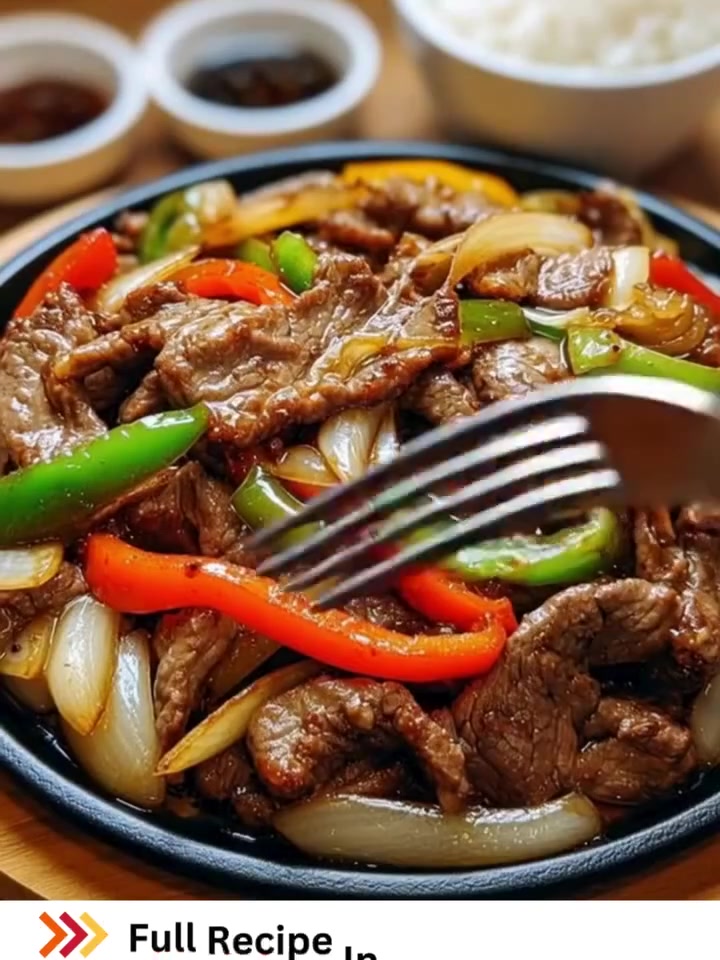
Chinese Pepper Steak is a beloved staple of American-Chinese cuisine — a vibrant, savory-sweet stir-fry that balances tender strips of beef with crisp bell peppers and onions in a glossy, aromatic sauce. Though not traditionally found in regional Chinese cooking, this dish exemplifies the creative fusion born from Chinese immigrant culinary adaptation in the United States during the early-to-mid 20th century. Its widespread popularity in takeout restaurants, home kitchens, and meal-prep routines stems from its bold flavor profile, impressive visual appeal (with colorful red, green, and yellow peppers), and remarkable versatility. Whether served over steamed jasmine rice, brown rice, cauliflower rice, or even noodles, Chinese Pepper Steak delivers restaurant-quality satisfaction with minimal equipment and time — making it an enduring favorite for weeknight dinners, potlucks, date-night meals, and beginner-friendly cooking projects.
The History
The origins of Chinese Pepper Steak trace back to the evolution of American-Chinese cuisine, a distinct culinary tradition shaped by resourcefulness, cultural exchange, and ingredient availability. In the late 19th and early 20th centuries, Chinese immigrants — many from Guangdong province — opened small restaurants across the U.S., adapting traditional techniques and flavors to suit local palates and accessible ingredients. While authentic Sichuan or Cantonese stir-fries often feature Sichuan peppercorns, fermented black beans, or doubanjiang, American-Chinese versions leaned into familiar seasonings like soy sauce, brown sugar, garlic, ginger, and bell peppers — vegetables not commonly used in classical Chinese wok cooking at the time.
The term “pepper steak” itself reflects both ingredient emphasis (bell peppers) and protein choice (steak — typically flank, sirloin, or round steak), distinguishing it from similar dishes like Mongolian Beef or Kung Pao Beef. By the 1950s and 60s, as frozen food sections expanded and cookbooks like How to Cook and Eat in Chinese (Buwei Yang Chao, 1945) gained traction, pepper steak appeared in mainstream media, women’s magazines, and community cookbooks — often simplified with pre-made sauces or canned water chestnuts. Its inclusion in Betty Crocker and Pillsbury recipe collections cemented its status as a mid-century American classic. Today, modern reinterpretations honor its roots while embracing global pantry staples — think gochujang-infused glazes, shaoxing wine substitutions, or grass-fed beef upgrades — proving that Pepper Steak continues to evolve alongside culinary consciousness and dietary trends.
Ingredients Breakdown
Every exceptional Chinese Pepper Steak begins with intentional, high-quality components — each playing a precise functional and flavor role:
- Beef: Flank steak is the gold standard — lean, flavorful, and ideal for thin slicing against the grain. Sirloin offers tenderness with less chew; skirt steak delivers intense beefiness but requires careful marinating and quick cooking. Avoid stewing cuts like chuck unless slow-cooked separately and reintegrated. For optimal texture, slice meat when partially frozen (15–20 minutes in freezer) into ¼-inch wide, 2-inch long strips.
- Bell Peppers: A tri-color blend (red, yellow, orange, or green) adds sweetness, crunch, and phytonutrient diversity. Red peppers are ripest and sweetest; green are more vegetal and slightly bitter — offering complexity when combined. Remove all pith and seeds thoroughly for clean texture and even cooking.
- Aromatics: Fresh garlic (minced or pressed) and ginger (grated on a microplane or finely minced) form the volatile, pungent backbone. Toasted sesame oil added at the end — never at high heat — contributes nutty depth without bitterness. Green onions (scallions) provide fresh allium brightness and visual contrast.
- Sauce Base: Low-sodium soy sauce ensures umami and salt balance without overwhelming sodium. Oyster sauce (vegetarian versions available) lends velvety richness and subtle brininess. Dry sherry or Chinese rice wine (Shaoxing) adds estery complexity and tenderizes meat; apple cider vinegar or rice vinegar can substitute for acidity if alcohol is avoided. Cornstarch is critical — not just for thickening, but for creating a protective slurry that coats meat during marination, locking in moisture and enabling rapid caramelization.
- Sweetener: Light brown sugar is preferred for its molasses notes and gentle caramelization; honey or maple syrup work well for vegan adaptations (though honey isn’t vegan). Avoid granulated white sugar alone — it lacks depth and can scorch easily.
- Heat Element: While traditional recipes omit chiles, many modern versions include minced Thai bird’s eye chiles, red pepper flakes, or a dash of chili-garlic sauce (sambal oelek) for customizable heat. Sichuan peppercorns (toasted and ground) offer a citrusy, numbing finish for adventurous cooks.
- Oil: Use a high-smoke-point neutral oil — peanut, canola, grapeseed, or refined avocado oil — for stir-frying. Sesame oil is strictly a finishing oil here.
Optional enhancements include water chestnuts (for extra crunch), baby corn, snow peas, or sliced mushrooms (shiitake or oyster) — all added in the final minute of cooking to retain texture.
Step-by-Step Recipe
- Prep & Marinate (20–30 minutes, including chilling): Slice beef thinly against the grain. In a bowl, combine 1 tbsp soy sauce, 1 tsp cornstarch, 1 tsp rice wine, ½ tsp sesame oil, and ½ tsp freshly grated ginger. Add beef, toss thoroughly, and refrigerate for 15–30 minutes (no longer — enzymes in ginger can begin to “cook” the meat).
- Prep Vegetables: Core and slice bell peppers into 1-inch diamond-shaped pieces. Thinly slice onion (yellow or red). Mince 3 cloves garlic and 1 tbsp ginger. Chop 2–3 green onions, separating white/light green parts (for cooking) from dark green tops (for garnish).
- Make Sauce: In a small bowl or measuring cup, whisk together: ¼ cup low-sodium soy sauce, 2 tbsp oyster sauce, 1½ tbsp light brown sugar, 1 tbsp rice wine or dry sherry, 1 tsp rice vinegar, 1 tsp toasted sesame oil, 1½ tsp cornstarch, and ¼ cup low-sodium beef or vegetable broth (or water). Set aside.
- Heat Wok/Skillet: Place a 14-inch flat-bottomed wok or heavy-bottomed stainless steel/carbon steel skillet over high heat for 2–3 minutes until smoking hot. Add 1½ tbsp neutral oil and swirl to coat.
- Stir-Fry Beef: Add marinated beef in a single layer (work in batches if needed). Let sear undisturbed for 45 seconds, then stir-fry rapidly for 1–1½ minutes until edges turn deep brown but center remains rosy. Remove immediately to a clean plate — do not overcook; residual heat will finish it later.
- Stir-Fry Aromatics & Vegetables: Add another ½ tbsp oil to the same hot wok. Immediately add white/light green parts of scallions, garlic, and ginger. Stir constantly for 15–20 seconds until fragrant but not burnt. Add bell peppers and onions. Stir-fry 2–2½ minutes on high heat until peppers brighten in color and soften slightly at edges but remain crunchy.
- Combine & Glaze: Return beef to wok. Give sauce mixture a vigorous re-whisk (cornstarch settles quickly), then pour evenly over ingredients. Stir continuously as sauce heats — it will bubble, thicken dramatically, and cling within 60–90 seconds. Reduce heat to medium if sauce threatens to scorch.
- Finish & Serve: Once sauce is glossy and coats everything uniformly (no pooling liquid), remove from heat. Stir in dark green scallion tops and optional sesame seeds or crushed roasted peanuts. Serve immediately over hot cooked rice or noodles.
Tips
- Wok Hei is Key: “Breath of the wok” — that elusive smoky, charred nuance — comes only from blistering-high heat and swift movement. Preheat your pan longer than you think necessary. If using electric stovetops, consider a cast-iron skillet preheated in a 500°F oven for 10 minutes before transferring to burner.
- Cornstarch is Non-Negotiable: It doesn’t just thicken — it forms a protective barrier on beef, preventing moisture loss and enabling Maillard browning. Never skip marinating the meat with cornstarch, even briefly.
- Prep Everything Before Heating: Stir-frying is fast — mise en place is essential. Measure sauces, chop vegetables, and have plates ready. Once the wok is hot, there’s no time to search for ingredients.
- Don’t Crowd the Pan: Overloading lowers temperature, causing steaming instead of searing. Cook beef in two batches if your wok holds less than 14 inches. Wipe excess marinade off beef with paper towel before adding to hot oil — helps prevent splatter and ensures browning.
- Sauce Consistency Control: If sauce thickens too fast or becomes gluey, splash in 1–2 tsp warm broth and stir vigorously. If too thin after 2 minutes, mix ½ tsp cornstarch + 1 tsp cold water and drizzle in while stirring.
- Acid Balance Matters: A final ¼ tsp rice vinegar or lime juice stirred in off-heat lifts the entire dish — cutting richness and brightening sweetness. Don’t underestimate this step.
- Rice Choice Impacts Experience: Jasmine rice absorbs sauce beautifully; short-grain sushi rice offers creamy contrast; brown rice adds fiber and nuttiness; cauliflower rice keeps it low-carb. Always serve rice piping hot — cold rice turns gummy when mixed with hot, saucy stir-fry.
- Leftovers Reinvent Well: Next-day pepper steak shines in omelets, fried rice (add cold rice directly to wok with extra oil), lettuce wraps, or as a filling for steamed bao buns. Reheat gently in wok with 1 tsp water to restore moisture.
Variations and Customizations
Chinese Pepper Steak is inherently adaptable — a canvas for seasonal produce, dietary needs, global inspirations, and pantry improvisation:
- Protein Swaps: Swap beef for thinly sliced chicken breast or thigh, pork loin, tempeh (marinated 30+ minutes), extra-firm tofu (pressed & cornstarch-dusted), or seitan. For seafood lovers, add shrimp in the last 90 seconds of cooking.
- Vegan/Vegetarian Version: Use tamari instead of soy sauce, mushroom-based “oyster” sauce (like Lee Kum Kee Vegetarian Oyster Flavored Sauce), and replace beef broth with mushroom or kombu dashi. Add wood ear or king oyster mushrooms for meaty texture.
- Low-Carb/Keto Adaptation: Double the bell peppers and onions, omit sugar entirely, and use 1 tbsp erythritol or monk fruit blend + ½ tsp pure stevia extract. Thicken with xanthan gum (¼ tsp) instead of cornstarch. Serve over zucchini noodles or shirataki rice.
- Spice-Forward Versions: Add 1 tbsp sambal oelek to sauce; garnish with pickled jalapeños or Fresno chiles. For Sichuan flair: include ½ tsp Sichuan peppercorns (toasted & crushed), 1 tsp doubanjiang (fermented broad bean paste), and blanched broccoli rabe.
- Umami Bomb Upgrade: Add 1 tsp fish sauce (for non-vegan) or coconut aminos (vegan), 1 tsp nutritional yeast, or a small piece of dried kombu simmered in broth before mixing sauce.
- Global Twists: Korean-inspired: swap oyster sauce for gochujang + pear puree; Japanese-style: add mirin and nori strips; Thai-influenced: incorporate lime zest, cilantro, and fish sauce; Tex-Mex: add cumin, chipotle powder, and black beans.
- Meal-Prep Friendly: Portion components separately — cooked rice, blanched veggies, marinated raw beef — and stir-fry à la minute. Or fully cook, cool completely, and freeze in portioned, airtight containers for up to 3 months (thaw overnight in fridge, reheat in wok with splash of broth).
- Kid-Friendly Mild Version: Omit all chiles and black pepper; increase brown sugar to 2 tbsp; add 1 tbsp unsweetened applesauce to sauce for natural sweetness and smoothness; serve with mild cucumber salad on the side.
Health Considerations and Nutritional Value
A single 1½-cup serving (beef + vegetables + ½ cup cooked jasmine rice) of homemade Chinese Pepper Steak — prepared with mindful ingredient choices — delivers balanced macronutrients and meaningful micronutrients:
- Calories & Macros: Approximately 420–480 kcal, with 32–38g protein (supporting muscle maintenance and satiety), 45–52g carbohydrates (mostly complex from peppers, onions, and rice), and 12–16g total fat (primarily unsaturated from cooking oil and sesame oil). Using lean beef and limiting added sugar keeps saturated fat under 4g per serving.
- Vitamins & Antioxidants: Bell peppers are exceptionally rich in vitamin C (170% DV per cup, red peppers), vitamin A (beta-carotene), and lycopene (especially in red/orange varieties). Onions supply quercetin (anti-inflammatory flavonoid); garlic contributes allicin (immune-supportive compound when crushed and rested). Ginger offers gingerols — potent anti-nausea and anti-inflammatory agents.
- Sodium Awareness: Traditional versions can exceed 900mg sodium/serving due to soy and oyster sauces. Mitigate by choosing low-sodium soy sauce, reducing oyster sauce to 1 tbsp, adding 1 tsp miso paste (for depth with less salt), and boosting herbs/spices (white pepper, star anise, five-spice) for flavor without sodium.
- Glycemic Impact: With moderate rice portions and high-fiber vegetables, the dish has a medium glycemic load. Boost fiber further with 1 tsp chia or flaxseed stirred into sauce, or serve over barley or farro.
- Dietary Accommodations: Naturally gluten-free if using tamari and certified GF oyster sauce — verify labels, as many brands contain wheat. Dairy-free, nut-free (unless garnished), and Whole30-compliant with approved sauces (coconut aminos, date paste instead of sugar, no oyster sauce).
- Heart Health Notes: The combination of lean protein, monounsaturated fats (sesame oil), potassium-rich vegetables, and anti-inflammatory spices supports cardiovascular wellness. Limiting added sugars and avoiding hydrogenated oils makes this far superior to most takeout versions.
- Food Safety Reminder: Always marinate meat in refrigerator — never at room temperature. Cook beef to minimum internal temperature of 145°F (63°C) with 3-minute rest, or 160°F (71°C) for ground variations. Discard leftover marinade unless boiled for 1 full minute.
Ingredients
- 1 lb flank steak or top sirloin, partially frozen
- 2 large bell peppers (1 red, 1 yellow or orange), cored, seeded, cut into 1-inch pieces
- 1 medium yellow or red onion, thinly sliced
- 3 cloves garlic, finely minced
- 1 tbsp fresh ginger, peeled and grated (about 1-inch piece)
- 3 green onions, chopped (white/light green parts reserved for cooking, dark green for garnish)
- 2 tbsp neutral high-heat oil (peanut, canola, or avocado), divided
- 1 tsp toasted sesame oil (for finishing only)
For the Marinade:
- 1 tbsp low-sodium soy sauce
- 1 tsp cornstarch
- 1 tsp Chinese rice wine or dry sherry
- ½ tsp toasted sesame oil
- ½ tsp grated fresh ginger
For the Sauce:
- ¼ cup low-sodium soy sauce
- 2 tbsp vegetarian or traditional oyster sauce
- 1½ tbsp light brown sugar (or maple syrup for vegan)
- 1 tbsp Chinese rice wine or dry sherry
- 1 tsp unseasoned rice vinegar
- 1 tsp toasted sesame oil
- 1½ tsp cornstarch
- ¼ cup low-sodium beef or vegetable broth (or water)
Optional Garnishes: Toasted sesame seeds, crushed roasted peanuts, red pepper flakes, lime wedges, fresh cilantro.
Directions
- Prepare the beef: Place flank steak in freezer for 15–20 minutes until firm but not solid. Slice thinly against the grain into ¼-inch wide, 2-inch long strips. In a medium bowl, combine all marinade ingredients. Add beef, toss to coat evenly, cover, and refrigerate 15–30 minutes.
- Prep vegetables: While beef marinates, core and seed bell peppers; cut into uniform 1-inch diamond-shaped pieces. Thinly slice onion. Mince garlic and grate ginger. Chop green onions, separating white/light green parts from dark green tops.
- Make sauce: In a liquid measuring cup or small bowl, whisk together all sauce ingredients until cornstarch is fully dissolved and no lumps remain. Set aside.
- Heat wok or skillet: Place 14-inch wok or heavy-bottomed skillet over high heat for 2–3 minutes until very hot — a drop of water should skitter and evaporate instantly. Add 1½ tbsp neutral oil and swirl to coat.
- Stir-fry beef: Add marinated beef in a single layer (do not stir yet). Let sear undisturbed for 45 seconds, then stir-fry rapidly for 1–1½ minutes until deeply browned at edges but still slightly pink in center. Transfer immediately to a clean plate — do not drain juices.
- Cook aromatics & vegetables: Add remaining ½ tbsp oil to hot wok. Immediately add white/light green scallion parts, garlic, and ginger. Stir constantly 15–20 seconds until fragrant. Add bell peppers and onions. Stir-fry 2–2½ minutes on high heat until peppers are vibrant and slightly softened but retain crunch.
- Combine and glaze: Return beef (and any accumulated juices) to wok. Give sauce a vigorous whisk, then pour evenly over ingredients. Stir continuously over medium-high heat. Sauce will bubble, thicken, and become glossy in 60–90 seconds — it should coat ingredients without pooling.
- Finish and serve: Remove from heat. Stir in dark green scallion tops and toasted sesame oil. Taste and adjust — add pinch of white pepper, splash of vinegar, or touch of sugar if needed. Serve immediately over hot steamed rice, quinoa, or noodles. Garnish with sesame seeds or peanuts if desired.
FAQ
- Can I use frozen beef?
- Yes — partially frozen beef is actually ideal for thin, even slicing. Just thaw only until firm enough to slice safely (about 20 minutes in fridge or 10 minutes at room temp). Never stir-fry fully frozen beef — it will steam and toughen.
- Why does my sauce break or become clumpy?
- Cornstarch must be fully dissolved in cold liquid before heating. Whisk sauce vigorously right before adding. Also, avoid adding sauce to a wok that’s too hot or too cold — medium-high is optimal. If clumping occurs, remove from heat, whisk in 1 tsp warm broth, then return to gentle heat while stirring.
- Can I make this in a slow cooker or Instant Pot?
- Traditional stir-fry relies on high-heat searing, so slow cookers aren’t recommended. However, an Instant Pot Sauté function works well for steps 4–7 — just reduce sauce liquid by 2 tbsp to compensate for less evaporation. Pressure cooking is not advised — it will overcook the peppers and make beef stringy.
- Is there a gluten-free version?
- Absolutely. Use certified gluten-free tamari instead of soy sauce, gluten-free oyster sauce (many brands contain wheat), and ensure broth is GF. Double-check cornstarch — most is naturally GF, but verify packaging if highly sensitive.
- How do I store and reheat leftovers?
- Cool completely, then store in airtight container in refrigerator up to 4 days. Reheat in wok or skillet over medium heat with 1 tsp broth or water, stirring gently until heated through (2–3 minutes). Microwave reheating is acceptable but may soften pepper texture — cover loosely and heat in 30-second intervals.
- What’s the best rice to serve with it?
- Jasmine rice is classic — fragrant, slightly sticky, and perfectly absorbent. Brown jasmine or basmati adds fiber and nuttiness. For low-carb, try riced cauliflower sautéed in sesame oil with tamari. Soba or udon noodles also pair beautifully — rinse cold noodles well before adding.
- Can I prep this ahead for meal prep?
- Yes! Marinate beef up to 24 hours in advance. Chop vegetables and store separately in airtight containers (peppers/onions last 4–5 days refrigerated). Mix sauce up to 3 days ahead — keep refrigerated and whisk before using. Stir-fry just before serving for best texture.
- Why does my beef turn out tough?
- Three common causes: slicing with (not against) the grain; overcooking past medium-rare/medium; skipping the cornstarch marinade. Also, using a very lean cut without proper marination can lead to dryness — flank and sirloin benefit immensely from the cornstarch-soy-wine slurry.
- Can I air-fry the beef first?
- Air frying works for pre-searing — toss marinated beef in 1 tsp oil and air-fry at 400°F for 4–5 minutes, shaking halfway. Then finish in wok with vegetables and sauce. This method saves stovetop time but won’t replicate wok hei — best for small-batch or limited-kitchen setups.
- What vegetables can I substitute or add?
- Excellent additions: snow peas, baby corn, sliced shiitake mushrooms, bok choy stems, zucchini ribbons, or shredded cabbage. Avoid watery vegetables like tomatoes or cucumbers — they’ll release liquid and dilute sauce. For crunch, add water chestnuts or jicama in the last 30 seconds.
Summary
Chinese Pepper Steak is a dynamic, nutritionally balanced stir-fry rooted in American-Chinese culinary ingenuity — delivering bold umami, vibrant sweetness, and satisfying texture through simple techniques and thoughtfully chosen ingredients.
With customizable proteins, adaptable heat levels, and seamless integration into diverse diets — from keto and vegan to gluten-free and heart-healthy — it remains a timeless, weeknight-ready masterpiece that rewards both novice cooks and seasoned chefs alike.