Chicken Fried Rice (Better Than Takeout)
Introduction
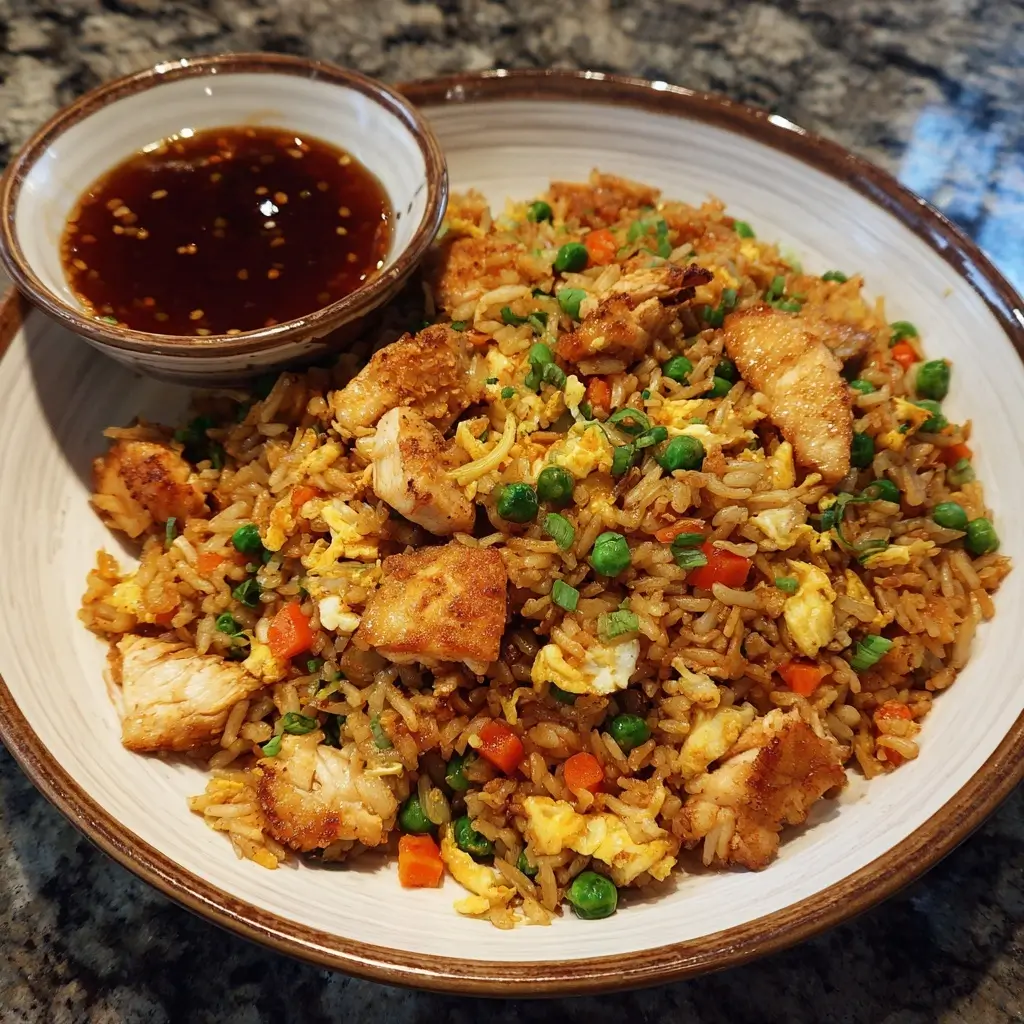
If you’ve ever craved the savory, aromatic delight of takeout chicken fried rice but wished it tasted fresher, healthier, and more flavorful—look no further. This homemade Chicken Fried Rice recipe is not only better than your average takeout version, but it’s also easier to make than you might think. Packed with tender pieces of chicken, fluffy rice, vibrant vegetables, and a perfectly balanced sauce, every bite delivers comfort and satisfaction. Whether you’re cooking for a quick weeknight dinner or impressing guests with your culinary skills, this dish checks all the boxes: delicious, affordable, customizable, and ready in under 30 minutes. Let’s dive into why this recipe stands out and how you can recreate restaurant-quality fried rice right in your own kitchen.
The History
Fried rice is a staple across many Asian cultures, with roots tracing back over 1,500 years to the Sui Dynasty in China (589–618 AD). Legend has it that Chinese cooks developed fried rice as a clever way to use up leftover rice, preventing waste while creating something delicious. Over centuries, the dish evolved and spread throughout Asia, adapting to local ingredients and tastes. In Japan, it became “chāhan”; in Korea, “bokkeumbap”; and in Thailand, “khao pad”—each with unique seasonings and textures.
When Chinese immigrants brought their culinary traditions to the United States in the 19th and 20th centuries, American-Chinese fried rice was born—a fusion adaptation that catered to Western palates. While traditional versions used simple soy sauce and scallions, the Americanized style incorporated more vegetables, larger chunks of meat, and sometimes even ketchup or MSG-laden seasoning packets. Today, chicken fried rice remains one of the most popular items on Chinese takeout menus worldwide.
This recipe pays homage to its rich history while elevating the flavors with fresh ingredients, high-heat wok techniques, and a nuanced sauce blend that surpasses anything delivered in a cardboard container. It’s a tribute to tradition, enhanced by modern cooking wisdom.
Ingredients Breakdown
The magic of great fried rice lies in the quality and balance of its ingredients. Each component plays a crucial role in building flavor, texture, and aroma. Here’s a detailed look at what goes into this superior version of chicken fried rice:
- Day-Old Cooked Rice: The foundation of any good fried rice. Using cold, leftover rice ensures the grains are dry and separate easily, preventing mushiness when stir-fried. Freshly cooked rice is too moist and will clump.
- Chicken Breast or Thighs: Boneless, skinless chicken breast offers lean protein, while thighs provide richer flavor and juiciness. Either works well—just slice thinly for quick cooking.
- Eggs: Scrambled into the hot oil before adding other ingredients, eggs add creaminess, richness, and visual appeal with golden streaks throughout the dish.
- Vegetables: A colorful mix enhances both nutrition and crunch. Common choices include peas, carrots, bell peppers, onions, and green onions. Frozen peas and diced carrots are convenient and work perfectly.
- Garlic and Ginger: These aromatics form the flavor backbone. Minced garlic adds pungency, while fresh grated ginger brings warmth and brightness.
- Soy Sauce: Use low-sodium soy sauce for better control over salt content. It provides umami depth without overpowering.
- Oyster Sauce: A secret weapon for depth and subtle sweetness. Even if you’re not using oysters, this condiment (often vegetarian-friendly) enriches the overall savoriness.
- Sesame Oil: Added at the end, just a drizzle imparts a nutty, fragrant finish that screams authenticity.
- Neutral Cooking Oil: Like vegetable, canola, or peanut oil—essential for high-heat stir-frying without burning.
- Green Onions: Chopped finely, they add freshness and a mild oniony zing. Reserve some for garnish.
- Optional Add-Ins: Corn, water chestnuts, mushrooms, bean sprouts, or even pineapple for a sweet twist.
Step-by-Step Recipe
Follow these detailed steps to achieve restaurant-quality chicken fried rice with perfect texture and explosive flavor.
- Prepare All Ingredients: Mise en place is critical. Dice the chicken into small cubes (about ½ inch). Chop vegetables. Beat eggs in a bowl. Measure sauces into a small container. Have everything within arm’s reach—frying happens fast!
- Cook the Eggs: Heat 1 tablespoon of neutral oil in a large wok or nonstick skillet over medium-high heat. Pour in beaten eggs and scramble gently until just set but still slightly soft. Remove immediately and set aside.
- Sear the Chicken: Add another tablespoon of oil to the pan. Increase heat to high. Add chicken pieces in a single layer and cook undisturbed for 1–2 minutes to develop a light sear. Stir-fry for another 2–3 minutes until fully cooked through. Transfer to a plate.
- Sauté Aromatics and Vegetables: Add a bit more oil if needed. Toss in minced garlic and grated ginger; stir for 15 seconds until fragrant (don’t burn!). Add carrots, peas, and any other hardy veggies. Stir-fry 2–3 minutes until crisp-tender.
- Add Cold Rice: Break up any clumps of rice with your fingers, then add to the wok. Spread it out and let it sit for 30 seconds to get a slight toast. Then, stir-fry vigorously, breaking up any remaining lumps.
- Incorporate Sauces: Drizzle soy sauce and oyster sauce around the edges of the wok so they sizzle and caramelize slightly. Mix thoroughly until rice is evenly coated and lightly browned in spots.
- Combine Everything: Return the cooked chicken and scrambled eggs to the wok. Add sliced green onions (reserve some for garnish). Toss everything together and stir-fry for another 1–2 minutes until heated through.
- Finish with Sesame Oil: Turn off the heat. Drizzle 1 teaspoon of toasted sesame oil over the rice. Gently fold in to infuse fragrance without cooking off the delicate aroma.
- Taste and Adjust: Give it a taste. Need more salt? A splash more soy sauce. More depth? A pinch of white pepper or a dash of fish sauce. Balance is key.
- Serve Immediately: Plate hot, garnished with extra green onions and a sprinkle of sesame seeds if desired.
Tips
- Use Cold Rice: This cannot be stressed enough. Fresh rice = sticky, soggy fried rice. Refrigerate cooked rice overnight, or spread freshly cooked rice on a tray and chill in the fridge for 1–2 hours to dry it out.
- High Heat is Essential: Stir-frying requires intense heat to create “wok hei” (the breath of the wok)—that smoky, charred essence characteristic of great Asian cooking.
- Don’t Overcrowd the Pan: If your wok or skillet is too small, cook in batches. Crowding lowers the temperature and steams instead of fries the ingredients.
- Prep Ahead: Since stir-frying moves quickly, have everything chopped, measured, and ready before turning on the stove.
- Break Up Rice Clumps Early: Use a spatula or wooden spoon to press and separate rice as soon as it hits the wok.
- Drain Excess Moisture: If using frozen vegetables, thaw and pat dry to avoid steaming the rice.
- Add Eggs First: Scramble them separately so they don’t get lost or rubbery when mixed in later.
- Less Soy Sauce, More Flavor: Instead of drenching the rice in soy sauce, use a combination of soy, oyster sauce, and a touch of sugar or honey for complexity.
- Rest Protein Separately: Removing chicken and eggs prevents overcooking during the rice frying stage.
- Garnish Generously: Fresh green onions, cilantro, sesame seeds, or even pickled red cabbage elevate presentation and taste.
Variations and Customizations
One of the best things about chicken fried rice is its versatility. Feel free to adapt this recipe based on dietary needs, preferences, or what’s in your pantry.
- Vegetarian/Vegan: Omit chicken and use tofu or tempeh. Replace oyster sauce with mushroom sauce or vegan oyster alternative. Use flax eggs or chickpea flour scramble instead of real eggs.
- Gluten-Free: Swap soy sauce for tamari or coconut aminos. Ensure oyster sauce is gluten-free (many brands now offer GF versions).
- Low-Carb/Keto: Substitute rice with cauliflower rice. Sauté it separately and add at the end to prevent excess moisture.
- Spicy Version: Add sriracha, chili garlic sauce, or diced fresh chilies during the vegetable sauté. Top with crushed red pepper flakes or chili oil.
- Pineapple Chicken Fried Rice: Inspired by Hawaiian-style, add diced pineapple and cashews for a sweet-and-savory twist.
- Seafood Fried Rice: Replace chicken with shrimp, crab, or scallops. Add them near the end to avoid overcooking.
- Kimchi Fried Rice: Stir in chopped kimchi and top with a fried egg and gochujang for a Korean-inspired kick.
- Nutty Crunch: Add roasted cashews, peanuts, or almonds for extra texture and flavor.
- Extra Veggie-Packed: Include broccoli, zucchini, mushrooms, spinach, or bok choy. Just blanch harder veggies first.
- Curry Fried Rice: Add ½ teaspoon curry powder or turmeric for color and warmth—great with raisins and peas.
Health Considerations and Nutritional Value
While traditional takeout fried rice can be greasy and high in sodium, this homemade version allows you to control ingredients for a healthier meal.
Nutritional Highlights (per serving, approx. 1.5 cups):
- Calories: ~400–450
- Protein: 20–25g (from chicken and eggs)
- Carbohydrates: 45–50g (mostly from rice, but balanced with fiber-rich veggies)
- Fat: 12–15g (mostly unsaturated from healthy oils)
- Fiber: 3–5g (depending on veggie content)
- Sodium: Significantly lower than takeout (~600–800mg vs. 1,000+ mg)
Health Tips:
- Use brown rice or quinoa for added fiber and slower-digesting carbs.
- Limited oil usage keeps fat content moderate.
- Abundant vegetables increase vitamins A, C, K, and antioxidants.
- Avoiding MSG and preservatives found in many takeout versions makes this a cleaner choice.
- Portion control: Serve with a side salad or miso soup to round out the meal without overeating.
Ingredients
- 3 cups day-old cooked white rice (preferably jasmine or long-grain)
- 1 cup boneless, skinless chicken breast or thighs, diced
- 2 large eggs, beaten
- 1/2 cup frozen peas, thawed
- 1/2 cup diced carrots
- 2 cloves garlic, minced
- 1-inch piece fresh ginger, grated
- 3 green onions, sliced (white and green parts separated)
- 3 tablespoons neutral oil (vegetable, canola, or peanut), divided
- 2 tablespoons low-sodium soy sauce
- 1 tablespoon oyster sauce (or vegetarian alternative)
- 1 teaspoon toasted sesame oil
- Salt and white pepper to taste
- Optional: 1/4 cup diced bell pepper, 1 tbsp corn, 1 tsp sugar
Directions
- Prepare all ingredients as listed above. Keep them organized near the stove.
- Heat 1 tablespoon of oil in a large wok or heavy-bottomed skillet over medium-high heat. Add beaten eggs and scramble until soft curds form. Remove and set aside.
- Add another tablespoon of oil to the same pan. Increase heat to high. Add chicken and cook until golden and cooked through (3–4 minutes). Transfer to a plate.
- Add remaining oil. Stir in garlic, ginger, and the white parts of green onions. Cook for 15–20 seconds until aromatic.
- Add carrots and peas (and any other firm vegetables). Stir-fry for 2–3 minutes until tender-crisp.
- Add cold rice, breaking up clumps. Spread evenly and let sit for 30 seconds to toast slightly. Stir-fry for 2 minutes, pressing rice against the pan to separate grains.
- Pour soy sauce and oyster sauce around the edge of the pan. Mix well until rice is uniformly colored and starts to caramelize slightly.
- Return chicken and scrambled eggs to the wok. Add green onion tops. Stir-fry for 1–2 minutes until everything is heated through.
- Remove from heat. Drizzle with sesame oil and toss gently.
- Taste and adjust seasoning with salt, pepper, or additional soy sauce if needed.
- Serve immediately, garnished with extra green onions and sesame seeds.
FAQ
Can I use freshly cooked rice?
Yes, but it must be cooled first. Spread it on a baking sheet and refrigerate for at least 1 hour to remove excess moisture.
Why is my fried rice mushy?
Likely due to using warm, fresh rice or too much sauce. Always use cold rice and measure sauces carefully.
Can I freeze chicken fried rice?
Yes! Cool completely, store in airtight containers, and freeze for up to 3 months. Reheat in a skillet with a splash of water.
What kind of rice is best for fried rice?
Long-grain varieties like jasmine or basmati work best because they stay fluffy and separate. Avoid short-grain or sticky rice.
Is it safe to reheat fried rice?
Yes, as long as it was cooled quickly after cooking and stored properly. Reheat thoroughly to 165°F (74°C) to prevent foodborne illness.
Can I make this gluten-free?
Absolutely. Use tamari instead of soy sauce and ensure your oyster sauce is certified gluten-free.
How do I get the smoky wok flavor at home?
Maximize heat, use a carbon steel wok if possible, and avoid overcrowding. A dash of smoked paprika or liquid smoke (sparingly) can mimic wok hei.
Can I skip oyster sauce?
Yes. Substitute with hoisin sauce, mushroom sauce, or a mix of soy sauce and a little brown sugar.
Summary
This Chicken Fried Rice recipe delivers bold flavor, perfect texture, and restaurant-quality results—all from your own kitchen. Packed with tender chicken, fluffy rice, and colorful veggies, it’s a satisfying one-pan meal ready in minutes.
Better than takeout, healthier than delivery, and endlessly customizable, this dish will become your go-to favorite for busy nights, meal prep, or impressing family and friends.