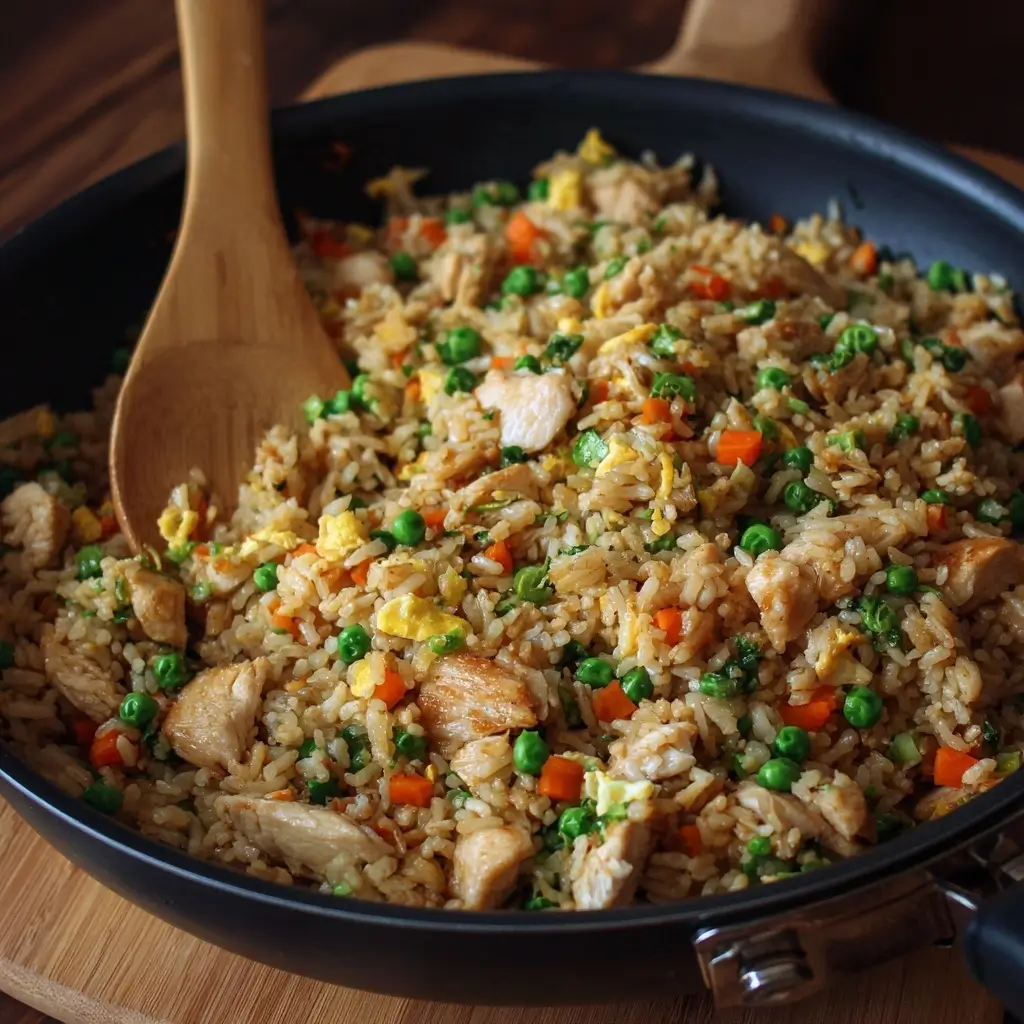
Chicken Fried Rice (Better Than Takeout)
Introduction
If you’ve ever craved that warm, savory, comforting bite of chicken fried rice from your favorite Chinese takeout joint, we’ve got good news: you can make a version at home that’s not only better than takeout but healthier, more customizable, and far more satisfying. This homemade Chicken Fried Rice recipe captures all the rich umami flavor, fluffy texture, and aromatic sizzle of restaurant-style fried rice—without the greasy aftertaste or hidden MSG. Packed with tender chunks of chicken, vibrant vegetables, and perfectly seasoned rice, this dish is ideal for busy weeknights, meal prepping, or impressing guests with minimal effort. With just one skillet and about 30 minutes, you’ll have a restaurant-quality meal that beats any delivery in taste, freshness, and nutrition.
The History
Fried rice is a culinary staple with roots tracing back to ancient China during the Sui Dynasty (589–618 AD). Originally created as a way to repurpose leftover rice and ingredients, fried rice evolved into an art form across Asia, with regional variations emerging in China, Japan, Korea, Thailand, and beyond. The concept was simple: stir-fry cold, day-old rice with eggs, vegetables, and scraps of meat or seafood to create a hearty, flavorful meal. As Chinese immigrants traveled the world, they brought their cooking techniques with them, adapting fried rice to local tastes. In America, “chicken fried rice” became a classic on Chinese-American restaurant menus, often featuring generous portions of white meat chicken, peas, carrots, and green onions, glazed with soy sauce and sesame oil. While traditional versions vary greatly by region—Yangzhou fried rice from eastern China includes shrimp and ham, while Cantonese style emphasizes simplicity and texture—our modern take blends authenticity with bold flavors and healthier choices, making it “better than takeout” in every sense.
Ingredients Breakdown
The magic of great fried rice lies in the balance of textures and flavors, so each ingredient plays a vital role:
- Cooked and Chilled Rice: Preferably long-grain jasmine or basmati rice, ideally a day old. Cold rice has less moisture, preventing mushiness when stir-fried.
- Chicken Breast or Thighs: Boneless, skinless chicken breast offers lean protein, while thighs provide richer flavor and tenderness. Diced into small, even pieces for quick cooking.
- Vegetables: A colorful mix enhances both flavor and nutrition. Common additions include peas (fresh or frozen), diced carrots, bell peppers, and green onions. You can also add broccoli, corn, mushrooms, or snap peas.
- Eggs: Scrambled into the hot wok first, they add creaminess and richness, mimicking the custardy bits found in top-tier restaurant fried rice.
- Garlic and Ginger: Freshly minced garlic and grated ginger form the aromatic base, adding depth and warmth without overpowering.
- Soy Sauce: Use low-sodium soy sauce for better control over salt levels. For gluten-free, substitute tamari. Adds savory umami and color.
- Oyster Sauce (optional): A small amount deepens the flavor profile with its sweet-savory complexity. Vegetarian oyster sauce is available for plant-based diets.
- Sesame Oil: A finishing drizzle adds a nutty aroma that elevates the entire dish. Never cook with high heat using toasted sesame oil—it burns easily.
- Neutral Oil: Such as vegetable, canola, or avocado oil, used for stir-frying due to its high smoke point.
- Green Onions: Used both during cooking and as garnish for freshness and visual appeal.
- Optional Enhancements: Chili flakes, sriracha, hoisin sauce, rice vinegar, or a splash of fish sauce can be added for extra layers of flavor.
Step-by-Step Recipe
- Prepare Ingredients: Dice the chicken into ½-inch cubes. Mince garlic, grate ginger, chop vegetables, and slice green onions. Beat eggs in a small bowl and set aside. Ensure rice is cold and separated with fingers to avoid clumps.
- Cook the Chicken: Heat 1 tablespoon of neutral oil in a large wok or non-stick skillet over medium-high heat. Add chicken pieces and stir-fry for 4–5 minutes until golden brown and fully cooked. Remove and set aside.
- Scramble the Eggs: In the same pan, add a little more oil if needed. Pour in beaten eggs, scramble gently until just set but still slightly soft, then remove and set aside with the chicken.
- Sauté Aromatics and Vegetables: Add another tablespoon of oil. Stir in garlic and ginger, cooking for 15–20 seconds until fragrant. Add carrots and any other firm vegetables; stir-fry 2–3 minutes until crisp-tender. Toss in peas and softer veggies last to preserve texture.
- Add Rice: Increase heat to high. Add cold rice, breaking up clumps with a spatula. Stir-fry for 2–3 minutes until rice is heated through and starts to toast slightly.
- Combine Everything: Return chicken and eggs to the pan. Mix well with rice and vegetables.
- Season: Drizzle soy sauce, oyster sauce (if using), and a splash of rice vinegar around the edges of the pan to caramelize slightly. Toss everything together evenly.
- Finish with Aromatics: Stir in most of the green onions and a final drizzle of sesame oil. Taste and adjust seasoning—add pepper, chili flakes, or more soy sauce as desired.
- Serve Immediately: Plate hot, garnished with remaining green onions and optional sesame seeds or cilantro.
Tips
- Use Day-Old Rice: Freshly cooked rice releases too much steam and becomes sticky. Refrigerated rice dries out slightly, yielding fluffier, more distinct grains.
- High Heat is Key: Stir-frying requires intense heat to achieve the signature “wok hei” (breath of the wok)—that smoky, seared flavor. Don’t overcrowd the pan; work in batches if necessary.
- Prep Ahead: Chop all ingredients before starting, as the cooking process moves quickly.
- Don’t Over-Sauce: Too much soy sauce makes fried rice soggy and overly salty. Start with 2 tablespoons and add more only if needed.
- Break Up Rice Clumps: Use your fingers or a fork to separate chilled rice before adding it to the pan.
- Let Eggs Shine: Cook them softly and remove early—they’ll finish warming when mixed back in.
- Vary Protein: Swap chicken for shrimp, pork, tofu, or even leftover roast turkey for holiday leftovers.
- Boost Umami: A dash of fish sauce or a teaspoon of miso paste can deepen flavor without being detectable.
- Avoid Moist Veggies: If using frozen vegetables, thaw and drain them well to prevent steaming instead of frying.
Variations and Customizations
This recipe is incredibly versatile. Here are some delicious twists:
- Pineapple Chicken Fried Rice: Add diced fresh pineapple and cashews for a sweet-and-savory tropical flair. Great with a hint of curry powder.
- Korean-Style Kimchi Fried Rice: Replace half the vegetables with chopped kimchi and top with a fried egg and gochujang drizzle.
- Spicy Sichuan Version: Add doubanjiang (fermented chili bean paste) and crushed Sichuan peppercorns for numbing heat.
- Low-Carb Option: Use cauliflower rice instead of regular rice. Sauté separately and combine at the end to avoid excess moisture.
- Vegetarian/Vegan: Omit chicken, use tofu or tempeh, and replace oyster sauce with mushroom sauce or vegan alternative.
- Seafood Fried Rice: Substitute chicken with cooked shrimp, scallops, or imitation crab.
- Thai Basil Fried Rice: Stir in fresh Thai basil leaves and a splash of dark soy sauce for color and fragrance.
- Breakfast Fried Rice: Add bacon or sausage, serve with a sunny-side-up egg on top.
Health Considerations and Nutritional Value
While traditional takeout fried rice can be loaded with sodium, oil, and preservatives, this homemade version allows full control over ingredients for a healthier outcome.
- Calories: Approximately 380–420 per serving (depending on portion size and oil used).
- Protein: Around 25–30g per serving, primarily from chicken and eggs—ideal for muscle repair and satiety.
- Carbohydrates: ~45g, mostly from rice. Opt for brown rice to increase fiber content (adds ~3–5g fiber per cup).
- Fats: ~12–15g, mostly unsaturated from healthy oils. Sesame oil contains heart-healthy monounsaturated fats.
- Sodium: Can be reduced significantly by using low-sodium soy sauce and limiting added salt (~600–800mg vs. 1,200+ mg in takeout).
- Vitamins & Minerals: Carrots provide beta-carotene (vitamin A), peas offer vitamin K and folate, while green onions contribute vitamin C and antioxidants.
- Dietary Notes: Naturally gluten-free (with tamari), dairy-free, and easily made lower-carb or plant-based. Suitable for balanced diets including Mediterranean, flexitarian, and high-protein plans.
To make it even healthier, increase the veggie ratio, reduce oil to 1–2 teaspoons, and serve with a side of steamed bok choy or miso soup.
Ingredients
- 3 cups cooked and chilled long-grain white rice (preferably jasmine)
- 1 lb boneless, skinless chicken breast or thighs, diced
- 3 large eggs, beaten
- 1 cup frozen peas and carrots (thawed and drained)
- 1/2 bell pepper, finely diced
- 3 green onions, sliced (white and green parts separated)
- 3 cloves garlic, minced
- 1 tbsp fresh ginger, grated
- 3 tbsp neutral oil (vegetable, canola, or avocado), divided
- 2–3 tbsp low-sodium soy sauce (or tamari for gluten-free)
- 1 tbsp oyster sauce (optional, or vegetarian alternative)
- 1 tsp rice vinegar (optional, for brightness)
- 1 tsp toasted sesame oil
- Salt and freshly ground black pepper to taste
- Red pepper flakes or sriracha (optional, for heat)
Directions
- Prepare all ingredients as listed. Keep rice broken up and at room temperature or chilled.
- Heat 1 tablespoon of neutral oil in a large wok or heavy-bottomed skillet over medium-high heat. Add chicken, season lightly with salt and pepper, and stir-fry until cooked through and lightly browned (4–5 minutes). Transfer to a plate.
- Add another teaspoon of oil to the pan. Pour in beaten eggs, scramble until soft curds form, then remove and set aside with chicken.
- Add remaining oil to the pan. Sauté garlic and ginger for 20 seconds until fragrant. Add carrots, bell pepper, and white parts of green onions; stir-fry 2–3 minutes until vegetables begin to soften.
- Add peas and stir for another 30 seconds.
- Increase heat to high. Add cold rice, stirring and pressing down with a spatula to break up lumps. Stir-fry for 2–3 minutes until rice is heated through and slightly crispy in spots.
- Pour soy sauce and oyster sauce over the rice. Stir well to distribute evenly, letting sauces caramelize slightly against the hot pan surface.
- Return chicken and scrambled eggs to the pan. Toss everything together and cook for another 1–2 minutes until heated through.
- Stir in rice vinegar (if using), green onion tops, and sesame oil. Adjust seasoning with additional soy sauce, pepper, or chili flakes to taste.
- Serve immediately in bowls, optionally garnished with extra green onions, sesame seeds, or a drizzle of sriracha.
FAQ
Can I use fresh rice?
Yes, but spread it on a tray and let it cool completely—or chill for 20–30 minutes—to reduce moisture. Cold, dry rice fries best.
Why is my fried rice sticky?
Likely due to using warm or freshly cooked rice. Always use refrigerated, separated grains for optimal texture.
Can I freeze chicken fried rice?
Absolutely. Cool completely, store in airtight containers, and freeze for up to 3 months. Reheat in a skillet with a splash of water or broth to refresh.
Is this recipe gluten-free?
Only if you use tamari or a certified gluten-free soy sauce. Regular soy sauce contains wheat. Also check oyster sauce labels.
What kind of rice is best?
Jasmine or long-grain white rice works best. Avoid sticky sushi rice or short-grain varieties unless you prefer a chewier texture.
Can I make this vegetarian?
Yes! Skip the chicken and use tofu, edamame, or extra vegetables. Use vegetarian oyster sauce or mushroom sauce.
How do I reheat leftover fried rice?
Stovetop is best: heat in a skillet with a bit of oil or water to restore moisture. Microwave works too but may soften the texture.
Can I add noodles?
Not recommended—this changes the dish entirely. But feel free to make chow mein or lo mein separately!
Summary
This Chicken Fried Rice recipe delivers bold flavor, perfect texture, and wholesome ingredients—all in under 30 minutes. Say goodbye to greasy takeout and hello to a healthier, tastier, and more satisfying version made right in your kitchen.