Introduction
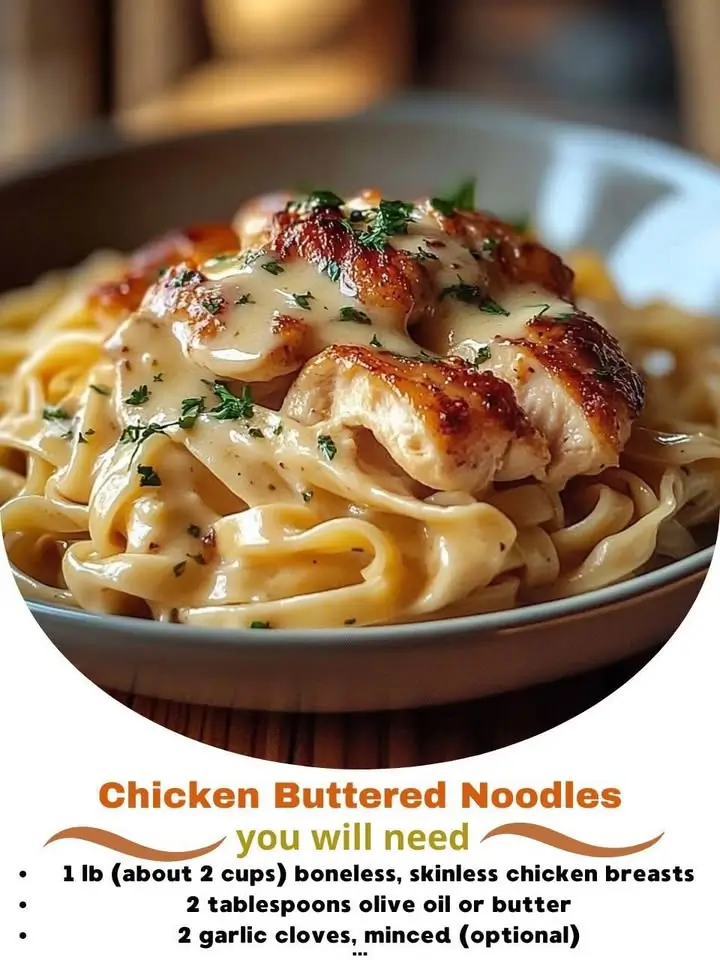
Chicken Buttered Noodles is a comforting, creamy, and savory dish that brings together tender pieces of chicken with rich, buttery egg noodles in a luscious sauce. This homestyle favorite combines the simplicity of classic comfort food with just enough elegance to make it suitable for weeknight dinners or even special family gatherings. With its roots in American home cooking and subtle European influences, this dish has evolved into a beloved staple across households, appreciated for its warmth, flavor, and satisfying texture. Whether you’re looking for a quick meal after a long day or something hearty to serve guests, Chicken Buttered Noodles delivers on taste, aroma, and nostalgia.
The History
The origins of Chicken Buttered Noodles can be traced back to early 20th-century American kitchens, where resourceful cooks combined simple pantry staples with leftover roasted chicken to create nourishing meals. The concept draws inspiration from European traditions—particularly German and Eastern European cuisines—where buttered noodles (often called “Eiernudeln” or “Butterkuchen”) were served as side dishes or main courses. Immigrant families adapted these recipes by incorporating available proteins like chicken, gradually transforming them into full-fledged entrees.
By mid-century, as packaged egg noodles became widely available in American grocery stores, the dish gained popularity due to its ease and affordability. It was commonly found in church potlucks, school cafeterias, and family dinner tables across the Midwest and Northeast. Over time, variations emerged—some using cream sauces, others adding cheese or vegetables—but the core idea remained unchanged: soft, butter-coated noodles paired with succulent chicken. Today, Chicken Buttered Noodles continue to symbolize culinary comfort, evoking memories of childhood meals and home-cooked love.
Ingredients Breakdown
The beauty of Chicken Buttered Noodles lies in its accessible, wholesome ingredients that come together to form a richly layered flavor profile. Here’s an in-depth look at each component:
- Chicken Breast or Thighs: Boneless, skinless chicken breasts are most commonly used for their lean texture and mild flavor. However, boneless thighs offer more moisture and richness, making them ideal for those who prefer juicier meat.
- Egg Noodles: Wide or extra-wide egg noodles provide the perfect surface area to hold onto butter and sauce. Their slightly chewy texture and rich yellow color enhance both mouthfeel and visual appeal.
- Butter: Unsalted butter is preferred so you can control the seasoning. High-quality butter enhances the silkiness of the sauce and imparts a nutty depth when lightly browned.
- Garlic: Fresh garlic adds aromatic complexity. Minced finely or crushed, it infuses the butter with a warm, pungent note that balances the dish’s richness.
- Heavy Cream: Adds luxurious creaminess and helps bind the sauce. For a lighter version, half-and-half or whole milk can be substituted, though the result will be less decadent.
- Parmesan Cheese: Grated fresh Parmesan contributes umami, saltiness, and a slight tang. It melts smoothly into the hot noodles, creating a velvety coating.
- Chicken Broth: Enhances flavor and keeps the noodles moist during cooking. Low-sodium broth allows better control over salt levels.
- Onion (optional): Yellow or white onion, finely diced, provides sweetness and depth when sautéed before adding other ingredients.
- Fresh Herbs: Parsley, thyme, or chives add brightness and contrast to the richness. They’re typically stirred in at the end for freshness.
- Salt and Pepper: Essential seasonings that elevate all components. Freshly ground black pepper offers a subtle heat and aroma.
- Nutmeg (optional): A pinch enhances the dairy notes without being detectable, lending a warm background spice often found in classic creamy pasta dishes.
Step-by-Step Recipe
- Prepare Ingredients: Cut 1.5 lbs of chicken into bite-sized cubes. Season lightly with salt, pepper, and a pinch of paprika if desired. Mince 3 cloves of garlic. Dice 1 small onion (if using). Measure out 8 oz of wide egg noodles, 4 tbsp unsalted butter, 1 cup heavy cream, 1 cup shredded Parmesan, 1 cup chicken broth, and chop ¼ cup fresh parsley.
- Cook the Noodles: Bring a large pot of salted water to a boil. Add egg noodles and cook according to package instructions until al dente (usually 6–8 minutes). Drain and set aside, reserving ½ cup of pasta water for adjusting consistency later.
- Sear the Chicken: In a large skillet over medium-high heat, melt 1 tablespoon of butter. Add chicken pieces in a single layer and sear without overcrowding (work in batches if needed). Cook for 5–6 minutes, turning occasionally, until golden brown and cooked through (internal temperature 165°F). Remove and set aside.
- Sauté Aromatics: In the same skillet, add another tablespoon of butter. Sauté onions (if using) for 3–4 minutes until translucent. Add minced garlic and cook for 30 seconds until fragrant—do not let it burn.
- Create the Sauce Base: Pour in chicken broth to deglaze the pan, scraping up any browned bits. Let simmer for 2 minutes to reduce slightly. Stir in heavy cream and bring to a gentle simmer (do not boil vigorously).
- Add Cheese and Butter: Reduce heat to low. Gradually whisk in Parmesan cheese until fully melted and smooth. Stir in remaining 2 tablespoons of butter one at a time, allowing each to melt before adding the next. This creates a glossy, emulsified sauce.
- Combine Everything: Return the cooked chicken to the skillet. Add the drained noodles and toss gently to coat everything evenly with the sauce. If the mixture seems too thick, add reserved pasta water 1–2 tablespoons at a time until desired consistency is reached.
- Season and Finish: Taste and adjust seasoning with salt and pepper. Sprinkle in chopped parsley and a pinch of nutmeg (if using). Toss once more and remove from heat.
- Serve Immediately: Plate while hot, garnished with extra Parmesan, cracked black pepper, and a sprig of fresh herbs if desired.
Tips
- Don’t Overcook the Noodles: Cooking them al dente ensures they retain a pleasant bite, especially since they’ll absorb sauce after mixing.
- Use Freshly Grated Cheese: Pre-grated Parmesan contains anti-caking agents that can make the sauce grainy. Always grate your own for the smoothest texture.
- Brown the Chicken Well: Proper browning develops fond (those caramelized bits on the pan), which adds immense flavor when deglazed with broth.
- Control the Heat: Keep the cream sauce on low after adding dairy to prevent curdling. Gentle heat preserves the silky consistency.
- Reserve Pasta Water: The starchy liquid helps the sauce cling to the noodles and adjusts thickness without diluting flavor.
- Rest Before Serving: Let the dish sit for 2–3 minutes off the heat before serving; this allows flavors to meld and prevents overheating delicate ingredients.
- Double the Batch: This dish reheats well and freezes beautifully. Make extra for easy leftovers!
- Infuse the Butter: Try using herb-infused or truffle butter for a gourmet twist.
Variations and Customizations
One of the greatest strengths of Chicken Buttered Noodles is its adaptability. Below are creative ways to personalize the recipe:
- Creamy Mushroom Chicken Buttered Noodles: Sauté sliced cremini or button mushrooms with the onions for an earthy, umami-rich variation.
- Garlic Butter Chicken Noodles: Increase garlic to 5–6 cloves and finish with a drizzle of garlic-infused olive oil for intense garlicky goodness.
- Lemon-Herb Version: Add zest and juice of 1 lemon along with fresh thyme and rosemary for a bright, zesty profile.
- Spicy Kick: Include red pepper flakes or a dash of cayenne for heat. A swirl of sriracha or chili crisp also works well.
- Cheesy Upgrade: Mix in Gruyère, Fontina, or sharp cheddar for a richer, more complex cheese blend.
- Vegetable-Packed: Stir in steamed broccoli, peas, spinach, or roasted bell peppers for added nutrition and color.
- Gluten-Free Option: Substitute regular egg noodles with gluten-free pasta made from rice, quinoa, or chickpea flour. Ensure all other ingredients are certified GF.
- Dairy-Free/Lighter Version: Replace butter with olive oil or vegan butter, use coconut cream instead of heavy cream, and omit cheese or use nutritional yeast for a cheesy flavor.
- Smoky Flavor: Use smoked paprika on the chicken or add a touch of liquid smoke for a deeper, campfire-like nuance.
- Asian Fusion Twist: Swap Parmesan for soy sauce, sesame oil, green onions, and a hint of ginger for an East-meets-West interpretation.
- Breakfast-for-Dinner Style: Top with a poached or fried egg for a protein-packed brunch-inspired meal.
Health Considerations and Nutritional Value
While Chicken Buttered Noodles is undeniably rich and indulgent, mindful adjustments can make it part of a balanced diet. Here’s a breakdown of key nutritional aspects based on a standard serving (approximately 1.5 cups):
- Calories: ~450–600 per serving, depending on portion size and ingredient choices.
- Protein: ~30–40g – primarily from chicken and eggs in the noodles, supporting muscle repair and satiety.
- Fat: ~20–30g – mostly from butter, cream, and cheese. Opting for lower-fat dairy reduces saturated fat content.
- Carbohydrates: ~40–50g – mainly from refined egg noodles. Whole grain or legume-based noodles increase fiber and nutrients.
- Sodium: ~600–900mg – varies significantly with broth, cheese, and added salt. Using low-sodium ingredients helps manage intake.
- Vitamins & Minerals: Provides B vitamins (especially B12 and riboflavin), calcium, phosphorus, and selenium from dairy and poultry.
Health Tips:
- Choose skinless chicken thighs or breast for lean protein.
- Limit butter to 2 tablespoons and use olive oil for part of the fat content.
- Incorporate leafy greens like spinach or kale to boost vitamin K, A, and fiber.
- Portion control is key—serve with a side salad or steamed vegetables to balance the meal.
- Avoid excessive cheese and cream if managing cholesterol or heart health.
- For weight management, consider using Greek yogurt instead of some cream to maintain creaminess with fewer calories.
Ingredients
- 1.5 lbs boneless, skinless chicken breast or thighs, cubed
- 8 oz wide egg noodles
- 4 tbsp unsalted butter, divided
- 3 cloves garlic, minced
- 1 small yellow onion, finely diced (optional)
- 1 cup chicken broth (low-sodium preferred)
- 1 cup heavy cream
- 1 cup freshly grated Parmesan cheese
- Salt and freshly ground black pepper, to taste
- ¼ cup fresh parsley, chopped
- Pinch of ground nutmeg (optional)
- ½ tsp paprika (optional, for seasoning chicken)
Directions
- Season chicken with salt, pepper, and paprika. Set aside.
- Bring a large pot of salted water to a boil. Add egg noodles and cook until al dente. Drain, reserve ½ cup pasta water, and set noodles aside.
- In a large skillet over medium-high heat, melt 1 tbsp butter. Add chicken in a single layer and cook until golden and internal temperature reaches 165°F. Transfer to a plate.
- In the same skillet, add another tbsp of butter. Sauté onion (if using) for 3–4 minutes until soft. Add garlic and cook for 30 seconds until fragrant.
- Pour in chicken broth to deglaze the pan, scraping up browned bits. Simmer for 2 minutes.
- Stir in heavy cream and bring to a gentle simmer (do not boil).
- Reduce heat to low. Gradually whisk in Parmesan cheese until melted and smooth.
- Add remaining 2 tbsp butter, one piece at a time, stirring until incorporated.
- Return chicken to the skillet. Add cooked noodles and toss to coat evenly.
- If too thick, add reserved pasta water 1–2 tbsp at a time until creamy.
- Season with salt, pepper, and nutmeg. Stir in parsley.
- Serve immediately, garnished with extra Parmesan and herbs.
FAQ
Can I use leftover rotisserie chicken?
Yes! Shred or cube about 3 cups of cooked rotisserie chicken. Add it when combining noodles and sauce—just heat through without overcooking.
How do I reheat Chicken Buttered Noodles?
Reheat gently in a skillet over low heat with a splash of broth or cream to restore moisture. Microwaving is possible but may result in uneven texture.
Can I freeze this dish?
Yes, though dairy-based sauces may separate slightly upon thawing. Freeze in airtight containers for up to 3 months. Reheat slowly with added liquid to revive creaminess.
What kind of noodles work best?
Wide egg noodles are traditional, but fettuccine, tagliatelle, or even pappardelle can be used. For gluten-free, try brown rice or chickpea pasta.
Is there a vegetarian version?
Absolutely. Omit chicken and use sautéed mushrooms, tofu, or chickpeas as protein. Substitute vegetable broth for chicken broth.
Why did my sauce curdle?
High heat can cause cream to separate. Always keep the sauce at a gentle simmer and avoid boiling after adding dairy. Adding cheese off the heat helps prevent graininess.
Can I make this ahead of time?
You can prep components separately: cook chicken, make sauce base, and cook noodles. Combine and reheat just before serving for best results.
Summary
Chicken Buttered Noodles is a rich, creamy, and deeply satisfying dish that blends tender chicken with silky egg noodles in a luxurious butter-parmesan sauce. Easy to customize and perfect for cozy nights, it’s comfort food at its finest—simple, flavorful, and unforgettable.