Introduction
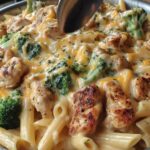
Welcome to the ultimate comfort food experience: Cheesy Smoked Sausage Rice Skillet. This hearty, one-pan wonder is the epitome of rustic simplicity meets rich, savory satisfaction—perfect for busy weeknights, cozy weekend dinners, or even meal-prep success. With its golden-brown rice, tender-crisp smoked sausage, melty cheese blanket, and aromatic vegetable base, this skillet dish delivers deep flavor, textural contrast, and soul-warming appeal in every bite. Whether you’re a seasoned home cook or just starting your culinary journey, this recipe is designed to be approachable, forgiving, and endlessly adaptable—no fancy techniques or obscure ingredients required. It’s not just dinner—it’s a hug on a plate.
The History
The Cheesy Smoked Sausage Rice Skillet is a modern American fusion dish rooted in several culinary traditions. Its lineage traces back to classic Southern “skillet suppers,” where resourceful cooks combined pantry staples—rice, smoked meats, onions, and peppers—into satisfying one-pot meals during the Great Depression and post-war eras. The use of smoked sausage reflects strong Cajun and Creole influences from Louisiana, where andouille and kielbasa-style sausages have long been used to add depth and smoke-infused umami to rice-based dishes like jambalaya and dirty rice. The cheesy element—a hallmark of mid-century American comfort cooking—grew in popularity with the rise of processed cheeses in the 1950s, later evolving into today’s preference for high-quality, artisanal melting cheeses like sharp cheddar, Monterey Jack, and Gouda. Over time, home cooks across the Midwest and South began adapting these traditions into simplified skillet versions—eliminating lengthy simmering or soaking steps—and incorporating accessible ingredients like frozen peas, canned tomatoes, or pre-cooked rice for speed without sacrificing heartiness. Today, the Cheesy Smoked Sausage Rice Skillet stands as a beloved staple in family kitchens, Facebook cooking groups, and food blogs—a testament to how regional ingenuity, cultural cross-pollination, and practicality can converge into something truly delicious and enduring.
Ingredients Breakdown
Understanding each ingredient’s role ensures better results and smarter substitutions. Here’s an in-depth look at what makes this skillet shine:
- Smoked Sausage (1 lb): The star protein—typically kielbasa, andouille, or smoked turkey sausage. Its curing and cold-smoking process imparts robust, woodsy notes and a firm texture that holds up beautifully during sautéing and simmering. Fat content matters: 20–25% fat yields optimal juiciness and flavor release; leaner versions may dry out or lack richness.
- Long-Grain White Rice (1 ½ cups, uncooked): Basmati or jasmine rice is ideal for its fluffy, separate grains and subtle nutty aroma. Avoid instant or parboiled rice unless adjusted for liquid and timing—these varieties absorb less water and can turn mushy. Rinsing removes excess starch for cleaner texture.
- Yellow Onion & Bell Peppers (1 small onion + 1 red & 1 green bell pepper): The holy trinity of aromatics (onion, celery, bell pepper) is foundational in Southern cooking. Yellow onions offer sweetness when caramelized; red and green peppers contribute crunch, color, and phytonutrient diversity (lutein, vitamin C).
- Garlic (4 cloves, minced): Adds pungent, savory depth. Fresh garlic is non-negotiable—jarred or powdered versions lack enzymatic complexity and heat-responsive flavor development.
- Chicken Broth (3 cups, low-sodium preferred): Provides savory backbone and controlled salt levels. Homemade broth adds collagen-rich body and nuanced umami; boxed low-sodium versions allow precise seasoning control. Never substitute plain water—it lacks depth and results in bland rice.
- Tomato Paste (2 tbsp): A flavor concentrator—its Maillard-reduced sugars and glutamates intensify savoriness, deepen color, and help emulsify fats for a velvety mouthfeel. Briefly cooking it with onions (“blooming”) unlocks its full potential.
- Diced Tomatoes (1 (14.5 oz) can, fire-roasted preferred): Adds brightness, acidity, and subtle char notes. Fire-roasted varieties bring smoky complexity that harmonizes with the sausage. Drain excess liquid if using regular diced tomatoes to prevent soggy rice.
- Heavy Cream or Half-and-Half (¼ cup): A secret weapon for creaminess—not just richness, but improved cheese meltability and sauce cohesion. The dairy fat coats proteins, preventing stringiness and encouraging smooth integration.
- Shredded Cheese Blend (2 cups): A balanced trio works best: 1 cup sharp cheddar (for tang and structure), ½ cup Monterey Jack (for superior melt), and ½ cup smoked Gouda or fontina (for earthy depth). Pre-shredded cheese contains anti-caking agents (e.g., cellulose) that hinder melting—always shred fresh.
- Seasonings (Paprika, dried thyme, smoked paprika, cayenne, black pepper, salt): Layered spices build dimension: sweet paprika for warmth, smoked paprika for resonance with sausage, thyme for herbal balance, cayenne for gentle heat (adjustable), and freshly ground black pepper for aromatic pungency. Salt is added gradually—sausage and broth already contain sodium.
- Optional Garnishes (Green onions, fresh parsley, pickled jalapeños, hot sauce, crumbled bacon): These aren’t afterthoughts—they’re functional flavor amplifiers. Acid (jalapeños), freshness (parsley), heat (hot sauce), and crunch (bacon) cut through richness and elevate the entire eating experience.
Step-by-Step Recipe
- Prep Work (10 minutes): Dice onion and bell peppers uniformly (~¼-inch pieces) for even cooking. Mince garlic. Slice smoked sausage into ½-inch half-moons (not too thin—prevents curling and overcooking). Rinse rice under cold water until runoff is clear; drain well. Grate cheeses separately and keep chilled until needed.
- Toast the Rice (3 minutes): Heat a 12-inch heavy-bottomed skillet (preferably cast iron or stainless steel) over medium heat. Add 1 tbsp olive oil. Once shimmering, add drained rice and stir constantly for 2–3 minutes until translucent edges appear and grains smell nutty. This step seals the surface, preventing mush and enhancing texture.
- Sauté Aromatics (5 minutes): Push rice to the outer edge. Add remaining 1 tbsp oil to center. Add onions and peppers; cook 3 minutes until softened. Stir in garlic and tomato paste; cook 1 minute more, stirring continuously until paste darkens slightly and becomes fragrant—this “blooms” its flavor.
- Build the Base (2 minutes): Stir in rinsed rice, breaking up any clumps. Add diced tomatoes (with juices), broth, thyme, sweet paprika, smoked paprika, cayenne, and black pepper. Bring to a gentle boil, stirring once to combine.
- Simmer & Steam (18–20 minutes): Reduce heat to low. Cover tightly with lid (use foil underneath if lid doesn’t seal well). Cook undisturbed—do NOT lift lid—to trap steam and ensure even absorption. Rice should be tender and liquid nearly absorbed, with small steam pockets visible.
- Infuse Sausage (5 minutes): Uncover. Nestle sausage slices evenly into rice. Sprinkle with additional pinch of smoked paprika. Cover again and cook 5 minutes—allowing sausage to warm through and infuse rice with smoky essence.
- Cheese Integration (3 minutes): Remove from heat. Stir in heavy cream and 1½ cups cheese. Gently fold—don’t overmix—to preserve some texture. Cover and rest 2 minutes to let cheese melt luxuriously.
- Final Finish (2 minutes): Uncover. Sprinkle remaining ½ cup cheese over top. Return to very low heat for 60–90 seconds—just until edges bubble gently and cheese forms a delicate golden crust. Optional: broil 1 minute (watch closely!) for a crisp, blistered finish.
- Rest & Serve (5 minutes): Let stand uncovered for 5 minutes before serving. This allows residual steam to escape, firms up texture, and prevents cheese from sliding off. Garnish generously and serve straight from the skillet.
Tips
- Skillet Choice Matters: Use a wide, heavy-bottomed pan (12-inch minimum) for even heat distribution and ample evaporation surface. Thin pans cause scorching; nonstick may inhibit fond development and browning.
- Rinse Rice Religiously: Excess surface starch = gluey rice. Rinse under cold water until water runs clear—up to 5–6 rinses for best results.
- Resist Stirring During Simmer: Lifting the lid releases steam and disrupts gelatinization. Trust the timing—if unsure, listen: a soft hissing means steam is working. If liquid remains after 20 minutes, cover and cook 2–3 more minutes—but avoid overcooking.
- Sausage Slicing Technique: Chill sausage for 20 minutes before slicing—it firms up and yields clean, even cuts. Angle knife slightly for larger surface area and better browning.
- Broth Temperature: Use warm (not boiling) broth to prevent thermal shock to rice and ensure consistent absorption. Cold broth extends cooking time unpredictably.
- Cheese Timing Is Critical: Adding cheese while rice is piping hot—but off direct heat—prevents greasiness and stringiness. Stir gently with a silicone spatula in folding motion, not vigorous mixing.
- Acid Balance: A ½ tsp apple cider vinegar or lemon juice stirred in at the end brightens the entire dish and cuts through richness—don’t skip this subtle but transformative step.
- Leftover Magic: Store cooled skillet in airtight container up to 4 days. Reheat in skillet over low heat with 1–2 tbsp broth or water to revive moisture. For crispy leftovers: press into cake shape and pan-fry in oil until golden on both sides.
- Batch Cooking Hack: Double the base (rice, broth, aromatics) and divide between two skillets—add different proteins (sausage in one, shrimp in another) and cheeses for variety without extra prep.
- Visual Doneness Cues: Finished rice should be plump but distinct—not mushy or chalky. A toothpick inserted should meet gentle resistance, then slide in smoothly. Surface should glisten faintly—not wet or dry.
Variations and Customizations
This recipe thrives on personalization. Below are thoughtfully tested variations—each preserving structural integrity while expanding flavor horizons:
- Cajun-Style: Swap smoked sausage for andouille; add 1 diced celery stalk (true “holy trinity”), 1 tsp filé powder at the end, and 2 tbsp chopped green onions + 1 tbsp chopped parsley. Serve with hot sauce on the side.
- Tex-Mex Twist: Use chorizo (remove casing, brown and drain fat first), add 1 cup black beans (rinsed), 1 cup corn (fresh or roasted), 1 tsp cumin, and top with pepper jack cheese, avocado slices, and lime crema.
- Vegetarian Adaptation: Replace sausage with smoked tofu cubes or meatless smoked sausage links; boost umami with 1 tbsp soy sauce + 1 tsp nutritional yeast in broth. Add sautéed mushrooms and spinach.
- Breakfast Skillet: Use cooked day-old rice, add 4 whisked eggs during final 2 minutes of cooking (stir gently), top with cheddar and crumbled breakfast sausage or turkey bacon.
- Gourmet Mushroom & Herb: Sauté 2 cups mixed wild mushrooms (oyster, shiitake, cremini) separately in butter until deeply browned; fold in at Step 7 with thyme, rosemary, and Gruyère cheese.
- Spicy Korean-Inspired: Marinate sliced sausage in 1 tbsp gochujang + 1 tsp sesame oil + 1 tsp grated ginger; swap rice for short-grain; garnish with kimchi, toasted sesame seeds, and scallions.
- Coastal Seafood Version: Add ½ lb peeled, deveined shrimp and ½ cup lump crabmeat in last 3 minutes of cooking. Finish with dill, lemon zest, and feta instead of cheddar.
- Low-Carb/Cauliflower Rice: Replace rice with 4 cups riced cauliflower (squeezed dry); reduce broth to 1 cup; cook uncovered 8–10 minutes, stirring often, until tender-crisp. Add cheese at end.
- Meal-Prep Friendly: Prepare base (rice + broth + aromatics) up to 3 days ahead; store chilled. When ready, reheat base, then add sausage and cheese—preserves texture and prevents sogginess.
- Kid-Friendly Mild Version: Omit cayenne, use mild smoked sausage, add ½ cup shredded carrots and ¼ cup raisins for natural sweetness, and top with mild Colby Jack.
Health Considerations and Nutritional Value
A single 1 ½-cup serving (approx. 425g) of Cheesy Smoked Sausage Rice Skillet provides approximately:
- Calories: 580–640 kcal (varies by cheese/sausage fat content)
- Protein: 28–34g (high-quality complete protein from sausage and dairy)
- Fat: 26–32g (12–16g saturated; prioritize grass-fed sausage or turkey options to reduce sat fat)
- Carbohydrates: 52–58g (mostly complex carbs from rice; fiber ~2g—boost with added veggies or brown rice)
- Sodium: 950–1,250mg (manageable with low-sodium broth and no-added-salt sausage; rinse canned tomatoes)
- Vitamins & Minerals: Rich in B12 (from sausage), calcium & phosphorus (cheese), vitamin A (bell peppers), vitamin C (peppers/tomatoes), lycopene (tomatoes), and selenium (pork-based sausage).
Smart Swaps for Health Goals:
- Lower Sodium: Use no-salt-added broth, unsalted tomato paste, and low-sodium smoked sausage (check labels—some contain 800mg+ per link).
- Higher Fiber: Substitute ½ cup brown rice + ½ cup white rice, or add 1 cup cooked lentils or black beans. Increase bell peppers, onions, and spinach by 50%.
- Lower Saturated Fat: Choose turkey or chicken smoked sausage (150–180 kcal/link vs. 220–260 for pork), use part-skim mozzarella or reduced-fat cheddar, and replace heavy cream with evaporated skim milk.
- Gluten-Free Assurance: Verify sausage is GF-certified (some contain wheat fillers); use certified GF broth and tomato products. Naturally GF otherwise.
- Dairy-Free Option: Skip cheese and cream; stir in 2 tbsp cashew cream (soaked + blended) and ¼ cup nutritional yeast at the end for umami and creaminess. Top with avocado and pepitas.
- Diabetic-Friendly Adjustments: Reduce rice to 1 cup total; increase non-starchy veggies to 2 cups; use sugar-free tomato products; monitor portion size (1 cup max). Pair with side salad for balanced glycemic load.
Considerations for Special Diets: This dish is naturally nut-free and egg-free. For paleo or keto diets, omit rice entirely and use riced broccoli or cauliflower, increasing healthy fats (avocado oil, olives, cheese) to maintain satiety.
Ingredients
- 1 tablespoon olive oil, divided
- 1 ½ cups long-grain white rice (basmati or jasmine), rinsed thoroughly and drained
- 1 small yellow onion, finely diced
- 1 red bell pepper, diced
- 1 green bell pepper, diced
- 4 cloves garlic, minced
- 2 tablespoons tomato paste
- 1 (14.5 oz) can fire-roasted diced tomatoes, with juices
- 3 cups low-sodium chicken broth, warmed
- 1 pound smoked sausage (kielbasa, andouille, or smoked turkey), sliced into ½-inch half-moons
- 1 teaspoon sweet paprika
- 1 teaspoon smoked paprika
- ½ teaspoon dried thyme
- ¼–½ teaspoon cayenne pepper (to taste)
- Freshly ground black pepper, to taste
- ¼ cup heavy cream or half-and-half
- 2 cups shredded cheese blend (sharp cheddar, Monterey Jack, and smoked Gouda recommended)
- Salt, to taste (start with ¼ tsp—sausage and broth contain sodium)
- Optional garnishes: sliced green onions, chopped fresh parsley, pickled jalapeños, hot sauce, crumbled cooked bacon
Directions
- Heat a 12-inch heavy-bottomed skillet over medium heat. Add 1 tablespoon olive oil. Once shimmering, add rinsed and drained rice. Toast, stirring constantly, for 2–3 minutes until grains become translucent around the edges and emit a nutty aroma. Transfer rice to a bowl and set aside.
- In the same skillet, add remaining 1 tablespoon olive oil. Add diced onion and bell peppers. Sauté for 3 minutes until softened and fragrant. Stir in minced garlic and tomato paste; cook 1 minute longer, stirring continuously, until tomato paste darkens slightly and becomes aromatic.
- Return toasted rice to skillet. Stir in diced tomatoes (with juices), warmed chicken broth, sweet paprika, smoked paprika, thyme, cayenne, and black pepper. Bring mixture to a gentle boil over medium-high heat, stirring once to combine evenly.
- Reduce heat to low. Cover skillet tightly with a well-fitting lid (place a sheet of aluminum foil underneath if lid doesn’t seal tightly). Simmer undisturbed for 18–20 minutes, or until rice is tender and liquid is almost fully absorbed—small steam pockets should appear on the surface.
- Uncover. Carefully nestle smoked sausage slices evenly into the rice. Sprinkle with a pinch more smoked paprika. Cover again and cook for 5 minutes to warm sausage through and infuse smoky flavor.
- Remove skillet from heat. Stir in heavy cream and 1½ cups of the shredded cheese. Gently fold using a silicone spatula—avoid overmixing—to distribute cheese while preserving texture. Cover and let rest for 2 minutes.
- Uncover. Sprinkle remaining ½ cup cheese evenly over the top. Return skillet to lowest possible heat for 60–90 seconds, just until edges begin to bubble gently and cheese starts to melt luxuriously. For optional crispy topping: switch to broiler for 60–90 seconds, watching closely to prevent burning.
- Let stand uncovered for 5 minutes before serving. This allows steam to dissipate and texture to settle. Garnish generously with green onions, parsley, jalapeños, or other preferred toppings. Serve directly from the skillet for maximum warmth and presentation.
FAQ
- Can I use brown rice instead of white?
- Yes—but adjust liquid and time. Use 2 ¼ cups broth and extend covered simmer to 45–50 minutes. Soak brown rice 30 minutes beforehand for best texture. Note: Brown rice yields a chewier, nuttier result that absorbs more flavor but requires patience.
- Why does my rice turn out mushy?
- Mushiness usually stems from: (1) skipping the rinse step (excess starch), (2) lifting the lid too soon (steam escape), (3) over-stirring during simmer, or (4) using too much liquid. Also verify rice-to-broth ratio—some brands absorb differently. Stick to 1:2 ratio for white rice.
- Can I make this ahead of time?
- Absolutely. Prepare the base (rice + broth + aromatics) up to 3 days ahead and refrigerate. When ready to serve, reheat base gently in skillet, then add sausage and cheese per Steps 5–7. Fully assembled dish reheats well—add 1–2 tbsp broth when warming to restore moisture.
- Is there a way to make it spicier?
- Yes! Boost heat with: 1 finely diced serrano or jalapeño (seeds removed for milder heat), ½ tsp chipotle powder, 1 tbsp adobo sauce from canned chipotles, or a generous drizzle of your favorite hot sauce just before serving.
- Can I freeze this dish?
- We recommend freezing before adding cheese and cream. Cool rice-sausage mixture completely, portion into freezer-safe containers, and freeze up to 3 months. Thaw overnight in fridge, reheat in skillet with splash of broth, then stir in cream and cheese fresh.
- What if I don’t have a lid for my skillet?
- No problem. Create a tight seal with aluminum foil—double-layer it and crimp tightly around the skillet’s rim. Or use a large inverted baking sheet or heatproof plate that fits snugly over the pan.
- Can I use leftover cooked rice?
- You can—but method changes significantly. Sauté sausage and aromatics first, then stir in 3 cups cold cooked rice, ½ cup broth or water, and seasonings. Cook uncovered 5–7 minutes, stirring often, until heated through. Fold in cream and cheese at the end. Texture will be drier and more “fried rice–style.”
- Why use heavy cream instead of milk?
- Heavy cream’s higher fat content (36–40%) stabilizes the cheese emulsion, prevents separation or greasiness, and creates a velvety, cohesive sauce. Milk or half-and-half work in a pinch—but reduce heat further and stir more gently to avoid curdling.
- How do I prevent cheese from becoming rubbery or oily?
- Three keys: (1) Remove from heat before adding cheese, (2) Use freshly grated cheese (never pre-shredded), and (3) Stir gently and only until just melted—overheating or overmixing causes protein coagulation and fat separation.
- What’s the best cheese for melting?
- Look for high-moisture, medium-fat cheeses with pH between 5.2–5.6: Monterey Jack, young Gouda, fontina, provolone, and mild cheddar all excel. Avoid aged cheeses (Parmesan, aged cheddar) or low-moisture mozzarella alone—they lack the balance needed for creamy melt.
Summary
Cheesy Smoked Sausage Rice Skillet is a versatile, deeply flavorful, one-pan masterpiece that marries Southern tradition, smoky richness, and comforting creaminess—all in under 45 minutes.
With smart prep, thoughtful ingredient choices, and customizable variations, it’s a weeknight hero that satisfies picky eaters, impresses guests, and adapts seamlessly to dietary needs—without ever compromising on soul-satisfying taste.