Introduction
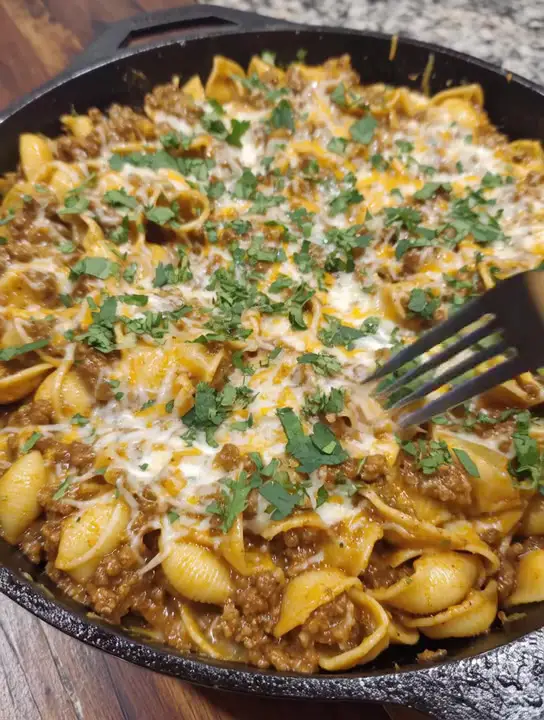
Cheesy Enchilada Hamburger Helper is the ultimate weeknight comfort food mashup—blending the nostalgic convenience of classic Hamburger Helper with the bold, zesty flavors of Mexican-inspired enchiladas and a rich, melty blanket of cheese. This elevated take transforms pantry staples into a deeply satisfying, restaurant-worthy dish that’s ready in under 30 minutes, requires only one pot (for minimal cleanup), and delivers layers of savory ground beef, warm spices, tender pasta, creamy sauce, and gooey, golden-brown cheese. Whether you’re feeding a busy family, hosting casual game-day guests, or simply craving something hearty and soul-warming without hours in the kitchen, this recipe checks every box: approachable for beginners, endlessly adaptable for seasoned cooks, and irresistibly delicious for picky eaters and food enthusiasts alike.
The History
Hamburger Helper was first introduced by General Mills in 1971 as an innovative solution to rising meat prices and time-strapped American households. Marketed as “the original one-pot meal,” it combined dehydrated pasta, powdered seasoning, and instructions to add ground beef and water—making dinner fast, affordable, and consistent. Over the decades, the brand expanded into dozens of flavor profiles, from Cheesy Skillet to Pasta Roni crossovers. Meanwhile, Tex-Mex cuisine surged in national popularity—from the 1950s onward—with enchiladas evolving from regional Southwestern fare into mainstream favorites featuring rolled tortillas, chili-infused sauces, and generous cheese toppings. The fusion of these two culinary icons—Hamburger Helper and enchilada flavors—began organically in home kitchens in the early 2000s, accelerated by food blogs, Pinterest recipe hacks, and YouTube cooking channels. Home cooks started swapping out the standard milk-and-butter base for canned green chiles, adding cumin and smoked paprika, folding in Monterey Jack and sharp cheddar, and finishing with fresh cilantro and lime. Today, Cheesy Enchilada Hamburger Helper stands as a beloved hybrid: a testament to American pantry ingenuity, cultural flavor exchange, and the universal desire for fast, flavorful, family-pleasing meals.
Ingredients Breakdown
Every ingredient in this Cheesy Enchilada Hamburger Helper serves a distinct purpose—building depth, balancing heat, enhancing texture, and amplifying umami. Let’s explore them in detail:
- Ground Beef (85/15 or 90/10): Provides rich, savory base notes and essential protein. Leaner blends reduce grease but may sacrifice some mouthfeel; fattier cuts add juiciness and natural flavor—just be sure to drain excess fat after browning for optimal sauce consistency.
- Onion & Garlic: A foundational aromatic duo—yellow or white onion adds sweetness and body when sautéed, while fresh minced garlic contributes pungent, earthy complexity that blooms under heat.
- Chipotle in Adobo Sauce: Not just for heat—it brings smoky depth, tangy acidity, and subtle fruitiness. Even ½ teaspoon transforms the entire profile; finely mince or blend into a paste for even distribution.
- Spice Blend: A custom mix of chili powder (ancho-based preferred for mild fruit-forward heat), ground cumin (earthy warmth), smoked paprika (for campfire nuance), oregano (Mexican variety if available), and a pinch of cocoa powder (a traditional mole secret that deepens richness without detectable chocolate flavor).
- Tomato Paste: Concentrated umami powerhouse—cooking it for 1–2 minutes (“blooming”) caramelizes its sugars and eliminates raw acidity, laying the groundwork for a robust, layered sauce.
- Canned Diced Tomatoes with Green Chiles (e.g., Ro-Tel Mild or Hot): Adds bright acidity, vegetal freshness, and authentic Southwestern character. The green chiles contribute gentle heat and herbal brightness; opt for fire-roasted versions for extra dimension.
- Beef Broth (low-sodium preferred): Provides savory depth and liquid volume without oversalting. Homemade or high-quality store-bought broth makes a measurable difference in final savoriness versus plain water.
- Hamburger Helper Original Flavor Box (or equivalent generic stovetop pasta mix): Supplies the signature small elbow macaroni and proprietary seasoning blend—including MSG-free autolyzed yeast extract, hydrolyzed soy protein, and natural flavors—that gives the dish its unmistakable “Helper” backbone. Note: While homemade pasta and seasoning are possible, using the boxed version preserves authenticity and guarantees perfect starch release for thickening.
- Milk (whole or 2%): Adds creaminess and tempers spice. Evaporated milk can be substituted for extra richness and caramelized sweetness.
- Cheeses: A triple-layered approach ensures balance: Monterey Jack for meltability and mild buttery notes, sharp cheddar for tang and color, and queso fresco or cotija (added at the end) for salty, crumbly contrast and authentic finish.
- Fresh Garnishes: Chopped cilantro (citrusy lift), pickled red onions (bright acidity and crunch), sliced jalapeños (fresh heat), avocado or guacamole (cooling creaminess), and a squeeze of lime juice (essential brightness that cuts through richness).
Step-by-Step Recipe
- Prep & Gather: Dice 1 medium yellow onion; mince 3 cloves garlic; measure all spices, cheeses, and liquids. Have all ingredients within arm’s reach—this is a fast-paced, sequential process.
- Sauté Aromatics: Heat 1 tbsp neutral oil (avocado or canola) in a heavy-bottomed 4- to 5-quart Dutch oven or deep skillet over medium heat. Add onions and cook 4–5 minutes until translucent and fragrant. Stir in garlic and chipotle paste; cook 1 minute until aromatic—do not burn.
- Bloom the Spices: Add 1½ tsp chili powder, 1 tsp ground cumin, ¾ tsp smoked paprika, ½ tsp dried oregano, and a pinch of cocoa powder (⅛ tsp). Stir constantly for 30–45 seconds until fragrant and slightly darkened—this unlocks volatile oils and deepens flavor exponentially.
- Build Umami Base: Push aromatics to the side, add 2 tbsp tomato paste to the cleared space, and cook 2 minutes, stirring frequently, until it darkens to brick-red and pulls away from the pan.
- Brown the Beef: Add 1 lb lean ground beef. Break into fine crumbles with a wooden spoon. Cook 6–8 minutes until fully browned and no pink remains. Drain excess fat if desired (leave ~1 tbsp for flavor).
- Simmer the Sauce Base: Stir in 1 (10 oz) can diced tomatoes with green chiles (undrained), 1 cup low-sodium beef broth, and ½ cup water. Bring to a gentle simmer and cook 5 minutes to meld flavors and reduce raw tomato taste.
- Add Pasta & Seasoning: Pour in the entire contents of 1 box (about 2.8 oz) Hamburger Helper Original Flavor mix—including pasta and seasoning packet. Stir well to combine and break up any clumps.
- Simmer to Cook Pasta: Reduce heat to low-medium. Cover and simmer gently for 12–14 minutes, stirring every 3–4 minutes to prevent sticking and ensure even cooking. Pasta should be al dente—not mushy—and liquid mostly absorbed, with a creamy, cohesive sauce forming.
- Incorporate Dairy: Remove from heat. Stir in ¾ cup whole milk (or evaporated milk) and ¼ cup sour cream (optional but highly recommended for tang and silkiness). Let sit covered 2 minutes to temper and thicken.
- Melt the Cheese: Return to lowest heat. Gradually stir in 1 cup shredded Monterey Jack and 1 cup shredded sharp cheddar until fully melted and glossy—about 90 seconds. Avoid boiling, which can cause separation.
- Rest & Finish: Remove from heat. Fold in ¼ cup crumbled queso fresco or cotija. Cover and let rest 5 minutes—this allows starches to fully hydrate, sauce to settle, and cheese to integrate seamlessly.
- Garnish & Serve: Top generously with fresh cilantro, pickled red onions, avocado slices, lime wedges, and extra jalapeños. Serve hot in wide bowls with warm flour tortillas or tortilla chips on the side.
Tips
- Don’t Skip the Spice Bloom: Toasting dry spices in fat before adding liquid is non-negotiable—it transforms flat, dusty notes into vibrant, rounded warmth. Set a timer so you don’t walk away!
- Control Your Liquid: Humidity, altitude, and stove output vary. If sauce looks too thin after 12 minutes, uncover and simmer 1–2 minutes longer. Too thick? Stir in 1–2 tbsp warm broth or milk.
- Shred Your Own Cheese: Pre-shredded cheeses contain anti-caking agents (like cellulose) that inhibit smooth melting and can lead to graininess or stringiness. Freshly grated melts evenly and tastes superior.
- Acid Is Your Friend: A final squeeze of lime juice (½ lime per serving) right before eating lifts the entire dish—cutting richness, brightening spices, and balancing salt. Never skip this step.
- Resting Time Matters: That 5-minute covered rest isn’t optional—it allows residual heat to finish cooking the pasta cores, lets starches fully gelatinize for ideal creaminess, and prevents cheese from seizing when stirred in.
- Low-and-Slow Cheese Melt: Always remove from direct heat before adding cheese. Stir gently in stages—adding cold dairy directly to boiling sauce causes curdling and separation.
- Upgrade Your Broth: Use a high-quality, low-sodium beef or roasted tomato broth. Better broth = deeper, more complex savory notes without added salt overload.
- Toast Your Tortillas: Lightly char corn or flour tortillas over a gas flame or in a dry skillet for 15 seconds per side. This adds nuttiness, improves pliability, and prevents sogginess when used for scooping.
- Batch Cooking Hack: Double the base (beef, aromatics, spices, tomatoes) and freeze half before adding pasta/milk/cheese. Thaw overnight, then proceed with remaining steps for fresh-tasting meals anytime.
- Leftover Magic: Transform leftovers into enchilada “cups”—press into muffin tins lined with corn tortillas, top with extra cheese, bake at 375°F for 12–15 minutes, and serve with crema.
Variations and Customizations
This recipe thrives on personalization—here are tested, crowd-pleasing adaptations across dietary needs and flavor preferences:
- Vegetarian Version: Swap ground beef for 1½ cups cooked black beans + 1 cup crumbled tempeh or textured vegetable protein (TVP) rehydrated in broth. Boost umami with 1 tsp soy sauce or tamari and ½ tsp nutritional yeast. Use vegetable broth and omit Worcestershire.
- Chicken Enchilada Helper: Substitute 1 lb diced boneless, skinless chicken breast or thigh. Sear in batches until golden, then proceed. Add ½ tsp dried epazote (if available) for authentic Oaxacan flair.
- Spicy Fire-Roasted: Use Ro-Tel Hot, add 1 minced serrano pepper with seeds, include 1 tsp adobo sauce from chipotles, and finish with pickled habanero rings.
- Creamy Verde Style: Replace tomato-based components with 1 (15 oz) can green enchilada sauce, 1 cup roasted tomatillos, and ½ cup chopped fresh cilantro stems (added with aromatics). Use pepper jack instead of cheddar.
- Gluten-Free: Use certified GF Hamburger Helper (General Mills offers a GF version) or substitute with 1¾ cups GF small pasta (like brown rice elbows) and increase broth by ¼ cup. Confirm all spices and broths are GF-certified.
- Keto/Low-Carb: Omit pasta entirely. Replace with 2 cups riced cauliflower (sautéed separately until tender), ½ cup sliced mushrooms, and extra cheese. Thicken sauce with 1 tsp xanthan gum whisked into cold broth before adding.
- Breakfast Enchilada Skillet: Add 4 beaten eggs and ¼ tsp turmeric during the last 2 minutes of cooking—stir gently to create soft scrambled ribbons. Top with crumbled chorizo and crumbled queso fresco.
- Smoky BBQ Fusion: Stir in 2 tbsp Kansas City–style BBQ sauce and 1 tsp liquid smoke with the tomatoes. Top with crispy fried onions and crumbled blue cheese instead of cheddar.
- Seafood Twist: Replace beef with 12 oz medium shrimp (peeled, deveined) and 6 oz white fish (cod or tilapia), added in the last 4 minutes of simmering. Finish with lime zest and chopped dill.
- Breakfast-for-Dinner Brunch Version: Stir in ½ cup crumbled breakfast sausage, ¼ cup diced red bell pepper, and 2 tbsp chopped green onions. Top with fried eggs and sriracha aioli.
Health Considerations and Nutritional Value
A single 1¾-cup serving (approximately 1/6th of the full recipe) provides roughly:
- Calories: 420–470 kcal
- Protein: 28–32 g (excellent source—supports muscle maintenance and satiety)
- Total Fat: 18–22 g (with 9–11 g saturated fat—moderate; balanced by monounsaturated fats from cheese and olive oil)
- Carbohydrates: 38–42 g (including 3–4 g dietary fiber from tomatoes, onions, and spices)
- Sodium: 780–950 mg (varies by broth and Ro-Tel choice—opt for low-sodium versions to stay under 1,000 mg per serving, aligning with AHA guidelines)
- Vitamins & Minerals: Rich in iron (from beef), vitamin A (from chiles, paprika, cheese), vitamin C (from tomatoes, lime), calcium (from dairy), and B vitamins (especially B12 and niacin from beef).
Smart Swaps for Health-Conscious Cooks:
- Use grass-fed ground beef for higher omega-3s and CLA (conjugated linoleic acid).
- Substitute half the cheese with ricotta or part-skim mozzarella to lower saturated fat while maintaining creaminess.
- Increase vegetables: Stir in 1 cup baby spinach or kale during the last 2 minutes—or add ½ cup roasted sweet potato cubes with the broth.
- Boost fiber: Mix in 2 tbsp ground flaxseed or chia seeds with the milk for heart-healthy omega-3s and soluble fiber.
- Reduce sodium naturally: Omit added salt, rely on herbs (cilantro, epazote), citrus, and fermented elements (pickled onions, lime) for flavor complexity.
- For blood sugar management: Pair with a side salad dressed in apple cider vinegar (lowers glycemic response) and serve with a small portion of black beans for added resistant starch.
Note: While convenient and nutrient-dense, this dish is best enjoyed as part of a varied, whole-foods-based diet—not daily—but absolutely appropriate 2–3 times weekly as a balanced, protein-forward centerpiece.
Ingredients
- 1 tbsp neutral oil (avocado, canola, or light olive oil)
- 1 medium yellow onion, finely diced (~1 cup)
- 3 cloves garlic, minced
- 1–2 tsp chipotle peppers in adobo sauce, finely minced (start with 1 tsp)
- 1½ tsp chili powder (ancho or New Mexico blend)
- 1 tsp ground cumin
- ¾ tsp smoked paprika
- ½ tsp dried Mexican oregano
- ⅛ tsp unsweetened cocoa powder (optional but recommended)
- 2 tbsp tomato paste
- 1 lb 85/15 or 90/10 ground beef
- 1 (10 oz) can diced tomatoes with green chiles (Ro-Tel Mild or Hot), undrained
- 1 cup low-sodium beef broth
- ½ cup water
- 1 box (2.8 oz) Hamburger Helper Original Flavor (or equivalent stovetop pasta mix)
- ¾ cup whole milk or evaporated milk
- ¼ cup full-fat sour cream (optional, for extra tang and silkiness)
- 1 cup shredded Monterey Jack cheese
- 1 cup shredded sharp cheddar cheese
- ¼ cup crumbled queso fresco or cotija cheese
- Fresh cilantro leaves, for garnish
- Pickled red onions, for garnish
- Sliced jalapeños or serranos, for garnish
- Lime wedges, for serving
- Avocado slices or guacamole, for serving
Directions
- Heat oil in a 4–5 quart heavy-bottomed Dutch oven or deep skillet over medium heat. Add diced onion and sauté for 4–5 minutes until soft and translucent.
- Add minced garlic and chipotle paste. Cook 1 minute, stirring constantly, until fragrant.
- Stir in chili powder, cumin, smoked paprika, oregano, and cocoa powder. Toast spices 30–45 seconds, stirring continuously, until deeply aromatic.
- Push mixture to edges of pan. Add tomato paste to center and cook 2 minutes, stirring often, until darkened and caramelized.
- Add ground beef. Break apart with a wooden spoon and cook 6–8 minutes until fully browned and no pink remains. Drain excess fat if desired, leaving ~1 tbsp.
- Stir in diced tomatoes with green chiles, beef broth, and water. Bring to a gentle simmer and cook 5 minutes.
- Add entire contents of Hamburger Helper box (pasta and seasoning packet). Stir well to combine and break up clumps.
- Cover and simmer gently for 12–14 minutes, stirring every 3–4 minutes, until pasta is tender and liquid is mostly absorbed (sauce should be creamy, not soupy).
- Remove from heat. Stir in milk and sour cream (if using). Cover and let stand 2 minutes.
- Return to lowest heat. Gradually stir in Monterey Jack and cheddar until fully melted and smooth—about 90 seconds. Do not boil.
- Remove from heat. Gently fold in queso fresco or cotija. Cover and rest 5 minutes.
- Serve hot, generously garnished with fresh cilantro, pickled red onions, jalapeños, lime wedges, and avocado.
FAQ
- Can I make this in a slow cooker?
- Yes—with adjustments: Brown beef and sauté aromatics first on stove. Transfer to slow cooker with tomatoes, broth, spices, and tomato paste. Cook on LOW 4 hours. Stir in uncooked pasta, milk, and cheese during last 30 minutes. Note: Texture will be softer; use less liquid (½ cup broth only) to compensate.
- Can I freeze leftovers?
- Absolutely—cool completely, portion into airtight containers, and freeze up to 3 months. Thaw overnight in fridge. Reheat gently on stove with 1–2 tbsp broth or milk to restore creaminess. Avoid microwaving uncovered—it dries out quickly.
- Why does my sauce separate or look greasy?
- Most commonly caused by boiling after adding cheese, using pre-shredded cheese (with cellulose), or adding cold dairy to hot mixture. Always remove from heat before adding cheese and milk, and stir gently off-heat.
- What if I don’t have chipotle?
- Substitute ¼ tsp cayenne + ½ tsp smoked paprika + 1 tsp apple cider vinegar for smoky heat and tang. Or use 1 tsp ancho chili powder + ¼ tsp liquid smoke.
- Can I use ground turkey or plant-based crumbles?
- Yes—use 93% lean ground turkey and add 1 tsp soy sauce + ½ tsp poultry seasoning for depth. For plant-based, choose soy- or pea-protein crumbles and use vegetable broth; add 1 tsp miso paste with tomato paste for umami.
- Is there a way to make it spicier without overwhelming heat?
- Layer heat thoughtfully: use fire-roasted tomatoes, add chipotle seeds (not just the pepper), stir in ¼ tsp cayenne with spices, and top with fresh serranos. Balance with extra lime and avocado.
- Can I prepare this ahead for meal prep?
- Yes—cook through Step 8 (before adding dairy/cheese), cool, and refrigerate up to 4 days. When ready, reheat gently with ¼ cup broth, then stir in milk and cheese as directed. Fresh garnishes should always be added at serving.
- What pasta works best if I want to go fully homemade?
- Small shapes hold sauce best: elbow macaroni, mini penne, ditalini, or orecchiette. Cook pasta to *very* al dente (1–2 minutes less than package directs) since it finishes cooking in the sauce.
- Why does my dish taste bland even though I followed the recipe?
- Blandness usually stems from under-toasted spices, skipping the tomato paste bloom, using low-quality broth, or omitting the finishing lime/cilantro. Taste and adjust: add a pinch of salt, splash of lime, or dash of smoked paprika just before serving.
- Can kids handle the spice level?
- Easily—use Ro-Tel Mild, omit chipotle entirely, and add 1 tsp honey or maple syrup with the tomatoes to round out acidity. Serve with extra cheese and avocado to mellow flavors.
Summary
Cheesy Enchilada Hamburger Helper is a brilliantly simple yet deeply flavorful one-pot fusion that honors both Midwestern pantry practicality and vibrant Southwestern tradition—delivering restaurant-quality comfort in under 30 minutes with minimal cleanup.
Packed with savory protein, creamy melted cheese, warming spices, and bright finishing touches, it’s endlessly customizable for dietary needs, heat preferences, and seasonal produce—making it a timeless, weeknight-defining staple for generations to come.