Introduction
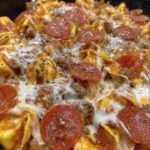
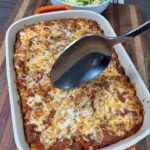
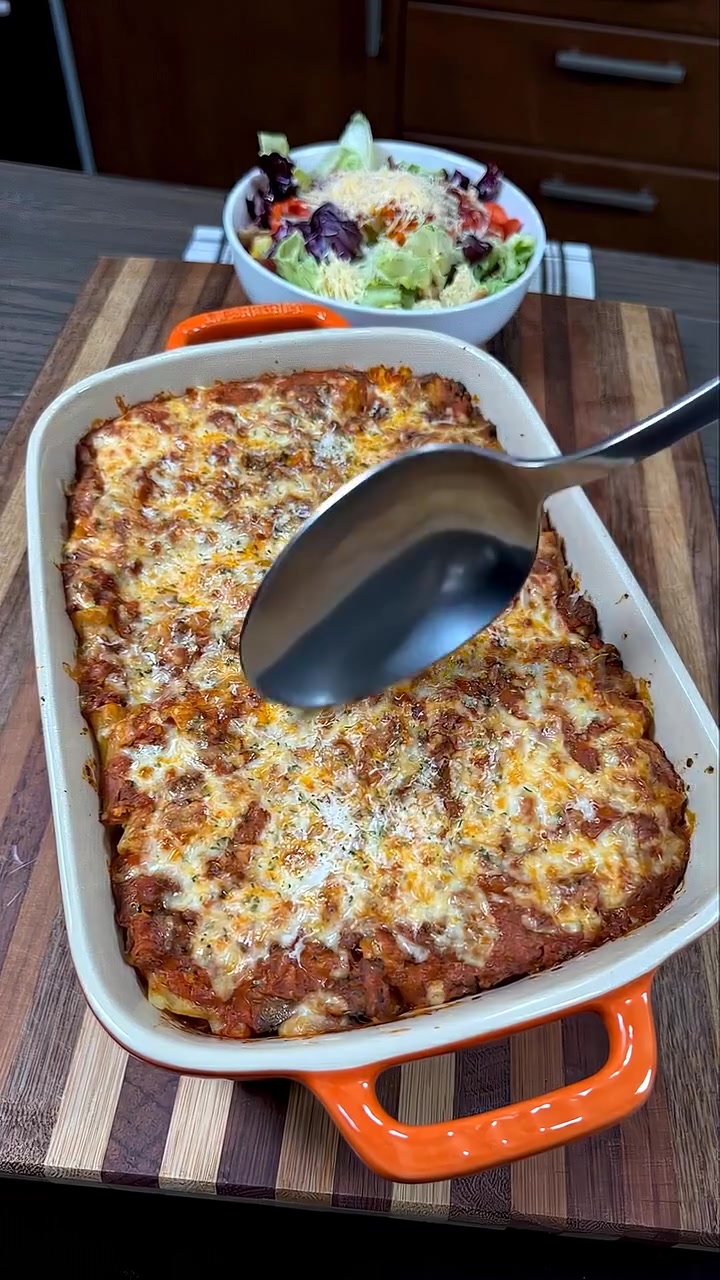
Welcome to the ultimate guide to Cheesy Baked Rigatoni Pasta — a beloved, soul-warming Italian-American classic that brings together tender pasta tubes, rich tomato sauce, creamy ricotta and mozzarella cheeses, and a golden, bubbling crust that crackles with every forkful. This isn’t just dinner — it’s comfort in casserole form: hearty enough for family gatherings, elegant enough for weekend entertaining, and forgiving enough for weeknight cooking. Whether you’re a seasoned home cook or a beginner navigating your first baked pasta, this comprehensive resource will walk you through every nuance — from its cultural roots to smart substitutions, science-backed layering techniques, and nutrition-conscious tweaks — ensuring your rigatoni emerges perfectly al dente, luxuriously cheesy, and irresistibly aromatic every single time.
The History
Cheesy Baked Rigatoni Pasta is a quintessential product of Italian-American culinary evolution — a delicious fusion born from necessity, ingenuity, and immigrant resourcefulness in early-to-mid 20th century America. While traditional Italian pasta dishes were typically served fresh and sauced (not baked), Italian immigrants adapted their recipes to suit American kitchens, pantry staples, and evolving family dynamics. Rigatoni — with its ridged, tubular shape originating from central and southern Italy (particularly Lazio and Campania) — was ideal for capturing thick sauces and holding up to oven baking. Its name derives from the Italian word rigato, meaning “ridged,” a feature intentionally designed to grip sauce and cheese. As canned tomatoes, mild American mozzarella, and affordable ricotta became widely available in U.S. grocery stores post-WWII, home cooks began layering these ingredients into casseroles — transforming simple pasta into celebratory centerpieces for Sunday dinners, holidays, and potlucks. By the 1950s and ’60s, baked rigatoni appeared in church cookbooks, regional Italian-American community guides, and national publications like Woman’s Day and Bon Appétit, cementing its status as an enduring staple of American comfort food. Today, it continues to evolve — with artisanal cheese blends, heirloom tomato varietals, plant-based alternatives, and global flavor infusions — yet remains deeply rooted in tradition, hospitality, and the unifying power of shared meals.
Ingredients Breakdown
Understanding each ingredient’s role is key to mastering Cheesy Baked Rigatoni Pasta — not just as a list, but as a symphony of texture, moisture, fat, acidity, and umami. Below is a detailed functional breakdown:
- Rigatoni Pasta (16 oz / ~450g): The structural backbone. Its large diameter and deep ridges trap sauce and prevent clumping; its thickness ensures it holds up during both boiling and baking without turning mushy. Opt for bronze-die extruded rigatoni for superior sauce adhesion.
- Olive Oil (2 tbsp): Used for sautéing aromatics and brushing the baking dish — adds fruitiness, prevents sticking, and contributes to browning.
- Yellow Onion (1 medium, finely diced): Provides foundational sweetness and depth when caramelized slowly. Avoid over-browning to preserve moisture balance.
- Garlic (4–5 cloves, minced): Adds pungent, savory complexity. Added late in sautéing to prevent bitterness.
- Crushed San Marzano Tomatoes (28 oz can, preferably DOP-certified): The gold standard for sauce — low acidity, high sweetness, dense flesh, and natural umami. Crushed (not pureed) preserves subtle texture.
- Tomato Paste (3 tbsp): Concentrated umami booster and natural thickener. Cooked until brick-red and fragrant (“blooming”) to eliminate raw taste and deepen flavor.
- Dry Red Wine (½ cup, e.g., Chianti or Sangiovese): Adds brightness, tannic structure, and complexity. Evaporates fully during simmering, leaving only aromatic depth.
- Fresh Basil (¼ cup chopped, plus whole leaves for garnish): Sweet, peppery, floral notes — added at the end of sauce prep to preserve volatile oils.
- Fresh Oregano (1 tbsp chopped): Earthy, slightly minty backbone — use sparingly to avoid overpowering.
- Whole-Milk Ricotta Cheese (16 oz / 2 cups): The creamy, tangy, protein-rich binder. Whole-milk version provides optimal richness and moisture retention; low-fat ricotta separates and weeps during baking.
- Whole-Milk Mozzarella (16 oz, shredded fresh, not pre-shredded): Melts smoothly, stretches beautifully, and browns evenly. Pre-shredded contains anti-caking starches that inhibit melt and cause greasiness.
- Grated Parmigiano-Reggiano (1 cup, finely grated): Salty, nutty, umami-rich finisher — enhances browning and adds granular texture contrast.
- Freshly Ground Black Pepper (1 tsp): Pungent warmth that balances sweetness; always grind fresh for maximum aroma.
- Kosher Salt (to taste, approx. 2 tsp total): Essential for seasoning layers individually — underseasoned sauce or cheese leads to flat flavor, even with generous final topping.
- Optional Add-Ins: Sautéed mushrooms (umami), spinach (nutrient density), cooked Italian sausage (meaty richness), roasted red peppers (sweetness), or a splash of heavy cream (luxury silkiness).
Step-by-Step Recipe
- Preheat & Prep: Position oven rack to center position. Preheat oven to 375°F (190°C). Lightly grease a 9×13-inch (3-qt) ceramic or glass baking dish with olive oil or nonstick spray. Set aside.
- Parboil Rigatoni: Bring 5 quarts well-salted water (2 tbsp kosher salt) to a rolling boil. Add rigatoni and cook for exactly 6–7 minutes — just shy of al dente (it should offer slight resistance when bitten). Drain thoroughly in a colander, then rinse *briefly* with warm water (not cold — to avoid shocking starches) and toss with 1 tbsp olive oil to prevent sticking. Spread on a parchment-lined sheet tray to cool slightly and release steam.
- Build the Sauce Base: In a large Dutch oven or heavy-bottomed pot, heat 2 tbsp olive oil over medium-low heat. Add diced onion and cook gently for 8–10 minutes until translucent and sweet (not browned). Stir in minced garlic and cook 1 minute until fragrant. Push aromatics to edges, add tomato paste to center, and cook, stirring constantly, for 3–4 minutes until darkened and caramelized.
- Develop Flavor Layers: Pour in red wine, scraping bottom to deglaze. Simmer 2 minutes until nearly evaporated. Add crushed tomatoes, 1 tsp salt, ½ tsp black pepper, dried oregano, and half the fresh basil. Bring to a gentle simmer, then reduce heat to low. Partially cover and cook for 25–30 minutes, stirring occasionally, until sauce thickens slightly and flavors meld. Stir in remaining fresh basil. Taste and adjust salt/pepper. Cool sauce 10 minutes (prevents ricotta from curdling).
- Prepare Cheese Mixture: In a large bowl, combine ricotta, 1 cup shredded mozzarella, ¾ cup grated Parmigiano-Reggiano, ½ tsp black pepper, and ½ tsp salt. Mix gently with a spatula until smooth and homogenous — no streaks. Fold in ¼ cup of cooled sauce to temper and loosen consistency.
- Layer with Intention: In prepared baking dish, spread 1 cup of sauce evenly across bottom (prevents sticking and adds moisture). Add half the parboiled rigatoni in an even layer. Spoon half the ricotta mixture over pasta and gently spread with offset spatula (don’t press down hard). Drizzle with ½ cup more sauce. Repeat layers: remaining rigatoni, remaining ricotta mixture, and remaining sauce. Top with remaining 1 cup mozzarella and final ¼ cup Parmigiano-Reggiano.
- Bake with Precision: Cover tightly with aluminum foil (tent slightly to prevent cheese from touching foil). Bake 25 minutes. Remove foil and bake uncovered 15–20 minutes until top is deeply golden, cheese is blistered and bubbling at edges, and internal temperature reaches 165°F (74°C) when checked with an instant-read thermometer inserted into center.
- Rest is Non-Negotiable: Remove from oven and let rest, uncovered, for full 20 minutes. This allows starches to set, cheese to re-emulsify, and layers to cohere — preventing a soupy or separated casserole. Cutting too soon releases steam and causes collapse.
- Serve with Care: Use a sharp chef’s knife or serrated bread knife to cut clean squares. Garnish with extra fresh basil, a drizzle of high-quality olive oil, and flaky sea salt if desired.
Tips
- Starch is Your Friend — But Don’t Waste It: Reserve ½ cup starchy pasta water before draining. If sauce seems too thick before mixing with pasta, stir in 1–2 tbsp to enhance silkiness and binding without diluting flavor.
- Undercook, Then Trust the Oven: Rigatoni should be toothsome after boiling — it absorbs liquid and softens further during baking. Overcooking leads to disintegration.
- Temperature Control is Key: Never mix hot sauce directly into cold ricotta — it will seize and grain. Let sauce cool to lukewarm (about 110°F) before folding in.
- Shred Your Own Cheese: Pre-shredded cheeses contain cellulose and potato starch — they don’t melt smoothly and create oily puddles. Freshly shredded mozzarella and hand-grated Parmigiano-Reggiano yield superior texture and browning.
- Go Heavy on the Ridges: Choose rigatoni with pronounced, deep grooves — they hold more cheese and sauce per bite than smoother pastas like penne.
- Layering Order Matters: Always start and end with sauce — never with cheese directly on the dish bottom (causes burning) or on top without sauce underneath (dries out). Sauce between layers keeps everything moist.
- Golden Crust Hack: For extra browning, broil uncovered for 60–90 seconds at the very end — watch constantly! Alternatively, brush exposed cheese with melted butter mixed with garlic powder before final bake.
- Even Cooling Prevents Condensation: After resting, loosely tent with foil for 5 minutes before serving — avoids trapped steam softening the top crust.
- Make-Ahead Friendly: Assemble unbaked casserole up to 24 hours ahead. Refrigerate covered. Add 5–10 minutes to covered bake time if going straight from fridge to oven.
- Reheat Like a Pro: Leftovers reheat best covered with damp paper towel in microwave (30-sec intervals) or in a 325°F oven, covered with foil, for 20–25 minutes until heated through.
Variations and Customizations
This recipe is gloriously adaptable — whether accommodating dietary needs, seasonal produce, global inspirations, or pantry limitations. Here are thoughtfully tested variations:
- Meat Lover’s Rigatoni: Brown 1 lb Italian sausage (sweet or hot) with onions, remove, then proceed. Stir cooked meat back into sauce. Optional: add ½ cup cooked pancetta or ground beef for deeper savoriness.
- Garden Veggie Rigatoni: Sauté 2 cups diced zucchini, eggplant, and bell peppers with onions. Add 2 cups fresh baby spinach at the end of sauce simmering. Boost with roasted cherry tomatoes and fresh thyme.
- “Not-Your-Mama’s” Mediterranean Rigatoni: Swap tomato sauce for sun-dried tomato pesto + lemon zest + kalamata olives + crumbled feta + artichoke hearts. Use provolone instead of mozzarella.
- Smoky Chipotle Rigatoni: Add 1–2 tsp chipotle in adobo (minced) and 1 tsp smoked paprika to sauce. Top with cotija and pickled red onions.
- White Rigatoni (Bianca Style): Replace tomato sauce with roasted garlic Alfredo (heavy cream, butter, roasted garlic, Parmigiano, nutmeg). Fold in sautéed wild mushrooms and fresh parsley.
- Gluten-Free Rigatoni: Use certified GF rigatoni (brown rice or lentil-based). Boil 1 minute less — GF pasta overcooks faster. Add 1 tsp xanthan gum to ricotta mixture to improve binding.
- Vegan Rigatoni: Substitute cashew ricotta (soaked cashews, lemon, nutritional yeast, garlic), coconut milk–based “mozzarella,” and vegan Parmesan. Use roasted red pepper sauce instead of tomato for depth.
- Low-Carb/Keto Rigatoni: Replace pasta with spiralized zucchini (“zoodles”) or baked cauliflower florets. Pre-salt and squeeze zoodles dry. Reduce bake time to 25 minutes total.
- Breakfast Rigatoni: Add scrambled eggs, crumbled breakfast sausage, cheddar, and chives to ricotta mixture. Top with crispy bacon and serve with hot sauce.
- Seafood Rigatoni: Fold in 1 cup cooked shrimp, calamari, and scallops (add last 5 minutes of sauce simmer). Finish with lemon juice, dill, and Pecorino Romano.
Health Considerations and Nutritional Value
A 1-cup (approx. 240g) serving of traditional Cheesy Baked Rigatoni Pasta delivers approximately:
- Calories: 420–480 kcal
- Protein: 22–26g (from dairy, eggs if used in ricotta, optional meat)
- Total Fat: 18–22g (mostly unsaturated from olive oil and cheese; saturated fat ~10g)
- Carbohydrates: 42–48g (primarily complex carbs from durum wheat pasta)
- Fiber: 2.5–3.5g (enhance with whole-wheat rigatoni or added veggies)
- Sodium: 680–850mg (reducible by using low-sodium tomatoes and controlling added salt)
- Vitamins & Minerals: Rich in calcium (35% DV), vitamin B12, phosphorus, selenium, lycopene (from tomatoes), and antioxidants from herbs and olive oil.
Health-Conscious Tweaks:
- Boost Fiber & Micronutrients: Stir 2 cups finely chopped spinach or kale into warm sauce before layering — it wilts invisibly and adds iron, folate, and vitamins A/C/K.
- Reduce Saturated Fat: Use part-skim ricotta (still whole-milk preferred for texture) and reduce mozzarella by ¼ cup, replacing with crumbled goat cheese or feta for tang and less fat.
- Lower Sodium Smartly: Skip added salt in sauce; rely on herbs, citrus zest, roasted garlic, and high-quality Parmigiano for savoriness. Rinse canned tomatoes if using regular (not low-sodium) versions.
- Increase Protein Density: Add 1 cup cooked lentils or white beans to sauce — they blend seamlessly and boost fiber and plant-based protein.
- Optimize Glycemic Load: Choose whole-grain or legume-based rigatoni — increases satiety and slows glucose absorption.
- Mindful Portions: Serve with a large arugula salad dressed in lemon vinaigrette and shaved Parmigiano — adds volume, nutrients, and balances richness.
- For Lactose Sensitivity: Most aged cheeses (Parmigiano, aged mozzarella) are naturally low-lactose. Ricotta contains more lactose — consider lactase enzyme drops added to ricotta 30 minutes before mixing.
Note: While indulgent, this dish offers balanced macronutrients and bioactive compounds when prepared mindfully — making it both satisfying and nutritionally supportive within a varied diet.
Ingredients
- 16 oz (450g) bronze-die rigatoni pasta
- 2 tbsp extra-virgin olive oil, plus more for greasing
- 1 medium yellow onion, finely diced (about 1½ cups)
- 4–5 garlic cloves, minced
- 3 tbsp tomato paste
- ½ cup dry red wine (Chianti, Sangiovese, or Merlot)
- 1 (28 oz) can crushed San Marzano tomatoes (DOP-certified preferred)
- ¼ cup fresh basil leaves, chopped (plus whole leaves for garnish)
- 1 tbsp fresh oregano, chopped
- 1 tsp freshly ground black pepper, divided
- 2 tsp kosher salt, divided
- 16 oz (2 cups) whole-milk ricotta cheese
- 16 oz fresh mozzarella cheese, shredded (about 4 cups)
- 1 cup finely grated Parmigiano-Reggiano cheese (about 3 oz), divided
Directions
- Preheat oven to 375°F (190°C). Grease a 9×13-inch (3-quart) baking dish with olive oil.
- Bring 5 quarts water to boil. Add 2 tbsp kosher salt. Cook rigatoni for 6–7 minutes until just shy of al dente. Drain, rinse briefly with warm water, toss with 1 tbsp olive oil, and spread on sheet tray to cool.
- In a large Dutch oven, heat 2 tbsp olive oil over medium-low. Sauté onion 8–10 min until soft and sweet. Add garlic; cook 1 min. Push to edges, add tomato paste to center; cook 3–4 min until darkened.
- Pour in wine; deglaze, scraping browned bits. Simmer 2 min until reduced. Add crushed tomatoes, 1 tsp salt, ½ tsp pepper, oregano, and half the basil. Simmer uncovered 25–30 min until thickened. Stir in remaining basil. Cool 10 min.
- In a bowl, combine ricotta, 1 cup mozzarella, ¾ cup Parmigiano-Reggiano, ½ tsp pepper, and ½ tsp salt. Fold in ¼ cup cooled sauce.
- In baking dish, spread 1 cup sauce. Layer half rigatoni → half ricotta mixture → ½ cup sauce. Repeat. Top with remaining 1 cup mozzarella and ¼ cup Parmigiano-Reggiano.
- Cover tightly with foil. Bake 25 min. Uncover; bake 15–20 min until golden and bubbling (165°F internal temp).
- Rest uncovered 20 min. Cut into squares. Garnish with basil, olive oil, flaky salt.
FAQ
- Can I make this ahead of time?
- Absolutely. Assemble up to 24 hours in advance, cover tightly, and refrigerate. Add 5–10 minutes to covered bake time. For longer storage, freeze unbaked casserole (up to 3 months); thaw overnight in fridge before baking.
- Why does my baked rigatoni turn out dry?
- Most often due to overcooked pasta, insufficient sauce, or skipping the rest period. Ensure pasta is undercooked, sauce coats the back of a spoon (not runny), and always rest 20 minutes before cutting.
- Can I use no-boil pasta?
- Not recommended. No-boil rigatoni doesn’t exist commercially, and substituting no-boil lasagna noodles creates textural imbalance. Stick with traditional rigatoni and precise parboiling.
- What’s the best cheese substitute for someone allergic to cow’s milk?
- Try a blend of almond-based ricotta (blended almonds, lemon, nutritional yeast) and Miyoko’s mozzarella. For Parmigiano, use Violife or homemade hemp-seed “parm.” Note: melting behavior differs — reduce bake time slightly.
- My cheese didn’t brown — what went wrong?
- Common culprits: low oven temp, cheese too cold, or insufficient top-layer moisture. Ensure oven is properly preheated, use room-temp cheese, and brush exposed top with olive oil or butter before final uncovered bake.
- Can I add vegetables without making it soggy?
- Yes — but crucially, sauté or roast them first to drive off excess water (e.g., zucchini, mushrooms, spinach). Squeeze cooked spinach dry. Roast eggplant until tender and moisture evaporated.
- Is there a way to make it crispier on the bottom?
- Yes! After assembling, place dish on a preheated pizza stone or inverted baking sheet for the first 15 minutes of baking — radiant heat encourages crust formation.
- How do I scale this for a crowd?
- Double the recipe in two 9×13 dishes — do not triple in one pan (uneven cooking). Adjust bake time: same covered time, +5 min uncovered. Rotate pans halfway through.
- Can I use jarred marinara?
- You can — but quality varies wildly. Choose a low-sugar, olive oil–based brand with minimal additives. Simmer 10 minutes with extra garlic, herbs, and a splash of wine to deepen flavor and reduce excess water.
- Why did my ricotta curdle?
- Almost always due to mixing hot sauce into cold ricotta. Always cool sauce to lukewarm (~110°F) and temper ricotta by folding in ¼ cup sauce first before adding rest.
Summary
Cheesy Baked Rigatoni Pasta is a timeless, customizable, and deeply satisfying Italian-American casserole that rewards attention to detail — from selecting ridge-rich pasta and slow-simmered San Marzano sauce to layering with temperature-aware cheese blends and honoring the essential 20-minute rest.
Whether you’re feeding a family, meal-prepping for the week, or elevating a holiday table, this guide equips you with history, science, flexibility, and nutrition insights to craft a dish that’s consistently creamy, cheesy, robustly flavored, and unforgettable in its comforting excellence.