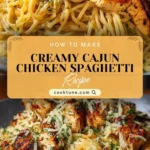
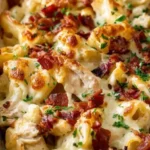
The Ultimate Cheesy Baked Macaroni Recipe: A Comfort Food Classic
There’s something undeniably comforting about a warm, golden-brown dish of cheesy baked macaroni fresh from the oven. With its creamy texture, rich cheesy flavor, and satisfying crunch on top, this timeless casserole has graced dinner tables across generations. Whether you’re preparing a family meal, hosting a potluck, or simply craving a hearty comfort food fix, cheesy baked macaroni never fails to deliver. This comprehensive guide dives deep into every aspect of this beloved dish—from its historical roots to ingredient nuances, detailed cooking instructions, creative variations, health insights, and expert tips—so you can master the art of creating the perfect mac and cheese bake.
The History of Cheesy Baked Macaroni
The origins of macaroni and cheese trace back centuries, with early versions appearing in 13th-century Italian cookbooks such as Liber de Coquina, which described a dish called “de lasanis” involving boiled pasta layered with grated cheese. However, it wasn’t until the dish crossed the Atlantic that it evolved into the baked casserole we know today. Thomas Jefferson famously introduced macaroni and cheese to American society after encountering it in Europe. He served it at a state dinner in 1802, sparking widespread interest.
By the early 20th century, especially during the Great Depression, macaroni and cheese became a staple due to its affordability and ability to feed large families with minimal ingredients. The invention of processed cheese and boxed mac and cheese by companies like Kraft in 1937 further popularized the dish. Over time, home cooks began enhancing the basic recipe with richer cheeses, breadcrumbs, and various add-ins, transforming it into a gourmet favorite. Today, cheesy baked macaroni is celebrated not just as a side dish but often as a star entrée at gatherings, holidays, and weeknight dinners alike.
Ingredients Breakdown: What Makes It Irresistibly Cheesy?
The magic of a truly exceptional baked macaroni lies in the quality and balance of its ingredients. Here’s a detailed breakdown of each component and why it matters:
- Elbow Macaroni: The classic choice for its ability to hold sauce. Its curved shape traps the cheesy mixture, ensuring every bite is flavorful. You can substitute with cavatappi, penne, or shells for variety.
- Butter: Adds richness and helps create a smooth roux when combined with flour, forming the base of the cheese sauce.
- All-Purpose Flour: Acts as a thickening agent in the roux, giving the sauce body without making it heavy.
- Milk: Whole milk is preferred for its creaminess, though half-and-half or even evaporated milk can be used for extra richness.
- Heavy Cream (optional): Elevates the sauce to luxurious levels, adding silkiness and depth.
- Dijon Mustard: A small amount enhances the cheese flavor without making the dish taste mustardy. It also helps emulsify the sauce.
- Garlic Powder and Onion Powder: Provide subtle savory depth and complexity.
- Nutmeg: Just a pinch enhances the overall warmth and complements the dairy notes.
- Salt and Black Pepper: Essential for seasoning and balancing flavors.
- Sharp Cheddar Cheese: The backbone of the dish, offering tangy, bold flavor. Aged cheddar melts beautifully and delivers that classic orange hue.
- Mozzarella Cheese: Adds stretch and gooeyness, contributing to that desirable melty texture.
- Gruyère or Fontina: These alpine cheeses melt smoothly and add nutty, complex notes that elevate the flavor profile.
- Parmesan Cheese: Salty and umami-rich, it intensifies the overall cheesiness and adds a slight sharpness.
- Breadcrumbs: Typically panko for extra crispiness, they form a golden crust when baked.
- Extra Butter (for topping): Tossed with breadcrumbs to ensure a buttery, crunchy finish.
- Fresh Parsley (optional): For a pop of color and freshness when garnishing.
Step-by-Step Recipe: Crafting the Perfect Cheesy Baked Macaroni
Follow these detailed steps to create a rich, creamy, and perfectly baked mac and cheese that will impress everyone at your table.
- Cook the Pasta: Bring a large pot of salted water to a boil. Add 1 pound (about 450g) of elbow macaroni and cook according to package instructions until al dente—usually about 8–9 minutes. Drain and set aside. Do not rinse, as the starch helps the sauce cling to the pasta.
- Preheat Oven: Set your oven to 375°F (190°C). Lightly grease a 9×13-inch baking dish with butter or non-stick spray.
- Make the Roux: In a large saucepan over medium heat, melt ½ cup (1 stick / 113g) of unsalted butter. Whisk in ½ cup (60g) all-purpose flour and cook for 2–3 minutes, stirring constantly, until the mixture is bubbly and golden blonde. This creates a smooth base for your sauce.
- Add Liquids: Gradually pour in 3 cups (720ml) of whole milk while whisking continuously to prevent lumps. Stir in ½ cup (120ml) of heavy cream if using. Continue cooking and stirring until the mixture thickens enough to coat the back of a spoon—about 5–7 minutes.
- Season the Sauce: Reduce heat to low. Stir in 1 teaspoon Dijon mustard, ½ teaspoon garlic powder, ½ teaspoon onion powder, ¼ teaspoon ground nutmeg, 1 teaspoon salt, and ½ teaspoon black pepper. Mix well to combine.
- Add the Cheese: Remove the saucepan from heat. Gradually add 4 cups (about 450g) shredded cheese, rotating between sharp cheddar, mozzarella, Gruyère, and Parmesan. Stir after each addition until fully melted and smooth. Taste and adjust seasoning if needed.
- Combine with Pasta: In a large bowl, mix the cooked macaroni with the cheese sauce until evenly coated. Pour the mixture into the prepared baking dish, spreading it out gently with a spatula.
- Prepare the Topping: In a small bowl, combine 1 cup (50g) panko breadcrumbs with 2 tablespoons melted butter and 2 tablespoons grated Parmesan. Sprinkle this mixture evenly over the macaroni.
- Bake: Place the dish in the preheated oven and bake for 25–30 minutes, or until the top is golden brown and the edges are bubbling. For an extra-crispy top, broil for 1–2 minutes at the end—watch closely to avoid burning.
- Rest and Serve: Let the macaroni rest for 5–10 minutes before serving. This allows the sauce to set slightly, making it easier to scoop. Garnish with chopped fresh parsley if desired.
Tips for the Best Results
- Shred Your Own Cheese: Pre-shredded cheese contains anti-caking agents that can make the sauce grainy. Shredding blocks of cheese yourself ensures a smoother melt.
- Avoid Overcooking the Pasta: Since the macaroni will continue to absorb sauce in the oven, undercooking it slightly (al dente) prevents mushiness.
- Use Room-Temperature Milk: Cold milk can cause the roux to seize or become lumpy. Warming it slightly beforehand promotes a smoother sauce.
- Layer the Cheese: Add harder cheeses (like cheddar and Parmesan) first, then softer melting ones (like mozzarella and Gruyère) last for optimal texture.
- Don’t Skip the Resting Time: Allowing the dish to sit after baking improves texture and makes serving cleaner.
- Test for Doneness: Insert a knife into the center—if it comes out hot, the dish is ready. If not, return it to the oven for a few more minutes.
- Double the Batch: This dish freezes well. Bake one now and freeze the other for a quick future meal.
Variations and Customizations
One of the greatest strengths of cheesy baked macaroni is its versatility. Here are some delicious ways to customize it:
- Buffalo Chicken Mac & Cheese: Add shredded cooked chicken tossed in buffalo sauce and top with blue cheese crumbles.
- Bacon & Jalapeño: Mix in crispy bacon bits and diced jalapeños for a smoky-spicy kick.
- Lobster Mac & Cheese: Fold in chunks of cooked lobster meat and use a touch of sherry in the sauce for an elegant twist.
- Vegetarian Garden Style: Stir in sautéed mushrooms, spinach, roasted red peppers, and peas for a colorful, nutritious version.
- Truffle Mac & Cheese: Drizzle with truffle oil or add a spoonful of truffle paste for a luxurious upgrade.
- Spicy Arrabbiata Style: Add crushed red pepper flakes and stir in marinara sauce for an Italian-inspired take.
- Gluten-Free Option: Use gluten-free pasta and swap flour for cornstarch or a gluten-free flour blend.
- Vegan Version: Use plant-based butter, non-dairy milk, and vegan cheese alternatives. Nutritional yeast can boost cheesy flavor.
- Breakfast Mac: Add scrambled eggs, diced ham, and chives for a brunch-worthy dish.
- Stuffed Shells Alternative: Use jumbo pasta shells filled with the cheese mixture and bake for individual servings.
Health Considerations and Nutritional Value
While cheesy baked macaroni is undeniably indulgent, there are ways to enjoy it mindfully and even adapt it for better nutritional balance.
Nutritional Profile (per serving, approximately 1/6 of recipe):
- Calories: ~550–650 kcal
- Total Fat: 30–40g (Saturated Fat: 18–22g)
- Carbohydrates: 50–60g
- Protein: 20–25g
- Fiber: 2–3g
- Sodium: 700–1000mg (depending on cheese and added salt)
- Calcium: ~30% of Daily Value
- Vitamin A, B12, Phosphorus: Present in moderate amounts
Healthier Modifications:
- Use Whole Wheat or Legume-Based Pasta: Increases fiber and protein content.
- Reduce Cheese, Increase Veggies: Lower cheese quantity slightly and bulk up with nutrient-rich vegetables like broccoli, zucchini, or kale.
- Lighter Dairy Options: Substitute part of the milk with low-fat or skim milk, and use reduced-fat cheese sparingly (though full-fat usually melts better).
- Lower Sodium: Choose low-sodium cheese and broth, and reduce added salt. Boost flavor with herbs instead.
- Smaller Portions: Serve as a side with a large salad or steamed greens to balance the meal.
- Healthy Fats: Replace some butter with olive oil for heart-healthy monounsaturated fats.
Full Ingredient List
- 1 pound (450g) elbow macaroni
- ½ cup (1 stick / 113g) unsalted butter, divided
- ½ cup (60g) all-purpose flour
- 3 cups (720ml) whole milk
- ½ cup (120ml) heavy cream (optional)
- 1 teaspoon Dijon mustard
- ½ teaspoon garlic powder
- ½ teaspoon onion powder
- ¼ teaspoon ground nutmeg
- 1 teaspoon salt (adjust to taste)
- ½ teaspoon black pepper
- 2 cups (225g) shredded sharp cheddar cheese
- 1 cup (115g) shredded mozzarella cheese
- ¾ cup (85g) shredded Gruyère or Fontina cheese
- ½ cup (45g) grated Parmesan cheese, divided
- 1 cup (50g) panko breadcrumbs
- Chopped fresh parsley, for garnish (optional)
Detailed Directions
- Bring a large pot of generously salted water to a rolling boil. Add the elbow macaroni and cook for 1 minute less than the package directs for al dente. Drain, toss lightly with a bit of oil to prevent sticking, and set aside.
- Preheat oven to 375°F (190°C). Grease a 9×13-inch casserole dish with butter or non-stick spray.
- In a large saucepan over medium heat, melt ¼ cup of butter. Whisk in flour and cook, stirring constantly, for 2–3 minutes until the roux turns light golden and smells nutty.
- Gradually pour in the milk and cream (if using), whisking continuously to prevent lumps. Cook for 5–7 minutes, stirring frequently, until the mixture thickens and coats the back of a spoon.
- Reduce heat to low. Stir in Dijon mustard, garlic powder, onion powder, nutmeg, salt, and pepper. Mix well.
- Remove from heat. Begin adding the shredded cheeses in batches, stirring until each addition is fully melted before adding the next. Start with cheddar, then mozzarella, Gruyère, and finally half of the Parmesan.
- Once the sauce is smooth and velvety, fold in the cooked macaroni until thoroughly combined. Transfer the mixture to the greased baking dish, spreading evenly.
- In a small bowl, mix panko breadcrumbs with remaining 2 tablespoons melted butter and the rest of the Parmesan. Sprinkle evenly over the macaroni.
- Bake uncovered for 25–30 minutes, until the top is golden brown and the sauce is bubbling around the edges.
- If desired, switch the oven to broil for 1–2 minutes to deepen the crust—monitor closely to avoid burning.
- Remove from oven and let stand for 5–10 minutes. Garnish with fresh parsley and serve warm.
Frequently Asked Questions (FAQ)
Can I make cheesy baked macaroni ahead of time?
Yes! Assemble the dish up to one day in advance, cover, and refrigerate. Add 5–10 minutes to the baking time if starting cold. You can also freeze it for up to 3 months—thaw in the fridge before baking.
Why is my cheese sauce grainy?
This usually happens when the cheese is overheated or when pre-shredded cheese with additives is used. Always remove the sauce from heat before adding cheese, and shred your own blocks.
How do I reheat leftovers?
Reheat in the oven at 350°F (175°C) with a splash of milk to restore moisture, or microwave individual portions with a damp paper towel on top.
Can I use different types of cheese?
Absolutely! Experiment with smoked gouda, provolone, pepper jack, or even brie (rind removed). Just ensure at least one good melting cheese is included.
What can I serve with baked macaroni?
It pairs wonderfully with grilled chicken, roasted vegetables, a crisp green salad, garlic bread, or BBQ ribs.
Is it possible to make it stovetop-only?
Yes, skip the baking step and add the breadcrumb topping under the broiler in an oven-safe dish, or toast the crumbs separately and sprinkle on top.
Can I make it without flour?
Yes, use a slurry of cornstarch and milk, or puree cauliflower or white beans to thicken the sauce naturally for a gluten-free, lower-carb option.
Summary
Cheesy baked macaroni is a soul-warming dish that combines tender pasta with a luxuriously creamy, multi-cheese sauce and a golden, buttery crust. With endless customization options and deep-rooted culinary history, it remains a cherished favorite for any occasion.