Introduction
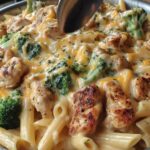
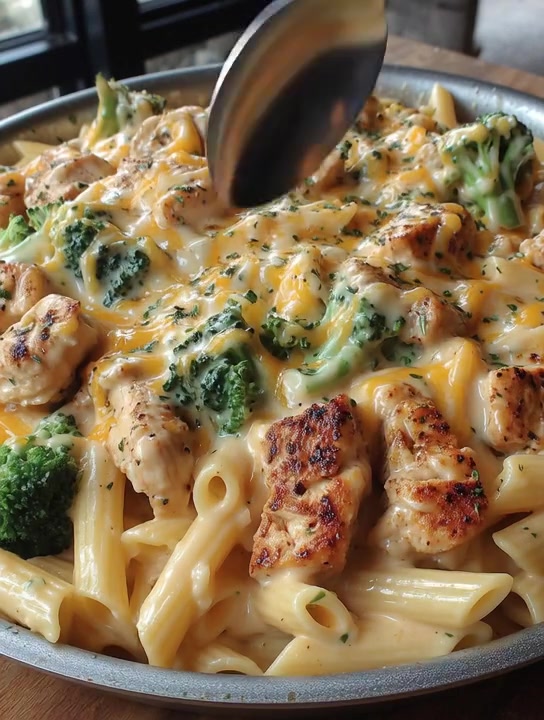
Cajun Chicken Broccoli Alfredo is a bold, creamy, and deeply satisfying fusion dish that marries the fiery, aromatic complexity of Louisiana-style Cajun seasoning with the rich, velvety comfort of classic Italian-American Alfredo sauce—and anchors it all with tender grilled chicken and crisp-tender broccoli. This isn’t just pasta night—it’s a full-sensory experience: golden-brown chicken sizzled to perfection, vibrant green broccoli florets kissed by heat and garlic, and a luxuriously smooth, herb-kissed sauce that clings lovingly to every strand of fettuccine or linguine. Whether you’re feeding a busy family, hosting friends for a cozy dinner, or simply craving something indulgent yet approachable, this recipe delivers restaurant-quality depth and warmth in under 45 minutes—with room for creativity, customization, and nutritional balance.
The History
The origins of Cajun Chicken Broccoli Alfredo lie at the crossroads of culinary evolution, regional adaptation, and home-cook ingenuity. Traditional Alfredo sauce—born in early 20th-century Rome—was originally a minimalist emulsion of butter, Parmigiano-Reggiano, and pasta cooking water, famously created by Alfredo di Lelio to soothe his pregnant wife. In mid-century America, especially through Italian-American restaurants, it transformed into a richer, cream-infused version often thickened with heavy cream and enriched with garlic and herbs. Meanwhile, Cajun cuisine emerged from the Acadian (French-Canadian) exiles who settled in rural Louisiana in the 18th century, developing a robust, spice-forward pantry defined by the “holy trinity” (onions, bell peppers, celery), smoked meats, and a signature blend of paprika, cayenne, garlic powder, onion powder, thyme, oregano, black pepper, and white pepper. While no single chef or cookbook can claim to have invented “Cajun Alfredo,” the dish gained traction in the 1990s and early 2000s as chefs and food media began experimenting with global flavor fusions—particularly pairing bold American regional spices with beloved Italian comfort foods. The addition of broccoli reflects the late-20th-century rise of health-conscious adaptations, offering fiber, vitamins, and textural contrast without compromising richness. Today, Cajun Chicken Broccoli Alfredo stands as a testament to American culinary pluralism: a hearty, adaptable, deeply flavorful dish shaped by immigration, innovation, and the universal love of creamy, spicy, savory satisfaction.
Ingredients Breakdown
Understanding each component empowers you to source wisely, substitute thoughtfully, and elevate flavor at every stage:
- Cajun Seasoning (Homemade or Store-Bought): The soul of the dish. Authentic blends contain no salt (to control sodium) and emphasize heat balance—cayenne for sharp fire, smoked paprika for earthy depth, garlic and onion powders for umami backbone, dried thyme and oregano for herbal nuance, and white pepper for bright, floral heat. Avoid pre-mixed versions loaded with fillers like MSG or anti-caking agents.
- Chicken Breast or Thighs: Boneless, skinless chicken breasts offer lean protein and clean texture, while thighs provide superior moisture, richer flavor, and greater forgiveness during cooking (less prone to drying out). For best results, pound breasts to ½-inch uniform thickness—or slice thighs against the grain for tenderness.
- Fresh Broccoli: Choose deep green, tight florets with firm, non-hollow stems. The stem is edible—peel and slice it thinly for added crunch and nutrients. Blanching (brief boiling then ice bath) preserves brilliant color, removes raw bitterness, and ensures perfect tenderness when folded into the hot sauce.
- Pasta: Traditional choices include fettuccine (wide ribbons hold sauce luxuriously) or linguine (slightly more delicate but equally effective). Whole wheat, chickpea, or lentil-based pastas add fiber and protein; gluten-free options like brown rice or quinoa pasta work beautifully when cooked al dente and rinsed lightly to prevent gumminess.
- Alfredo Base: Real depth comes from layering fats and dairy: unsalted butter for pure flavor and mouthfeel; heavy cream (minimum 36% fat) for unctuous body and stability; freshly grated Parmigiano-Reggiano (not pre-grated—enzymes degrade flavor and texture) for nutty, salty complexity; and a touch of cream cheese or mascarpone for extra silkiness and tang.
- Aromatics & Flavor Enhancers: Minced garlic (never powdered—fresh delivers volatile oils); shallots (sweeter, more refined than onions); a splash of dry white wine (e.g., Pinot Grigio or Sauvignon Blanc) to lift richness and add acidity; and fresh parsley or chives for brightness and visual pop.
- Optional Umami Boosters: A teaspoon of Dijon mustard (emulsifies and adds subtle tang), a dash of Worcestershire sauce (fermented depth), or a small spoonful of sun-dried tomato paste (sweet, concentrated savoriness).
Step-by-Step Recipe
- Prep & Marinate Chicken (15 min, includes resting): Pat chicken dry. Rub generously with 1½ tbsp Cajun seasoning and 1 tsp olive oil. Let sit at room temperature 10–15 minutes for even cooking. Meanwhile, zest and juice ½ lemon (reserve for finishing).
- Blanch Broccoli (5 min): Bring a large pot of salted water to boil. Add broccoli florets and peeled, sliced stems. Blanch 2 minutes until bright green and crisp-tender. Drain and immediately plunge into an ice water bath. Drain thoroughly and pat dry—excess water will thin your sauce.
- Cook Pasta (10–12 min): In same pot (re-filled with fresh salted water), cook pasta 1 minute shy of package’s al dente time. Reserve 1 cup starchy cooking water before draining. Do not rinse unless using gluten-free pasta (then rinse briefly with warm water).
- Sear Chicken (6–8 min): Heat 1 tbsp oil in a large stainless steel or cast-iron skillet over medium-high. When shimmering, add chicken in a single layer. Sear undisturbed 4–5 minutes until deeply golden and ~75% cooked. Flip, cook 2–3 minutes more until internal temp reaches 165°F. Transfer to a cutting board, tent loosely with foil, and rest 5 minutes. Slice diagonally into ½-inch strips.
- Build the Sauce (8–10 min): In same skillet (don’t wipe out browned bits—flavor gold!), reduce heat to medium-low. Melt 3 tbsp butter. Add minced shallots and garlic; sauté 1 minute until fragrant. Pour in ¼ cup dry white wine; simmer 1 minute until nearly evaporated. Whisk in heavy cream, bring to gentle simmer. Reduce heat to low. Gradually whisk in grated Parmigiano-Reggiano (½ cup), 2 tbsp at a time, allowing each addition to melt fully before adding more. Stir in 2 oz softened cream cheese until fully incorporated. Simmer gently 3–4 minutes until slightly thickened—do not boil vigorously or sauce may break. Season with white pepper, pinch of nutmeg, and optional Dijon.
- Combine & Finish (3 min): Return skillet to low heat. Add drained pasta, sliced chicken, and blanched broccoli. Gently fold with tongs. Add reserved pasta water 2 tbsp at a time until sauce coats evenly and flows silkily. Squeeze in reserved lemon juice, fold in most of the parsley, and adjust seasoning with flaky sea salt (if needed) and extra Cajun spice for heat. Serve immediately.
Tips
- Season in Layers: Don’t rely solely on the Cajun rub—season chicken with salt *before* applying spice, and finish sauce with flaky salt for dimensional savoriness.
- Control the Heat: Cajun seasoning varies wildly in heat. Start with 1 tsp in the sauce, taste, then add more. For kids or heat-sensitive eaters, serve extra plain Parmesan or a cooling dollop of sour cream on the side.
- Prevent Sauce Breakage: Keep heat low when adding cheese and cream. Never let the sauce boil after cheese is added—heat above 175°F causes proteins to seize and separate. If sauce looks greasy, whisk in 1–2 tbsp cold cream or pasta water off-heat.
- Maximize Chicken Juiciness: Brining (30 min in 4 cups water + 2 tbsp salt) makes a dramatic difference—especially for lean breasts. Or use a quick “dry brine”: salt chicken 1 hour ahead, refrigerated, then pat dry before seasoning.
- Broccoli Texture Hack: For extra caramelized depth, roast blanched broccoli at 425°F for 8–10 minutes before adding to sauce—adds nutty sweetness and avoids mush.
- Pasta Water Is Magic: That starchy liquid contains amylose—a natural thickener and emulsifier. Always reserve it, and add gradually until the sauce achieves a glossy, velvety sheen that clings—not pools.
- Make-Ahead Friendly: Cook components separately up to 2 days ahead: sear & slice chicken, blanch & chill broccoli, cook & toss pasta with 1 tsp oil (to prevent sticking). Reheat sauce gently, then combine.
- Resting Matters: Letting chicken rest allows juices to redistribute. Cutting too soon releases moisture—and dries out your final dish.
Variations and Customizations
This recipe is gloriously versatile—here’s how to make it your own:
- Vegetarian Version: Swap chicken for pan-seared portobello mushrooms, crispy cauliflower “steaks,” or marinated baked tofu. Boost umami with 1 tsp soy sauce or tamari in the sauce. Add roasted red peppers or artichoke hearts for sweetness and texture.
- Seafood Twist: Replace chicken with jumbo shrimp (peeled, deveined, tails off) or scallops. Sear 1–2 minutes per side—add to sauce *at the very end* to avoid overcooking. A splash of Old Bay seasoning complements seafood beautifully.
- Low-Carb/Keto: Use spiralized zucchini (“zoodles”), shirataki noodles, or spaghetti squash. Sauté zoodles 2–3 minutes only—add raw to hot sauce off-heat to wilt gently. Increase healthy fats: add 1 tbsp toasted pine nuts or chopped pecans, and garnish with crumbled bacon.
- Dairy-Free: Substitute cashew cream (soaked raw cashews blended with water) for heavy cream; nutritional yeast + lemon juice + garlic powder for Parmesan; and avocado oil or refined coconut oil for butter. Add ½ tsp xanthan gum to stabilize if needed.
- Extra-Veggie Boost: Stir in baby spinach (wilted in at the end), diced roasted sweet potato, sautéed asparagus, or cherry tomatoes halved and blistered in the skillet before sauce.
- Spice It Up: Infuse the cream with 1–2 dried arbol chiles (remove before serving), stir in pickled jalapeño brine, or top with homemade chili crisp or Cajun remoulade.
- Gourmet Upgrade: Finish with shaved black truffle, microgreens, crispy fried shallots, or a drizzle of high-quality truffle oil. Use aged Gouda or Pecorino Romano alongside Parmesan for deeper, saltier notes.
- Meal-Prep Friendly Bowls: Portion into containers with extra sauce on top. Reheat gently in microwave with splash of broth or milk to refresh creaminess. Keeps 4 days refrigerated or 3 months frozen (sauce separates slightly when thawed—vigorous whisking restores it).
Health Considerations and Nutritional Value
A single 1.5-cup serving (pasta, chicken, broccoli, sauce) provides approximately 620–710 calories, with 42–48g protein, 48–55g carbohydrates (of which 5–7g fiber), and 28–34g total fat (15–18g saturated). While indulgent, smart tweaks significantly improve its nutritional profile:
- Protein Power: Chicken breast delivers complete amino acids with minimal saturated fat. Thighs offer more monounsaturated fat and iron—ideal for energy and oxygen transport.
- Fiber & Phytonutrients: Broccoli contributes sulforaphane (a potent antioxidant linked to reduced inflammation and cancer risk), vitamin C (135% DV per cup), folate, potassium, and glucosinolates shown to support detox pathways.
- Smart Fat Choices: Using grass-fed butter and full-fat dairy provides fat-soluble vitamins (A, D, K2) and butyrate (supports gut lining integrity). Substituting half the heavy cream with whole milk or evaporated milk reduces saturated fat by ~30% without sacrificing texture.
- Sodium Savvy: Store-bought Cajun blends can contain >300mg sodium per tsp. Making your own (no salt, just spices) cuts sodium by 80%. Rely on lemon, herbs, garlic, and capers for brightness instead of salt.
- Gluten Sensitivity: Naturally gluten-free if using certified GF pasta and checking spice labels (some blends use wheat-derived anti-caking agents). Always verify “gluten-free” certification on packaged items.
- Heart-Healthy Swaps: Replace 1 tbsp butter with extra-virgin olive oil; use part-skim ricotta blended into the sauce for creaminess + calcium; add 1 tbsp ground flaxseed to pasta water for omega-3s.
- Portion Mindfulness: Serve over a bed of massaged kale or shredded cabbage to bulk up volume and nutrients without excess calories. Top with 1 tbsp chopped almonds for crunch and vitamin E.
Note: Those managing hypertension, diabetes, or kidney disease should consult a registered dietitian to tailor portions, sodium, and carb load. The dish is naturally low in added sugars and free of artificial preservatives when made from whole ingredients.
Ingredients
- 1.5 lbs boneless, skinless chicken breasts or thighs, pounded to ½-inch thickness
- 2 tbsp + 1 tsp high-heat oil (avocado, grapeseed, or light olive oil), divided
- 2 tbsp homemade or low-sodium Cajun seasoning (see note)
- 1 large head broccoli (about 1 lb), cut into bite-sized florets, stems peeled and sliced
- 12 oz dried fettuccine or linguine (whole wheat, gluten-free, or legume-based as preferred)
- 4 tbsp unsalted butter, cubed and chilled
- 1 medium shallot, finely minced (about ¼ cup)
- 4 cloves garlic, finely minced
- ¼ cup dry white wine (Pinot Grigio or Sauvignon Blanc)
- 2 cups full-fat heavy cream (36–40% milkfat)
- 1.5 cups freshly grated Parmigiano-Reggiano cheese (avoid pre-grated)
- 2 oz full-fat cream cheese, softened
- ¼ tsp freshly grated nutmeg
- Freshly ground white pepper and flaky sea salt, to taste
- ¼ cup fresh flat-leaf parsley, finely chopped
- Zest and juice of ½ lemon
- Optional: 1 tsp Dijon mustard, 1 tbsp nutritional yeast (for vegan version), or 2 tbsp toasted pine nuts
Directions
- Prep Chicken: Pat chicken dry with paper towels. Rub with 2 tbsp Cajun seasoning and 1 tsp oil. Let rest 10–15 minutes at room temperature.
- Blanch Broccoli: Fill a large pot with 4 quarts water and 2 tbsp kosher salt; bring to rolling boil. Add broccoli florets and stems. Cook exactly 2 minutes. Drain in a colander, then immediately submerge in a bowl of ice water for 2 minutes. Drain thoroughly and pat completely dry with clean towels.
- Cook Pasta: Refill pot with fresh salted water (2 tbsp salt per 4 quarts). Bring to boil. Add pasta and cook, stirring occasionally, until 1 minute shy of al dente (check package; usually 9–11 minutes). Reserve 1 cup starchy cooking water, then drain pasta. Rinse *only* if using gluten-free pasta—otherwise, do not rinse.
- Sear Chicken: Heat 1 tbsp oil in a 12-inch heavy-bottomed skillet (stainless or cast iron) over medium-high heat until shimmering. Add chicken in single layer—do not crowd. Sear 4–5 minutes without moving until deeply golden and ~75% cooked. Flip, cook 2–3 minutes more until internal temperature reaches 165°F. Transfer to cutting board, tent with foil, rest 5 minutes. Slice diagonally into ½-inch strips.
- Build Sauce: Wipe skillet clean *only if heavily charred* (otherwise, keep fond!). Reduce heat to medium-low. Add 4 tbsp butter; swirl until melted. Add shallots; cook 1 minute until translucent. Add garlic; cook 30 seconds until fragrant. Pour in wine; simmer 1 minute until mostly evaporated. Whisk in heavy cream. Bring to gentle simmer (small bubbles at edges), then reduce heat to low. Gradually whisk in Parmigiano-Reggiano, 2 tbsp at a time, ensuring full melting before next addition. Whisk in cream cheese until smooth. Add nutmeg, white pepper, and optional Dijon. Simmer gently 3–4 minutes—do not boil—until slightly thickened and coats back of spoon.
- Combine & Finish: Return skillet to low heat. Add drained pasta, sliced chicken, and blanched broccoli. Gently fold with tongs 1 minute. Add reserved pasta water 2 tbsp at a time, folding until sauce is glossy and clings smoothly (usually 6–8 tbsp needed). Squeeze in lemon juice, fold in 3 tbsp parsley, and taste. Adjust with flaky salt (if needed) and extra Cajun seasoning for heat. Serve immediately, garnished with remaining parsley, lemon zest, and optional toppings.
FAQ
- Can I make this ahead of time?
- Absolutely—but for best texture, cook components separately. Fully cooked chicken stays juicy refrigerated 3 days; blanched broccoli lasts 4 days chilled; cooked pasta (tossed with 1 tsp oil) keeps 2 days. Reheat sauce gently, then combine. Freezing is possible: cool sauce and chicken separately, freeze up to 2 months. Thaw overnight in fridge; reheat sauce slowly with splash of milk to restore emulsion.
- Why does my Alfredo sauce break or look greasy?
- Sauces break when dairy proteins coagulate due to excessive heat (>175°F), acid imbalance, or rapid cheese addition. Prevent it by keeping heat low, adding cheese gradually off-boil, and whisking constantly. If broken, remove from heat, whisk in 1–2 tbsp cold cream or pasta water, and gently rewarm.
- Can I use pre-shredded cheese?
- Not recommended. Pre-shredded cheeses contain cellulose (anti-caking agent) and potato starch, which inhibit melting and create graininess. Freshly grated Parmigiano-Reggiano melts smoothly and delivers superior flavor and texture.
- Is there a way to lighten this without sacrificing flavor?
- Yes! Use half heavy cream + half whole milk; replace 1 tbsp butter with olive oil; increase broccoli to 1.5 cups; add 1 cup sautéed spinach at the end; and finish with lemon zest instead of extra cheese. These swaps cut ~180 calories and 12g saturated fat per serving—while amplifying freshness.
- What’s the best pasta shape to use?
- Fettuccine remains ideal—the wide ribbons trap creamy sauce. Linguine offers elegant bite; pappardelle adds rustic luxury. For gluten-free, brown rice or chickpea fettuccine hold up best. Avoid delicate shapes like angel hair—they become mushy under rich sauce.
- My Cajun seasoning is too spicy—how do I tone it down?
- Balance heat with fat and acid: stir in an extra 1 tbsp butter or cream cheese; add 1 tsp honey or maple syrup; or finish with generous lemon juice and zest. Serve with cooling sides: cucumber-dill yogurt sauce, avocado slices, or crusty bread to soak up spice.
- Can I use frozen broccoli?
- You can—but fresh yields far better texture and flavor. If using frozen, skip blanching. Thaw completely, squeeze *all* moisture from florets using a clean towel (excess water = watery sauce), then sauté in 1 tsp oil over medium-high heat 3–4 minutes until edges crisp. Add to sauce at the end.
- How do I store leftovers?
- Cool completely, then store in airtight container for up to 4 days. Reheat gently in a skillet over low heat with 1–2 tbsp milk or broth to loosen sauce. Microwave reheating works—stir every 30 seconds to prevent separation. Freeze sauce separately for longest shelf life (3 months).
Summary
Cajun Chicken Broccoli Alfredo is a masterclass in balanced indulgence—fiery, creamy, savory, and nutritious—all in one skillet. With layered spices, perfectly seared protein, vibrant vegetables, and a silken, customizable sauce, it transforms weeknight cooking into a celebration of bold, comforting flavors.
Whether you’re meal-prepping for the week, feeding a crowd, or treating yourself to gourmet comfort, this recipe rewards attention to detail, invites creative customization, and delivers restaurant-worthy results with accessible ingredients and clear, chef-tested techniques.