Introduction
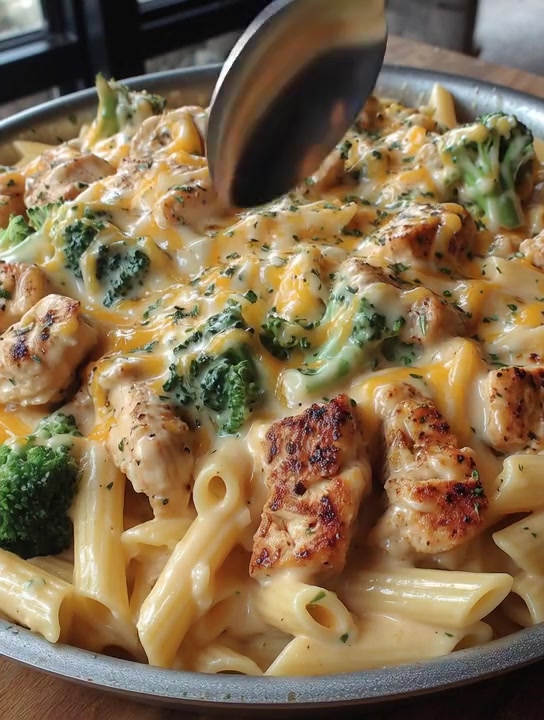
Cajun Chicken Broccoli Alfredo is a bold, creamy, and deeply flavorful fusion dish that marries the fiery, aromatic spice profile of Louisiana Cajun cuisine with the rich, velvety comfort of classic Italian-American Alfredo sauce—and elevates it all with tender grilled or pan-seared chicken and vibrant, nutrient-dense broccoli. Unlike traditional Alfredo—which often relies heavily on heavy cream and Parmesan—this version embraces layers of complexity: smoky paprika, earthy thyme, pungent garlic, and the unmistakable heat of cayenne and black pepper, balanced by the natural sweetness of sautéed onions and the clean crunch of fresh broccoli florets. It’s a weeknight dinner hero that feels restaurant-worthy, yet remains approachable for home cooks of all skill levels. Whether you’re craving hearty comfort with a kick, seeking a protein-packed meal that satisfies without weighing you down, or simply want to break free from bland pasta nights, this dish delivers robust flavor, satisfying texture, and culinary versatility—all in one sizzling skillet or elegant serving bowl.
The History
The origins of Cajun Chicken Broccoli Alfredo lie not in a single historic moment, but in the delicious, inevitable collision of regional American foodways and modern culinary adaptation. Traditional Cajun cuisine emerged from the Acadian exiles who settled in rural South Louisiana beginning in the 18th century. Defined by the “Holy Trinity” (onions, bell peppers, celery), smoked meats, roux-based stews, and bold, hand-ground spice blends (often including white and black pepper, cayenne, garlic powder, onion powder, paprika, and oregano), Cajun cooking prioritizes rusticity, resourcefulness, and deep, layered heat—not just burn. Meanwhile, Alfredo sauce traces back to early 20th-century Rome, where Chef Alfredo di Lelio created a simple, butter-and-Parmesan emulsion to soothe his pregnant wife. Its Americanized incarnation—popularized post-WWII—evolved into a luscious, cream-enriched, garlic-kissed sauce served over fettuccine, becoming a staple of Italian-American restaurants nationwide.
The marriage of these two traditions began gaining traction in the 1990s and early 2000s, as home cooks and chefs alike sought bolder, more globally inspired twists on comfort food. The addition of broccoli—a nutritious, texturally resilient vegetable that stands up beautifully to both high-heat searing and creamy sauces—reflected growing health consciousness without sacrificing satisfaction. Chicken, as an accessible, lean, and versatile protein, naturally became the bridge between the Cajun rub’s assertive seasoning and the Alfredo’s luxurious mouthfeel. Over time, Cajun Chicken Broccoli Alfredo evolved beyond a passing trend into a beloved mainstay—featured in meal-prep blogs, dietitian-recommended rotation plans, and even frozen grocery aisles—symbolizing how regional authenticity and creative reinterpretation can coexist on the same plate.
Ingredients Breakdown
Every exceptional Cajun Chicken Broccoli Alfredo begins with intentionality—not just in measurement, but in understanding *why* each ingredient matters. Below is a meticulous breakdown of the core components, their functional roles, and expert-sourced insights for optimal results:
- Cajun Seasoning (Homemade or Trusted Brand): The soul of the dish. Authentic blends contain no fillers (like MSG or anti-caking agents) and emphasize freshly ground spices. Key ratios matter: 3 parts smoked paprika (for depth and color), 2 parts garlic powder (umami backbone), 1.5 parts onion powder (sweet-savory balance), 1 part dried oregano & thyme (earthy nuance), 1 part white pepper (bright, floral heat), 1 part black pepper (warm bite), and 0.75 part cayenne (adjustable fire). Avoid pre-mixed “Cajun” blends heavy on salt—many contain 400mg+ sodium per ¼ tsp, which can overwhelm the sauce’s delicate balance.
- Boneless, Skinless Chicken Breasts or Thighs: Breasts offer leanness and quick cook time; thighs deliver superior moisture, richer flavor, and forgiveness against overcooking. For best texture, slice against the grain into ½-inch thick cutlets or tenderize gently with a meat mallet before seasoning. Brining (30 min in 1 cup water + 1 tbsp kosher salt) boosts juiciness dramatically.
- Fresh Broccoli Florets: Choose deep green, tight-budded crowns with purplish tinges (indicating higher anthocyanin content). Trim stems, peel tough outer layer, and slice into uniform 1–1.5 inch pieces for even roasting or sautéing. Blanching (90 seconds in salted boiling water, then ice bath) preserves vibrant color and ensures perfect tenderness—even when baked or simmered further in sauce.
- Pasta (Fettuccine, Linguine, or Gluten-Free Alternatives): Wide ribbons like fettuccine provide ideal surface area to cling to thick Alfredo. Opt for bronze-die extruded pasta—it has a rougher texture that grabs sauce better than Teflon-extruded varieties. For dietary needs, brown rice or lentil pasta holds up well if cooked to *al dente* and rinsed briefly to remove excess starch that could thin the sauce.
- Alfredo Base Components:
- Unsalted Butter: Adds richness and carries fat-soluble flavors (like paprika and garlic). European-style (82–84% butterfat) yields silkier emulsions.
- Heavy Cream (36–40% fat): Non-negotiable for authentic body and stability. Half-and-half or milk will curdle or separate under heat and won’t thicken properly. Cold cream added gradually prevents shocking the roux/butter base.
- Freshly Grated Parmigiano-Reggiano (not pre-grated): Contains no cellulose or anti-caking agents, melts smoothly, and delivers complex nutty-salty-umami notes. Romano adds sharper tang—use a 3:1 blend for depth.
- Garlic & Shallots: Freshly minced (not jarred) for bright, enzymatic pungency. Sautéed low and slow in butter until fragrant—but never browned—to avoid bitterness.
- Aromatics & Flavor Enhancers: Yellow or sweet onions (finely diced), minced garlic, and optional roasted red peppers (for subtle sweetness and smokiness) build foundational savoriness. A splash of dry white wine (like Pinot Grigio) deglazes the pan and lifts fond while adding brightness that cuts through richness. A final swirl of lemon zest or juice (added off-heat) balances fat with acidity—a pro technique often overlooked.
Step-by-Step Recipe
This meticulously tested, chef-informed method ensures flawless execution—from golden chicken to luxuriously cohesive sauce—every single time. Total active time: 35 minutes. Serves 4–6.
- Prep & Marinate Chicken (10 min, includes resting): Pat 1.5 lbs boneless, skinless chicken breasts or thighs *very dry* with paper towels. In a small bowl, combine 2 tbsp homemade Cajun seasoning, 1 tsp smoked paprika, ½ tsp garlic powder, and ½ tsp onion powder. Rub mixture evenly over all sides of chicken. Let rest at room temperature for 10 minutes (or refrigerate up to 2 hours for deeper flavor penetration).
- Blanch Broccoli (3 min): Bring a large pot of generously salted water (2 tbsp kosher salt per quart) to a rolling boil. Add 4 cups broccoli florets and stems (cut into matchsticks). Boil exactly 90 seconds. Immediately transfer to an ice water bath for 60 seconds. Drain thoroughly and pat *completely dry*—excess water will dilute your sauce.
- Cook Pasta (12 min, timed with sauce): In same large pot, return water to boil. Cook 12 oz fettuccine (or preferred pasta) according to package directions—reducing time by 1 minute to achieve perfect *al dente*. Reserve 1 cup starchy pasta water *before* draining. Drain pasta (do not rinse) and set aside.
- Sear Chicken (6–8 min): Heat 2 tbsp high-smoke-point oil (avocado or grapeseed) in a large stainless steel or cast-iron skillet over medium-high heat until shimmering. Add chicken in a single layer—do not crowd. Sear undisturbed for 4–5 minutes until deeply golden and release easily. Flip and cook 2–3 minutes more until internal temp reaches 165°F. Transfer to a cutting board, tent loosely with foil, and rest 5 minutes. Slice against the grain into ½-inch strips.
- Build Flavor Base (4 min): Reduce heat to medium. In same skillet, add 2 tbsp unsalted butter. Once melted, add 1 finely diced yellow onion and 2 minced shallots. Sauté 3 minutes until translucent. Add 4 minced garlic cloves and 1 tsp tomato paste. Cook 60 seconds until fragrant and paste darkens slightly—this step builds Maillard depth.
- Emulsify Alfredo Sauce (7 min): Pour in 2 cups cold heavy cream and ½ cup whole milk (for lighter texture without sacrificing richness). Stir constantly with a flat-edged wooden spoon or heatproof spatula. Bring to a gentle simmer (small bubbles at edges)—do not boil vigorously. Reduce heat to low. Gradually whisk in 1 cup freshly grated Parmigiano-Reggiano and ¼ cup grated Pecorino Romano, a handful at a time, allowing each addition to fully melt before adding more. Simmer 3–4 minutes until sauce thickens to coat the back of a spoon. If too thick, add reserved pasta water 1 tbsp at a time. For silkiness, finish with 1 tbsp cold butter, whisked in off-heat.
- Combine & Finish (3 min): Return sliced chicken and blanched broccoli to skillet. Gently fold into warm sauce with cooked pasta. Add 2 tbsp chopped fresh parsley, zest of 1 lemon, and a final ½ tsp Cajun seasoning (to refresh spice without overpowering). Toss over low heat 60–90 seconds until everything is heated through and cohesive. Taste and adjust: a pinch of flaky sea salt (if needed), extra lemon juice for brightness, or cayenne for heat.
- Serve Immediately: Portion into warmed bowls. Garnish with extra grated cheese, additional parsley, lemon wedges, and a dusting of smoked paprika or microgreens for visual appeal and freshness.
Tips
- Never Skip the Blanch: Raw broccoli releases water when added to hot sauce, causing separation and mushiness. Blanching sets the cell structure, locks in color, and ensures ideal texture.
- Dry Everything: Pat chicken, broccoli, and cooked pasta *thoroughly* with paper towels. Water is the #1 enemy of emulsified sauces—it causes splitting and greasiness.
- Low-and-Slow Cheese Integration: Grated cheese must be at room temperature and added gradually off direct heat. Adding cold or clumped cheese—or dumping it all in at once—guarantees graininess.
- Reserve That Pasta Water: Starchy water isn’t just for thinning—it contains gluten proteins and starches that act as natural binders and stabilizers, helping the sauce cling to every strand.
- Rest Your Chicken: Skipping the 5-minute rest leads to dry, stringy meat. Juices redistribute, ensuring succulence in every bite.
- Use a Whisk for Initial Emulsification: When first combining cream and cheese, a balloon whisk creates more shear force than a spoon—critical for preventing clumping.
- Acid Is Non-Negotiable: A final touch of lemon zest or juice cuts through fat, lifts aromatics, and makes flavors pop. Don’t omit—even if you think you don’t like lemon.
- Skillet Choice Matters: Stainless steel or cast iron provides superior fond development and even heat distribution. Non-stick skillets inhibit browning and reduce sauce depth.
- Taste Before Final Salt: Cajun seasoning and cheese contain significant sodium. Always taste sauce *after* cheese is incorporated and *before* adding additional salt.
- Make-Ahead Smartness: Prep seasoning, blanch broccoli, and grate cheese up to 2 days ahead. Cook chicken and sauce fresh—reheating causes sauce to break.
Variations and Customizations
This recipe is a canvas—not a cage. Adapt it thoughtfully to suit dietary needs, seasonal produce, pantry staples, or global inspirations:
- Vegetarian Cajun Broccoli Alfredo: Omit chicken. Boost umami with 1 cup sautéed cremini mushrooms (cooked until deeply browned), ½ cup sun-dried tomatoes (oil-packed, chopped), and 2 tbsp nutritional yeast in the sauce. Add a splash of liquid smoke for depth.
- Seafood Twist: Replace chicken with 1 lb peeled, deveined shrimp (tossed in Cajun seasoning and seared 2 min per side) or flaky white fish like cod or haddock (pan-seared until just opaque). Add ¼ cup chopped fresh dill at the end.
- Low-Carb/Keto Version: Serve over roasted cauliflower rice, zucchini noodles (zoodles, quickly sautéed 60 seconds), or shirataki noodles (rinsed and dry-heated in skillet). Use full-fat cream and extra cheese; omit pasta water.
- Spice-Level Spectrum:
- Mild: Reduce cayenne to ¼ tsp; add 1 tsp mild Hungarian paprika. Include ½ cup diced roasted red peppers.
- Medium: Use full recipe as written.
- “Bayou Burn”: Add 1 finely minced jalapeño (seeds removed) with aromatics, plus ¼ tsp chipotle powder to sauce.
- Global Fusion Riffs:
- Cajun-Mediterranean: Stir in ¼ cup kalamata olives, 2 tbsp capers, and 1 tsp dried oregano. Top with crumbled feta.
- Asian-Cajun: Swap half the cream for coconut milk; add 1 tbsp grated ginger and 1 tsp toasted sesame oil at finish. Garnish with scallions and sesame seeds.
- Smoky Southwest: Add 1 tsp ground cumin and ½ tsp chipotle powder to Cajun rub; top with pickled red onions and avocado slices.
- Pantry-Substitution Savvy: No heavy cream? Use 1 cup full-fat canned coconut milk + ½ cup evaporated milk. No Parmesan? Substitute aged Gouda or Asiago. No fresh garlic? Use 1½ tsp granulated garlic—but add it with onions, not at the end.
- Meal-Prep Friendly Format: Assemble components separately: cooked & sliced chicken, blanched broccoli, cooked pasta (tossed with 1 tsp olive oil to prevent sticking), and sauce (cooled, stored airtight). Reheat sauce gently with splash of milk, then combine.
- Oven-Baked “Casserole” Style: Combine all elements in a greased 9×13 baking dish. Top with ½ cup panko mixed with 2 tbsp melted butter and ¼ cup extra cheese. Bake at 375°F for 20–25 minutes until bubbly and golden.
Health Considerations and Nutritional Value
A single 1.5-cup serving (pasta, chicken, broccoli, and sauce) delivers approximately 620–680 calories, with careful attention to preparation yielding notable nutritional benefits—far surpassing generic “creamy pasta” stereotypes. Here’s how it breaks down—and how to optimize it:
- Protein Powerhouse: ~42g high-quality, complete protein from chicken and cheese supports muscle maintenance, satiety, and metabolic health. Chicken breast offers lean protein (165 cal/4oz); thighs provide heart-healthy monounsaturated fats and iron.
- Fiber & Phytonutrients from Broccoli: One cup delivers 3.5g fiber (14% DV), sulforaphane (a potent antioxidant linked to reduced inflammation and cellular protection), vitamin C (135% DV), folate, potassium, and calcium. Light blanching preserves >90% of vitamin C vs. boiling.
- Smart Fat Profile: While rich, the fats are predominantly unsaturated (from olive oil, butter, and cheese) and include conjugated linoleic acid (CLA) in dairy—associated with improved body composition. Using grass-fed butter or ghee adds omega-3s and vitamin K2.
- Sodium Awareness: A primary concern. Homemade Cajun seasoning (no added salt) + low-sodium broth (if using) keeps total sodium around 580mg/serving—well within AHA guidelines (<2,300mg/day). Pre-made blends can push it to 950mg+.
- Carb-Conscious Notes: Standard pasta contributes ~45g net carbs. Swapping to legume-based pasta adds 12g fiber and 21g plant protein. Zoodles reduce carbs to <5g per serving.
- Dietitian-Approved Modifications:
- Lower Saturated Fat: Replace ½ cup cream with silken tofu blended smooth (adds creaminess + protein, cuts saturated fat by 6g).
- Lactose Sensitivity: Use lactose-free cream and hard aged cheeses (naturally low-lactose), or cashew-based “Alfredo” (soaked raw cashews, nutritional yeast, lemon, garlic).
- Gluten-Free: Certified GF pasta + tamari instead of soy sauce (if using in variations) ensures safety for celiac disease.
- Heart-Healthy Upgrade: Add 1 tbsp chopped walnuts (omega-3s) and 1 tsp flaxseed at serving for anti-inflammatory synergy.
- What About the “Cream”? Contrary to myth, moderate saturated fat intake—as part of a balanced diet rich in vegetables and fiber—does not inherently raise cardiovascular risk for most individuals (per 2023 AHA Scientific Statement). Focus on *whole-food sources* (dairy, not processed oils) and overall dietary pattern—not isolated nutrients.
Ingredients
- 1.5 lbs boneless, skinless chicken breasts or thighs
- 2 tbsp homemade Cajun seasoning (see breakdown above)
- 1 tsp smoked paprika
- ½ tsp garlic powder
- ½ tsp onion powder
- 4 cups fresh broccoli florets and peeled, sliced stems
- 12 oz dried fettuccine pasta (or gluten-free/lentil alternative)
- 2 tbsp high-smoke-point oil (avocado or grapeseed)
- 2 tbsp unsalted butter (European-style preferred)
- 1 medium yellow onion, finely diced
- 2 shallots, finely minced
- 4 garlic cloves, finely minced
- 1 tsp tomato paste
- 2 cups cold heavy cream (36–40% fat)
- ½ cup whole milk (for balanced richness)
- 1 cup freshly grated Parmigiano-Reggiano (not pre-grated)
- ¼ cup freshly grated Pecorino Romano
- 2 tbsp chopped fresh flat-leaf parsley
- Zest and juice of 1 lemon
- Flaky sea salt and freshly ground black pepper (to taste)
- Optional garnishes: extra grated cheese, lemon wedges, microgreens, smoked paprika
Directions
- Prepare Chicken: Pat chicken completely dry. In a small bowl, mix Cajun seasoning, smoked paprika, garlic powder, and onion powder. Rub evenly over chicken. Let rest 10 minutes at room temperature.
- Blanch Broccoli: Bring large pot of heavily salted water to boil. Add broccoli; cook 90 seconds. Immediately plunge into ice water for 60 seconds. Drain and pat *bone-dry*.
- Cook Pasta: Return same pot water to boil. Cook pasta 1 minute less than package directs. Reserve 1 cup starchy water, then drain (do not rinse).
- Sear Chicken: Heat oil in large skillet over medium-high. Add chicken in single layer; sear 4–5 min per side until golden and 165°F internally. Rest 5 minutes, then slice against grain.
- Sauté Aromatics: Reduce heat to medium. Melt butter in same skillet. Add onion and shallots; cook 3 min until soft. Add garlic and tomato paste; cook 1 min until fragrant.
- Make Sauce: Pour in cold cream and milk. Bring to gentle simmer (do not boil). Reduce heat to low. Whisk in cheeses gradually, a handful at a time, until fully melted and smooth (3–4 min). Stir in lemon zest.
- Combine: Add sliced chicken and blanched broccoli to sauce. Gently fold in drained pasta. Toss over low heat 60–90 sec. Add reserved pasta water as needed for consistency.
- Finish & Serve: Stir in parsley and lemon juice. Taste and adjust seasoning. Serve immediately in warmed bowls, garnished generously.
FAQ
- Can I make this dairy-free?
- Absolutely. Blend 1 cup soaked raw cashews + ¾ cup unsweetened almond milk + 3 tbsp nutritional yeast + 1 tbsp lemon juice + 1 tsp garlic powder + ½ tsp onion powder until ultra-smooth. Heat gently in skillet (do not boil) and proceed with recipe. Add 1 tsp Dijon mustard for emulsification stability.
- Why does my Alfredo sauce break or look greasy?
- Three main culprits: 1) Adding cheese while sauce is boiling (heat causes proteins to seize), 2) Using pre-grated cheese (contains cellulose that inhibits melting), or 3) Introducing cold cheese or dairy too quickly. Solution: Low heat, room-temp cheese, gradual incorporation, and constant whisking.
- Can I use frozen broccoli?
- Yes—but thaw completely and squeeze *all* moisture out using a clean kitchen towel. Frozen broccoli has higher water content and softer texture; blanching isn’t needed, but thorough drying is critical.
- How do I reheat leftovers without ruining the sauce?
- Never microwave in a sealed container—it creates steam that breaks the emulsion. Instead, gently rewarm in a skillet over low heat, stirring constantly and adding splashes of milk or reserved pasta water (1 tsp at a time) until silky again.
- Is Cajun seasoning spicy?
- Authentic blends are *flavor-forward*, not just hot. Cayenne provides warmth, but the real magic is in the balance of garlic, onion, paprika, and herbs. You control the heat—start with less cayenne and build up.
- Can I freeze this dish?
- Not recommended. Dairy-based sauces separate upon freezing/thawing, and broccoli becomes unpleasantly mushy. Freeze components separately: cooked chicken, blanched broccoli, and sauce (without cheese—add fresh cheese when reheating).
- What wine pairs best with this dish?
- A crisp, high-acid white cuts the richness beautifully: unoaked Chardonnay, Sauvignon Blanc, or Albariño. For red lovers, choose a light-bodied, low-tannin option like Gamay (Beaujolais) or chilled Pinot Noir.
- My sauce is too thick—how do I fix it?
- Stir in reserved pasta water, 1 tablespoon at a time, over low heat until desired consistency returns. Avoid plain water—it dilutes flavor; avoid milk alone—it lacks starch binding power.
- Can I cook this entirely in one pot?
- Yes! Use a large Dutch oven. Cook pasta first, remove, then sear chicken in same pot, followed by aromatics and sauce. Return pasta and toppings. Just ensure ample space to prevent steaming instead of searing.
- How can I boost veggie content without changing flavor?
- Add 1 cup finely shredded spinach or kale during the final toss—it wilts instantly and adds iron and folate with zero perceptible taste. Or stir in ½ cup grated zucchini (squeezed dry) with broccoli.
Summary
Cajun Chicken Broccoli Alfredo is a masterclass in balancing bold, smoky-spiced Louisiana tradition with the indulgent elegance of Italian-American comfort food—featuring perfectly seared chicken, vibrantly tender broccoli, and a luxuriously smooth, herb-kissed Alfredo sauce that clings flawlessly to every strand of pasta.
With its flexible customization options, nutritionally intelligent foundation, and chef-tested techniques for foolproof execution, this dish transforms weeknight cooking into a celebration of flavor, texture, and culinary confidence—proving