Introduction
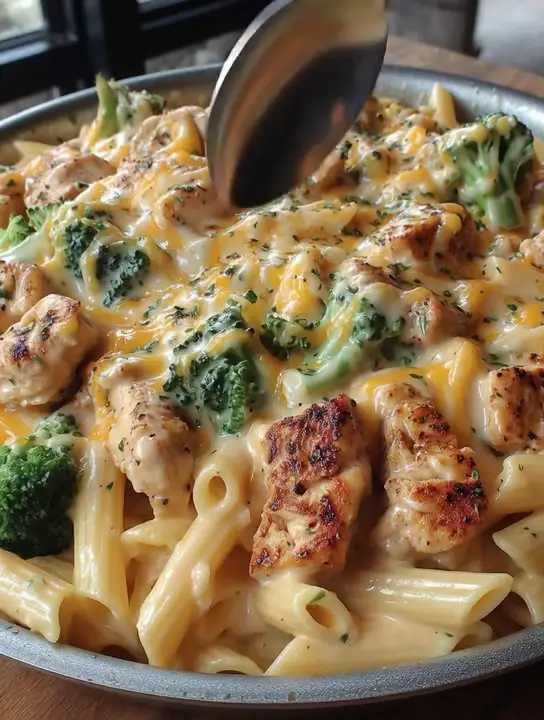
Cajun Chicken Broccoli Alfredo is a bold, comforting, and deeply flavorful fusion dish that marries the fiery, aromatic essence of Louisiana’s Cajun cuisine with the creamy, indulgent richness of classic Italian-American Alfredo. This hearty one-pan (or two-pan) meal delivers tender, spice-rubbed chicken breast or thigh, crisp-tender broccoli florets, and a luxuriously smooth, garlicky Parmesan-cream sauce—all bound together with layers of savory depth, subtle heat, and umami warmth. Whether you’re seeking weeknight dinner inspiration, a crowd-pleasing family favorite, or a restaurant-quality meal you can master at home, this recipe strikes the perfect balance between rustic authenticity and approachable technique. It’s not just pasta—it’s a sensory experience: golden-brown chicken sizzling in a cast-iron skillet, the earthy-sweet aroma of roasted broccoli, the velvety whisper of simmering cream and aged cheese, and the unmistakable punch of smoked paprika, cayenne, thyme, and oregano that defines true Cajun seasoning.
The History
The origins of Cajun Chicken Broccoli Alfredo lie not in a single moment of culinary revelation but in the dynamic, cross-cultural evolution of American home cooking over the past five decades. Traditional Cajun cuisine—rooted in the resourceful, one-pot stews and rice dishes of Acadian French settlers exiled to Louisiana in the 18th century—emphasizes the “holy trinity” (onion, bell pepper, celery), smoked meats, roux-based gravies, and bold, layered spices. Meanwhile, Fettuccine Alfredo was popularized in the U.S. in the mid-20th century—not as the butter-and-cheese minimalist version served in Rome, but as a rich, cream-enriched interpretation by Roman restaurateur Alfredo di Lelio, later amplified by American chefs using heavy cream, garlic, and generous Parmigiano-Reggiano. The marriage of these two traditions began gaining traction in the 1980s and ’90s, as grocery chains expanded access to pre-made Cajun spice blends and American consumers developed a growing appetite for “spicy comfort food.” Broccoli—a nutritional powerhouse and textural counterpoint—was incorporated widely during the health-conscious cooking boom of the 1990s and early 2000s, offering fiber, vitamin C, and vibrant color without compromising heartiness. Today, Cajun Chicken Broccoli Alfredo stands as a beloved staple on diner menus, meal-prep blogs, and freezer aisles alike—a testament to how regional American flavors continue to reinterpret, remix, and reimagine global classics into something wholly new, deeply satisfying, and unmistakably homegrown.
Ingredients Breakdown
Every element of this dish plays a critical role—not just in flavor, but in texture, temperature control, and chemical interaction within the sauce. Let’s explore each component in detail:
- Cajun Seasoning (Homemade or Trusted Brand): A well-balanced blend typically includes smoked paprika (for depth and mild sweetness), garlic powder and onion powder (for foundational savoriness), dried oregano and thyme (earthy, floral notes), cayenne pepper (adjustable heat), white and black pepper (bright, sharp, and warm pungency), and sometimes a touch of dried mustard powder or celery seed for complexity. Avoid blends with excessive salt or anti-caking agents if making your own—it gives you full control over sodium and purity of flavor.
- Chicken Breast or Thighs: Boneless, skinless chicken breasts offer lean protein and clean flavor but require precise cooking to avoid dryness; thighs provide superior moisture retention, richer taste, and forgiving texture—ideal for beginners or slow-simmer applications. For optimal results, pound breasts to an even ½-inch thickness before seasoning.
- Fresh Broccoli: Choose deep green, tightly clustered florets with firm, non-hollow stems. The stem is edible—and delicious when peeled and sliced—so don’t discard it! Blanching or quick-roasting broccoli before adding it to the sauce preserves its bright green hue, crisp-tender bite, and sulforaphane content (a potent antioxidant).
- Pasta: While fettuccine is traditional for Alfredo due to its wide, ribbon-like surface that clings to thick sauces, linguine, tagliatelle, casarecce, or even gluten-free brown rice or lentil pasta work beautifully. Always salt the pasta water generously (like seawater) and reserve at least ½ cup of starchy cooking water before draining—it’s essential for emulsifying the sauce and preventing separation.
- Alfredo Sauce Base: Authentic richness comes from a trifecta: high-fat heavy cream (36–40% milkfat) for body and stability, freshly grated Parmigiano-Reggiano (never pre-grated—cellulose and anti-caking agents inhibit melting), and unsalted butter (for gloss, mouthfeel, and controlled fat infusion). Optional enhancements include a splash of whole milk for lighter texture, a spoonful of mascarpone for silkiness, or a grating of Pecorino Romano for extra salt-forward tang.
- Aromatics & Flavor Builders: Minced garlic (add toward the end of sautéing to prevent bitterness), shallots (more delicate than onions), and a splash of dry white wine (like Pinot Grigio or Sauvignon Blanc) deglaze the pan and add acidity to cut through richness. A final swirl of cold butter off-heat (monter au beurre) adds sheen and roundness.
- Finishing Touches: Freshly cracked black pepper, lemon zest (brightens and lifts), chopped fresh parsley or chives (color and freshness), and optional grilled lemon wedges for acidic contrast. A dusting of smoked paprika or crumbled cooked andouille sausage adds authentic Cajun nuance.
Step-by-Step Recipe
- Prep & Marinate (15 minutes): Pat chicken dry with paper towels. In a small bowl, combine 2 tbsp homemade Cajun seasoning, 1 tsp garlic powder, ½ tsp onion powder, and ½ tsp black pepper. Rub mixture evenly over both sides of chicken. Let sit at room temperature for 10–15 minutes while you prep other ingredients.
- Blanch Broccoli (4 minutes): Bring a large pot of salted water to boil. Add broccoli florets and stems (cut into ½-inch pieces) and blanch for 2 minutes. Drain, rinse under cold water to halt cooking, and pat thoroughly dry. Set aside.
- Cook Pasta (10–12 minutes): In same pot, return water to a rolling boil. Add 2 tbsp kosher salt and 12 oz pasta. Cook 1–2 minutes shy of package’s al dente time (it will finish cooking in the sauce). Reserve ½ cup starchy water, then drain—do not rinse.
- Sear Chicken (6–8 minutes): Heat 1 tbsp olive oil and 1 tbsp unsalted butter in a large, heavy-bottomed skillet or Dutch oven over medium-high heat. Once shimmering, add chicken without crowding. Sear 4–5 minutes per side until deeply golden and internal temp reaches 160°F (it will carry over to 165°F). Transfer to a plate, tent loosely with foil, and rest 5 minutes. Slice against the grain into ½-inch strips.
- Sauté Aromatics (2 minutes): In same skillet, reduce heat to medium. Add 1 finely minced shallot and 3 cloves garlic. Sauté 60–90 seconds until fragrant—do not brown. Optional: Deglaze with ¼ cup dry white wine, scraping up browned bits; simmer 1 minute until mostly evaporated.
- Build the Sauce (5 minutes): Pour in 1 ½ cups heavy cream and ½ cup whole milk (for balanced richness). Bring to a gentle simmer—do not boil vigorously. Reduce heat to low. Whisk constantly for 2 minutes to thicken slightly. Gradually whisk in 1 ¼ cups freshly grated Parmigiano-Reggiano, a small handful at a time, allowing each addition to melt fully before adding more. Sauce should coat the back of a spoon. If too thick, add reserved pasta water 1 tbsp at a time.
- Combine & Finish (3 minutes): Return sliced chicken and blanched broccoli to the skillet. Gently fold in drained pasta. Toss over low heat for 2–3 minutes, adding reserved starchy water as needed to create a glossy, cohesive coating. Taste and adjust: add more Cajun seasoning for heat, lemon zest for brightness, salt only if needed (cheese and seasoning are salty), and freshly cracked black pepper.
- Rest & Serve (2 minutes): Remove from heat. Stir in 1 tbsp cold unsalted butter and 2 tbsp chopped fresh parsley. Cover and let rest 2 minutes—this allows starches to relax and sauce to cling perfectly. Serve immediately in warmed bowls.
Tips
- Season in Layers: Don’t rely solely on the initial rub—add a pinch of Cajun seasoning to the sauce at the end for dimensional heat that doesn’t overwhelm.
- Control Your Cream Temperature: Cold cream added to hot pans can cause curdling. Warm cream slightly (30 seconds in microwave) or add it gradually while whisking constantly over low heat.
- Grate Cheese Yourself: Pre-grated cheeses contain cellulose and natamycin, which prevent proper melting and lead to grainy, oily sauces. Freshly grated Parmigiano-Reggiano melts smoothly and delivers superior umami.
- Don’t Overcook the Pasta: Undercooking ensures it absorbs sauce without turning mushy. Al dente means “to the tooth”—it should have a slight, pleasant resistance when bitten.
- Use the Right Pan: A wide, shallow skillet (12–14 inches) provides maximum surface area for even searing and sauce reduction. Nonstick works, but stainless steel or enameled cast iron offers better fond development.
- Rest the Chicken: Skipping the 5-minute rest causes juices to spill out upon slicing—leading to dry meat and less flavorful bites.
- Broccoli Texture Matters: For extra depth, roast broccoli at 425°F for 18–20 minutes tossed with olive oil, salt, and garlic powder—then stir in at the end for caramelized, nutty contrast.
- Sauce Consistency Hack: If sauce breaks or looks greasy, remove from heat, whisk in 1 tsp Dijon mustard (an emulsifier), or slowly drizzle in 2 tbsp cold heavy cream while whisking vigorously.
- Make-Ahead Friendly: Cook chicken and broccoli ahead; store separately. Make sauce base (cream + aromatics) up to 2 days ahead—reheat gently before finishing with cheese and pasta.
- Leftovers Reinvent Easily: Next-day leftovers transform into baked casseroles (top with panko + cheese), chicken-and-veggie fried rice (swap soy for Cajun spice), or creamy soup (add broth and simmer).
Variations and Customizations
This recipe is incredibly adaptable—whether accommodating dietary needs, regional preferences, or pantry constraints. Here are 12 thoughtfully tested variations:
- Spicy Andouille Upgrade: Sauté ½ cup diced smoked andouille sausage before the aromatics for deeper smoke, heat, and protein variety.
- Creamy Dairy-Free: Substitute full-fat coconut milk (canned, not light) + 2 tbsp nutritional yeast + 1 tsp white miso paste for umami depth and cheesy tang.
- Low-Carb/Keto: Replace pasta with spiralized zucchini (zoodles), shirataki noodles, or roasted spaghetti squash. Sauté zoodles separately 2–3 minutes—add at the very end to prevent sogginess.
- Vegetarian Cajun “Chicken”: Use marinated and pan-seared king oyster mushrooms (sliced lengthwise, rubbed with Cajun spice and tamari), or crispy chickpeas tossed in smoked paprika and cayenne.
- Seafood Twist: Swap chicken for Gulf shrimp (add in last 2 minutes of sauce) or flaked cooked crawfish tails—classic Louisiana flair.
- Extra-Veggie Boost: Add sautéed red bell peppers, cherry tomatoes (halved, roasted), baby spinach (stirred in off-heat), or shredded carrots (blanched with broccoli).
- Greek-Inspired: Stir in crumbled feta, kalamata olives, and a drizzle of oregano-infused olive oil at the end.
- Smoky Chipotle Version: Replace 1 tsp cayenne with 1 tsp chipotle powder + 1 tsp adobo sauce for complex, smoldering heat.
- Herb-Forward: Infuse cream with fresh rosemary or tarragon (simmer 2 minutes, strain) and finish with basil ribbons and lemon verbena.
- Breakfast-for-Dinner: Top servings with a soft-poached egg and extra black pepper—the yolk becomes a natural, velvety sauce enhancer.
- Meal-Prep Mason Jar Layers: Layer dressing (lemon-garlic vinaigrette), cooked quinoa or cauliflower rice, spiced chicken, raw broccoli slaw, and parmesan in jars—shake and eat cold or microwave 90 seconds.
- Instant Pot / Pressure Cooker: Sear chicken using Saute mode, then pressure cook with ½ cup broth for 8 minutes. Release naturally, shred, and make sauce manually in same pot.
Health Considerations and Nutritional Value
A single 1 ½-cup serving (made with whole ingredients and moderate portions) delivers approximately 620–710 calories, with the following macro- and micronutrient highlights (values vary based on ingredient choices):
- Protein: ~42g — primarily from chicken and Parmesan, supporting muscle maintenance, satiety, and metabolic function. Thighs add more iron and B12 than breasts.
- Fat: ~32g — predominantly unsaturated (from olive oil, nuts in optional toppings) and saturated (cream, cheese, butter). While rich, the fats aid absorption of fat-soluble vitamins (A, D, E, K) abundant in broccoli and dairy.
- Carbohydrates: ~48g — largely complex carbs from whole-grain or legume-based pasta (if substituted), plus fiber-rich broccoli (~5g per cup cooked).
- Fiber: ~6–8g — crucial for digestive health, blood sugar regulation, and sustained energy. Increase further by adding broccoli stems, flaxseed, or psyllium husk to sauce.
- Vitamins & Minerals: Exceptionally high in Vitamin C (broccoli), Vitamin K (broccoli, parsley), Calcium & Phosphorus (Parmesan), Selenium (chicken), and folate (broccoli). Also contains sulforaphane (a potent anti-inflammatory compound activated by chopping and light cooking of broccoli).
Dietary Notes:
- Gluten-Free Option: Use certified GF pasta (brown rice, quinoa, or corn-based) and verify Cajun seasoning is GF (many contain wheat-based fillers).
- Lactose Sensitivity: Heavy cream is naturally low in lactose; aged Parmigiano-Reggiano contains virtually none (<0.1g per ounce). For strict avoidance, use lactose-free cream and hard aged cheeses like Pecorino.
- Sodium Awareness: One serving contains ~680–850mg sodium (mainly from cheese, seasoning, and broth if used). Reduce by using low-sodium Cajun blend, omitting added salt, and rinsing canned ingredients thoroughly.
- Heart-Healthy Tweaks: Replace half the cream with evaporated skim milk; use grass-fed butter (higher in CLA); add 1 tbsp ground flax or chia seeds for omega-3s; top with avocado slices instead of extra cheese.
- Kid-Friendly Adaptation: Reduce cayenne by 75%, add 1 tsp honey or maple syrup to sauce for subtle sweetness, and serve with apple slices and yogurt dip on the side.
Ingredients
- 1 ½ lbs boneless, skinless chicken breasts or thighs, trimmed and patted dry
- 2 ½ tbsp homemade Cajun seasoning (see note), divided
- 1 tbsp olive oil
- 2 tbsp unsalted butter, divided
- 1 medium shallot, finely minced (about ¼ cup)
- 3 large garlic cloves, minced
- ¼ cup dry white wine (optional but recommended)
- 1 ½ cups heavy cream (36–40% fat)
- ½ cup whole milk
- 1 ¼ cups freshly grated Parmigiano-Reggiano cheese (not pre-grated)
- 1 large head broccoli (about 1 lb), cut into florets with peeled, sliced stems
- 12 oz fettuccine or linguine pasta (or GF alternative)
- 2 tbsp fresh flat-leaf parsley, chopped
- 1 tsp lemon zest (optional but highly recommended)
- Freshly cracked black pepper, to taste
- Kosher salt, only if needed (taste before adding)
Directions
- Prepare chicken: Place chicken on a clean cutting board. Using a meat mallet or heavy skillet, gently pound to an even ½-inch thickness. In a small bowl, mix 2 tbsp Cajun seasoning. Rub evenly over both sides of chicken. Let sit at room temperature for 10–15 minutes.
- Bring a large pot of water to boil. Add 2 tbsp kosher salt. Blanch broccoli florets and sliced stems for 2 minutes. Drain, rinse under cold water, and pat completely dry. Set aside.
- Return water to boil. Add pasta and cook 1–2 minutes less than package’s al dente time. Reserve ½ cup starchy cooking water, then drain pasta—do not rinse.
- Heat olive oil and 1 tbsp butter in a large skillet over medium-high heat until shimmering. Add chicken in a single layer (work in batches if needed). Sear 4–5 minutes per side until golden brown and internal temperature reaches 160°F. Transfer to a plate, tent with foil, and rest 5 minutes. Slice thinly against the grain.
- Reduce heat to medium. Add shallot to same skillet; sauté 1 minute until translucent. Add garlic; cook 60 seconds until fragrant—do not brown. Optional: Pour in wine, scrape up browned bits, and simmer 1 minute until reduced by half.
- Pour in heavy cream and milk. Bring to a gentle simmer over medium-low heat—do not boil. Reduce heat to low and simmer uncovered, stirring occasionally, for 2 minutes until slightly thickened.
- Gradually whisk in grated Parmigiano-Reggiano, a small handful at a time, allowing each addition to melt fully before adding more. Continue whisking until sauce is smooth, glossy, and coats the back of a spoon (about 3–4 minutes total). If too thick, whisk in reserved pasta water 1 tbsp at a time.
- Add sliced chicken and blanched broccoli to sauce. Gently fold in drained pasta. Cook over low heat 2–3 minutes, tossing continuously and adding more pasta water as needed to achieve a creamy, clinging consistency.
- Remove from heat. Stir in remaining 1 tbsp butter, lemon zest (if using), parsley, remaining ½ tbsp Cajun seasoning, and freshly cracked black pepper. Taste and adjust seasoning—add salt only if absolutely necessary.
- Let rest, covered, for 2 minutes. Serve immediately in warmed bowls, garnished with extra parsley, lemon wedges, and a dusting of smoked paprika or grated cheese.
FAQ
- Can I use pre-cooked rotisserie chicken?
- Yes—but add it only in the final 1–2 minutes to warm through. Overheating dries it out. Shred or slice just before adding, and consider boosting flavor with an extra ½ tsp Cajun seasoning whisked into the sauce.
- Why does my Alfredo sauce break or look greasy?
- Common causes: overheating the cream, adding cold cheese to hot liquid, or using pre-grated cheese with anti-caking agents. Fix it by removing from heat, whisking in 1 tsp Dijon mustard or 2 tbsp cold cream, and gently reheating while whisking constantly.
- How spicy is this dish? Can I control the heat?
- With standard homemade Cajun seasoning (1 tsp cayenne per ¼ cup blend), it’s medium-warm—not tongue-searing, but perceptibly present. To reduce heat: halve the cayenne, increase smoked paprika, or add ¼ tsp sugar to balance. To increase: stir in ¼ tsp cayenne or a few drops of hot sauce at the end.
- Can I make this ahead and reheat?
- Absolutely. Store components separately (sauce, chicken, broccoli, pasta) in airtight containers for up to 4 days. Reheat sauce gently on stove with a splash of milk; toss warm components together just before serving. Avoid microwaving assembled dish—it makes pasta gummy and sauce oily.
- Is there a way to lighten this without sacrificing flavor?
- Yes! Replace half the cream with evaporated skim milk or silken tofu blended with nutritional yeast; use ⅔ chicken breast + ⅓ shredded rotisserie turkey; double the broccoli; and finish with lemon juice instead of extra butter. Flavor remains robust—just less decadent.
- What wine pairs best with this dish?
- A crisp, high-acid white balances the richness: try an unoaked Chardonnay, Albariño, or dry Riesling. For red lovers, go light-bodied and low-tannin—Beaujolais Villages or chilled Pinot Noir complement the spice without overwhelming.
- Can I freeze this dish?
- Freezing is possible but not ideal—dairy-based sauces may separate upon thawing. Best practice: freeze *unsauced* components (cooked chicken, blanched broccoli, cooked pasta) separately. Thaw overnight, then prepare fresh sauce and combine.
- My sauce is too thin—how do I thicken it?
- Simmer gently 2–3 minutes longer to reduce. Or make a slurry: whisk 1 tsp cornstarch with 1 tbsp cold milk, then stir into simmering sauce. Cook 1 minute until thickened. Avoid flour—it can leave a raw taste unless fully cooked out.
- What if I don’t have Cajun seasoning?
- Make your own: combine 2 tbsp smoked paprika, 1 tbsp garlic powder, 1 tbsp onion powder, 2 tsp dried oregano, 2 tsp dried thyme, 1 tsp cayenne, 1 tsp black pepper, 1 tsp white pepper, and 1 tsp salt. Adjust cayenne to preference.
- Can I use frozen broccoli?
- You can—but thaw completely and squeeze out *all* excess water (use a clean kitchen towel) to prevent diluting the sauce. Fresh is strongly preferred for texture and nutrient retention.
Summary
Cajun Chicken Broccoli Alfredo is a masterclass in balancing bold, smoky-spicy seasoning with velvety, cheese-forward comfort—elevated by vibrant, nutrient-dense broccoli and perfectly al dente pasta. With meticulous attention to ingredient quality, layered seasoning, and temperature-controlled sauce building, it transforms weeknight cooking into a celebration of Louisiana soul and Italian elegance.
Whether customized for keto, vegetarian, gluten-free, or meal-prep lifestyles—or enjoyed exactly as written with crusty bread and a chilled glass of Albariño—it delivers unforgettable depth, luxurious texture, and the kind of hearty satisfaction that lingers long after the last forkful.