Introduction
Welcome to a culinary journey that brings the bold, vibrant flavors of Louisiana straight to your kitchen table—introducing Cajun Butter Shrimp Bowls. These bowls are a celebration of Creole and Cajun heritage, blending aromatic spices, succulent shrimp, and rich buttery notes into one satisfying, wholesome meal. Whether you’re craving a quick weeknight dinner or an impressive dish to serve guests, this recipe delivers on both flavor and simplicity. Packed with colorful vegetables, perfectly seasoned protein, and a creamy, spicy sauce, each bite offers a harmonious balance of heat, tang, and umami. Ideal for meal prep, family dinners, or date nights at home, Cajun Butter Shrimp Bowls elevate comfort food to gourmet status without requiring hours in the kitchen. Let’s dive into the story behind this beloved Southern classic and learn how to craft it with ease and flair.
The History
The roots of Cajun cuisine trace back to the 18th century, when French-speaking Acadians were expelled from Canada’s Maritime provinces by the British during Le Grand Dérangement (The Great Upheaval). These displaced families resettled in southern Louisiana, bringing their culinary traditions with them and adapting them to the local ingredients and climate. Over time, their cooking evolved into what we now know as Cajun cuisine—a rustic, hearty style characterized by deeply flavorful stews, sautéed meats, and the “Holy Trinity” of onions, bell peppers, and celery. Unlike its cousin, Creole cooking (which includes tomatoes and is more city-influenced), Cajun food developed in rural areas and relies heavily on smoked meats, game, and shellfish like shrimp, crawfish, and crab.
Cajun Butter Shrimp, while not a centuries-old dish per se, embodies the spirit of this tradition. It reflects the region’s love for bold seasoning and simple preparations that highlight fresh seafood. The use of butter-based sauces comes from French culinary techniques, while the spice blend—often including paprika, cayenne, garlic, and black pepper—is uniquely South Louisianan. In recent years, the popularity of grain bowls has transformed this classic sautéed shrimp dish into a modern, health-conscious format: the Cajun Butter Shrimp Bowl. This evolution allows home cooks to enjoy all the deep, smoky, spicy flavors of traditional Cajun cooking in a balanced, nourishing meal that fits seamlessly into today’s lifestyle.
Ingredients Breakdown
To create authentic-tasting Cajun Butter Shrimp Bowls, every ingredient plays a vital role in building layers of flavor, texture, and nutrition. Here’s a detailed look at what goes into this delicious dish:
- Shrimp: Large, peeled and deveined shrimp (preferably wild-caught) are ideal. They cook quickly and absorb the Cajun seasoning beautifully. Choose sustainably sourced shrimp for better taste and environmental impact.
- Cajun Seasoning: A signature spice blend typically containing paprika, garlic powder, onion powder, cayenne pepper, oregano, thyme, black pepper, and salt. You can use store-bought or make your own for fresher, customizable heat levels.
- Butter: Unsalted butter forms the base of the sauce, lending richness and helping the spices adhere to the shrimp. For a lighter version, part olive oil can be substituted, though the full butter version gives the most authentic mouthfeel.
- Garlic: Freshly minced garlic adds aromatic depth and pairs perfectly with the butter and spices.
- Lemon Juice: A splash of fresh lemon juice brightens the dish, cutting through the richness and enhancing the seafood flavor.
- Heavy Cream (optional): Some versions include a touch of heavy cream to create a silky, restaurant-quality sauce. Omit for a dairy-free option or substitute with coconut milk.
- Olive Oil: Used to sauté the shrimp without burning the butter, providing a stable base for high-heat cooking.
- Vegetables: Bell peppers (red and green), onions, and celery form the Holy Trinity—the foundation of Cajun cooking. Additional veggies like zucchini, mushrooms, or spinach can be added for extra color and nutrients.
- Rice: Long-grain white rice, brown rice, or cauliflower rice serves as the base. White rice absorbs the sauce best, while brown or cauliflower rice adds fiber and lowers carbs.
- Garnishes: Fresh parsley, green onions, chopped tomatoes, or a sprinkle of grated Parmesan cheese add freshness and visual appeal.
- Optional Additions: Sliced andouille sausage, diced tomatoes, corn, or even avocado can enhance heartiness and flavor complexity.
Step-by-Step Recipe
- Prepare the Base: Start by cooking your choice of rice according to package instructions. For white rice, use a 2:1 water-to-rice ratio; for brown rice, follow specific timing (usually 35–40 minutes). Once cooked, fluff with a fork and set aside. If using cauliflower rice, sauté briefly in a non-stick pan with a little oil until tender but not mushy.
- Season the Shrimp: Pat the shrimp dry with paper towels. Place them in a bowl and toss with 1–2 tablespoons of Cajun seasoning, ensuring each piece is evenly coated. Let sit for 5–10 minutes to absorb the flavors.
- Sauté the Vegetables: In a large skillet over medium heat, add 1 tablespoon of olive oil. Add diced onions, bell peppers, and celery (the Holy Trinity). Cook for 5–7 minutes, stirring occasionally, until softened and slightly caramelized. Remove and set aside if needed to prevent overcooking.
- Cook the Shrimp: In the same skillet, add 1 tablespoon of olive oil and 2 tablespoons of butter. Once the butter melts and starts to sizzle, add the seasoned shrimp in a single layer. Cook for 1–2 minutes per side until pink, opaque, and slightly curled. Avoid overcrowding the pan to ensure proper searing.
- Build the Sauce: Reduce heat to low. Add minced garlic and sauté for 30 seconds until fragrant. Stir in another 2–3 tablespoons of butter, letting it melt slowly into the pan. For a creamier sauce, pour in ¼ cup of heavy cream or coconut milk and stir gently.
- Combine Ingredients: Return the sautéed vegetables to the skillet with the shrimp. Toss everything together and drizzle with fresh lemon juice. Simmer for 1–2 minutes to let the flavors meld. Taste and adjust seasoning if necessary.
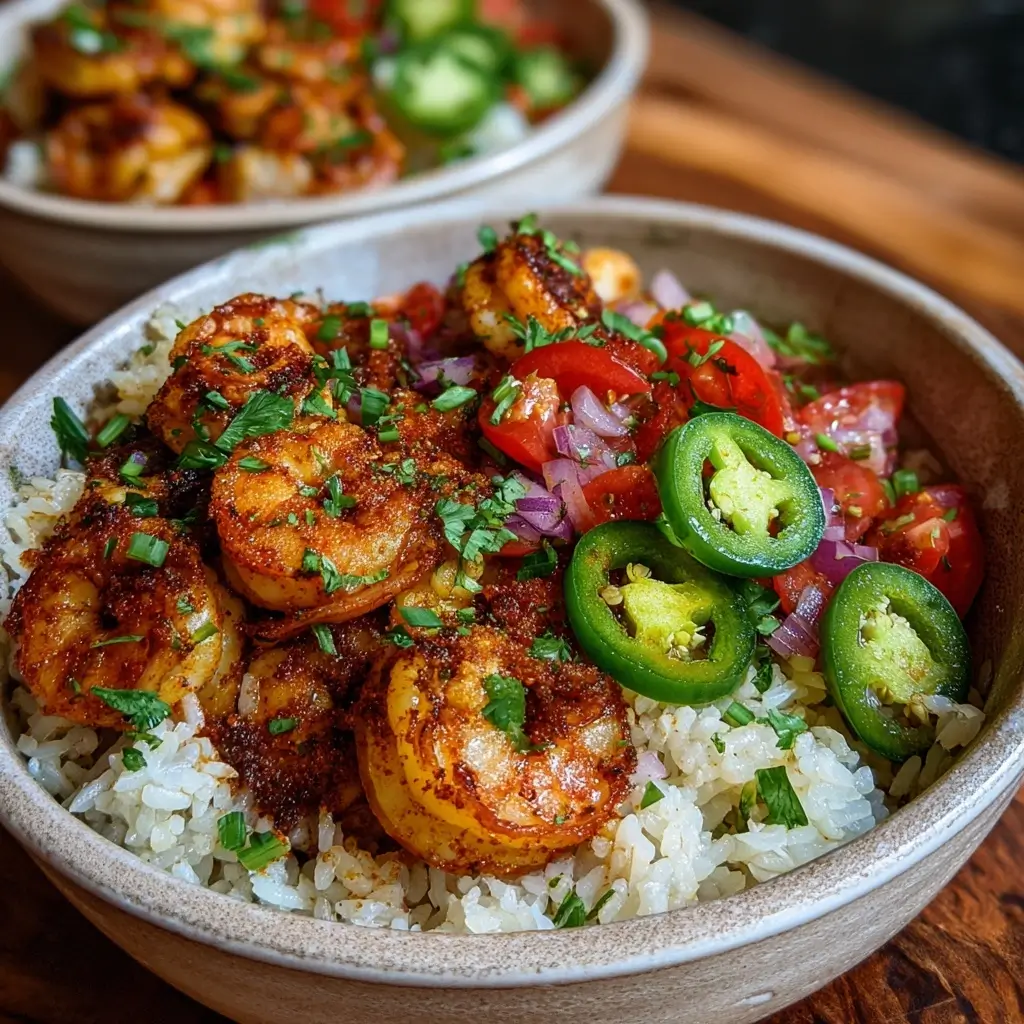
- Assemble the Bowls: Divide the cooked rice among serving bowls. Spoon the Cajun butter shrimp and vegetable mixture over the top. Drizzle any remaining sauce from the pan for maximum flavor.
- Garnish and Serve: Sprinkle with chopped parsley, green onions, and optional toppings like cherry tomatoes, avocado slices, or a dash of hot sauce. Serve immediately while hot and fragrant.
Tips
- Don’t Overcook the Shrimp: Shrimp cook very quickly and become rubbery if left too long on the heat. Watch closely—they’re done when they turn opaque and pink with a slight C-curl.
- Bloom the Spices: To intensify the flavor of your Cajun seasoning, add it to the oil briefly before adding the shrimp, allowing the spices to toast slightly.
- Use Fresh Garlic: Pre-minced garlic from a jar lacks the punch of freshly minced cloves. Always opt for fresh for superior aroma and taste.
- Control the Heat: Cajun seasoning varies in spiciness. Start with less and add more after tasting. You can always increase the heat, but you can’t take it away.
- Prep Ahead: Chop vegetables and season the shrimp in advance. This makes cooking faster and easier, especially on busy evenings.
- Baste the Shrimp: As the shrimp cook, spoon the bubbling butter sauce over them to infuse more flavor throughout.
- Rest Before Serving: Allow the dish to rest for 2–3 minutes after cooking so the sauce settles and flavors deepen.
- Serve Immediately: These bowls are best enjoyed hot. If preparing ahead, store components separately and reheat just before assembling.
Variations and Customizations
The beauty of Cajun Butter Shrimp Bowls lies in their versatility. Feel free to tailor them to your dietary preferences, pantry staples, or cultural twists:
- Protein Swaps: Replace shrimp with chicken breast, scallops, firm tofu, or even flaky white fish like cod. Adjust cooking times accordingly.
- Dairy-Free Version: Use plant-based butter (like Earth Balance) and skip the cream or replace it with unsweetened coconut milk or cashew cream.
- Low-Carb/Keto Option: Serve over riced cauliflower, zucchini noodles, or a bed of sautéed greens like kale or spinach.
- Vegan Twist: Use king oyster mushrooms or hearts of palm instead of shrimp, and follow the dairy-free modifications above.
- Spice Level Adjustments: For mild bowls, reduce or omit cayenne pepper. For extra heat, add sliced jalapeños, a dash of hot sauce (like Crystal or Tabasco), or crushed red pepper flakes.
- Global Fusion:
- Add soy sauce and sesame seeds for an Asian-inspired twist.
- Include black beans, corn, and cilantro for a Tex-Mex flair.
- Top with feta and olives for a Mediterranean vibe.
- Grain Variations: Try quinoa, farro, wild rice blend, or even mashed sweet potatoes as alternative bases.
- Add Crunch: Top with crushed crackers, fried onions, or toasted breadcrumbs for textural contrast.
- Smoky Depth: Add a pinch of smoked paprika or a few drops of liquid smoke to amplify the Cajun essence.
Health Considerations and Nutritional Value
Cajun Butter Shrimp Bowls can be a nutritious, well-balanced meal when prepared thoughtfully. Here’s a breakdown of key health aspects and nutritional benefits:
- Shrimp: Low in calories and high in protein, shrimp is also rich in selenium, vitamin B12, phosphorus, and omega-3 fatty acids, which support heart and brain health. However, it does contain cholesterol, so those with specific dietary restrictions should consume in moderation.
- Butter and Cream: While delicious, these ingredients are high in saturated fat. Using moderate amounts or substituting with healthier fats (like olive oil or avocado-based creams) can reduce overall fat content without sacrificing flavor.
- Vegetables: The Holy Trinity and other added veggies provide fiber, vitamins A and C, antioxidants, and anti-inflammatory compounds. More vegetables mean more volume and fewer calories per bite—ideal for weight management.
- Whole Grains: Choosing brown rice, quinoa, or other whole grains increases fiber intake, aiding digestion and promoting sustained energy release.
- Sodium Awareness: Store-bought Cajun seasoning often contains high sodium levels. Making your own blend allows control over salt content, crucial for those managing blood pressure.
- Portion Control: Since the sauce is rich, smaller portions of shrimp and sauce paired with larger volumes of vegetables and whole grains create a satisfying yet balanced plate.
- Allergen Notes: Contains shellfish and dairy. Be cautious when serving to individuals with allergies. Always label dishes accordingly in shared settings.
A typical serving (with white rice and full-fat sauce) contains approximately 450–600 calories, 30–40g protein, 40–50g carbohydrates, and 20–25g fat. Modifications can lower this significantly—for example, using cauliflower rice and skipping cream reduces calories to around 300–400 per serving.
Ingredients
- 1 lb (450g) large shrimp, peeled and deveined
- 2–3 tbsp homemade or store-bought Cajun seasoning (adjust to taste)
- 3 tbsp unsalted butter
- 1 tbsp olive oil
- 4 cloves garlic, minced
- 1/2 cup diced yellow onion
- 1/2 cup diced green bell pepper
- 1/2 cup diced red bell pepper
- 1/2 cup diced celery
- 1/4 cup heavy cream (optional)
- 1 tbsp fresh lemon juice
- 1 cup uncooked long-grain white rice (or brown/cauliflower rice)
- 2 cups water or broth (for cooking rice)
- Fresh parsley, chopped (for garnish)
- Green onions, sliced (for garnish)
- Salt and pepper to taste
- Optional: hot sauce, cherry tomatoes, avocado, Parmesan cheese
Directions
- In a medium saucepan, bring 2 cups of water or broth to a boil. Add rice, reduce heat to low, cover, and simmer for 18 minutes (white rice) or 35–40 minutes (brown rice). Remove from heat and let stand for 5 minutes, then fluff with a fork.
- While rice cooks, pat shrimp dry and toss with 2 tablespoons of Cajun seasoning in a bowl. Set aside to marinate.
- Heat olive oil in a large skillet over medium heat. Add onion, bell peppers, and celery. Sauté for 6–7 minutes until soft and lightly golden. Remove and set aside.
- In the same skillet, add olive oil and 2 tablespoons of butter. Once butter melts, add seasoned shrimp in a single layer. Cook 1–2 minutes per side until pink and opaque. Transfer to a plate.
- Reduce heat to low. Melt remaining 1 tablespoon of butter in the skillet. Add minced garlic and sauté for 30 seconds until fragrant.
- If using, stir in heavy cream and let simmer gently for 1 minute. Return cooked vegetables and shrimp to the skillet.
- Pour in lemon juice, stir well, and heat through for another 1–2 minutes. Taste and adjust seasoning, adding more Cajun spice or salt if desired.
- Divide rice among bowls. Top generously with Cajun butter shrimp and vegetables. Drizzle with extra sauce from the pan.
- Garnish with parsley, green onions, and any optional toppings. Serve immediately.
FAQ
Can I make this recipe ahead of time?
Yes! Cook the components separately and store them in airtight containers in the refrigerator for up to 3 days. Reheat the shrimp mixture in a skillet to preserve texture, and warm the rice in the microwave. Assemble just before eating.
Is Cajun seasoning very spicy?
It depends on the blend. Traditional mixes can be quite hot due to cayenne pepper. Look for “mild” versions or make your own to control the heat level.
Can I freeze Cajun butter shrimp?
While possible, freezing may affect the texture of shrimp, making them rubbery upon thawing. It’s best enjoyed fresh or refrigerated short-term.
What sides go well with this bowl?
A crisp green salad, garlic bread, coleslaw, or cornbread complement the bold flavors nicely. For drinks, try iced tea, lemonade, or a light lager.
Are there shellfish alternatives?
Absolutely. Chicken, sausage, or even portobello mushrooms work well. Just adjust cooking times accordingly.
How do I prevent the sauce from breaking?
Avoid boiling the butter-cream sauce vigorously. Keep the heat low and stir gently. Adding a teaspoon of lemon juice helps stabilize the emulsion.
Can I use frozen shrimp?
Yes, but thaw them first in cold water and pat dry thoroughly. Wet shrimp will steam instead of sear, reducing flavor development.
Is this dish gluten-free?
Yes, provided your Cajun seasoning doesn’t contain fillers with gluten. Always check labels or make your own blend to ensure safety.
Summary
Cajun Butter Shrimp Bowls deliver a fiery, savory, and deeply satisfying meal that honors Southern tradition while fitting modern tastes and lifestyles. Packed with bold spices, tender shrimp, and vibrant vegetables over a fluffy grain base, this dish is as nutritious as it is delicious.