Introduction
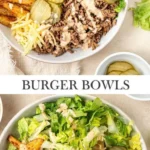
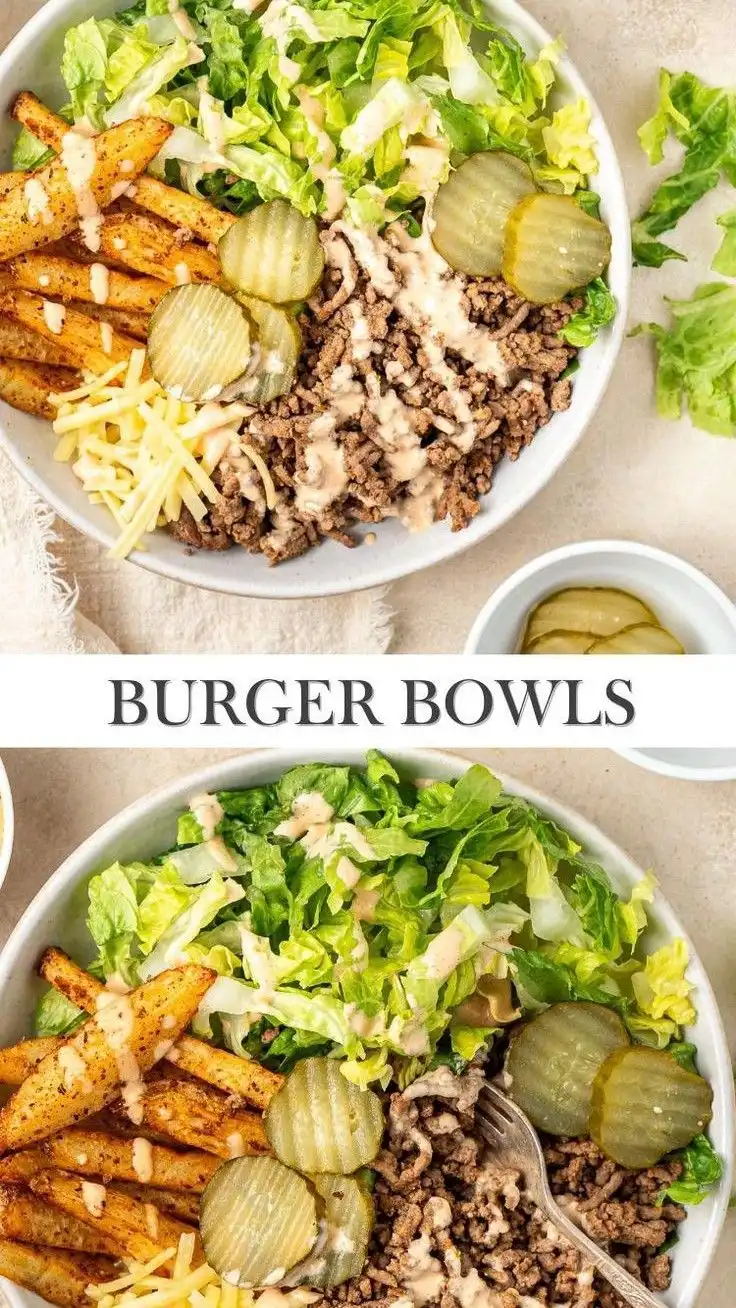
Burger Bowls are the ultimate fusion of classic American comfort food and modern, health-conscious meal prep—served deconstructed in a vibrant, nutrient-dense bowl format. Forget the bun, skip the frying pan, and say hello to a customizable, no-mess, high-protein dinner that satisfies cravings without compromise. Whether you’re meal prepping for the week, feeding a busy family, or seeking a gluten-free, low-carb, or keto-friendly alternative to traditional burgers, Burger Bowls deliver bold flavor, hearty texture, and endless versatility—all in one colorful, satisfying dish. They’re not just a trend; they’re a culinary reset that celebrates real ingredients, intuitive layering, and the joy of building your perfect bite—every single time.
The History
While the iconic hamburger traces its roots to late 19th-century America—popularized by vendors at fairs, diners, and drive-ins—the deconstructed “Burger Bowl” is a distinctly 21st-century evolution born from multiple converging food movements. The rise of grain bowls (think Buddha Bowls and Power Bowls) in the early 2010s laid the foundation, emphasizing whole foods, vibrant produce, and intentional layering. Simultaneously, the low-carb, keto, and gluten-free communities began rejecting refined buns—not out of sacrifice, but in pursuit of cleaner fuel and better digestion. Social media platforms like Instagram and Pinterest accelerated the trend, as home cooks shared stunning overhead shots of beautifully composed bowls featuring seared beef crumbles, pickled onions, melted cheddar, and house-made “special sauce” drizzled over cauliflower rice or butter lettuce cups. Chefs and dietitians alike embraced the format for its flexibility: it accommodates allergies, dietary goals, and even picky eaters who prefer components served separately. Today, Burger Bowls represent more than convenience—they symbolize mindful eating, culinary creativity, and the democratization of restaurant-quality meals in everyday home kitchens.
Ingredients Breakdown
What makes a Burger Bowl extraordinary isn’t just taste—it’s thoughtful ingredient synergy. Each component plays a strategic role:
- Protein Base: Grass-fed ground beef (80/20 for juiciness), ground turkey, plant-based crumbles, or even finely chopped portobello mushrooms for umami depth. Seasoned with smoked paprika, garlic powder, onion powder, Worcestershire (or coconut aminos for paleo), and a pinch of cayenne for subtle heat.
- “Bun” Alternatives: Not a replacement—but an upgrade. Options include warm cauliflower rice (lightly sautéed with ghee), shredded iceberg or romaine for crunch, butter lettuce cups for delicate wrap-style eating, or even roasted sweet potato wedges for natural sweetness and fiber.
- Cheese Layer: Sharp cheddar, pepper jack for spice, crumbled feta for tang, or dairy-free cashew cheddar for vegan versions. Melted *just enough*—not gooey, but lusciously integrated.
- Classic Toppings (Reimagined): House-pickled red onions (quick-pickle in apple cider vinegar, maple syrup, and mustard seeds), heirloom tomato confit (slow-roasted with thyme and balsamic), avocado ribbons (not mushy guac—clean, cool contrast), and crisp dill pickle chips for acidity and crunch.
- Sauce & Finish: Signature “Burger Sauce” made from Greek yogurt or cashew cream base, blended with Dijon, capers, minced shallots, smoked sea salt, and a splash of pickle brine. Finished with flaky sea salt, freshly cracked black pepper, toasted sesame or poppy seeds, and microgreens or sprouts for enzymatic freshness.
This breakdown prioritizes whole-food integrity—zero fillers, no artificial preservatives, and maximal micronutrient density across every layer.
Step-by-Step Recipe
- Prep & Marinate (15 min, mostly hands-off): Combine ground meat with seasonings (1 tsp smoked paprika, 1½ tsp garlic powder, 1 tsp onion powder, 1 tbsp Worcestershire, ½ tsp black pepper, 1 tsp coconut aminos). Gently mix—don’t overwork. Let rest 10 minutes while prepping veggies.
- Quick-Pickle Onions (10 min active, 30+ min to develop): Thinly slice 1 small red onion. Heat ½ cup apple cider vinegar, 2 tbsp maple syrup, 1 tsp mustard seeds, ½ tsp crushed red pepper, and 1 tsp sea salt in a small saucepan until simmering. Pour over onions in a jar. Cool, then refrigerate (best after 1 hour, ideal after 4 hours).
- Roast Tomato Confit (25–30 min): Halve 1 pint cherry tomatoes. Toss with 2 tbsp olive oil, 2 smashed garlic cloves, 1 tbsp fresh thyme leaves, ½ tsp sea salt, and ¼ tsp black pepper. Roast at 325°F on parchment-lined sheet until shriveled and jammy (~25 min). Cool slightly; mash lightly with fork to concentrate flavor.
- Sear the Protein (8–10 min): Heat large nonstick skillet over medium-high. Add meat in even layer—don’t stir immediately. Let crust form ~3 min, then break into coarse crumbles. Cook until deeply browned and internal temp reaches 160°F (beef) or 165°F (turkey). Drain excess fat if needed. Stir in 1 tbsp cold butter for richness (optional but transformative).
- Prepare Base & Assemble (5 min): Warm cauliflower rice in skillet with 1 tsp ghee and pinch of nutmeg. Or chill butter lettuce cups. Spoon base into wide, shallow bowls. Layer warm meat, tomato confit, pickled onions, avocado ribbons, cheese, and a generous drizzle of Burger Sauce. Garnish with microgreens, sesame seeds, and flaky salt.
Tips
- Texture is Everything: Always add crunchy elements *after* saucing—think radish matchsticks, jicama slivers, or toasted sunflower seeds—to prevent sogginess.
- Season in Layers: Salt the meat, salt the tomatoes before roasting, salt the onions in the brine, and finish with flaky salt. This builds dimensional savoriness.
- Control Moisture: Pat avocado dry before slicing. Drain pickled onions well. Use roasted—not raw—tomatoes to avoid watery bowls.
- Meal Prep Smart: Cook meat and confit up to 4 days ahead. Store pickled onions for 3 weeks. Assemble bowls fresh—or layer components in mason jars (dressing on bottom, sturdiest items next, greens on top) for grab-and-go lunches.
- Temperature Contrast: Serve warm meat + cool avocado + chilled pickles + room-temp sauce. That interplay makes every bite dynamic.
- Don’t Skip the Fat: A finishing drizzle of high-quality olive oil or avocado oil adds mouthfeel and helps absorb fat-soluble vitamins from veggies.
- Acid Balance: If your sauce tastes flat, add ¼ tsp lemon juice or more pickle brine—brightness cuts richness and lifts all other flavors.
Variations and Customizations
Burger Bowls thrive on personalization—here’s how to adapt them across diets, seasons, and moods:
- Keto/Low-Carb: Base = riced broccoli or zucchini noodles sautéed in bacon fat. Swap maple syrup in pickles for erythritol. Top with blue cheese crumbles and crispy bacon bits.
- Vegan/Vegetarian: Protein = lentil-walnut-worcestershire “crumbles” or seasoned tempeh crumbles. Cheese = fermented cashew queso. Sauce = tahini-miso blend with chipotle and lime.
- Paleo/Whole30: Skip dairy entirely—use avocado crema (blended avocado + lime + garlic) and grilled red onion rings instead of pickled. Base = mashed roasted rutabaga or julienned cabbage.
- Spicy Southwest: Use chorizo-seasoned ground pork, black bean & corn salsa, pickled jalapeños, cotija cheese, and chipotle-lime crema.
- Mediterranean Twist: Ground lamb with cumin & mint, tzatziki, cucumber ribbons, kalamata olives, roasted eggplant, and crumbled feta.
- Breakfast Burger Bowl: Swap beef for turkey sausage crumbles, add fried or poached eggs, hash brown cubes, sautéed spinach, and sriracha-maple drizzle.
- Global Fusion: Korean BBQ style—gochujang-glazed beef, kimchi slaw, quick-pickled daikon, nori strips, and sesame-ginger drizzle. Or Japanese-inspired: teriyaki-glazed ground chicken, edamame, shiitake mushrooms, scallions, and yuzu mayo.
- Kid-Friendly: Mild seasoning only, shredded cheddar instead of sharp, hidden veggie “sneak-in” (finely grated zucchini in meat), fun toppings like mini cheese cubes or cherry tomato halves on skewers.
Health Considerations and Nutritional Value
A thoughtfully built Burger Bowl is nutritionally robust—and far more balanced than its traditional counterpart. A standard serving (1 bowl, ~650–750 calories) delivers approximately:
- Protein: 35–45g (supports muscle maintenance, satiety, and metabolic function)
- Fiber: 12–18g (from cauliflower rice, tomatoes, onions, avocado, and optional legumes—promotes gut health and stable blood sugar)
- Healthy Fats: 30–40g (monounsaturated from avocado and olive oil; omega-3s from grass-fed beef or walnuts in vegan versions)
- Vitamins & Minerals: Exceptional levels of Vitamin C (tomatoes, onions), Vitamin K (leafy greens, avocado), B12 (animal protein), folate (legumes, greens), potassium (avocado, sweet potato base), and antioxidants like lycopene (roasted tomatoes) and quercetin (onions).
Dietary Advantages:
- Gluten-Free & Grain-Free Friendly: No flour, breadcrumbs, or processed binders required.
- Blood Sugar Friendly: Low glycemic load—no refined carbs means minimal insulin spikes. Ideal for prediabetes, PCOS, or insulin resistance.
- Anti-Inflammatory Focus: Rich in polyphenols (onions, tomatoes, herbs), healthy fats, and fermented elements (pickles, kimchi, sauerkraut) support microbiome diversity and reduce systemic inflammation.
- Digestive Ease: Enzyme-rich raw vegetables (sprouts, radishes), probiotic pickles, and fiber encourage regular motility and gut lining repair.
- Customizable Sodium: Unlike store-bought burgers or frozen patties, you control salt content—opt for mineral-rich sea salt and boost flavor with herbs, acids, and umami instead of excess sodium.
Note: For those managing hypertension, kidney disease, or histamine sensitivity, adjust accordingly—e.g., limit aged cheeses, avoid fermented toppings if sensitive, and use low-sodium broth in place of Worcestershire.
Ingredients
Makes 4 generous servings
- For the Burger Meat: 1½ lbs (680g) 80/20 grass-fed ground beef • 1½ tsp smoked paprika • 1½ tsp garlic powder • 1 tsp onion powder • 1 tbsp Worcestershire sauce (or coconut aminos) • 1 tsp black pepper • ½ tsp sea salt • 1 tbsp unsalted butter (optional, for richness)
- For Quick-Pickled Red Onions: 1 medium red onion, very thinly sliced • ½ cup raw apple cider vinegar • 2 tbsp pure maple syrup • 1 tsp yellow mustard seeds • ½ tsp crushed red pepper flakes • 1 tsp fine sea salt
- For Tomato Confit: 1 pint (300g) cherry or grape tomatoes, halved • 2 tbsp extra-virgin olive oil • 2 garlic cloves, smashed • 1 tbsp fresh thyme leaves • ½ tsp sea salt • ¼ tsp black pepper
- For the Base (choose one): 4 cups riced cauliflower (fresh or frozen, thawed & patted dry) • OR 8 large butter lettuce leaves • OR 2 medium roasted sweet potatoes, cubed and cooled
- For Assembly: 1 large ripe avocado, sliced into ribbons • 1 cup shredded sharp cheddar or pepper jack cheese • ½ cup microgreens or arugula • Flaky sea salt and freshly cracked black pepper, to finish
- For Burger Sauce (makes ~¾ cup): ½ cup full-fat plain Greek yogurt (or unsweetened cashew cream) • 1 tbsp Dijon mustard • 1 tbsp finely minced shallot • 1 tsp capers, chopped • 1 tsp pickle brine (from your onions) • ½ tsp smoked sea salt • ¼ tsp garlic powder • Juice of ½ small lemon (optional, for brightness)
- Optional Garnishes: Toasted sesame seeds • Pickle chips • Radish slices • Fresh dill or chives
Directions
- Make the Pickled Onions: In a small saucepan, combine apple cider vinegar, maple syrup, mustard seeds, red pepper flakes, and sea salt. Bring to a gentle simmer over medium heat, stirring until salt and syrup dissolve (~2 minutes). Remove from heat. Place sliced onions in a clean 16-oz mason jar. Carefully pour hot brine over onions, ensuring they’re fully submerged. Let cool to room temperature, then cover and refrigerate for at least 1 hour (ideally 4+ hours or overnight for best flavor and texture).
- Roast the Tomato Confit: Preheat oven to 325°F (163°C). Line a rimmed baking sheet with parchment paper. In a large bowl, toss halved tomatoes with olive oil, smashed garlic, thyme, sea salt, and black pepper. Spread evenly in a single layer. Roast for 25–30 minutes, gently shaking pan halfway, until tomatoes are deeply caramelized, shrunken, and glossy. Remove garlic cloves. Transfer tomatoes to a small bowl; lightly mash with a fork to create a rustic, jammy texture. Cool completely before using.
- Prepare the Burger Meat: In a large bowl, combine ground beef with smoked paprika, garlic powder, onion powder, Worcestershire sauce, black pepper, and sea salt. Gently mix with hands or spatula until just combined—do not overmix. Let rest 10 minutes at room temperature.
- Cook the Meat: Heat a large heavy-bottomed skillet (cast iron preferred) over medium-high heat. Add meat in an even layer—do not stir immediately. Let cook undisturbed for 3 minutes to develop a deep brown crust. Then, using a wooden spoon or spatula, break into coarse, bite-sized crumbles. Continue cooking, stirring occasionally, until meat is fully cooked through and deeply browned (6–8 more minutes). Drain excess fat if desired (reserve 1 tsp for flavor if using cauliflower rice base). Stir in cold butter (if using) off heat until melted and glossy. Taste and adjust seasoning.
- Prepare the Base: If using cauliflower rice: Heat 1 tsp ghee or olive oil in same skillet over medium heat. Add cauliflower rice and a pinch of nutmeg and sea salt. Sauté 4–5 minutes until tender-crisp and fragrant. If using butter lettuce: Rinse, pat dry, and chill. If using sweet potatoes: Roast at 400°F (200°C) for 25–30 minutes until tender, then cube and cool.
- Make the Burger Sauce: In a small bowl, whisk together Greek yogurt (or cashew cream), Dijon, minced shallot, capers, pickle brine, smoked sea salt, garlic powder, and lemon juice (if using). Refrigerate until ready to serve—flavors meld beautifully after 15 minutes.
- Assemble the Bowls: Divide warm cauliflower rice (or place 2 lettuce cups or sweet potato cubes) among four wide, shallow bowls. Top each with ⅓ of the warm burger crumbles. Spoon generous portions of tomato confit and drained pickled onions over meat. Arrange avocado ribbons and cheese on top. Drizzle generously with Burger Sauce. Finish with a sprinkle of microgreens, flaky salt, black pepper, and optional garnishes. Serve immediately.
FAQ
- Can I make this ahead?
- Absolutely! Cook the meat and tomato confit up to 4 days in advance. Store separately in airtight containers in the fridge. Pickled onions last up to 3 weeks. Assemble bowls fresh—or layer components in jars (sauce on bottom, sturdy items in middle, greens on top) for perfect lunch prep.
- Is this gluten-free?
- Yes—when made with certified gluten-free Worcestershire or coconut aminos and no added breadcrumbs or fillers. Always check labels on condiments and cheeses, as some brands contain hidden gluten or malt vinegar.
- Can I freeze the cooked burger crumbles?
- Yes! Portion into freezer-safe bags or containers. Freeze up to 3 months. Thaw overnight in fridge or reheat gently in skillet with a splash of broth or water to retain moisture.
- What can I use instead of beef?
- Ground turkey, chicken, lamb, pork, or plant-based options like black bean & walnut crumbles, lentil-walnut “meat,” or seasoned crumbled tempeh work beautifully. Adjust cook time—turkey/chicken needs thorough cooking to 165°F.
- My sauce is too thin—how do I fix it?
- Strain Greek yogurt through cheesecloth for 30 minutes before mixing, or add ½ tsp xanthan gum while whisking. For vegan version, blend in 1 tsp soaked cashews or ¼ tsp psyllium husk powder.
- Why roast tomatoes instead of using fresh?
- Roasting concentrates natural sugars, deepens umami, reduces water content (so bowls stay crisp), and adds complex caramelized notes that mimic the savory depth of a grilled burger patty.
- How do I keep avocado from browning?
- Use ripe-but-firm avocados, slice just before assembling, and toss ribbons lightly with lime or lemon juice. Never premix with sauce—add right before serving.
- Are Burger Bowls suitable for kids?
- Yes—with smart tweaks: omit spicy elements, use mild cheese, offer toppings on the side for self-assembly, and add fun textures like crispy baked chickpeas or mini cheese cubes. Many parents report kids love “building their own bowl.”
- Can I make this dairy-free?
- Easily. Skip cheese and use dairy-free yogurt or cashew cream for sauce. Boost umami with nutritional yeast, miso paste, or sun-dried tomato paste in the meat seasoning.
- What wine or beverage pairs well?
- A bold Zinfandel or Malbec complements the rich meat and smoky spices. For non-alcoholic: hibiscus iced tea with lime, sparkling water with muddled cucumber & mint, or cold-brew coffee with oat milk.
Summary
Burger Bowls are a revolutionary, no-bun reinvention of the classic American staple—combining crave-worthy savory depth, vibrant whole-food nutrition, and limitless customization for every dietary need and taste preference. With layers of seasoned protein, roasted and pickled vegetables, creamy sauces, and textural contrasts, they transform weeknight dinners into nourishing, restaurant-worthy experiences—all in under 45 minutes.
Whether you’re keto, vegan, gluten-free, or simply chasing flavor and balance, Burger Bowls empower you to build meals that satisfy hunger, honor your health goals, and spark joy—one colorful, delicious bite at a time.