Introduction
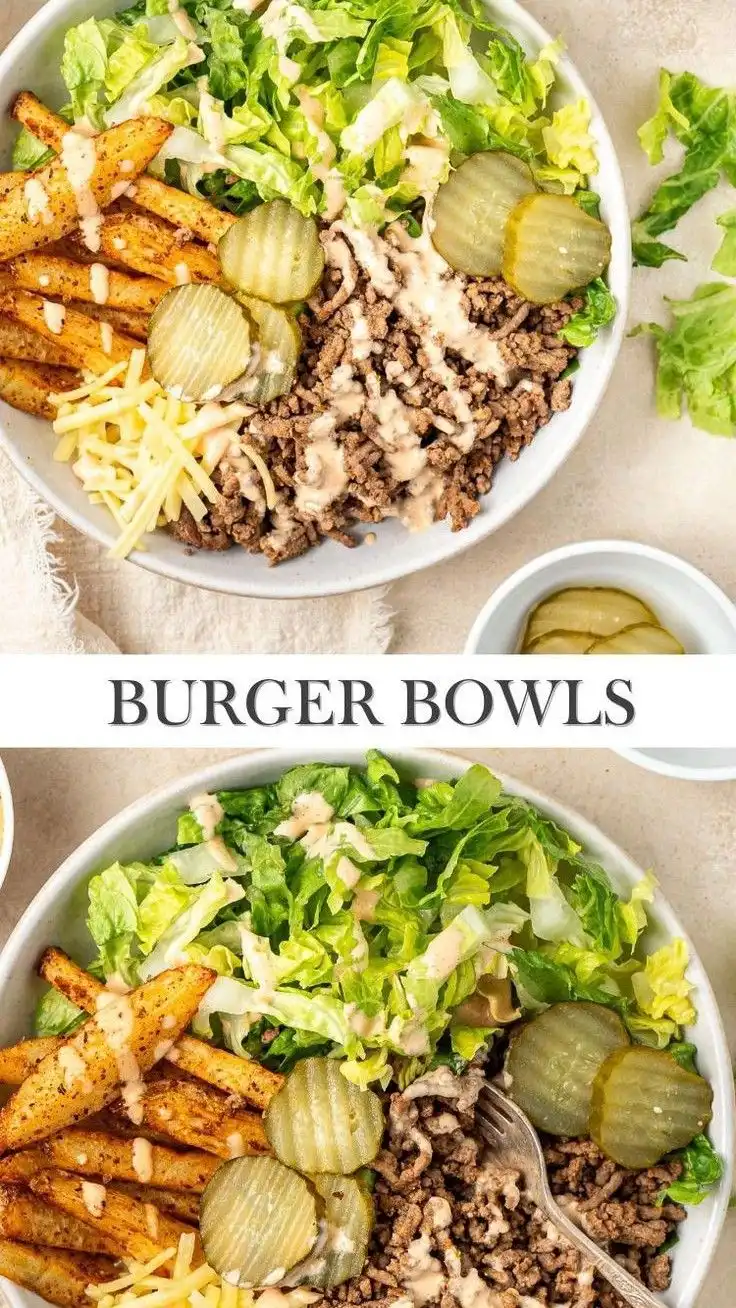
Burger Bowls are the ultimate fusion of classic American comfort food and modern, health-conscious meal prep—serving all the bold, savory flavors of a juicy cheeseburger without the bun, bread, or unnecessary carbs. Think of it as deconstructed burger magic: tender ground beef (or your protein of choice), rich melted cheese, crisp lettuce, tangy pickles, zesty onions, creamy sauces, and hearty toppings—all artfully layered in a nourishing, grain- or veggie-based bowl. Whether you’re following a low-carb, keto, gluten-free, paleo, or simply time-crunched lifestyle, Burger Bowls offer incredible flexibility, minimal cleanup, and maximum satisfaction. They’re perfect for weeknight dinners, meal prepping Sunday, post-workout fuel, or even a fun, customizable family dinner where everyone builds their own bowl. This guide dives deep into every facet of the Burger Bowl phenomenon—from its cultural roots and nutritional wisdom to chef-approved techniques, clever substitutions, and dozens of globally inspired riffs you’ll want to make on repeat.
The History
While the exact origin of the “Burger Bowl” isn’t tied to a single patent or restaurant launch, its rise is deeply rooted in the broader evolution of deconstructed cuisine and the mainstream adoption of low-carb and clean-eating trends beginning in the early 2010s. As ketogenic, Whole30, and gluten-free diets surged in popularity, home cooks and wellness-focused chefs began reimagining beloved high-carb meals—like tacos, pizza, and yes, hamburgers—as grain-free, plate-friendly bowls. Social media platforms like Pinterest and Instagram accelerated this shift, with viral posts showcasing vibrant, colorful “burger-in-a-bowl” compositions garnished with avocado ribbons, crumbled bacon, and house-made special sauce. Food delivery services and fast-casual chains (such as Bareburger’s “Bowl Menu” and Dig Inn’s “Protein Bowls”) soon followed, validating the format as both commercially viable and culturally resonant. Historically, the concept echoes older traditions—think Middle Eastern lahmajoun served over tabbouleh, or Korean bibimbap, where proteins and condiments harmonize over rice or greens. In essence, the Burger Bowl is less an invention and more a delicious, democratic evolution—a testament to how timeless flavors adapt to changing values: convenience, customization, nutrition, and culinary joy.
Ingredients Breakdown
Understanding each component not only ensures flavor balance but empowers smart substitutions based on dietary needs, seasonal availability, or pantry constraints. Here’s a comprehensive breakdown of the foundational elements:
- Base Layer: The foundation sets texture and nutritional profile. Options include cauliflower rice (low-carb, mild), quinoa (protein-rich, gluten-free), brown rice (fiber-forward), shredded romaine or butter lettuce (crisp & hydrating), massaged kale (nutrient-dense, earthy), or even roasted sweet potato cubes (naturally sweet, vitamin A-packed).
- Protein Core: Traditionally grass-fed ground beef (80/20 for juiciness), but equally stellar options include ground turkey or chicken (leaner, milder), plant-based crumbles (soy, lentil, or mushroom-based), ground bison (rich in iron and omega-3s), or flaked grilled salmon (for pescatarian elegance). Marinating proteins in Worcestershire, smoked paprika, or garlic powder before cooking adds depth.
- Cheese Element: Melting quality matters. Cheddar (sharp or mild), American (nostalgic creaminess), pepper jack (spicy kick), feta (tangy & crumbly), goat cheese (earthy & luxurious), or dairy-free shreds (cashew- or coconut oil-based) all bring unique dimensions. For extra richness, try a quick cheese sauce made with roux, mustard, and evaporated milk.
- Vegetable Accents: Beyond lettuce, think color, crunch, and contrast: diced red onion (soak in apple cider vinegar to mellow), dill pickle chips or relish, sautéed mushrooms, roasted cherry tomatoes, grilled zucchini ribbons, shredded purple cabbage (for crunch + antioxidants), or fresh jalapeños for heat.
- Sauces & Condiments: This is where personality shines. Classic options include sugar-free ketchup, homemade thousand island (Greek yogurt + pickle relish + paprika), chipotle aioli (mayo + adobo + lime), avocado crema (blended avocado + sour cream + cilantro + lime), or umami-rich miso-tahini drizzle. Avoid store-bought sauces loaded with high-fructose corn syrup or hidden sugars.
- Crunch & Umami Boosters: These elevate mouthfeel and savoriness: crispy bacon bits, toasted sesame seeds, crushed kettle-cooked potato chips (gluten-free if needed), fried shallots, nori strips, hemp hearts, or nutritional yeast (“nooch”) for cheesy, B-vitamin richness.
- Fresh Finishes: Brightness cuts through richness. Top with chopped fresh herbs (cilantro, parsley, chives), microgreens, radish sprouts, lemon or lime zest, or a final drizzle of cold-pressed olive oil or toasted sesame oil.
Step-by-Step Recipe
Yield: 4 servings | Prep time: 20 minutes | Cook time: 25 minutes | Total time: 45 minutes
- Prep Your Base: If using cauliflower rice, pulse fresh cauliflower florets in a food processor until rice-sized; sauté in olive oil over medium-high heat for 6–8 minutes until tender but not mushy. For quinoa, rinse thoroughly and cook according to package directions (usually 1 part quinoa to 2 parts water, simmered 15 minutes). Let bases cool slightly before assembling.
- Season & Cook the Protein: In a large skillet over medium heat, warm 1 tbsp avocado oil. Add 1 lb ground beef (or alternative). Break apart with a wooden spoon, then add 1 tsp garlic powder, 1 tsp onion powder, ½ tsp smoked paprika, ½ tsp Worcestershire sauce, ¼ tsp black pepper, and ½ tsp sea salt. Cook 7–9 minutes, stirring occasionally, until fully browned and internal temperature reaches 160°F (71°C). Drain excess fat if desired—but retain a teaspoon for flavor if using lean meat.
- Melt the Cheese: Reduce heat to low. Sprinkle 1 cup shredded cheddar evenly over hot beef. Cover skillet with a lid for 1–2 minutes until cheese is just melted and glossy. Stir gently to distribute.
- Prep Fresh Toppings: While beef cooks, thinly slice ½ small red onion and soak in 2 tbsp apple cider vinegar + 1 tsp maple syrup for 10 minutes (quick-pickle). Chop 1 cup romaine, halve 1 cup cherry tomatoes, dice ½ small cucumber, and slice 4–6 dill pickle chips.
- Make the Sauce: In a small bowl, combine ½ cup plain full-fat Greek yogurt, 2 tbsp sugar-free ketchup, 1 tbsp finely minced dill pickle, 1 tsp yellow mustard, ½ tsp garlic powder, and a pinch of cayenne. Whisk until smooth. Chill until serving.
- Assemble with Intention: In wide, shallow bowls, layer 1 cup base (cauliflower rice or quinoa), followed by 1 generous scoop (¾ cup) of cheesy beef. Arrange toppings in sections around the perimeter for visual appeal: pickles, pickled onions, tomatoes, cucumber, romaine, and a generous dollop of sauce. Finish with 2 strips of crispy bacon per bowl, a sprinkle of Everything Bagel seasoning, and a few fresh dill sprigs.
- Serve Immediately: Burger Bowls are best enjoyed warm—especially while the cheese is luxuriously melty and the base retains subtle texture. Offer extra sauce on the side and a wedge of lime for brightness.
Tips
- Don’t Skip the Fat Ratio: For ground beef, choose 80/20 (80% lean, 20% fat). Too lean = dry, crumbly patties—even when crumbled. The fat renders during cooking, basting the meat and carrying flavor.
- Toast Your Spices: Briefly warming dried spices (paprika, garlic powder, onion powder) in the skillet before adding meat unlocks volatile oils and intensifies aroma—just 30 seconds over low heat does wonders.
- Chill Before Crumbling (Optional Pro Move): After cooking beef, let it cool 10 minutes, then refrigerate 20 minutes. Cold meat crumbles more cleanly and holds shape better in the bowl—ideal for meal prep.
- Layer Sauces Strategically: Drizzle thick sauces (like aioli) *under* the protein layer so they infuse the base. Place brighter, looser sauces (lime crema, herb vinaigrette) on top for freshness.
- Batch-Cook Components: Cook double batches of seasoned beef and base grains/rice; portion into airtight containers. Toppings and sauces stay freshest prepped separately. Assemble bowls cold-to-hot in under 5 minutes.
- Acid Is Non-Negotiable: Every great Burger Bowl has at least one acidic element—pickles, vinegar-soaked onions, citrus juice, mustard, or fermented hot sauce. Acid balances fat, brightens heaviness, and wakes up the palate.
- Texture Contrast Makes Magic: Aim for at least three textures: soft (melty cheese, warm beef), crisp (lettuce, cucumber, pickles), and crunchy (bacon, seeds, chips). Skipping crunch makes the bowl feel monotonous.
- Use a Cast-Iron Skillet: It retains heat beautifully, giving beef a deeper Maillard reaction (caramelization) and richer flavor than nonstick pans.
- Rest Before Serving: Let assembled bowls sit 2–3 minutes after plating—this allows slight carryover cooking and lets flavors marry without making greens soggy.
- Label for Allergies: When serving guests, note common allergens: dairy (cheese, yogurt), soy (Worcestershire, some plant crumbles), gluten (if using regular Worcestershire—opt for gluten-free brands like Lea & Perrins GF), and nuts (in some dairy-free cheeses or sauces).
Variations and Customizations
The Burger Bowl is infinitely adaptable—here are 12 standout variations spanning global cuisines, dietary frameworks, and seasonal inspiration:
- Keto Carnivore Bowl: Base = sautéed spinach + caramelized onions; Protein = 90/10 ground beef with bone broth reduction; Toppings = blue cheese crumbles, crispy pancetta, roasted garlic cloves, and hollandaise drizzle. Zero carbs, maximum umami.
- Mexi-Burger Bowl: Base = cilantro-lime cauliflower rice; Protein = taco-seasoned ground beef; Toppings = black beans, fire-roasted corn, pico de gallo, avocado slices, cotija cheese, and chipotle crema.
- Asian-Inspired Umami Bowl: Base = shirataki noodles (rinsed & dry-sautéed); Protein = ginger-scallion ground turkey; Toppings = quick-pickled daikon, nori strips, wasabi peas, scallions, and tamari-ginger drizzle (tamari + rice vinegar + grated ginger + toasted sesame oil).
- Mediterranean Burger Bowl: Base = herbed quinoa + chopped cucumber-tomato salad; Protein = lamb-beef blend with oregano & mint; Toppings = crumbled feta, kalamata olives, roasted red peppers, tzatziki, and lemon zest.
- Breakfast Burger Bowl: Base = hash browns (shredded potato, pan-fried until golden); Protein = breakfast sausage crumbles; Toppings = fried eggs (runny yolk encouraged), cheddar, roasted cherry tomatoes, and maple-Dijon glaze.
- Vegan “Beetroot & Black Bean” Bowl: Base = massaged kale + wild rice; Protein = spiced black bean & beetroot patties (baked, not fried); Toppings = cashew queso, pickled red onion, avocado, cilantro, and lime-cumin vinaigrette.
- Smoky BBQ Burger Bowl: Base = smoky baked sweet potato wedges; Protein = bourbon-barbecue braised ground pork; Toppings = crispy onion rings, coleslaw (vinegar-based, no mayo), pickled jalapeños, and extra BBQ drizzle.
- Indian-Spiced Tikka Bowl: Base = turmeric-infused cauliflower rice; Protein = yogurt-marinated ground chicken with garam masala & ginger; Toppings = mango chutney, red onion rings, cilantro-mint chutney, and toasted cashews.
- Loaded Nacho Burger Bowl: Base = crushed gluten-free tortilla chips; Protein = seasoned ground beef; Toppings = melted pepper jack, black beans, corn, jalapeños, pico, guac, sour cream, and pickled red onions.
- Paleo Southwest Bowl: Base = roasted butternut squash + avocado; Protein = chipotle-lime ground bison; Toppings = pumpkin seeds, jicama matchsticks, cilantro, lime, and avocado crema (no dairy).
- Seafood Burger Bowl: Base = lemony arugula; Protein = seared tuna tartare (diced sushi-grade tuna + soy, sesame oil, scallions); Toppings = seaweed salad, edamame, pickled ginger, wasabi aioli, and sesame seeds.
- Dessert “Choco-Burger” Bowl (Yes, Really!): Base = chocolate protein oats; Protein = black bean brownie crumbles; Toppings = peanut butter drizzle, banana coins, cacao nibs, coconut flakes, and dairy-free chocolate shavings. A playful, nutrient-dense treat.
Health Considerations and Nutritional Value
A well-constructed Burger Bowl can be a powerhouse of balanced macronutrients and micronutrients—especially when thoughtfully curated. Below is a detailed analysis of a standard 4-serving recipe (using 80/20 beef, cauliflower rice base, cheddar, and whole-food toppings), plus key considerations for specific health goals:
Nutrition Snapshot (Per Serving, Approximate):
- Calories: 520–640 kcal (varies by base and cheese amount)
- Protein: 32–41g (supports muscle maintenance, satiety, metabolic health)
- Fat: 34–42g (mostly unsaturated from olive oil, avocado, cheese; includes conjugated linoleic acid [CLA] from grass-fed beef)
- Carbohydrates: 12–22g net carbs (cauliflower base = ~3g/serving; quinoa base = ~20g/serving)
- Fiber: 5–9g (from vegetables, legumes in variations, seeds)
- Vitamins & Minerals: Rich in iron (beef), vitamin K (leafy greens), vitamin C (bell peppers, tomatoes), potassium (avocado, sweet potato), calcium (cheese, kale), and zinc (beef, pumpkin seeds)
Key Health Considerations:
- Heart Health: Choose leaner proteins (turkey, bison) and limit saturated fat to <10% of daily calories. Boost heart-healthy fats with avocado, walnuts, flaxseed, or olive oil. Sodium control? Skip pre-salted bacon and use low-sodium Worcestershire or coconut aminos.
- Blood Sugar Balance: Low-glycemic bases (cauliflower, zucchini noodles, spinach) prevent spikes. Pair with fiber and healthy fat to slow glucose absorption. Avoid sugary sauces—opt for date-sweetened ketchup or tomato paste + apple cider vinegar instead.
- Gut Health: Include fermented toppings: kimchi, sauerkraut, or cultured pickles introduce beneficial probiotics. Fiber-rich vegetables feed good gut bacteria—aim for 3+ colors per bowl.
- Inflammation Support: Prioritize anti-inflammatory ingredients: turmeric, ginger, garlic, leafy greens, berries (in dessert version), fatty fish, walnuts, and green tea-infused marinades. Limit processed meats and refined oils (soybean, corn).
- Kidney-Friendly Adaptations: For low-phosphorus or low-potassium needs, swap cheese for low-phos cottage cheese, omit tomatoes and potatoes, and choose green beans or cabbage over spinach.
- Pregnancy & Nursing: Ensure beef is fully cooked (160°F), avoid raw sprouts or unpasteurized cheeses, and boost folate with lentils or spinach, iron with red meat + vitamin C (bell peppers), and DHA with salmon or algae oil drizzle.
- Allergy-Friendly Swaps: Dairy-free? Use nutritional yeast or cashew cheese. Gluten-free? Verify Worcestershire and sauces. Nut-free? Replace tahini with sunflower seed butter. Soy-free? Choose coconut aminos and soy-free plant crumbles.
Remember: Nutrition is deeply personal. Work with a registered dietitian to tailor portions, macros, and ingredients to your unique biochemistry, activity level, and health conditions.
Ingredients
Makes 4 servings
- 1 tbsp avocado oil or olive oil
- 1 lb (450g) 80/20 ground beef (grass-fed preferred)
- 1 tsp garlic powder
- 1 tsp onion powder
- ½ tsp smoked paprika
- ½ tsp Worcestershire sauce (gluten-free if needed)
- ¼ tsp freshly ground black pepper
- ½ tsp fine sea salt
- 1 cup shredded sharp cheddar cheese
- 4 cups riced cauliflower (fresh or frozen, thawed & patted dry)
- 1 medium head romaine lettuce, chopped (about 4 cups)
- ½ small red onion, very thinly sliced
- 2 tbsp apple cider vinegar
- 1 tsp pure maple syrup or honey
- 1 cup cherry tomatoes, halved
- ½ English cucumber, diced
- 8–12 dill pickle chips (no sugar added)
- 8 strips center-cut bacon, cooked until crispy and crumbled
For the Signature Sauce:
- ½ cup plain full-fat Greek yogurt
- 2 tbsp sugar-free ketchup (or homemade: tomato paste + apple cider vinegar + garlic powder)
- 1 tbsp finely minced dill pickle
- 1 tsp yellow mustard
- ½ tsp garlic powder
- Pinch of cayenne pepper (optional)
- Salt to taste
Garnishes (optional but recommended):
Fresh dill sprigs, Everything Bagel seasoning, lime wedges, extra virgin olive oil drizzle
Directions
- Prep the Pickled Onions: In a small bowl, combine sliced red onion, apple cider vinegar, and maple syrup. Stir well and set aside for at least 10 minutes (up to 2 hours for deeper flavor). Drain before using.
- Cook the Cauliflower Rice: Heat 1 tsp oil in a large nonstick or cast-iron skillet over medium-high heat. Add riced cauliflower and sauté for 6–8 minutes, stirring frequently, until tender-crisp and lightly golden. Season with a pinch of salt. Transfer to a bowl and cover to keep warm.
- Cook the Beef: In the same skillet (no need to wash), heat remaining 2 tsp oil over medium heat. Add ground beef and break apart with a wooden spoon. Cook undisturbed for 2 minutes to develop fond, then stir and continue cooking for 5–7 more minutes until browned and no pink remains. Drain excess fat if desired, leaving ~1 tsp for flavor.
- Season & Simmer: Reduce heat to medium-low. Stir in garlic powder, onion powder, smoked paprika, Worcestershire sauce, black pepper, and sea salt. Cook for 1 minute, stirring constantly. Add 2 tbsp water to deglaze the pan, scraping up any browned bits. Simmer 1–2 minutes until liquid evaporates.
- Melt the Cheese: Sprinkle cheddar evenly over hot beef. Cover skillet with a lid and steam for 1–2 minutes until cheese is fully melted and glossy. Gently fold to combine.
- Make the Sauce: While beef rests, whisk together all sauce ingredients in a small bowl until smooth. Refrigerate until ready to serve.
- Assemble Bowls: Divide warm cauliflower rice among 4 wide, shallow bowls. Top each with ¾ cup cheesy beef mixture. Arrange romaine, pickled onions, cherry tomatoes, cucumber, and pickle chips in colorful sections around the beef. Drizzle generously with sauce. Crown each bowl with crumbled bacon and a sprinkle of Everything Bagel seasoning.
- Finish & Serve: Garnish with fresh dill and a lime wedge on the side. Serve immediately while warm and vibrant. Optional: drizzle with a touch of high-quality olive oil just before eating.
FAQ
- Can I make Burger Bowls ahead of time?
- Absolutely—and they’re ideal for meal prep! Cook the beef and base separately, store in airtight containers in the fridge for up to 4 days. Keep toppings and sauces separate to preserve texture and freshness. Assemble cold components (lettuce, tomatoes) the night before; add warm beef and sauce just before eating.
- Are Burger Bowls suitable for weight loss?
- Yes—with mindful choices. Focus on lean proteins (turkey, chicken), voluminous non-starchy vegetables (spinach, zucchini, broccoli), controlled portions of healthy fats (¼ avocado, 1 tsp olive oil), and skip high-calorie toppings like excess cheese or fried items. Tracking macros via apps like MyFitnessPal helps ensure alignment with your goals.
- How do I keep my Burger Bowl from getting soggy?
- Sogginess happens when wet ingredients contact dry bases too early. Always layer warm protein *over* the base—not under. Keep watery toppings (tomatoes, cucumbers, sauces) separate until serving. Pat ingredients dry (especially thawed frozen cauliflower), and consider roasting or grilling veggies for less moisture.
- What’s the best cheese for melting in a Burger Bowl?
- High-moisture, low-acid cheeses melt most smoothly: American, young cheddar, Monterey Jack, fontina, or mozzarella. For gourmet flair, try smoked gouda or havarti. Avoid aged, dry cheeses (Parmesan, aged cheddar) unless grated finely and used as a finishing sprinkle.
- Can I freeze Burger Bowl components?
- You can freeze cooked, cooled beef (up to 3 months) and cooked grains (quinoa, brown rice) separately. Cauliflower rice freezes well uncooked—freeze in portioned bags and sauté straight from frozen. Avoid freezing lettuce, fresh herbs, sauces with dairy or avocado (they separate), or delicate toppings.
- Is this kid-friendly?
- Extremely! Kids love the interactive, build-your-own aspect. Serve milder seasonings, skip spicy elements, and offer familiar favorites: mild cheddar, shredded carrots, apple slices, or mini cheese cubes. Let them assemble their own bowl—it boosts engagement and willingness to try new foods.
- What beverages pair well with Burger Bowls?
- For balance: sparkling water with lemon or lime, unsweetened iced green tea, kombucha (for gut health), or a light lager or hard seltzer (if alcohol is appropriate). Avoid sugary sodas that clash with savory richness.
- Can I use leftovers in Burger Bowls?
- Brilliant idea! Repurpose grilled steak strips, roasted chicken thighs, taco meat, meatloaf crumbles, or even pulled pork. Leftover roasted vegetables (brussels, peppers, onions) add instant depth and reduce food waste.
- How do I make it vegetarian without tofu or fake meat?
- Build around whole-food proteins: spiced lentils (brown or green), mashed white beans + rosemary, roasted chickpeas, tempeh crumbles, or portobello “steak” strips. Boost umami with tomato paste, soy sauce, nutritional yeast, and smoked paprika.
- Why does my beef taste bland even with seasoning?
- Three likely culprits: 1) Underseasoning—be generous; beef needs salt to unlock flavor, 2) Not browning properly—crowding the pan steams instead of sears, 3) Skipping the fond—scraping up those caramelized bits adds massive depth. Use high heat, don’t stir too soon, and deglaze with broth or vinegar.
Summary
Burger Bowls are a brilliantly versatile, nutrient-dense, and deeply satisfying twist on the classic cheeseburger—deconstructed for modern lifestyles, dietary preferences, and culinary creativity.
With endless customizations, make-ahead ease, and built-in balance of protein, fiber, healthy fats, and