Introduction
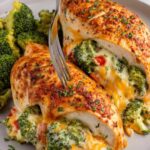
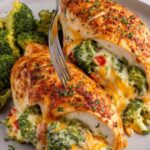
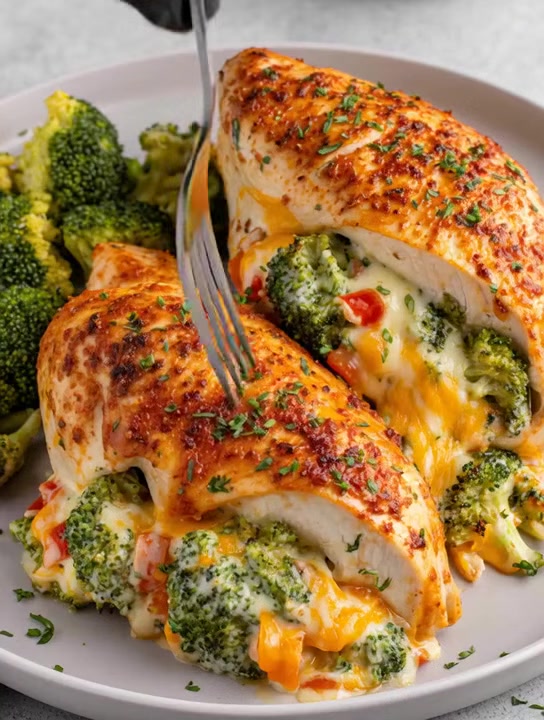
Broccoli Cheese Stuffed Chicken is a culinary masterpiece that bridges the gap between comfort food and elegant home cooking—offering rich, creamy satisfaction with wholesome nutrition and restaurant-worthy presentation—all in one beautifully seared, tender chicken breast. This dish transforms an everyday protein into a showstopping centerpiece, combining the earthy freshness of broccoli, the velvety depth of melted cheese, and the subtle herbaceous notes of garlic and thyme, all encased in juicy, golden-brown chicken. Whether served for weeknight family dinners, Sunday suppers, or impressing guests at a casual dinner party, Broccoli Cheese Stuffed Chicken delivers bold flavor, satisfying texture, and visual appeal without demanding professional-level skills—just thoughtful preparation and quality ingredients.
The History
While no single documented origin point exists for Broccoli Cheese Stuffed Chicken, its roots lie in the broader American tradition of “stuffed poultry,” which surged in popularity during the mid-20th century as home cooks sought creative ways to elevate simple proteins using accessible pantry staples. The 1950s and ’60s saw a rise in “casserole culture” and “baked entrée” recipes—think Chicken Divan and Creamed Spinach-Stuffed Breast—where convenience foods like canned soups and frozen vegetables were repurposed into hearty main dishes. Broccoli, once considered a niche vegetable, gained mainstream traction in the U.S. after World War II due to increased agricultural promotion and nutritional advocacy. Its pairing with sharp cheddar—a cheese already deeply embedded in American dairy traditions—was a natural evolution. By the 1980s and ’90s, as health-conscious cooking gained momentum, broccoli’s reputation as a “superfood” dovetailed with the growing preference for lean proteins like chicken breast, leading to refined, from-scratch versions of stuffed chicken that prioritized whole ingredients over processed shortcuts. Today, this dish reflects a modern synthesis: honoring nostalgic comfort while embracing fresh produce, artisanal cheeses, and mindful cooking techniques—and it continues to evolve across food blogs, TikTok recipe hacks, and gourmet cookbooks alike.
Ingredients Breakdown
Every component in Broccoli Cheese Stuffed Chicken plays a deliberate role—not just in flavor, but in texture, moisture retention, structural integrity, and nutritional balance. Let’s explore each ingredient in depth:
- Chicken Breasts (boneless, skinless): Opt for uniform, thick-cut breasts (6–8 oz each) or consider butterflying thinner ones to ensure even thickness. High-quality, air-chilled, or organic chicken offers superior flavor and tenderness; brining (even a quick 30-minute soak in ¼ cup kosher salt + 2 cups cold water) enhances juiciness and seasoning penetration.
- Fresh Broccoli Florets: Preferred over frozen for superior texture and vibrant color. Blanching for 90 seconds in salted boiling water followed by an ice bath preserves crisp-tender bite and prevents sogginess during baking. Roughly chop or pulse in a food processor to a fine, rice-like consistency—this ensures seamless integration into the filling without creating pockets of excess moisture or large fibrous chunks.
- Cheese Blend: A carefully balanced trio is ideal: sharp white cheddar (for tang and meltability), creamy fontina (for luxurious stretch and richness), and a touch of grated Parmigiano-Reggiano (for umami depth and savory finish). Avoid pre-shredded cheese—it contains anti-caking agents (like cellulose) that inhibit smooth melting and can yield graininess. Always grate your own.
- Garlic & Shallots: Minced fresh garlic provides aromatic backbone, while finely diced shallots lend sweet, nuanced allium complexity—both sautéed gently in olive oil until fragrant (not browned) to mellow their raw edge and deepen flavor.
- Herbs & Seasonings: Fresh thyme leaves offer woodsy elegance; dried oregano adds Mediterranean warmth; a whisper of smoked paprika lends subtle depth (not heat). Black pepper should be freshly cracked for volatile oils and aroma. Nutmeg—just a pinch—is a secret enhancer that harmonizes dairy and vegetable notes.
- Binders & Moisture Control: A small amount of full-fat cream cheese or mascarpone adds lushness and helps bind the filling without making it gluey. A tablespoon of sour cream or Greek yogurt contributes tang and tenderness. Breadcrumbs (panko or homemade whole-grain) absorb residual moisture and prevent leakage—especially critical when rolling or tucking the filling.
- Finishing Elements: High-smoke-point oil (avocado or grapeseed) for initial searing; unsalted butter for basting during roasting; fresh lemon zest and chopped chives for brightness and contrast just before serving.
Step-by-Step Recipe
This method emphasizes precision, timing, and layered technique to guarantee success—no dry chicken, no leaking filling, no bland results.
- Prep & Brine (Optional but Highly Recommended): Place chicken breasts in a shallow dish with brine (¼ cup kosher salt + 2 cups cold water) for 30 minutes. Rinse thoroughly and pat *extremely* dry with paper towels—moisture is the enemy of searing.
- Butterfly & Pound: Place each breast on a cutting board, hold knife parallel to board, and slice horizontally through the center—stopping ½ inch from the opposite edge—to create a pocket. Open like a book. Cover with plastic wrap and gently pound with a meat mallet to ¼-inch uniform thickness. This ensures even cooking and maximizes stuffing capacity.
- Blanch & Dry Broccoli: Bring 4 cups salted water to a rolling boil. Add broccoli florets; cook 90 seconds. Immediately transfer to ice water. Drain *thoroughly*, then squeeze gently in a clean kitchen towel to remove every trace of surface water.
- Sauté Aromatics: In a nonstick skillet over medium-low heat, warm 1 tbsp olive oil. Add 2 minced garlic cloves and 1 finely diced shallot. Cook 2–3 minutes until translucent and fragrant—do not brown. Remove from heat; cool slightly.
- Build the Filling: In a medium bowl, combine blanched broccoli, 1 cup shredded cheddar, ½ cup grated fontina, 2 tbsp grated Parmigiano, 2 tbsp cream cheese (softened), 1 tbsp sour cream, 1 tsp fresh thyme, ½ tsp dried oregano, ⅛ tsp freshly grated nutmeg, ¼ tsp smoked paprika, ¼ tsp black pepper, and 2 tbsp panko. Fold gently until cohesive but not overworked. Taste and adjust salt—remember the chicken will be seasoned separately.
- Stuff & Secure: Lay each pounded breast flat. Mound ⅓–½ cup filling lengthwise down the center. Fold long sides inward, then roll tightly from one short end to encase filling completely. Secure with 2–3 toothpicks or kitchen twine. Trim excess twine.
- Sear for Flavor & Structure: Heat 1.5 tbsp avocado oil in an oven-safe stainless or cast-iron skillet over medium-high until shimmering. Place rolls seam-side down. Sear undisturbed 3–4 minutes until deep golden brown and crust forms. Flip and sear opposite side 2–3 minutes. Optional: add 1 tbsp butter and baste with spoon for extra richness.
- Roast to Perfection: Transfer skillet to a preheated 375°F (190°C) oven. Roast uncovered 18–22 minutes—or until internal temperature at thickest part reaches 160°F (71°C). Carryover cooking will bring it to the safe 165°F (74°C).
- Rest & Finish: Remove from oven, tent loosely with foil, and rest 8–10 minutes. This allows juices to redistribute and filling to settle. Carefully remove toothpicks/twine. Slice on a sharp diagonal into ½-inch medallions. Garnish with lemon zest, chives, flaky sea salt, and extra Parmigiano.
Tips
- Dry Chicken Is Key: Pat chicken *twice*—once after brining/rinsing, again right before seasoning. Surface moisture causes steaming instead of searing.
- Chill Before Rolling: After stuffing, refrigerate rolls for 20–30 minutes. Cold filling holds shape better during searing and reduces leakage.
- Don’t Skip the Blanch: Raw broccoli releases too much water when baked. Blanched + squeezed = firm, flavorful, non-watery filling.
- Use a Meat Thermometer: Visual cues are unreliable. Insert probe horizontally into center—avoid touching filling or pan.
- Skillet Matters: Oven-safe skillets eliminate transferring—preserving crust and minimizing mess. Cast iron gives best sear; stainless works well with proper preheating.
- Resist Cutting Too Soon: Slicing before resting releases precious juices. Wait full 8+ minutes—even if it feels agonizing!
- Save Pan Drippings: After removing chicken, deglaze skillet with ¼ cup dry white wine or low-sodium chicken broth. Simmer 3–4 minutes, whisk in 1 tbsp cold butter for a glossy, restaurant-style sauce.
- Uniformity Wins: If breasts vary in size, tie with twine at 1-inch intervals to maintain cylindrical shape and even cooking.
Variations and Customizations
This recipe is a versatile canvas—adaptable to dietary needs, seasonal produce, global flavors, and pantry constraints:
- Dairy-Free Version: Replace cheeses with soaked and blended cashews (½ cup), nutritional yeast (3 tbsp), lemon juice (1 tsp), garlic powder (¼ tsp), and tapioca starch (1 tsp) for binding and melt. Use coconut oil for searing.
- Low-Carb/Keto Adaptation: Omit panko; increase cream cheese to 3 tbsp and add 1 tbsp almond flour. Serve with roasted cauliflower “rice” or zucchini noodles.
- Spicy Southwest Twist: Add 1 tsp chipotle powder + 2 tbsp pickled jalapeño (finely minced) to filling. Top finished dish with avocado crema and crumbled cotija.
- Mediterranean Style: Swap broccoli for sautéed spinach and sun-dried tomatoes. Use feta + goat cheese blend, Kalamata olives, oregano, and lemon zest. Finish with toasted pine nuts.
- Umami-Rich Vegan Option: Replace chicken with thick slabs of king oyster mushroom “scallop” (marinated in tamari, mirin, ginger, and sesame oil), then stuff with shiitake duxelles, miso-cashew “cheese,” and sautéed broccolini.
- Sheet-Pan Simplified: Skip rolling—cut chicken into 2-inch cubes, toss with olive oil, herbs, and spices, then roast alongside tossed broccoli florets and cheese sprinkled in last 5 minutes.
- Meal-Prep Friendly: Prepare and roll up to 24 hours ahead; refrigerate covered. Sear and roast just before serving. Also freezes beautifully (uncooked) for up to 3 months—thaw overnight before cooking.
- Gourmet Upgrade: Stuff with roasted garlic purée, Gruyère, caramelized leeks, and truffle oil. Serve with Madeira reduction and pearl onions.
Health Considerations and Nutritional Value
A single 6-oz serving (one stuffed breast, approx. 280g cooked) delivers approximately 420–460 calories, with a well-balanced macronutrient profile: ~48g high-quality protein, ~22g total fat (of which ~11g are saturated), ~8g carbohydrates, and ~4g dietary fiber. Crucially, this dish is nutrient-dense: broccoli contributes over 150% DV of vitamin C, 200% DV of vitamin K, folate, potassium, and sulforaphane—a potent phytochemical linked to cellular detoxification and anti-inflammatory activity. Chicken breast provides selenium (supporting thyroid function and antioxidant defense) and B vitamins essential for energy metabolism. The cheese contributes calcium, phosphorus, and vitamin A—but portion control matters: sticking to a 1:1 ratio of broccoli to cheese by volume keeps saturated fat in check. For heart-health optimization, choose reduced-sodium cheeses and limit added salt; boost omega-3s by serving with a side of walnut-herb quinoa or flaxseed-crusted roasted carrots. Those managing sodium should skip brining and use low-sodium broth for any pan sauce. Individuals with lactose sensitivity may tolerate aged cheeses (cheddar, Parmigiano) well—but can substitute lactose-free cheddar or fermented nut-based alternatives. Gluten concerns? Ensure panko is certified gluten-free or omit entirely—the filling holds well with extra cream cheese and egg white (1 tsp per breast) as binder. Overall, this dish exemplifies “nutrient synergy”: the fat in cheese enhances absorption of fat-soluble vitamins (A, D, E, K) from broccoli, while the protein supports satiety and muscle maintenance—making it both delicious and functionally nourishing.
Ingredients
- 2 large boneless, skinless chicken breasts (6–8 oz each)
- ¼ cup kosher salt (for optional brine)
- 2 cups cold water (for optional brine)
- 1 large head broccoli (about 12 oz), florets only
- 1 tbsp olive oil (for aromatics)
- 2 garlic cloves, minced
- 1 shallot, finely diced
- 1 cup sharp white cheddar, freshly grated
- ½ cup fontina cheese, freshly grated
- 2 tbsp Parmigiano-Reggiano, freshly grated
- 2 tbsp full-fat cream cheese, softened
- 1 tbsp sour cream or plain Greek yogurt
- 1 tsp fresh thyme leaves (or ½ tsp dried)
- ½ tsp dried oregano
- ⅛ tsp freshly grated nutmeg
- ¼ tsp smoked paprika
- ¼ tsp freshly cracked black pepper
- 2 tbsp panko breadcrumbs (or gluten-free alternative)
- 1.5 tbsp avocado or grapeseed oil (for searing)
- 1 tbsp unsalted butter (optional, for basting)
- Lemon zest and chopped chives, for garnish
- Flaky sea salt, for finishing
Directions
- Brine chicken (optional): Dissolve ¼ cup kosher salt in 2 cups cold water. Submerge chicken breasts; refrigerate 30 minutes. Rinse thoroughly and pat *extremely* dry with paper towels.
- Butterfly and pound: Slice each breast horizontally almost through, open like a book, cover with plastic wrap, and gently pound to ¼-inch thickness using a meat mallet.
- Blanch broccoli: Bring 4 cups salted water to boil. Add broccoli; cook 90 seconds. Transfer immediately to ice water. Drain, then squeeze *very* dry in a clean kitchen towel.
- Sauté aromatics: Heat olive oil in skillet over medium-low. Add garlic and shallot; cook 2–3 min until soft and fragrant. Cool 5 minutes.
- Make filling: In bowl, combine broccoli, cheeses, cream cheese, sour cream, thyme, oregano, nutmeg, paprika, pepper, and panko. Mix gently until evenly combined. Taste and adjust seasoning.
- Stuff: Lay chicken flat. Spread ⅓–½ cup filling lengthwise down center. Fold long sides inward, then roll tightly from short end. Secure with toothpicks or twine.
- Sear: Heat oil in oven-safe skillet over medium-high until shimmering. Place rolls seam-side down. Sear 3–4 min until golden. Flip; sear 2–3 min more. Optional: add butter and baste.
- Roast: Transfer skillet to preheated 375°F oven. Bake 18–22 min, until internal temp reaches 160°F.
- Rest & serve: Remove from oven. Tent with foil. Rest 8–10 min. Remove toothpicks/twine. Slice diagonally. Garnish with lemon zest, chives, flaky salt, and extra Parmigiano.
FAQ
- Can I use frozen broccoli?
- Yes—but thaw completely and squeeze *aggressively* to remove all moisture. Better yet, quickly blanch frozen florets (same timing) and shock in ice water. Avoid “steam-in-bag” varieties—they’re too wet.
- What if my chicken tears while butterflying?
- No panic! Lightly dust torn areas with a bit of flour or cornstarch before stuffing—it helps seal. Or, embrace “rustic” style: flatten fully, spread filling, then fold like a burrito—tuck ends under and secure.
- Can I make this ahead and reheat?
- Absolutely. Fully cooked rolls refrigerate for up to 4 days. Reheat gently in 325°F oven (covered with foil) for 12–15 minutes, or until warmed through. Avoid microwaving—it makes chicken rubbery and cheese greasy.
- Is there a way to make it lower in calories?
- Yes: reduce cheese by 25%, increase broccoli by ⅓, swap cream cheese for 1 tbsp ricotta + 1 tsp lemon juice, and use non-stick spray instead of oil for searing. Serve with a large arugula-lemon salad.
- Why does my filling leak out during cooking?
- Most commonly: insufficient drying of broccoli, overfilling, inadequate sealing, or skipping the chill step. Also, searing at too low heat prevents crust formation—always use medium-high heat and don’t move the chicken until a golden crust sets.
- Can I grill these instead of oven-roasting?
- Yes—with caution. Preheat gas grill to medium (375–400°F). Sear rolls directly over heat for 3–4 min per side to set crust, then move to cooler side (indirect heat), cover, and grill 15–18 min—rotating once—until 160°F. Use a drip pan to catch cheese drips and prevent flare-ups.
- What sides pair best?
- Light, acidic, or texturally contrasting sides shine: lemon-herb quinoa, roasted sweet potato wedges, garlicky green beans almondine, apple-fennel slaw, or a crisp frisée salad with mustard vinaigrette.
- Can I use chicken thighs instead?
- Yes—but adjust technique. Thighs are more forgiving and flavorful. Butterfly as directed, but expect slightly longer cook time (add 3–5 min). Their higher fat content yields richer, juicier results—ideal for meal prep or slow-cooker adaptation.
Summary
Broccoli Cheese Stuffed Chicken is a masterclass in balanced home cooking—melding lean protein, cruciferous superfood, and artisanal dairy into a succulent, visually stunning entrée that satisfies both comfort cravings and nutritional intentions. With meticulous prep, smart substitutions, and chef-inspired touches, it transforms humble ingredients into a restaurant-caliber experience that’s equally suited to cozy weeknights and celebratory gatherings.
Whether you follow the classic preparation or explore globally inspired variations—from smoky chipotle to Mediterranean herb-infused—the dish remains anchored in freshness, craftsmanship, and joyful nourishment, proving that wholesome eating need never sacrifice depth, decadence, or delight.