Introduction
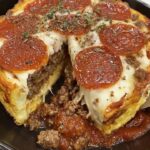
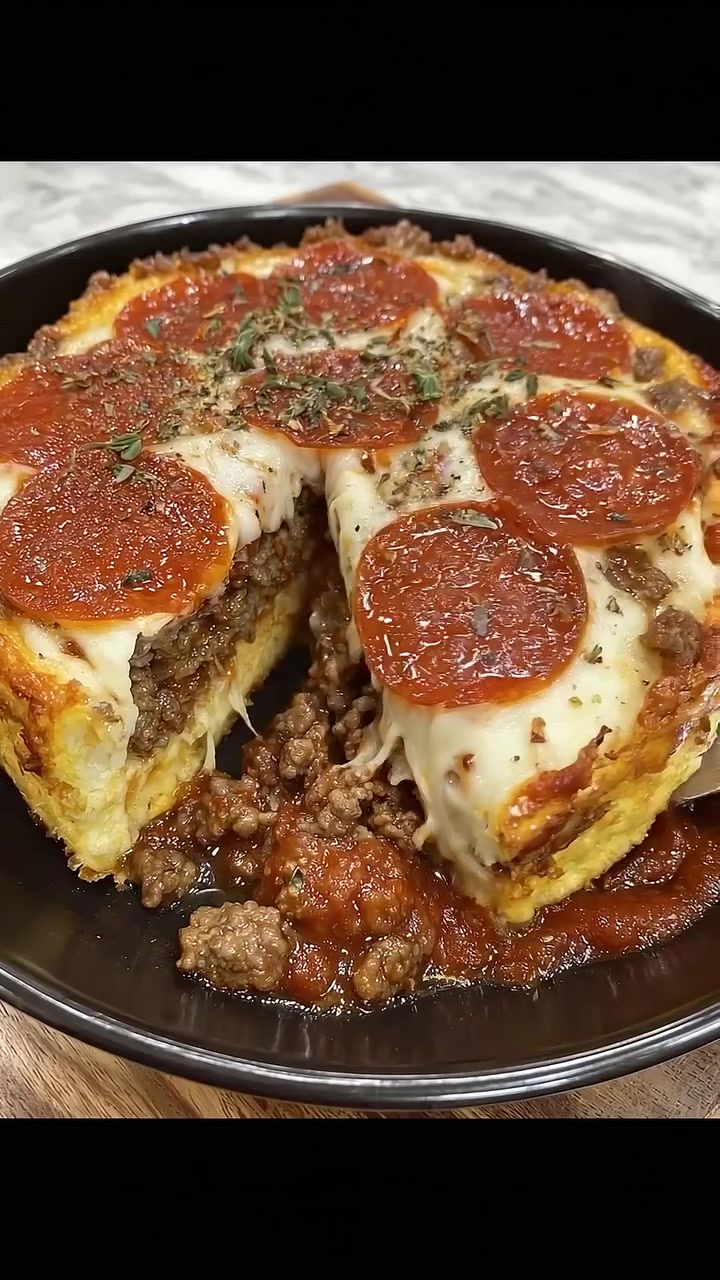
The Bisquick Impossible Pizza Pie is a beloved, no-fuss, retro-inspired casserole that blurs the line between pizza and quiche—deliciously defying expectations with every forkful. Far from “impossible” (despite its name), this dish is remarkably simple to prepare, requiring minimal prep time, no yeast rising, no rolling out dough, and zero pizza-making expertise. It’s a quintessential American comfort food born from mid-century ingenuity—designed for busy home cooks seeking maximum flavor with minimum fuss. Whether served for weeknight dinner, potluck centerpiece, holiday brunch, or even as a make-ahead freezer meal, the Impossible Pizza Pie delivers hearty satisfaction, rich cheesy layers, savory toppings, and a tender, custard-kissed crust—all baked in a single dish. Its enduring popularity lies in its forgiving nature: it’s nearly impossible to mess up, endlessly adaptable, and consistently crowd-pleasing.
The History
The origins of the “Impossible Pizza Pie” trace back to the 1960s and 1970s, when General Mills began promoting creative, time-saving recipes using their flagship product—Bisquick. As convenience cooking surged in postwar America, homemakers embraced shortcut ingredients that promised restaurant-quality results without professional techniques. The “Impossible” moniker was part of a broader family of “Impossible” recipes—including the famous Impossible Pie (a magical custard-based dessert that separates into crust and filling during baking) and Impossible Taco Pie. These dishes relied on the science of gluten development, starch gelatinization, and protein coagulation to create distinct layers *without* manual layering. The pizza version emerged as a savory adaptation: a mixture of Bisquick, milk, eggs, cheese, and seasonings would settle and separate during baking—forming a golden, slightly crisp bottom crust while the top set into a creamy, cheesy custard infused with tomato sauce and toppings. Early versions appeared in Bisquick brochures, community cookbooks, church fundraisers, and regional newspapers—often submitted by home economists or enthusiastic home cooks. Over decades, the recipe evolved through countless handwritten notecards, photocopied flyers, and now, digital recipe archives—each iteration adding personal flair while preserving the core alchemy that makes it “impossible” only in name.
Ingredients Breakdown
Every ingredient in the Bisquick Impossible Pizza Pie plays a precise functional role—working in harmony to produce its signature layered texture and robust flavor profile:
- Bisquick Original (not Heart Smart or Gluten-Free unless specially adapted): Provides the base structure—its blend of enriched flour, shortening, leavening agents (baking powder), and salt delivers tenderness, lift, and subtle richness. The fat content is critical for crust formation and moisture retention.
- Milk (whole or 2% recommended): Hydrates the dry mix, activates gluten, and contributes to custard formation. Whole milk yields creamier texture and better browning; skim milk may result in a drier, paler crust.
- Eggs: Act as both binder and emulsifier—helping unify the batter while contributing proteins that coagulate to form the upper custard layer and stabilize the crust. They also enhance golden color and richness.
- Shredded Mozzarella Cheese (low-moisture, part-skim or whole-milk): Melts smoothly, provides stretch and pull, and contributes lactic tang and umami depth. Freshly grated melts more evenly than pre-shredded (which contains anti-caking starches).
- Pizza Sauce (homemade or high-quality store-bought): Adds acidity, herbaceous notes (oregano, basil), and savory depth. Low-sugar, low-acid sauces prevent curdling and promote balanced flavor. Avoid overly thick or overly watery sauces—consistency matters.
- Additional Toppings (pepperoni, cooked sausage, bell peppers, onions, mushrooms, olives, etc.): Provide textural contrast, saltiness, aroma, and visual appeal. Pre-cooking high-moisture veggies (like zucchini or mushrooms) prevents sogginess; cured meats like pepperoni should be patted dry.
- Seasonings (garlic powder, onion powder, dried oregano, black pepper, optional red pepper flakes): Layer aromatic complexity—complementing the sauce and cheese without overpowering. Salt is used sparingly since Bisquick and cheese already contain sodium.
- Optional Enhancements (grated Parmesan, ricotta dollops, fresh basil garnish, drizzle of olive oil): Add finishing elegance, brightness, and gourmet nuance—elevating the humble casserole into something truly special.
Understanding these roles empowers you to troubleshoot, substitute thoughtfully, and customize confidently—transforming the recipe from static instructions into a dynamic culinary framework.
Step-by-Step Recipe
- Preheat & Prep: Position oven rack in the center position and preheat oven to 350°F (175°C). Generously grease a deep-dish 9-inch pie plate, 9×13-inch baking dish, or 10-inch cast-iron skillet with butter, shortening, or non-stick spray—ensuring full coverage of bottom and sides.
- Layer the Sauce Base: Spread 1 ½ cups of pizza sauce evenly across the bottom of the prepared dish. Use the back of a spoon to smooth into an even, thin layer—no pooling or thick edges.
- Add First Cheese Layer: Sprinkle 1 cup of shredded mozzarella evenly over the sauce. Press gently to adhere—this forms the foundation for the custard layer above.
- Arrange Toppings (Optional but Recommended): Distribute your chosen toppings evenly over the cheese—e.g., ½ cup diced cooked Italian sausage, ¼ cup sliced black olives, ⅓ cup thinly sliced red onion, and 8–10 slices of pepperoni. Keep toppings in a single, even layer—not heaped—to ensure uniform baking.
- Prepare the Bisquick Batter: In a large mixing bowl, whisk together 1 ¼ cups Bisquick, 1 ¼ cups milk, and 2 large eggs until *just combined*. Avoid overmixing—small lumps are acceptable. Over-whisking develops excess gluten, potentially yielding toughness. Let the batter rest 2 minutes to hydrate fully.
- Season the Batter: Stir in 1 tsp garlic powder, 1 tsp onion powder, 1 tsp dried oregano, ½ tsp black pepper, and (optional) ¼ tsp crushed red pepper flakes. Taste a tiny drop (raw egg caution applies)—adjust seasoning if needed.
- Pour Batter Carefully: Slowly pour the batter over the toppings in a steady stream, starting at the center and moving outward in concentric circles. Gently tilt the dish to help the batter flow evenly beneath and around toppings—do not stir or disturb layers.
- Add Final Cheese Layer: Top with remaining 1 cup shredded mozzarella, distributing evenly. For extra richness and browning, sprinkle 2 tablespoons grated Parmesan or Romano over the top.
- Bake with Precision: Place dish on center oven rack. Bake uncovered for 55–65 minutes—or until the center is *just set* (a toothpick inserted 1 inch from center should come out clean or with moist crumbs, *not wet batter*) and the edges are deeply golden brown and slightly puffed. The top should be lightly blistered and fragrant. Do not underbake—the custard layer needs full coagulation to hold its shape upon slicing.
- Cool Strategically: Remove from oven and let rest on a wire rack for *at least 20 minutes* before slicing. This crucial step allows residual heat to finish setting the custard, enables the bottom crust to firm up, and prevents topping slippage. For cleanest slices, wait 30 minutes.
- Serve & Savor: Cut into wedges (for pie plate) or squares (for baking dish) with a sharp, non-serrated knife wiped clean between cuts. Serve warm—not piping hot—for optimal texture contrast: crisp crust, creamy interior, melty cheese, and vibrant toppings.
Tips
- Grease Thoroughly—and Twice If Needed: A well-greased pan isn’t optional—it’s essential. Lightly coat, then use a paper towel to buff away excess so no pooling occurs. For foolproof release, consider a light dusting of cornmeal or fine breadcrumbs after greasing.
- Use Room-Temperature Eggs and Milk: Cold dairy can cause the batter to seize or separate slightly. Let them sit out 15–20 minutes before mixing for smoother incorporation and even baking.
- Don’t Skip the Rest: Allowing the batter to rest 2 minutes after mixing gives the flour time to fully hydrate, reducing grittiness and improving texture consistency.
- Control Moisture Relentlessly: Blot pepperoni and cooked meats with paper towels. Sauté mushrooms, spinach, zucchini, or onions until all liquid evaporates—excess water creates steam pockets and a soggy crust.
- Layer Thoughtfully, Not Thickly: Think “thin and even,” not “generous and piled.” Overloading causes uneven cooking, sinking, or separation issues. Stick to 1.5–2 cups total toppings for a 9-inch pie.
- Rotate Midway (If Your Oven Has Hot Spots): At 35 minutes, carefully rotate the dish 180° for even browning and consistent set—especially important in older or convection ovens.
- Check Doneness Correctly: Visual cues alone mislead. The true test is internal: insert a toothpick or thin knife 1 inch from center—not the very middle. If it emerges with moist crumbs (not glossy batter), it’s done. A jiggle in the center is okay; liquid is not.
- Cooling Is Non-Negotiable: Cutting too soon guarantees structural collapse. Set a timer. That 20–30 minute rest transforms sliceable integrity and enhances flavor melding.
- Leftovers Reheat Brilliantly: Cover loosely with foil and warm in a 325°F oven for 15–20 minutes—or microwave individual slices at 50% power for 60–90 seconds. Avoid overheating, which dries out the custard.
- Freeze Like a Pro: Fully cooled pie freezes exceptionally well. Wrap tightly in plastic wrap, then aluminum foil, or place in a heavy-duty freezer bag. Freeze up to 3 months. Thaw overnight in fridge, then reheat covered at 325°F until heated through (45–60 mins).
Variations and Customizations
The Bisquick Impossible Pizza Pie is a canvas—not a cage. Its structure welcomes infinite creativity while maintaining its magical layering. Here’s how to make it uniquely yours:
Crust & Texture Twists
- “Golden Crisp” Upgrade: Brush the top with melted butter or olive oil + garlic paste during the last 10 minutes of baking for deeper browning and savory aroma.
- Herb-Infused Crust: Stir 2 tbsp finely chopped fresh basil, oregano, or rosemary directly into the batter for garden-fresh fragrance.
- Whole-Grain Option: Substitute up to ¼ cup of the Bisquick with whole-wheat pastry flour or oat flour—but retain at least 1 cup original Bisquick for proper rise and texture.
Savory Flavor Profiles
- Hawaiian Delight: Replace pepperoni with ½ cup diced ham and ⅓ cup drained pineapple tidbits. Add 1 tbsp brown sugar to sauce for caramelized balance.
- White Pizza Pie: Omit tomato sauce. Use roasted garlic-infused olive oil (2 tbsp) as base layer. Swap mozzarella for ricotta + fontina + goat cheese blend. Top with sautéed leeks and thyme.
- BBQ Chicken Pie: Use BBQ sauce instead of pizza sauce. Layer shredded rotisserie chicken, red onion, and cilantro. Finish with sharp cheddar and smoked gouda.
- Veggie Garden Pie: Load up with roasted eggplant, zucchini ribbons, cherry tomatoes (halved & seeded), artichoke hearts, and feta. Add lemon zest to batter for brightness.
- Breakfast Pizza Pie: Swap pizza sauce for ½ cup marinara-thinned scrambled eggs. Top with crumbled cooked bacon, diced potatoes, green onions, and cheddar-jack blend.
Dietary Adaptations
- Gluten-Free: Use certified GF Bisquick or a 1:1 GF baking blend (with xanthan gum). Increase milk by 1–2 tbsp as GF flours absorb more. Add ½ tsp xanthan gum if blend lacks it.
- Dairy-Free: Use unsweetened almond or oat milk, vegan butter for greasing, and dairy-free shreds (Miyoko’s or Daiya melt well). Note: texture will be softer; bake 5–10 mins longer.
- Lower-Carb/Keto: Replace Bisquick with a keto-friendly blend (almond flour + coconut flour + psyllium + baking powder). Reduce milk, add extra egg, and use low-carb sauce (sugar-free marinara). Expect denser crust.
- High-Protein Boost: Stir ¼ cup unflavored whey or collagen peptides into batter. Add extra egg whites (1–2) and lean ground turkey instead of sausage.
Fun Presentation Ideas
- Mini Pies: Bake in greased muffin tins (fill ¾ full) for bite-sized party appetizers—bake 25–32 minutes.
- Stuffed Crust Style: After pouring batter, tuck string cheese sticks into the outer rim before final cheese topping—creates a molten cheese border.
- Swirled Effect: Drizzle 2 tbsp pesto or sun-dried tomato paste over batter before final cheese, then gently swirl with a toothpick.
Health Considerations and Nutritional Value
A standard 9-inch Bisquick Impossible Pizza Pie (cut into 8 servings) offers a balanced, moderately indulgent nutritional profile—especially when thoughtfully customized. Based on typical preparation using original Bisquick, whole milk, eggs, mozzarella, and basic toppings:
- Calories: ~320–380 per serving (varies with cheese amount, meat choices, and added oils)
- Protein: 14–18g—primarily from eggs and cheese, supporting satiety and muscle maintenance
- Fat: 16–22g total (7–10g saturated)—largely from cheese and Bisquick shortening; choosing part-skim cheese and lean meats reduces saturated fat significantly
- Carbohydrates: 26–32g (including 1–2g fiber)—mainly from Bisquick; adding vegetables boosts fiber and micronutrients
- Sodium: ~580–750mg per serving—moderate, but controllable by selecting low-sodium sauce, skipping added salt, and using reduced-sodium cheeses
- Vitamins & Minerals: Rich in calcium (cheese, milk), vitamin D (fortified milk), B12 (eggs, dairy), selenium (eggs), and lycopene (tomato sauce—enhanced by cooking and fat presence)
Health-Conscious Tweaks That Make a Difference:
- Boost Veggie Volume: Sneak in ½ cup finely grated carrots, spinach purée (squeezed dry), or mashed cauliflower into the batter—adds fiber, vitamins, and moisture without altering texture.
- Smart Cheese Swaps: Use 50% mozzarella + 50% part-skim ricotta or cottage cheese (blended smooth) for creaminess with less fat and more protein.
- Lean Protein Priority: Choose grilled chicken breast, turkey sausage, or lentils instead of high-fat pepperoni or pork sausage.
- Sauce Savvy: Opt for marinara with <5g sugar per ½ cup—or make your own with canned San Marzano tomatoes, garlic, herbs, and a splash of balsamic vinegar (no added sugar).
- Portion Awareness: Serve with a large side salad dressed in lemon-tahini or herb vinaigrette to increase volume, fiber, and nutrient density without added calories.
While not a “health food” in the strictest sense, the Impossible Pizza Pie can absolutely fit into a balanced, flexible eating pattern—especially when approached with intention, whole-food emphasis, and mindful customization.
Ingredients
- 1 ½ cups (12 oz) pizza sauce (low-sugar, no added oil preferred)
- 2 cups (8 oz) shredded low-moisture mozzarella cheese, divided
- 1 ¼ cups original Bisquick mix (not Heart Smart or Gluten-Free unless adapting)
- 1 ¼ cups whole milk (or 2% for lighter version)
- 2 large eggs
- 1 teaspoon garlic powder
- 1 teaspoon onion powder
- 1 teaspoon dried oregano
- ½ teaspoon freshly ground black pepper
- ¼ teaspoon crushed red pepper flakes (optional)
- 1 cup cooked and crumbled Italian sausage, pepperoni slices, or your choice of toppings (see Variations)
- 1 tablespoon olive oil or butter (for greasing)
- 2 tablespoons grated Parmesan cheese (optional, for topping)
Directions
- Preheat oven to 350°F (175°C). Grease a 9-inch deep-dish pie plate or 9×13-inch baking dish generously with olive oil or butter.
- Spread pizza sauce evenly across the bottom of the dish. Sprinkle 1 cup of shredded mozzarella over sauce.
- Evenly distribute your chosen toppings over the cheese layer.
- In a medium bowl, whisk Bisquick, milk, and eggs until just combined and smooth—about 30 seconds. Small lumps are fine; do not overmix.
- Stir in garlic powder, onion powder, oregano, black pepper, and red pepper flakes (if using).
- Pour batter slowly and evenly over toppings. Tilt dish gently to encourage batter to spread and settle underneath.
- Top with remaining 1 cup mozzarella and optional Parmesan.
- Bake uncovered for 55–65 minutes, until golden brown at edges, puffed slightly, and center is set (toothpick inserted 1 inch from center comes out clean).
- Remove from oven and let rest on wire rack for at least 20 minutes before slicing.
- Cut into 6–8 wedges or squares. Serve warm. Garnish with fresh basil, extra red pepper flakes, or a drizzle of high-quality olive oil if desired.
FAQ
- Why is it called “Impossible”? Is it really impossible to make?
- No—it’s not impossible at all! The name refers to the “magic” of how the batter separates during baking: the heavier components (fat, gluten, cheese) sink to form a tender, slightly crisp bottom crust, while the lighter, egg-enriched portion rises and sets into a creamy, custard-like top layer—*without any manual layering*. It seems impossible—hence the name!
- Can I make this ahead of time?
- Absolutely! Assemble the entire pie (through step 7) up to 24 hours ahead. Cover tightly and refrigerate. When ready to bake, remove from fridge 20 minutes before placing in preheated oven—and add 5–10 minutes to total bake time. You can also fully bake, cool, and refrigerate for up to 4 days or freeze for up to 3 months.
- My crust came out soggy—what went wrong?
- Sogginess usually stems from excess moisture: unblotted toppings, watery sauce, undercooked veggies, or insufficient baking time. Always pat meats dry, sauté high-moisture vegetables until dry, use thick sauce, and verify doneness with a toothpick—not just appearance.
- Can I use a different pan size?
- Yes—with adjustments. A 9×13-inch pan yields thinner, faster-baking pie (~45–55 mins); a 10-inch skillet works beautifully with same timing. For mini muffin tin versions, reduce time to 25–32 minutes. Always check with toothpick.
- Is there a way to make it crispier on the bottom?
- Try preheating your greased pan in the oven for 5 minutes before adding sauce—or bake on a preheated pizza stone or heavy baking steel. Also, avoid opening the oven early; steam buildup helps set the custard but delays crust crisping.
- Can I omit the eggs?
- Eggs are essential for structure, leavening, and the custard layer. Substitutes (flax eggs, commercial egg replacers) have not reliably replicated the texture or separation effect. For egg allergy, explore dedicated vegan adaptations using aquafaba + starch blends—but results vary.
- What’s the best way to reheat leftovers without drying them out?
- Oven reheating is superior: cover loosely with foil and warm at 325°F for 15–20 minutes until heated through. For speed, microwave individual slices at 50% power for 60–90 seconds—place a damp paper towel over the plate to retain steam.
- Can I use self-rising flour instead of Bisquick?
- Not recommended. Bisquick contains shortening and specific leavening ratios critical for texture and layering. Self-rising flour lacks fat and has different acid/base balance—leading to dense, gummy, or collapsed results. Stick with authentic Bisquick for the “impossible” effect.
- How do I prevent the cheese from burning on top?
- If top browns too quickly (before center sets), tent loosely with aluminum foil for the final 15 minutes. Also, ensure your oven temperature is calibrated—a thermometer inside the oven confirms accuracy.
- Can kids help make this?
- Yes! It’s one of the most kid-friendly casseroles: measuring, stirring batter, sprinkling cheese, arranging toppings—even spreading sauce. Supervise oven steps, but mixing and assembly are perfect for young helpers—building confidence and kitchen connection.
Summary
The Bisquick Impossible Pizza Pie is a nostalgic, no-knead, single-dish marvel that transforms pantry staples into a restaurant-worthy, layered pizza casserole—featuring a golden, tender bottom crust and a creamy, cheesy custard top, all achieved through simple chemistry and smart layering.
Effortless to prepare, endlessly customizable, nutritionally adaptable, and beloved across generations, it remains a timeless solution for weeknight ease, crowd-pleasing gatherings, and joyful, stress-free cooking—proving that the most “impossible” things are often the simplest to make.