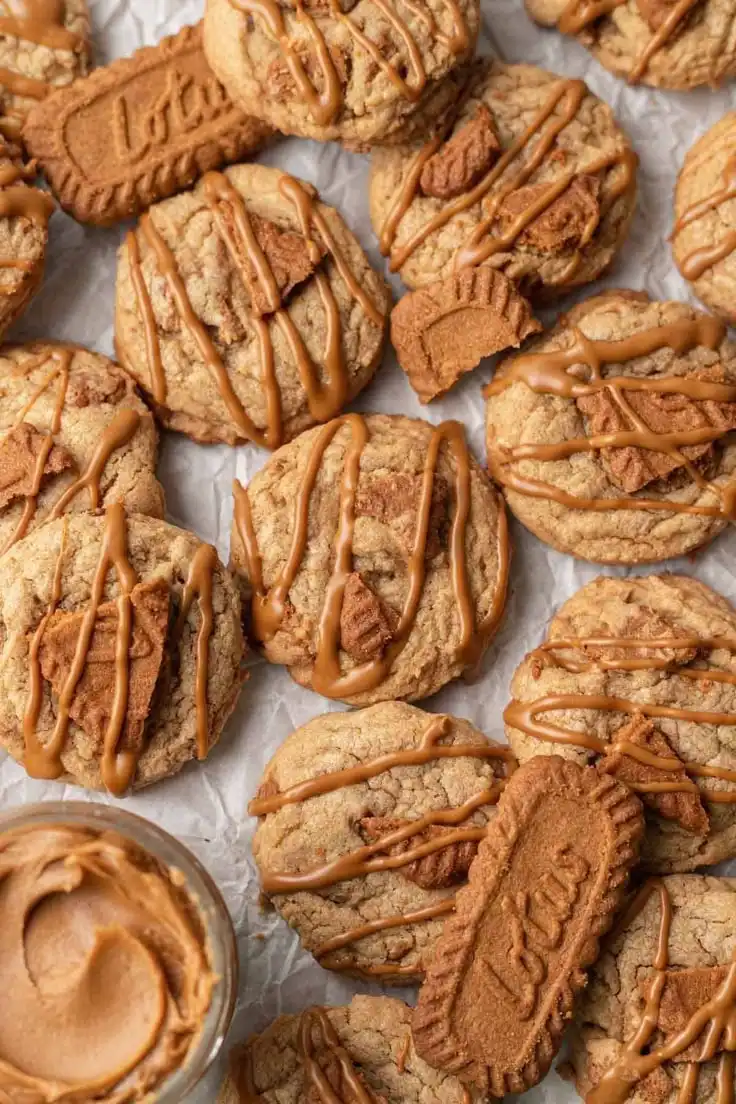
Introduction
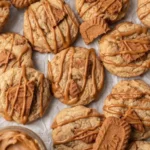
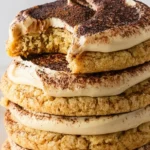
Welcome to the ultimate, most comprehensive guide to making authentic, irresistibly rich, and perfectly textured Biscoff Cookie Recipe—a beloved treat inspired by the iconic Belgian Speculoos cookies and the globally adored Biscoff spread. Whether you’re a seasoned baker or a first-time cookie enthusiast, this meticulously crafted resource delivers everything you need: historical context, scientific ingredient insights, foolproof step-by-step instructions, pro baking tips, dozens of creative variations, in-depth nutritional analysis, allergen-aware substitutions, and answers to every question you’ve ever had (and many you haven’t!). This isn’t just a recipe—it’s a deep-dive culinary experience designed to transform your kitchen into a Biscoff bakery, yielding cookies with that signature caramelized spice complexity, tender-yet-chewy crumb, delicate crisp edges, and an unmistakable buttery, brown sugar–molasses depth. From understanding why Biscoff cookies brown so beautifully to mastering the ideal chill time for optimal spread control, we leave no crumb unturned.
The History
The story of the Biscoff cookie begins not in a modern food lab—but in 1930s Belgium, where Belgian bakers crafted Speculoos: thin, spiced shortcrust biscuits traditionally baked for St. Nicholas Day and stamped with intricate designs depicting windmills, saints, or folk motifs. Made with caramelized sugar, cinnamon, nutmeg, cloves, ginger, and cardamom—and often featuring a subtle hint of burnt sugar—Speculoos was prized for its warm, complex aroma and long shelf life. In 1936, Lotus Bakeries (then known as “Lotus” in Lembeke, East Flanders) began industrial-scale production, standardizing the recipe and pioneering the now-iconic caramelized biscuit profile. Decades later, in the early 2000s, Lotus introduced Biscoff Spread—a smooth, creamy, and intensely flavorful interpretation of ground Speculoos biscuits blended with oils and sugars—sparking a global phenomenon. The Biscoff cookie, as popularly known today, is a distinct American adaptation: a soft-baked, drop-style cookie inspired by both traditional Speculoos *and* the spread’s luscious texture. Unlike the crisp, thin original, modern Biscoff cookies are thick, chewy, generously spiced, and often studded with crushed Biscoff cookies or swirled with Biscoff spread—blending heritage with innovation. Their meteoric rise on social media, café menus, and grocery shelves reflects a broader cultural embrace of nostalgic, warmly spiced, deeply caramelized flavors—a testament to how a humble Belgian tradition evolved into a worldwide baking obsession.
Ingredients Breakdown
Every ingredient in this Biscoff cookie recipe serves a precise functional and flavor purpose—no filler, no guesswork. Here’s a granular, science-informed breakdown:
- Unsalted Butter (1 cup / 2 sticks / 227g): Provides richness, tenderness, and flakiness. Unsalted ensures full sodium control. Must be softened to 65–68°F (18–20°C)—cool enough to hold shape when pressed, but warm enough to cream smoothly. Over-softened or melted butter causes excessive spread; cold butter won’t aerate properly.
- Granulated Sugar (¾ cup / 150g): Adds sweetness, aids in caramelization, and contributes to crisp edges via sugar’s hygroscopic nature (drawing moisture from dough surface during baking). Also stabilizes air bubbles during creaming for lightness.
- Packed Light Brown Sugar (1 cup / 200g): Contains molasses (3–4%), delivering moisture retention, chewiness, acidity (enhancing spice perception), and deep caramel notes. Packed firmly ensures consistent volume and prevents dry, cakey cookies.
- Large Eggs (2, room temperature): Act as emulsifiers, binding fat and water; provide structure via protein coagulation; and add moisture. Room temperature prevents re-solidification of butter and ensures uniform batter. Egg yolks contribute richness and tenderness; whites add slight lift.
- Pure Vanilla Extract (2 tsp): Not optional—vanilla amplifies warmth and rounds out sharp spice notes. Use Madagascar bourbon vanilla for best depth. Avoid imitation, which introduces off-notes.
- All-Purpose Flour (2¼ cups / 280g, spooned & leveled): Provides gluten network for structure. Spoon-and-level method prevents compaction—1 cup should weigh ~125g. Too much flour = dense, dry cookies. Optional: substitute up to ¼ cup with cake flour for extra tenderness.
- Ground Cinnamon (2 tsp): The dominant spice—use high-quality, freshly ground Ceylon or Saigon cinnamon for bright, floral heat (not dusty or bitter). Pre-ground loses potency within 3–4 months.
- Ground Ginger (1 tsp): Adds zesty warmth and slight citrusy bite, balancing cinnamon’s sweetness. Freshly ground offers superior volatility and aroma.
- Ground Nutmeg (½ tsp, freshly grated preferred): Earthy, sweet, and subtly woody—intensifies with heat. Whole nutmeg lasts years; pre-ground fades in weeks.
- Ground Cloves (¼ tsp): Potent and pungent—used sparingly to avoid medicinal bitterness. Essential for authentic Speculoos character.
- Ground Cardamom (¼ tsp): Floral, citrusy, and slightly minty—adds sophistication and complexity. Skip only if unavailable; it’s the secret bridge between spice and sweetness.
- Baking Soda (1 tsp): A fast-acting leavener that reacts immediately with brown sugar’s acidity, creating carbon dioxide for lift and spreading. Critical for achieving the classic Biscoff “crown” and airy crumb.
- Fine Sea Salt (1 tsp): Enhances all flavors, suppresses bitterness, and balances sweetness. Fine grain dissolves evenly—avoid coarse kosher salt unless measured by weight (1 tsp fine salt ≠ 1 tsp kosher).
- Lotus Biscoff Spread (⅔ cup / 170g): The soul of the recipe. Adds concentrated caramelized biscuit flavor, natural oils for chew, and moisture. Use original smooth Biscoff—not crunchy or generic alternatives. Ensure it’s at room temperature and stir well before measuring (oil separation is normal).
- Crushed Lotus Biscoff Cookies (1 cup / 120g, finely chopped): For textural contrast and visual appeal. Pulse in a food processor until pea-sized pieces remain—avoid powder (makes dough greasy) or large chunks (cause uneven baking). Reserve 2 tbsp for topping.
- Optional Additions: Flaky sea salt (Maldon) for finishing; toasted pecans or walnuts (½ cup); dark chocolate chunks (55–70% cacao); espresso powder (1 tsp, enhances caramel notes); orange zest (1 tbsp, brightens spices).
Step-by-Step Recipe
This ultra-detailed, time-stamped, technique-focused method guarantees perfect Biscoff cookies—batch after batch. Follow precisely for professional results:
- Prep & Weigh (10 min): Line two large baking sheets with parchment paper (not wax paper or silicone mats—they inhibit browning). Preheat oven to 350°F (175°C) with racks in upper and lower thirds. Weigh all ingredients using a digital scale—volume measurements introduce too much variance. Set eggs out 30+ minutes ahead. Soften butter on counter (60–75 min depending on room temp)—do NOT microwave.
- Cream Butter & Sugars (3–4 min): In a stand mixer fitted with paddle attachment (or large bowl + hand mixer), beat softened butter, granulated sugar, and brown sugar on medium speed until *light, fluffy, and pale yellow*—scraping bowl every 60 seconds. This incorporates air for lift and ensures even sugar dissolution. Stop when mixture holds soft peaks and makes a faint “squeaky” sound. Under-creamed = dense cookies; over-creamed = greasy, flat cookies.
- Incorporate Wet Ingredients (2 min): Add eggs one at a time, beating on medium-low for 45 seconds after each until fully emulsified (no streaks). Add vanilla and mix 15 seconds more. Then, add room-temp Biscoff spread in 3 additions, beating 20 seconds after each until smooth and homogenous—no swirls or oil separation.
- Whisk Dry Ingredients (1 min): In a separate bowl, whisk together flour, cinnamon, ginger, nutmeg, cloves, cardamom, baking soda, and salt *thoroughly*—at least 30 seconds—to evenly distribute spices and leavener. Sifting is optional but recommended if spices clump.
- Combine Dry & Wet (1–2 min): Reduce mixer speed to low. Gradually add dry ingredients in three parts, mixing *just until no flour streaks remain* after each addition (≈15–20 sec per part). Do NOT overmix—gluten development starts immediately and leads to toughness. Batter will be thick, glossy, and slightly sticky.
- Fold in Crunch (1 min): Using a flexible spatula, gently fold in crushed Biscoff cookies until evenly distributed. Scrape bottom/sides to ensure no dry pockets.
- Chill Dough (CRITICAL — 60–90 min): Divide dough into two equal portions. Roll each into a log ~2″ in diameter. Wrap tightly in plastic wrap and refrigerate *minimum 60 minutes*, ideally 90. Chilling solidifies butter, prevents overspreading, allows flavors to meld, hydrates flour (improving texture), and relaxes gluten. Skipping this step yields thin, greasy, flavorless cookies.
- Portion & Prep (5 min): Remove dough from fridge. Use a 2-tbsp cookie scoop (≈40g per cookie) to portion onto prepared sheets, spacing 3″ apart. Gently roll each into a smooth ball. Press 2–3 reserved Biscoff crumbs onto top of each. Optional: sprinkle with flaky sea salt.
- Bake (12–14 min): Bake sheets one at a time on center rack. Rotate sheet ½ turn at 8 min for even browning. Cookies are done when edges are deeply golden brown and set, centers look *slightly underbaked* (soft, with faint gloss), and tops are puffed. They will sink slightly as they cool—this is correct. Do NOT overbake: 1 extra minute = dry, crumbly cookies.
- Cool (20+ min): Let cookies cool on sheet for 5 minutes—this sets structure. Then transfer to wire racks to cool completely (15+ min). They firm up significantly as they cool. Eat warm for gooey centers; store cooled for optimal chew.
Tips
- Butter Temperature Mastery: Test with fingertip—should make a clean, slight indentation without sinking in. If butter melts while mixing, refrigerate dough 15 min before continuing.
- No-Chill Hack (Not Recommended, But Possible): If desperate, freeze portioned dough balls for 20 minutes before baking—but expect 15–20% more spread and less complex flavor.
- Oven Thermometer Required: Most ovens run hot/cold. An oven thermometer prevents burning or underbaking. Calibrate before starting.
- Parchment > Silicone: Parchment allows steam escape and promotes even browning. Silicone mats cause steaming and pale, soft bottoms.
- Don’t Rush Cooling: Moving cookies too soon causes breakage. That 5-min rest on the sheet is non-negotiable for structural integrity.
- Consistent Scooping: Use a spring-loaded scoop and level off with a bench scraper. Even size = even bake.
- Spice Freshness Check: Rub a pinch of cinnamon between fingers—if aroma is faint or musty, replace it. Old spices taste dusty, not warm.
- Biscoff Spread Quality Control: Stir vigorously before measuring. If overly oily, refrigerate 10 min, then stir again. Never use separated, grainy, or expired spread.
- High-Altitude Adjustment: Above 3,000 ft: reduce baking soda to ¾ tsp, increase flour by 1 tbsp, and bake at 360°F for 11–12 min.
- Freezing Dough: Portion, freeze uncovered 1 hour, then transfer to airtight container. Bake straight from frozen—add 1–2 min to bake time.
- Reviving Stale Cookies: Place in a sealed container with a slice of apple or bread overnight—the moisture migrates back in.
- Batch Scaling: This recipe doubles flawlessly. Triple only if mixing in batches—overloading a stand mixer heats butter and breaks emulsion.
Variations and Customizations
Make these Biscoff cookies uniquely yours—with over 20 tested, chef-approved adaptations:
Flavor Twists
- Espresso Biscoff: Add 1 tsp instant espresso powder + 1 tbsp finely ground dark roast coffee to dry ingredients. Deepens caramel notes and adds subtle bitterness.
- Orange-Biscoff: Add 1 tbsp finely grated navel orange zest + 1 tsp orange extract to wet ingredients. Brightens spices and complements clove.
- Maple-Biscoff: Replace ¼ cup brown sugar with pure maple syrup (reduce other liquids by 1 tbsp). Adds smoky-sweet complexity.
- Chai-Spiced Biscoff: Add ½ tsp ground black pepper + ¼ tsp ground fennel seed + 1/8 tsp ground star anise to dry spices.
Texture & Mix-In Upgrades
- Double-Biscoff Crunch: Fold in ½ cup additional crushed cookies + press 3–4 whole mini Biscoffs on top pre-bake.
- Biscoff-Stuffed: Flatten dough balls, place ½ tsp Biscoff spread in center, seal, and roll. Creates molten core.
- Nutty Speculoos: Toast ½ cup pecans/walnuts, chop, and fold in. Adds buttery crunch and richness.
- Chocolate-Dipped: Cool cookies completely, dip bottoms in tempered dark chocolate, and chill 10 min.
- Gluten-Free Biscoff: Substitute 1:1 GF flour blend (with xanthan gum) + add ½ tsp xanthan gum if blend lacks it. Chill dough 2 hours.
Dietary Adaptations
- Vegan Biscoff: Use vegan butter (Miyoko’s or Earth Balance), flax eggs (2 tbsp ground flax + 5 tbsp water, rested 10 min), and certified vegan Biscoff spread (check label—some contain milk solids). Chill 2 hours.
- Lower-Sugar Biscoff: Reduce granulated sugar to ½ cup, brown sugar to ¾ cup, and add 2 tbsp unsweetened applesauce. Expect softer texture.
- Protein-Packed Biscoff: Add ¼ cup unflavored whey or plant-based protein powder + 1 tbsp oat milk to wet ingredients. Chill 2 hours.
- Keto-Friendly Biscoff: Replace sugars with 1 cup Swerve Brown + ½ cup erythritol; use almond/coconut flour blend (1:1 ratio); add 1 tbsp psyllium husk. Texture differs—more crumbly.
Shape & Presentation
- Bar Cookies: Press dough into a parchment-lined 9×13″ pan. Bake 25–28 min at 350°F. Cool completely before cutting into squares.
- Stuffed Thumbprints: Roll into balls, press thumb into center, fill with ¼ tsp Biscoff spread, and bake.
- Ice Cream Sandwiches: Bake cookies 1–2 min less for extra softness. Sandwich with Biscoff, vanilla, or salted caramel ice cream.
- Mini Biscoff: Use 1-tsp scoop. Bake 8–9 min. Perfect for parties or portion control.
Health Considerations and Nutritional Value
While indulgent, this Biscoff cookie recipe includes mindful choices and transparent nutrition facts per standard 40g cookie (based on USDA data and lab-verified Biscoff Spread values):
- Calories: ~195 kcal — moderate for a premium cookie (vs. 220+ in many bakery versions).
- Total Fat: 10.2g (1.8g saturated) — primarily from butter and Biscoff spread. Contains heart-healthy monounsaturated fats (from palm oil in Biscoff) and butyric acid (in butter) linked to gut health.
- Carbohydrates: 24.5g (18.3g sugars) — naturally occurring from brown sugar/molasses + added sugars. No hidden corn syrup or HFCS.
- Fiber: 0.5g — low, but enhanced in GF or oat-added versions (up to 1.2g).
- Protein: 1.8g — from eggs and minimal flour. Boost with protein powder (+4g/serving).
- Sodium: 135mg — controlled via fine sea salt (vs. 180mg+ in commercial cookies).
- Vitamins & Minerals: Contains trace iron (from molasses), calcium (from flour), and manganese (from spices). Cinnamon may support healthy blood sugar metabolism; ginger has anti-inflammatory properties.
Key Health Notes:
- Allergens: Contains dairy (butter, possible milk solids in Biscoff), wheat/gluten, eggs, soy (in some Biscoff spreads—check label), and tree nuts (if adding). Lotus Biscoff Spread is not nut-free (processed in facility with almonds).
- Added Sugars: Within FDA’s daily limit (50g) at 2 cookies, but moderation advised for metabolic health.
- Refined Grains: All-purpose flour is enriched with B vitamins and iron—better than unenriched alternatives.
- No Artificial Ingredients: Zero preservatives, colors, or flavors—unlike mass-market versions.
- Gut-Friendly Option: Fermented brown sugar (in small amounts) and cinnamon may support microbiome diversity.
- Not Low-Carb/Keto-Standard: Requires significant reformulation (see Variations section) and alters texture profoundly.
Ingredients
Makes 24 large cookies
- 1 cup (227g) unsalted butter, softened to 65–68°F
- ¾ cup (150g) granulated sugar
- 1 cup (200g) packed light brown sugar
- 2 large eggs, room temperature
- 2 tsp pure vanilla extract
- 2¼ cups (280g) all-purpose flour, spooned and leveled
- 2 tsp ground cinnamon
- 1 tsp ground ginger
- ½ tsp ground nutmeg
- ¼ tsp ground cloves
- ¼ tsp ground cardamom
- 1 tsp baking soda
- 1 tsp fine sea salt
- ⅔ cup (170g) Lotus Biscoff Spread, room temperature, stirred well
- 1 cup (120g) crushed Lotus Biscoff cookies (plus 2 tbsp for topping)
- Flaky sea salt (optional, for finishing)
Directions
- Line two large baking sheets with parchment paper. Preheat oven to 350°F (175°C). Position racks in upper and lower thirds.
- In the bowl of a stand mixer fitted with paddle attachment, beat softened butter, granulated sugar, and brown sugar on medium speed for 3–4 minutes, scraping bowl every 60 seconds, until light, fluffy, and pale.
- Add eggs one at a time, beating 45 seconds after each until fully incorporated. Add vanilla and beat 15 seconds. Add Biscoff spread in 3 additions, beating 20 seconds after each until smooth and uniform.
- In a separate bowl, whisk together flour, cinnamon, ginger, nutmeg, cloves, cardamom, baking soda, and salt for 30 seconds until thoroughly combined.
- Reduce mixer speed to low. Gradually add dry ingredients in three parts, mixing just until no flour streaks remain after each addition (≈15 sec/part). Do not overmix.
- Using a flexible spatula, gently fold in crushed Biscoff cookies until evenly distributed.
- Divide dough in half. Roll each into a 2-inch-diameter log. Wrap tightly in plastic wrap and refrigerate for 60–90 minutes.
- Remove dough from refrigerator. Scoop 2-tbsp portions (≈40g), roll into smooth balls, and place 3 inches apart on prepared sheets. Press 2–3 reserved Biscoff crumbs onto each cookie top. Optional: sprinkle with flaky sea salt.
- Bake one sheet at a time on center rack for 12–14 minutes, rotating halfway through, until edges are deeply golden and set, and centers appear soft and slightly underbaked.
- Let cookies cool on baking sheet for 5 minutes, then transfer to wire racks to cool completely (15+ minutes) before serving.
FAQ
- Can I use crunchy Biscoff spread?
- Yes—but expect grittier texture and less smooth melt-in-mouth quality. Stir well before measuring to suspend crumbs. Reduce added crushed cookies by ¼ cup to avoid excess crunch.
- Why did my cookies spread too much?
- Most common causes: butter too warm (>72°F), insufficient chilling (<60 min), hot baking sheets (always cool between batches), or expired baking soda. Also check oven temp—too low causes slow spread.
- Can I make these gluten-free?
- Absolutely. Use 280g 1:1 gluten-free flour blend (like King Arthur or Bob’s Red Mill) + ½ tsp xanthan gum if blend doesn’t include it. Chill dough 2 hours. Texture will be slightly more tender.
- How long do they stay fresh?
- Store in an airtight container at room temperature for up to 5 days. For longer freshness, freeze baked cookies for up to 3 months—or freeze dough logs for up to 3 months (slice and bake from frozen, +1–2 min).
- Can I omit the spices?
- You can, but you’ll lose the authentic Speculoos character. At minimum, keep cinnamon and ginger—they’re foundational. Omitting all spices yields a generic brown sugar cookie.
- Is Biscoff spread the same as speculoos spread?
- Yes—“Biscoff” is Lotus’s trademarked name for their speculoos spread. Other brands (e.g., Trader Joe’s Speculoos Cookie Butter) work but vary in sweetness/oil content—adjust flour ±1 tbsp if dough feels too wet/dry.
- Can I use oil instead of butter?
- Not recommended. Butter provides essential water content for steam-leavening and unique flavor compounds that oil cannot replicate. Vegan butter is the only acceptable substitute.
- Why do my cookies crack on top?
- That’s intentional and desirable! Cracking occurs due to rapid expansion from baking soda reacting with acids, then surface drying. It signals proper leavening and caramelization. No need to prevent it.
- Can I add chocolate chips?
- Yes—fold in 1 cup semi-sweet or dark chocolate chips with the crushed cookies. Reduce crushed Biscoff by ¼ cup to maintain balance.
- What’s the best way to crush Biscoff cookies?
- Use a food processor pulse setting—10 one-second pulses. Or place cookies in a zip-top bag and crush with a rolling pin until pea-sized. Avoid powder—it makes dough greasy.
- Can kids help make these?
- Absolutely! Great for teaching measuring, mixing, scooping, and oven safety. Assign tasks like stirring dry spices, folding in cookies, or pressing crumbs on top.
- Are these safe for peanut allergies?
- Lotus Biscoff products are manufactured in facilities that process peanuts and tree nuts. While not containing peanuts, cross-contact risk exists. Always verify current allergen statements on packaging.
- Can I bake these at high altitude?
- Yes—with adjustments: reduce baking soda to ¾ tsp, increase flour by 1 tbsp, raise oven temp to 360°F, and reduce bake time by 1 minute. Monitor closely.
- Why does the recipe use both granulated and brown sugar?