Introduction
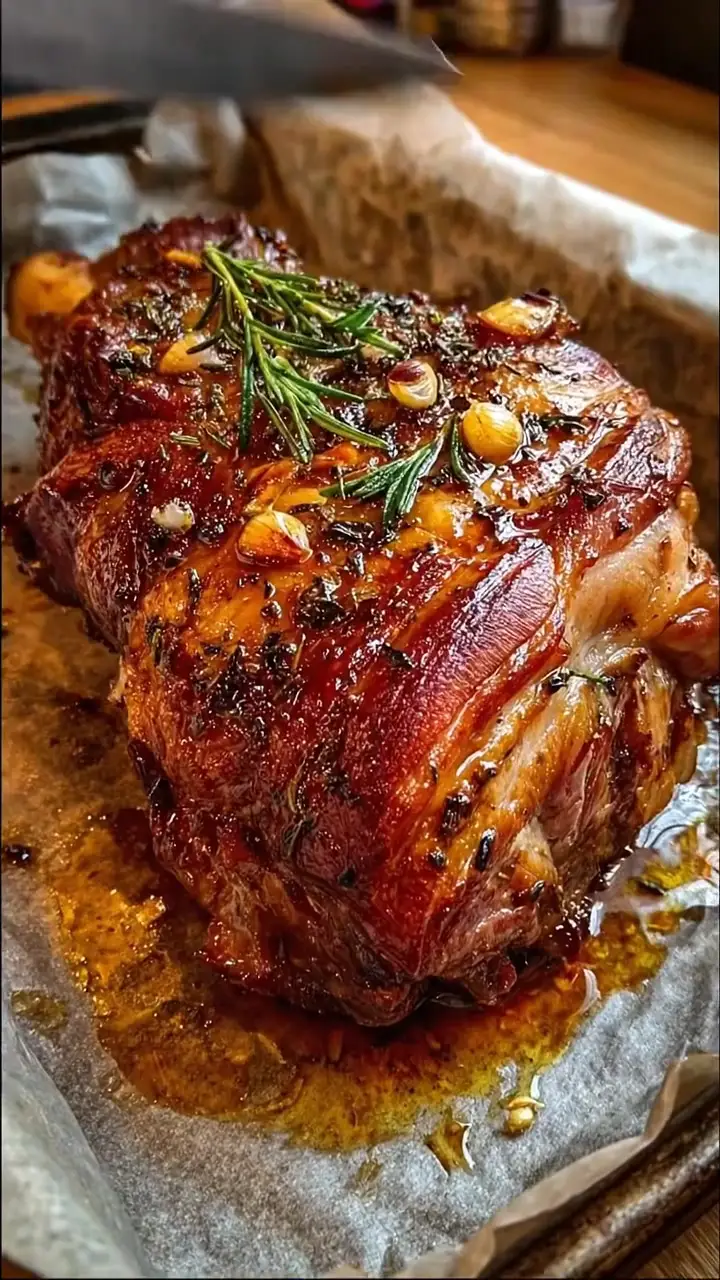
Beef-Based “German-Style Knuckle” is a rich, deeply flavorful, slow-cooked culinary homage to the traditional Bavarian Schweinshaxe—but reimagined with beef knuckle (also known as beef shank or cross-cut beef shin), a cut prized for its extraordinary collagen content, dense muscle fibers, and ability to transform under low-and-slow heat into fork-tender, gelatinous, umami-laden perfection. While pork knuckle dominates German beer hall menus, this beef variation honors the same rustic ethos: reverence for off-cuts, mastery of braising technique, and celebration of hearty, soul-warming fare rooted in regional resourcefulness and seasonal tradition. This dish delivers bold, savory depth—accented by aromatic herbs, caramelized onions, dark beer, and a glossy, reduced pan sauce—that evokes the robust spirit of Munich’s Oktoberfest tents and Franconian Gasthäuser, yet adapts seamlessly to modern kitchens, dietary preferences, and global pantry accessibility.
The History
The origins of knuckle-based dishes in German cuisine trace back centuries—to medieval times when frugality, preservation, and nose-to-tail eating were not trends but necessities. The pork knuckle (Haxe) became iconic in southern Germany, particularly Bavaria and Swabia, where butchers reserved the trotter and knuckle for peasant families and tavern keepers who transformed tough, sinewy cuts through extended cooking. Historical records from 16th-century Augsburg and Nuremberg mention gebratene Haxe served with sauerkraut and dumplings at guild feasts. Beef knuckle, though less common than pork in traditional Haxe preparations due to its denser texture and longer cook time, has long been used across central Europe—in Austria’s Tafelspitz variations, in Bohemian Polévka z hovězího kolena (beef knuckle soup), and in Alsatian pot-au-feu-style stews. The “German-style” designation here reflects not strict authenticity—but rather a respectful synthesis of technique: the crackling skin method borrowed from roasted pork knuckle; the use of regional staples like pilsner or dunkel beer, caraway, juniper berries, and browned butter; and the structural integrity of the knuckle joint, which—when cooked properly—holds its shape while yielding succulent, shreddable meat around the marrow-filled bone. During the post-war era, as beef became more widely available in urban German markets, home cooks began adapting classic braises using shank and knuckle, giving rise to today’s hybrid interpretations that balance heritage with practicality.
Ingredients Breakdown
Every component in this recipe serves a precise functional and sensory role—no ingredient is arbitrary. Below is an in-depth analysis of each element:
- Beef Knuckle (Cross-Cut Shank): A weight-bearing cut from the cow’s front or hind leg, containing abundant connective tissue (collagen), intermuscular fat, and a central marrow-filled bone. When slowly braised, collagen hydrolyzes into gelatin—creating natural viscosity, mouth-coating richness, and unparalleled tenderness. The bone contributes minerals and deepens flavor via marrow infusion.
- Smoked Paprika (Sweet or Smoked Hot): Adds warmth, earthiness, and subtle smokiness—echoing the wood-fired roasting traditions of southern Germany without requiring specialized equipment. It also enhances browning (Maillard reaction) during searing.
- Dark German Lager or Dunkel Beer: Not merely liquid—it’s a flavor catalyst. Enzymes in malted barley break down residual muscle fibers; carbonation gently agitates collagen networks; melanoidins (complex Maillard compounds formed during kilning) impart toasty, raisin-like depth; and moderate bitterness balances the dish’s inherent richness.
- Yellow Onions & Carrots (Mirepoix Base): Provide natural sweetness and aromatic foundation. Slow caramelization unlocks fructose and sucrose, generating complex browning notes and acting as a natural thickener when reduced.
- Fresh Thyme, Bay Leaves & Juniper Berries: Classic Central European aromatics. Thyme contributes thymol—a phenolic compound with antimicrobial properties historically valued in preservation; bay leaves release eugenol (clove-like warmth) only after prolonged heat exposure; juniper berries lend piney, citrus-tinged terpenes that cut through fat and evoke Black Forest foraging traditions.
- Tomato Paste: Concentrated umami bomb—rich in glutamic acid and lycopene. Its high sugar content promotes fond development and adds subtle acidity to round out the beer’s maltiness.
- Beef Demi-Glace or High-Quality Stock: Adds concentrated collagen, gelatin, and mineral depth. Homemade stock made from knuckle bones, veal feet, and roasted mirepoix yields superior body and clarity versus store-bought alternatives.
- Unsalted Butter (for finishing): Emulsifies the final sauce, lending silkiness, sheen, and a whisper of dairy sweetness that bridges savory and herbal notes.
- Flour (All-Purpose or Gluten-Free Blend): Used sparingly for dredging—creates a protective crust during searing and contributes starch for gentle thickening during reduction.
- Apple Cider Vinegar (added at end): Brightens the entire profile with volatile acetic acid, lifting heaviness and amplifying aroma perception without tasting overtly sour.
Step-by-Step Recipe
- Prep & Pat Dry: At least 2 hours before cooking, remove beef knuckle (3–4 lbs, single piece preferred) from refrigerator. Pat *extremely* dry with paper towels—moisture is the enemy of crust formation. Let sit uncovered at cool room temperature (65–68°F) to equalize internal temp.
- Dredge & Season: In a wide bowl, combine ¼ cup all-purpose flour, 2 tbsp smoked paprika, 1½ tsp freshly ground black pepper, 1 tsp mustard powder, ½ tsp ground allspice, and 1½ tsp kosher salt. Gently roll knuckle in mixture until fully coated—press lightly to adhere. Tap off excess.
- Sear with Intention: Heat 3 tbsp clarified butter + 2 tbsp neutral oil (e.g., grapeseed) in a heavy-bottomed Dutch oven over medium-high heat until shimmering (~375°F). Carefully place knuckle in pot—do NOT move for 6–7 minutes until a deep mahogany crust forms. Rotate and sear all sides—including top and bottom—until uniformly bronzed. Remove and rest on a wire rack.
- Sweat the Aromatics: Reduce heat to medium. Add 2 large diced yellow onions and 2 medium carrots (julienned). Stir constantly for 8 minutes until softened but not browned. Add 4 minced garlic cloves and 3 tbsp tomato paste; cook 4 minutes, stirring, until paste darkens slightly and smells toasted.
- Deglaze & Layer Liquids: Pour in 1½ cups dark German lager (e.g., Ayinger Altbairisch, Paulaner Dunkel), scraping vigorously with a wooden spoon to lift all fond. Simmer 2 minutes to burn off alcohol. Add 3 cups rich beef demi-glace (or low-sodium stock), 1 cup dry apple cider, 10 sprigs fresh thyme, 4 bay leaves, 12 crushed juniper berries, and 1 tsp black peppercorns.
- Braise Low & Slow: Return knuckle to pot, ensuring liquid comes halfway up the meat (add hot water if needed). Bring to bare simmer—bubbles should barely break surface. Cover tightly with lid; place in preheated 325°F oven. Braise 4 hours undisturbed. After 4 hours, carefully flip knuckle, cover, and continue braising 1.5–2 hours more—or until a skewer slides in and out with zero resistance and meat begins to pull away from bone.
- Rest & Strain Broth: Remove knuckle to a rimmed platter; tent loosely with foil. Strain braising liquid through a fine-mesh chinois into a stainless steel pot, pressing solids to extract every drop. Skim surface fat with a ladle or fat separator.
- Reduce to Gloss: Simmer strained liquid over medium-low heat 25–35 minutes, stirring occasionally, until reduced by ~40% and coats the back of a spoon. Whisk in 2 tbsp cold unsalted butter, one tablespoon at a time, off heat. Finish with 1 tsp apple cider vinegar and adjust salt.
- Crisp the Exterior (Optional but Recommended): Preheat broiler on high. Place rested knuckle on a wire rack over a baking sheet. Brush generously with reduced sauce. Broil 4–5 minutes until surface glistens and edges crisp slightly—watch closely to avoid burning.
- Carve & Serve: Using two forks or a boning knife, gently separate meat from bone in large, tender shreds. Spoon warm sauce generously over meat. Garnish with flaky sea salt, chopped parsley, and extra juniper-infused gherkins.
Tips
- Selecting the Cut: Look for beef knuckle with visible marbling, creamy-white fat cap, and a clean, pale-pink bone marrow. Avoid grayish or green-tinged meat—signs of age or improper storage. Ask your butcher for “cross-cut shank with intact knuckle joint” (not just shank steak).
- Dry Brining Boost: For even deeper flavor and better crust, dry-brine the knuckle overnight: rub generously with 1.5 tsp kosher salt per pound, refrigerate uncovered on a rack—then proceed with dredging step.
- Oven Thermometer Is Non-Negotiable: Most home ovens run hot or cold. An inaccurate 325°F setting can cause collagen to tighten instead of dissolve. Use a standalone oven thermometer placed beside the Dutch oven.
- Don’t Rush the Rest: Allowing the knuckle to rest 25–30 minutes after braising lets muscle fibers reabsorb juices. Skipping this leads to dry, stringy shreds—not succulent, cohesive bites.
- Straining Technique Matters: Line your chinois with cheesecloth for ultra-clear, velvety sauce. Discard fibrous solids but reserve strained carrots/onions—they’re perfect for blending into a side vegetable purée.
- Sauce Consistency Test: Dip a metal spoon into reduced sauce, hold it horizontally. Run your finger across the back—if the trail remains clean and doesn’t run, it’s ready. Too thin? Simmer 3 more minutes. Too thick? Whisk in 1 tbsp warm broth.
- Make-Ahead Magic: This dish improves dramatically after chilling overnight. Cool completely, refrigerate covered. Next day, skim solidified fat, reheat gently in sauce, then crisp under broiler. Flavors deepen; gelatin sets perfectly.
- No Dutch Oven? No Problem: Use a heavy-bottomed roasting pan covered tightly with double-layered aluminum foil + lid, or a slow cooker on LOW for 8–9 hours—but finish reduction and crisping steps on stovetop/broiler.
Variations and Customizations
Regional Twists
- Frankfurt-Style: Replace beer with 1 cup dry Riesling + ½ cup beef stock; add 1 star anise and 2 strips orange zest during braising. Finish with chopped chives and pickled red onions.
- Black Forest-Inspired: Add ½ cup sliced dried porcini mushrooms (soaked 20 min in hot water) to mirepoix; substitute cherry kirsch for ¼ cup of the beer; garnish with brandied Morello cherries.
- Nordic Adaptation: Use juniper-infused aquavit instead of beer; add 1 tbsp caraway seeds and 2 tsp dill seed to aromatics; serve with rutabaga-kohlrabi mash and lingonberry compote.
Dietary & Lifestyle Adjustments
- Gluten-Free: Use certified GF flour blend (tapioca + rice + xanthan gum) for dredging; ensure beer is GF-certified (e.g., Estrella Damm Daura) or substitute gluten-free brown ale.
- Keto/Low-Carb: Omit flour and carrot; increase celery and leek quantity; use sugar-free beef stock and reduce with 2 tbsp dry sherry vinegar instead of cider. Net carbs drop to ~6g/serving.
- Vegetarian “Echo” Version: Substitute king oyster mushroom “steaks” (seared, then braised in mushroom stock + smoked salt + liquid smoke + nutritional yeast); finish with black garlic aioli and roasted celeriac “crackling.”
- Instant Pot Shortcut: Sear using Saute function; pressure cook on HIGH for 90 minutes with natural release; reduce sauce using Saute mode. Texture approaches oven-braised but lacks identical depth.
Culinary Experiments
- Smoked Knuckle: Cold-smoke the raw, seasoned knuckle for 2 hours over beechwood chips before searing—adds haunting, campfire nuance.
- Umami Bomb Upgrade: Add 1 tbsp fermented black bean paste + 1 tsp fish sauce to braising liquid for profound savoriness (undetectable as “fishy”).
- Horseradish Crust: Mix 3 tbsp prepared horseradish, 2 tbsp Dijon, 1 tbsp honey, and 1 tsp mustard powder; brush on knuckle pre-broil for sharp, sweet heat.
Health Considerations and Nutritional Value
A 12-ounce serving (meat + ¼ cup sauce) of properly prepared Beef-Based German-Style Knuckle offers exceptional functional nutrition:
- Collagen & Gelatin: ~15–18g per serving—supports joint health, gut lining integrity, skin elasticity, and wound healing. Hydrolyzed during braising into bioavailable peptides absorbed efficiently in the small intestine.
- High-Quality Protein: ~42g complete protein with all nine essential amino acids—particularly rich in glycine (anti-inflammatory), proline (tissue repair), and arginine (vasodilation).
- Marrow-Derived Nutrients: Bone marrow contributes bioactive lipids including omega-3s (DHA/EPA), conjugated linoleic acid (CLA), and fat-soluble vitamins A, D, E, and K2—critical for calcium metabolism and cardiovascular resilience.
- Low Glycemic Impact: Naturally sugar-free and low-carb (<2g net carbs), making it ideal for metabolic health, insulin sensitivity, and sustained energy.
- Phytonutrient Synergy: Juniper berries contain antioxidants like catechin and quercetin; thyme provides thymol (antimicrobial); onions/carrots supply quercetin and beta-carotene—working synergistically to reduce oxidative stress.
- Considerations: Naturally higher in sodium (from seasoning and stock)—those on strict low-sodium protocols should reduce added salt by 30% and use no-salt-added stock. Moderate purine content makes it appropriate for most—but those with active gout should consult a dietitian before frequent consumption. The dish is inherently high in saturated fat (12–15g/serving); however, recent research suggests context matters—the presence of collagen, polyphenols, and fermentation metabolites (from beer) may modulate lipid metabolism favorably compared to processed meats.
Pairing suggestions for holistic benefit: Serve with fermented sides (sauerkraut, beet kvass) to enhance probiotic delivery and vitamin K2 activation; include bitter greens (endive, radicchio) to support bile flow and fat digestion.
Ingredients
- 1 (3–4 lb) cross-cut beef knuckle (front or hind shank, with intact joint and marrow bone)
- ¼ cup all-purpose flour (or gluten-free 1:1 blend)
- 2 tablespoons smoked sweet paprika (preferably Hungarian or Spanish)
- 1½ teaspoons freshly ground black pepper
- 1 teaspoon dry mustard powder
- ½ teaspoon ground allspice
- 1½ teaspoons kosher salt (plus more to taste)
- 3 tablespoons clarified butter (ghee)
- 2 tablespoons neutral high-heat oil (grapeseed, avocado, or refined coconut)
- 2 large yellow onions, diced (about 3 cups)
- 2 medium carrots, peeled and julienned (about 1½ cups)
- 4 large garlic cloves, minced
- 3 tablespoons tomato paste
- 1½ cups dark German lager or dunkel beer (e.g., Weihenstephaner Korbinian, Ayinger Altbairisch)
- 3 cups rich beef demi-glace or low-sodium beef stock (homemade preferred)
- 1 cup dry apple cider
- 10 fresh thyme sprigs (plus extra for garnish)
- 4 dried bay leaves
- 12 juniper berries, lightly crushed
- 1 teaspoon whole black peppercorns
- 2 tablespoons unsalted butter, cold, cubed
- 1 teaspoon raw apple cider vinegar
- Flaky sea salt and freshly chopped flat-leaf parsley (for finishing)
Directions
- Remove beef knuckle from refrigerator 2 hours before cooking. Pat *thoroughly* dry with paper towels. Let air-dry uncovered on a wire rack at cool room temperature.
- In a shallow dish, whisk together flour, smoked paprika, black pepper, mustard powder, allspice, and kosher salt. Roll knuckle evenly in mixture, pressing gently to adhere. Tap off excess.
- Heat clarified butter and oil in a 6- to 7-quart heavy-bottomed Dutch oven over medium-high heat until oil shimmers (approx. 375°F). Carefully place knuckle in pot. Do not move for 6–7 minutes until a deep, even crust forms. Rotate and sear all sides—including top and bottom—until uniformly mahogany. Transfer to a wire rack; rest 10 minutes.
- Reduce heat to medium. Add onions and carrots to same pot. Cook, stirring frequently, for 8 minutes until softened. Add garlic and tomato paste; cook 4 minutes, stirring constantly, until paste darkens and becomes fragrant.
- Pour in beer, scraping pot vigorously with a wooden spoon to release all browned bits. Simmer 2 minutes to evaporate alcohol. Stir in demi-glace (or stock), apple cider, thyme sprigs, bay leaves, juniper berries, and peppercorns.
- Return knuckle to pot, nestling so liquid reaches halfway up meat. Bring to a gentle simmer (small bubbles only). Cover tightly with lid.
- Place in preheated 325°F oven. Braise 4 hours. Carefully flip knuckle using two sturdy spatulas. Cover and braise 1.5–2 hours more—until meat yields effortlessly to a skewer and begins separating from bone.
- Remove knuckle to a rimmed platter; tent loosely with foil. Strain braising liquid through a fine-mesh chinois lined with cheesecloth into a clean stainless steel pot. Press solids firmly to extract maximum liquid. Discard solids.
- Skim surface fat using a ladle or fat separator. Simmer strained liquid over medium-low heat 25–35 minutes, stirring occasionally, until reduced by ~40% and coats the back of a spoon.
- Remove from heat. Whisk in cold butter, one tablespoon at a time, until fully emulsified and glossy. Stir in apple cider vinegar. Taste and adjust salt.
- Preheat broiler to HIGH. Place knuckle on a wire rack over a foil-lined baking sheet. Brush generously with reduced sauce. Broil 4–5 minutes until exterior glistens and edges begin to crisp—watch constantly.
- Using two forks or a boning knife, gently shred meat away from bone in large, tender pieces. Spoon warm sauce generously over meat. Garnish with flaky sea salt, fresh parsley, and optional juniper berries.
FAQ
- Can I use beef shank instead of knuckle?
- Yes—but note key differences: Shank is cylindrical and lacks the distinctive knuckle joint and marrow cavity. Knuckle offers superior textural contrast (tender meat + creamy marrow) and structural integrity for presentation. If using shank, choose cross-cut pieces with visible marrow bone and extend braise time by 30–45 minutes.
- Why is my sauce too thin—even after reducing?
- Likely causes: insufficient collagen extraction (undercooked knuckle), too much liquid added initially, or using low-gelatin stock. Fix: Simmer sauce 10 minutes longer; if still thin, whisk in 1 tsp unflavored gelatin bloomed in 1 tbsp cold water, then gently heated into sauce. Never boil after adding gelatin.
- Can I freeze leftovers?
- Absolutely—and it freezes exceptionally well. Cool completely, portion into airtight containers with sauce. Freeze up to 6 months. Thaw overnight in fridge; reheat gently in Dutch oven over low heat, adding 1–2 tbsp broth if dry. Broil 2 minutes before serving to revive crispness.
- What sides pair authentically?
- Traditional accompaniments include: Kartoffelknödel (potato dumplings), Sauerkraut (simmered with caraway and apple), buttered spätzle, roasted baby potatoes with rosemary, or a simple field greens salad with grainy mustard vinaigrette. Avoid starchy sides if serving multiple rich elements.
- Is the bone edible? Can I eat the marrow?
- The marrow is not only edible—it’s the crown jewel. After braising, marrow becomes luxuriously soft and spreadable. Scoop it out with a small spoon and stir into mashed potatoes, spread on toasted rye, or eat straight from the bone. The bone itself is not consumed, but its presence during cooking infuses irreplaceable flavor and minerals.
- My knuckle came out tough. What went wrong?
- Most commonly: insufficient cooking time, oven temperature too high (causing muscle fiber contraction), or cutting into the meat too soon after removal from oven. True tenderness requires collagen conversion—this *cannot* be rushed. Always test with a skewer, not a fork. Also verify your oven temperature with a thermometer.
- Can I make this in a slow cooker?
- Yes—with caveats. Sear thoroughly first. Place knuckle and aromatics in slow cooker; add liquids (reduce beer by ¼ cup to compensate for condensation). Cook on LOW 8–9 hours. Strain and reduce sauce separately on stovetop—slow cookers cannot achieve proper reduction or crisping.
- What non-alcoholic substitute works for beer?
- Best option: ¾ cup unsweetened strong black tea (brewed 5 min) + ¼ cup reduced balsamic vinegar + 1 tsp molasses. The tannins mimic beer’s structure; balsamic adds acidity and depth; molasses replicates malt sweetness. Avoid ginger ale or sodas—they introduce unwanted sugars and carbonation disrupts collagen breakdown.
Summary
Beef-Based German-Style Knuckle is a masterclass in transformative slow cooking—where humble, collagen-rich knuckle blossoms into tender, deeply savory, marrow-infused magnificence through meticulous searing, aromatic braising in dark beer and herbs, and patient reduction into a lacquered, buttery sauce.
Steeped in centuries of European resourcefulness yet endlessly adaptable—from keto and gluten-free to smoked and umami-enhanced—it delivers unmatched nutritional density, rustic elegance, and soul-satisfying comfort that honors tradition without demanding authenticity at the expense of accessibility or innovation.