Introduction
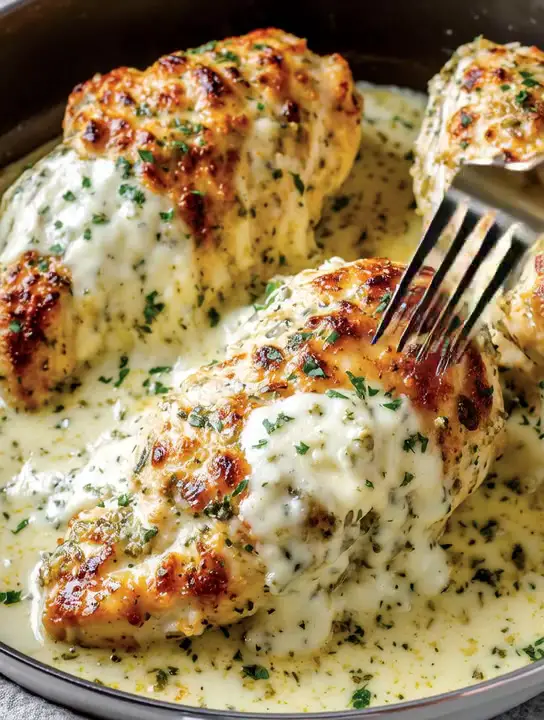
Baked Cream Cheese Chicken is a beloved, restaurant-style comfort dish that marries tender, juicy chicken breasts with a luxuriously creamy, savory, and slightly tangy cream cheese filling—often enhanced with herbs, garlic, sun-dried tomatoes, spinach, or bacon. Known for its velvety texture, rich flavor profile, and elegant simplicity, this dish strikes the perfect balance between indulgence and approachability. Whether served for a cozy weeknight dinner, impressing guests at a dinner party, or prepped ahead for meal prep, Baked Cream Cheese Chicken delivers consistent satisfaction with minimal hands-on time and pantry-friendly ingredients. Its versatility allows home cooks to easily adapt it to dietary preferences (gluten-free, low-carb, keto-friendly) and seasonal produce—making it a true culinary chameleon in the modern kitchen.
The History
While no single documented origin exists, Baked Cream Cheese Chicken emerged organically from mid-to-late 20th-century American home cooking trends—particularly during the 1970s and 1980s, when cream cheese became widely embraced beyond bagels and dips. Its roots trace back to classic “stuffed chicken breast” preparations popularized by mid-century cookbooks and women’s magazines like Good Housekeeping and Betty Crocker’s Picture Cook Book, where economical cuts of poultry were elevated using accessible dairy and pantry staples. The integration of cream cheese likely evolved from earlier “chicken cordon bleu” or “chicken Kiev” concepts—but swapped butter or ham for a more affordable, spreadable, and stable filling. Regional adaptations flourished: Southern versions incorporated pimento cheese or jalapeños; Midwest home cooks added ranch seasoning and shredded cheddar; and coastal variations featured artichokes and feta. With the rise of food blogging in the early 2000s—and viral Pinterest pins around 2013–2015—the recipe exploded in popularity, spawning thousands of iterations, slow-cooker adaptations, air-fryer versions, and even freezer-friendly meal kits. Today, it stands as a hallmark of “elevated weeknight cooking”—a testament to how humble ingredients, thoughtful technique, and cultural cross-pollination can birth an enduring kitchen staple.
Ingredients Breakdown
Understanding each ingredient’s functional role deepens both control and creativity in preparing Baked Cream Cheese Chicken:
- Chicken Breasts (boneless, skinless): The foundation—ideally 6–8 oz each, uniform in thickness for even cooking. Pounded to ½-inch thickness ensures quick searing and prevents tearing when stuffed. Opt for organic, air-chilled, or pasture-raised for superior moisture retention and flavor depth.
- Cream Cheese (full-fat, block-style): Non-negotiable for structure and richness. Low-fat or whipped varieties lack the necessary fat content (at least 33% milkfat) and stability—leading to weeping, separation, or collapse during baking. Room-temperature cream cheese blends smoothly without lumps and adheres better to fillings.
- Garlic (fresh minced or roasted): Adds aromatic pungency and umami. Roasted garlic mellows sharpness and contributes caramelized sweetness—ideal for balancing cream cheese’s tang.
- Herbs (fresh parsley, dill, chives, or dried oregano/thyme): Provide brightness and complexity. Fresh herbs are stirred in just before stuffing to preserve volatile oils; dried herbs are bloomed briefly in warm butter or olive oil to unlock flavor.
- Acid Component (lemon zest/juice, white wine vinegar, or apple cider vinegar): Cuts through richness, enhances perception of salt, and prevents the dish from tasting cloying or flat. A mere ½ tsp lemon zest or 1 tsp juice makes a measurable difference.
- Binding Agents (egg white, grated Parmesan, or finely shredded mozzarella): Reinforce cohesion—especially important when adding wet ingredients like spinach (which must be thoroughly squeezed) or sun-dried tomatoes (oil-packed and patted dry). Parmesan adds umami and golden crust formation.
- Seasonings (kosher salt, freshly ground black pepper, onion powder, smoked paprika): Layered salting—on chicken exterior *and* within filling—is critical. Salt drawn into the meat improves juiciness via protein solubilization; pepper adds warmth but is best added post-bake if using delicate white pepper notes.
- Coating Options (panko, almond flour, crushed crackers, or gluten-free breadcrumbs): Create textural contrast and promote Maillard browning. Panko yields exceptional crispness; almond flour suits keto/low-carb diets; seasoned cracker crumbs add nostalgic depth.
- Finishing Touches (fresh herbs, microgreens, flaky sea salt, drizzle of herb-infused oil or balsamic glaze): Elevate visual appeal and introduce final aromatic and textural layers—transforming a simple baked dish into a plated experience.
Step-by-Step Recipe
- Prep & Preheat: Position oven rack in upper third. Preheat oven to 375°F (190°C). Line a large rimmed baking sheet with parchment paper or lightly grease a 9×13-inch baking dish. Set aside.
- Butterfly & Pound Chicken: Place each chicken breast on a cutting board, cover with plastic wrap or parchment. Using a meat mallet or heavy skillet, gently pound from center outward until uniformly ½-inch thick. Be careful not to tear—aim for ~6×4 inches per breast.
- Season Chicken: Pat breasts very dry with paper towels. Lightly season both sides with ¼ tsp kosher salt and ⅛ tsp black pepper.
- Prepare Filling: In a medium bowl, combine 8 oz softened full-fat cream cheese, 2 cloves minced fresh garlic, 2 tbsp finely chopped fresh parsley, 1 tsp lemon zest, ½ tsp onion powder, ¼ tsp smoked paprika, and a pinch of cayenne (optional). Stir vigorously with a spatula or hand mixer on low until completely smooth and homogeneous—no streaks or lumps. Fold in ¼ cup finely grated Parmesan and 1 egg white (for binding and lift).
- Stuff & Roll: Spoon ~3–4 tbsp filling lengthwise down the center of each pounded breast. Carefully fold long sides inward over filling, then roll tightly from one short end to the other, tucking ends as you go. Secure each roll with 2–3 toothpicks (preferably wooden, soaked 10 mins in water to prevent burning).
- Bread (Optional but Recommended): Set up a breading station: shallow bowl with ½ cup all-purpose flour (or gluten-free 1:1 blend); second bowl with 2 large eggs whisked with 1 tbsp water and ½ tsp Dijon mustard; third bowl with 1 cup panko breadcrumbs mixed with 2 tbsp melted butter, 2 tbsp grated Parmesan, 1 tsp dried thyme, and ¼ tsp garlic powder. Dredge each stuffed chicken roll: flour → egg wash → panko mixture, pressing gently to adhere. Place seam-side down on prepared pan.
- Bake: Bake uncovered for 25–30 minutes, or until internal temperature reaches 165°F (74°C) when measured at thickest part with an instant-read thermometer. Rotate pan halfway through for even browning.
- Rest & Serve: Remove from oven, tent loosely with foil, and rest for 5–7 minutes. This allows juices to redistribute and filling to settle. Carefully remove toothpicks. Slice into 1-inch medallions or serve whole. Garnish generously.
Tips
- Pound Evenly, Not Thinly: Over-pounding causes shredding and poor structural integrity when rolling. Aim for consistent ½-inch thickness—not paper-thin. Use the palm of your hand to feel for uniform resistance across the surface.
- Chill Before Baking (Game-Changer): After rolling and toothpicking, refrigerate stuffed chicken for 20–30 minutes. This firms up the cream cheese, prevents “ooze” during baking, and helps coating adhere better.
- Don’t Skip the Egg White: While whole eggs work, the egg white alone provides superior binding without adding extra fat or moisture that could destabilize the cream cheese matrix.
- Control Moisture Meticulously: If adding spinach, sauté 6 oz fresh baby spinach until wilted, then squeeze *aggressively* in a clean kitchen towel until nearly dry. For sun-dried tomatoes, drain oil thoroughly and pat with paper towels—excess oil creates steam pockets and greasy leakage.
- Thermometer > Time: Oven temperatures vary wildly. Rely on a calibrated instant-read thermometer inserted horizontally into the center of the roll—not touching bone or filling—for accuracy. Pull at 160°F (71°C)—carryover heat will bring it to 165°F.
- Golden Crust Hack: For ultra-crisp, deeply golden exteriors, broil for 1–2 minutes at the end—watch *constantly*. Alternatively, brush rolls with melted butter or herb oil halfway through baking.
- Make-Ahead Friendly: Assemble rolls (unbreaded), wrap tightly in plastic, and refrigerate up to 24 hours—or freeze unbaked for up to 3 months. Thaw overnight in fridge before breading and baking.
- Reheat Without Drying: Leftovers reheat best in a 325°F oven, covered loosely with foil and a splash of broth or cream, for 12–15 minutes. Avoid microwaving—cream cheese turns rubbery and separates.
Variations and Customizations
This recipe is inherently modular—here’s how to personalize it across cuisines, diets, and occasions:
- Keto/Low-Carb: Replace panko with crushed pork rinds + grated Parmesan + almond flour. Add 2 tbsp nutritional yeast for “cheesy” depth. Stuff with crumbled cooked bacon, green onions, and a touch of sugar-free maple syrup for sweet-savory balance.
- Mediterranean: Mix filling with ¼ cup chopped Kalamata olives, 2 tbsp crumbled feta, 1 tbsp chopped fresh oregano, and 1 tsp lemon juice. Top baked chicken with tzatziki and cucumber ribbons.
- Tex-Mex: Blend cream cheese with 2 tbsp canned green chiles (drained), 1 tsp cumin, ½ tsp chipotle powder, and ¼ cup shredded Pepper Jack. Serve with avocado crema, pickled red onions, and cilantro-lime rice.
- Vegetarian “Chicken” Option: Substitute large, thick-cut portobello caps or pressed, sliced tofu steaks (marinated in soy, garlic, and ginger). Stuff with same cream cheese blend plus sautéed shiitakes and toasted walnuts.
- Buffalo Style: Whisk 3 tbsp buffalo sauce into cream cheese filling. After baking, drizzle with extra sauce and top with blue cheese crumbles and celery slaw.
- Breakfast Chicken: Add 2 tbsp crumbled cooked breakfast sausage, 1 tbsp chopped chives, and a pinch of nutmeg to filling. Serve atop creamy polenta or hash browns with poached eggs.
- Asian-Inspired: Infuse cream cheese with 1 tbsp grated fresh ginger, 1 tsp tamari, ½ tsp toasted sesame oil, and 1 tbsp chopped scallions. Coat with panko + toasted sesame seeds. Glaze with hoisin-mirin reduction before serving.
- Stovetop-to-Oven Hybrid: Sear breaded rolls in olive oil over medium-high heat until golden on all sides (3–4 min/side), then transfer to oven to finish baking—adds incredible crust and depth.
- Sheet Pan Supper: Arrange stuffed, unbreaded chicken rolls alongside baby potatoes, Brussels sprouts, and carrots tossed in olive oil, rosemary, and garlic. Roast together at 400°F for 35–40 minutes—minimal cleanup, maximum flavor synergy.
Health Considerations and Nutritional Value
A 6-oz serving of standard Baked Cream Cheese Chicken (made with full-fat cream cheese, panko, and butter) contains approximately 480–540 calories, 32–38g protein, 28–34g total fat (16–19g saturated), 18–22g carbohydrates (primarily from breading), and 650–850mg sodium. While undeniably rich, mindful modifications significantly improve its nutritional profile without sacrificing satisfaction:
- Protein Powerhouse: Chicken breast remains one of the leanest, most bioavailable sources of complete protein—supporting muscle maintenance, satiety, and metabolic health. Each serving delivers ~75% of the RDA for adults.
- Cream Cheese Nuances: Full-fat cream cheese provides conjugated linoleic acid (CLA), vitamin A, and small amounts of B12 and calcium. Though high in saturated fat, recent research suggests moderate dairy fat intake isn’t linked to cardiovascular risk when part of a balanced diet rich in fiber and antioxidants.
- Sodium Management: Most sodium comes from seasoning and Parmesan. Reduce salt by 30%, rely on herbs/spices for flavor, and choose low-sodium Parmesan or omit entirely—enhance umami with nutritional yeast or sun-dried tomato paste instead.
- Fiber & Phytonutrient Boost: Incorporating spinach, roasted red peppers, artichoke hearts, or zucchini purée into the filling adds volume, fiber (2–4g/serving), folate, lutein, and polyphenols—slowing glucose absorption and supporting gut health.
- Gut-Friendly Twist: Swap cream cheese for plain, unsweetened kefir-based “cream cheese” (blended with straining) or cashew-based vegan version inoculated with probiotic powder—adding live cultures and plant-based fats.
- Portion Awareness: Serve with voluminous, nutrient-dense sides: massaged kale salad with lemon-tahini dressing, roasted cauliflower “rice,” or lentil-walnut pilaf—to balance macros and increase micronutrient density per meal.
- Allergen Notes: Naturally gluten-free if using GF breadcrumbs or almond flour. Dairy-free alternatives include blended silken tofu + lemon juice + nutritional yeast + coconut cream (chilled) for binding and richness. Always verify cream cheese labels—some contain xanthan gum or preservatives that may trigger sensitivities.
Ingredients
- 4 (6–8 oz) boneless, skinless chicken breasts, trimmed of excess fat
- 1 tsp kosher salt, divided
- ½ tsp freshly ground black pepper, divided
- 8 oz full-fat brick-style cream cheese, softened to room temperature
- 2 cloves garlic, finely minced
- ¼ cup finely chopped fresh parsley (plus extra for garnish)
- 1 tsp lemon zest (from ~½ lemon)
- ½ tsp onion powder
- ¼ tsp smoked paprika
- Pinch of cayenne pepper (optional)
- ¼ cup finely grated Parmesan cheese
- 1 large egg white
- ½ cup all-purpose flour (or gluten-free 1:1 blend)
- 2 large eggs
- 1 tbsp water
- 1 tsp Dijon mustard
- 1 cup panko breadcrumbs (or gluten-free alternative)
- 2 tbsp unsalted butter, melted
- 2 tbsp additional grated Parmesan
- 1 tsp dried thyme
- ¼ tsp garlic powder
- 2–3 tbsp olive oil or avocado oil (for searing, optional)
- Flaky sea salt and fresh lemon wedges (for serving)
Directions
- Preheat oven to 375°F (190°C). Line a large rimmed baking sheet with parchment paper or lightly grease a 9×13-inch baking dish.
- Place chicken breasts on a clean work surface. Cover each with plastic wrap or parchment paper. Using a meat mallet or heavy-bottomed skillet, gently pound from the center outward until uniformly ½-inch thick (~6×4 inches). Pat very dry with paper towels. Season both sides with ½ tsp kosher salt and ¼ tsp black pepper.
- In a medium mixing bowl, combine softened cream cheese, minced garlic, ¼ cup chopped parsley, lemon zest, onion powder, smoked paprika, and cayenne (if using). Beat with a hand mixer on medium speed or stir vigorously with a spatula until completely smooth and lump-free—about 1 minute. Fold in ¼ cup grated Parmesan and egg white until fully incorporated. Set aside.
- Spoon 3–4 tablespoons of cream cheese mixture lengthwise down the center of each pounded chicken breast. Fold the longer sides of each breast over the filling, then tightly roll from one short end to the other, tucking in the ends as you go. Secure each roll with 2–3 soaked wooden toothpicks placed horizontally near the seam.
- Set up a breading station: first bowl—½ cup flour; second bowl—2 eggs whisked with 1 tbsp water and 1 tsp Dijon mustard; third bowl—1 cup panko mixed with melted butter, 2 tbsp grated Parmesan, dried thyme, and garlic powder. Dredge each stuffed chicken roll: coat lightly in flour (shake off excess), dip into egg mixture (let excess drip off), then press firmly into panko mixture to adhere evenly. Place seam-side down on prepared baking sheet.
- For extra crispness (optional): Heat 2 tbsp oil in a large nonstick or stainless skillet over medium-high heat. Working in batches, sear rolls until golden brown on all sides—about 2–3 minutes per side. Transfer to baking sheet.
- Bake uncovered for 25–30 minutes, rotating pan halfway through, until golden brown and internal temperature reaches 165°F (74°C) when measured at the thickest part with an instant-read thermometer.
- Remove from oven and let rest, loosely tented with foil, for 5–7 minutes. Carefully remove toothpicks. Slice into 1-inch medallions or serve whole. Garnish with flaky sea salt, extra parsley, lemon wedges, and a light drizzle of high-quality olive oil or herb-infused oil.
FAQ
- Can I use frozen chicken breasts?
- Yes—but thaw completely in the refrigerator (24–48 hours) and pat *extremely* dry before pounding. Never pound partially frozen chicken—it shreds and tears unpredictably.
- Why does my cream cheese filling leak out during baking?
- Most commonly due to: (1) under-chilled rolls—always refrigerate 20–30 minutes before baking; (2) overfilling—stick to 3–4 tbsp per breast; (3) insufficient toothpick security—use 3 per roll, spaced evenly; (4) opening oven too early—avoid checking before 20 minutes.
- Can I make this dairy-free?
- Absolutely. Use a high-fat, cultured coconut cream cheese alternative (like Kite Hill or Miyoko’s) or make a homemade cashew-based version (soaked raw cashews + lemon juice + nutritional yeast + garlic + salt, blended until ultra-smooth and chilled until firm). Note: texture and melt behavior differ—bake at 350°F and reduce time by 3–5 minutes.
- How do I prevent dry chicken?
- Three keys: (1) Pound to exact ½-inch thickness; (2) brine for 30 minutes in 4 cups cold water + ¼ cup salt + 2 tbsp sugar (then rinse and pat dry); (3) never exceed 165°F internally—use a thermometer religiously.
- Can I prepare this ahead and freeze?
- Yes! Assemble rolls (unbreaded), wrap individually in plastic wrap, then place in a freezer bag. Freeze up to 3 months. Thaw overnight in the refrigerator, then proceed with breading and baking. Do *not* freeze after breading—coating becomes soggy.
- What sides pair best with this dish?
- Balance richness with freshness and acidity: lemon-herb orzo, garlic mashed cauliflower, roasted asparagus with shaved Parmesan, arugula salad with lemon vinaigrette and toasted pine nuts, or creamy dill potato salad.
- Is this recipe safe for pregnant individuals?
- Yes—when made with pasteurized cream cheese, fully cooked chicken (165°F), and proper food handling (no cross-contamination, immediate refrigeration of leftovers). Avoid raw herbs unless thoroughly washed; opt for organic produce when possible.
- Can I cook this in an air fryer?
- Yes! Preheat air fryer to 375°F. Lightly spray breaded rolls with avocado oil. Cook 12–15 minutes, flipping halfway, until golden and internal temp hits 165°F. Space rolls evenly—do not overcrowd basket.
- Why does my breading fall off?
- Causes include: wet chicken surface (must be bone-dry), skipping flour step (flour creates a “glue” layer), insufficient chilling before breading, or not pressing panko firmly enough. Try the “double-dip”: after first breading, chill 10 minutes, then repeat egg + panko steps.
- Can I use chicken thighs instead?
- You can—but adjust technique. Boneless, skinless thighs are more forgiving but fattier. Pound only to ¾-inch thickness. Increase bake time to 35–40 minutes and confirm doneness at 175°F (80°C) for optimal tenderness and safety.
Summary
Baked Cream Cheese Chicken is a masterclass in elegant simplicity—transforming humble pantry staples into a restaurant-worthy, tender, creamy, and deeply satisfying centerpiece dish with minimal effort and maximum flavor payoff.
From its mid-century American roots to today’s globally inspired variations, it remains endlessly adaptable, nutritionally modifiable, and universally beloved—a timeless testament to the magic of well-executed comfort food.