Introduction
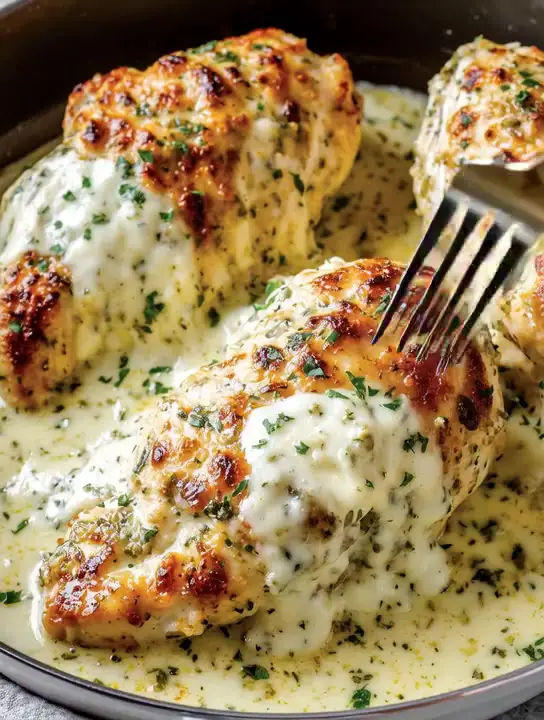
Baked Cream Cheese Chicken is a beloved, comforting, and restaurant-worthy dish that has earned its place as a weeknight staple and entertaining favorite alike. With its lusciously creamy center, tender baked chicken breast, and rich, savory-sweet flavor profile, this dish strikes the perfect balance between indulgence and approachability. It’s remarkably simple to prepare—requiring minimal prep time and just one baking dish—but delivers an impressive, gourmet-caliber result that consistently wows family members and guests. Whether you’re seeking a hearty dinner solution after a long day, a crowd-pleasing main for potlucks or holiday gatherings, or a versatile protein base ready for endless customization, Baked Cream Cheese Chicken rises to the occasion with elegance and ease.
The History
While the exact origins of Baked Cream Cheese Chicken remain undocumented in culinary archives, its emergence can be traced to the mid-to-late 20th century—coinciding with the rise of convenience cooking, the mainstream adoption of cream cheese in American home kitchens, and the popularity of “stuffed” and “baked casserole-style” poultry dishes. Cream cheese, first commercially produced by William Lawrence in Chester, New York in 1872, gained widespread household presence following the founding of the Philadelphia Cream Cheese brand in 1880. By the 1950s and ’60s, home cooks began experimenting with it beyond bagels and desserts—incorporating it into savory appetizers like dips and spreads, then evolving into stuffed mains such as chicken breasts and pork chops. The dish likely gained traction through community cookbooks, women’s magazines like Good Housekeeping and Ladies’ Home Journal, and later, early food blogs and Pinterest-era recipe sharing. Its viral resurgence in the 2010s—fueled by Instagrammable cross-section photos, YouTube “one-pan” demos, and TikTok recipe hacks—cemented its status as a modern classic: a nostalgic yet ever-evolving fusion of Midwestern comfort and contemporary flavor-forward sensibility.
Ingredients Breakdown
Every exceptional Baked Cream Cheese Chicken begins with thoughtfully selected, high-quality components—each playing a distinct functional and flavor role. Below is a comprehensive analysis of the core ingredients and their contributions:
- Chicken Breasts (Boneless, Skinless): The foundation—ideally 4–6 oz each, uniform in thickness for even cooking. Opt for air-chilled, antibiotic-free, or organic if available; brined or pre-marinated varieties add extra juiciness but require seasoning adjustments.
- Cream Cheese (Full-Fat, Block Style): Non-negotiable for texture and richness. Softened at room temperature (not melted) ensures seamless blending and prevents tearing when stuffing. Low-fat or whipped versions compromise structural integrity and yield greasy separation during baking.
- Shredded Sharp Cheddar Cheese: Adds tangy depth, golden browning capability, and melty cohesion. A blend of aged white cheddar and smoked gouda offers complexity; avoid pre-shredded cheeses containing anti-caking agents (e.g., cellulose), which inhibit smooth melting.
- Garlic Powder & Onion Powder: Provide foundational savory umami without raw bite. Fresh minced garlic may burn during baking—powders offer controlled, consistent flavor infusion.
- Dried Herbs (Thyme, Oregano, Parsley): Earthy, aromatic notes that complement poultry and cut through richness. Fresh herbs are added post-bake for brightness, but dried versions withstand heat and embed flavor deep into the filling.
- Salt & Black Pepper (Freshly Ground): Critical for balancing sweetness and fat. Kosher salt adheres evenly; freshly cracked black pepper adds floral heat that intensifies when baked.
- Olive Oil or Melted Butter (for Rubbing): Promotes surface browning, seals in moisture, and helps seasoning adhere. Butter adds nutty depth; olive oil contributes subtle fruitiness and higher smoke point.
- Panko Breadcrumbs (Optional but Recommended Topping): Light, airy, and crisp—unlike traditional breadcrumbs, panko creates a delicate, golden crust without heaviness. Toasted in butter or infused with herbs and parmesan before sprinkling enhances texture and aroma.
- Optional Flavor Enhancers: A splash of lemon juice brightens the cream cheese; Dijon mustard adds subtle tang and emulsifying power; Worcestershire sauce lends fermented savoriness; a pinch of cayenne or smoked paprika introduces gentle warmth or smokiness.
Collectively, these ingredients form a harmonious matrix: the chicken provides lean protein structure; the cream cheese acts as a luxurious binder and fat carrier; the cheddar delivers melt and sharp contrast; aromatics build layered seasoning; and the finishing elements (oil/butter, herbs, crumbs) create textural dimension and visual appeal.
Step-by-Step Recipe
- Preheat & Prep: Preheat oven to 375°F (190°C). Line a large rimmed baking sheet with parchment paper or foil (lightly greased), or prepare a 9×13-inch baking dish. Set aside.
- Prepare Chicken: Place chicken breasts on a clean cutting board. Using a sharp chef’s knife, carefully butterfly each breast: make a horizontal slit along the thickest side, stopping about ½ inch from the opposite edge. Open like a book, then cover with plastic wrap and gently pound with a meat mallet or rolling pin to an even ¾-inch thickness. This ensures uniform stuffing and prevents curling during baking.
- Season Generously: Pat chicken dry with paper towels. On both sides, rub evenly with olive oil or melted butter. Sprinkle with salt, black pepper, garlic powder, onion powder, dried thyme, and oregano—pressing gently to adhere.
- Prepare Filling: In a medium bowl, combine softened cream cheese, shredded cheddar, minced garlic (if using), lemon juice (optional), Dijon mustard (optional), Worcestershire sauce (optional), and half the dried parsley. Stir with a spatula or hand mixer on low until completely smooth, lump-free, and homogenous—about 1–2 minutes. Fold in 2 tbsp grated parmesan if desired.
- Stuff the Chicken: Spoon ~¼ cup of filling onto the center of each flattened breast. Gently fold the long sides inward over the filling, then roll tightly from one short end to the other, tucking in any stray filling. Secure each roll with 2–3 toothpicks (preferably wooden, soaked in water for 10 minutes to prevent burning).
- Arrange & Top: Place seam-side down on the prepared baking sheet/dish. Drizzle lightly with remaining oil or butter. In a small bowl, mix panko breadcrumbs, remaining parsley, 1 tbsp melted butter or olive oil, and optional grated parmesan. Sprinkle generously over tops and sides of rolls.
- Bake: Bake uncovered for 25–30 minutes—or until internal temperature reaches 165°F (74°C) when measured with an instant-read thermometer inserted into the thickest part of the roll, avoiding toothpicks and filling. The top should be deeply golden and crisp; the chicken juices should run clear.
- Rest & Serve: Remove from oven and let rest for 5–7 minutes. This allows residual heat to finish cooking, redistributes juices, and firms up the cream cheese center for cleaner slicing. Carefully remove toothpicks before serving.
Tips
- Butterfly Like a Pro: If chicken breasts are uneven, slice horizontally *across* the width instead of lengthwise—creating two thinner cutlets per breast. You can then layer them slightly offset and stuff/roll for double the cream cheese per bite.
- Chill Before Baking (Game-Changer!): After stuffing and securing, refrigerate rolls for 20–30 minutes. This firms up the filling, preventing leakage and helping maintain shape during baking.
- Avoid Overmixing the Filling: Mix only until combined—overworking cream cheese warms it and makes it too soft, increasing risk of oozing. If filling feels warm or sticky, chill for 10 minutes before stuffing.
- Use a Thermometer—Always: Visual cues (golden color, firmness) aren’t reliable for doneness. Undercooked chicken is unsafe; overcooked chicken becomes dry and tough. Insert thermometer sideways into the center of the roll, not vertically.
- Prevent Soggy Bottoms: Elevate rolls on a wire rack set inside your baking sheet. This allows hot air circulation underneath, crisping all sides—not just the top.
- Golden Crust Hack: For ultra-crisp, restaurant-level browning, broil on high for the final 1–2 minutes—watch closely! Alternatively, use convection bake mode at 375°F for more even airflow and faster browning.
- No Toothpick Anxiety: Use kitchen twine instead—tie each roll with a single loop around the center, or use a figure-eight pattern. It’s removable, non-metallic, and adds rustic charm.
- Make Ahead Friendly: Assemble rolls up to 24 hours ahead—cover tightly and refrigerate. Add 3–5 minutes to bake time if going straight from fridge to oven.
- Leftovers Reinvented: Slice cold rolls and pan-sear in butter for crispy edges and warm centers—ideal for salads or grain bowls. Or shred into pasta, quesadillas, or breakfast scrambles.
Variations and Customizations
This recipe is inherently adaptable—serving as a canvas for global flavors, dietary preferences, seasonal produce, and pantry creativity. Here’s an expansive guide to customizing your Baked Cream Cheese Chicken:
Global Inspirations
- Mediterranean: Replace cheddar with feta and goat cheese; add sun-dried tomatoes, kalamata olives, fresh oregano, and lemon zest to filling. Top with toasted pine nuts and crumbled feta.
- Mexican Fiesta: Mix in pickled jalapeños, chipotle in adobo (minced), cumin, smoked paprika, and Monterey Jack. Garnish with cilantro, lime wedges, and avocado crema.
- Italian Herb Garden: Use mozzarella and parmesan; stir in chopped fresh basil, roasted garlic, and a spoonful of marinara. Top with herb-infused panko and drizzle with balsamic glaze post-bake.
- Asian Umami: Swap cream cheese for softened silken tofu + 1 tbsp miso paste; add grated ginger, scallions, sesame oil, and soy sauce. Top with toasted sesame seeds and crispy wonton strips.
Dietary Adaptations
- Gluten-Free: Use certified GF panko or crushed gluten-free crackers (e.g., almond flour crackers or rice cereal). Verify all seasonings and condiments are GF-certified.
- Keto/Low-Carb: Skip breadcrumbs entirely—or use crushed pork rinds or almond flour “crumb” (toasted with butter and herbs). Increase healthy fats: add avocado slices or a dollop of herbed sour cream on serving.
- Dairy-Free: Substitute cashew-based cream cheese (unsweetened, plain), nutritional yeast for cheesy flavor, and dairy-free cheddar shreds. Use olive oil or avocado oil instead of butter.
- Paleo/Whole30: Omit cheese and cream cheese—use mashed avocado blended with coconut milk, roasted red peppers, garlic, and herbs as a rich, compliant filling. Top with crushed plantain chips.
Seasonal & Produce-Forward Twists
- Spring: Fold in blanched asparagus tips, fresh peas, lemon thyme, and mascarpone for delicate sweetness.
- Summer: Incorporate grilled corn kernels, cherry tomatoes (halved), fresh basil ribbons, and a touch of balsamic reduction.
- Fall: Add caramelized onions, sautéed wild mushrooms, sage, and a spoonful of apple butter for earthy-sweet warmth.
- Winter: Blend in roasted butternut squash purée, toasted walnuts, rosemary, and a dusting of cinnamon for cozy depth.
Protein Swaps
- Turkey Breast: Equally tender—slightly milder flavor; benefits from extra seasoning or a maple-Dijon glaze.
- Pork Tenderloin Medallions: Slice into 1-inch rounds, pound thin, and stuff—richer fat content pairs beautifully with bold fillings like apricot-ginger or bourbon-barbecue.
- Firm White Fish (Cod, Halibut): Delicate alternative—use smaller portions, reduce bake time to 12–15 min, and opt for lighter fillings (lemon-dill cream cheese, herb butter).
Health Considerations and Nutritional Value
Baked Cream Cheese Chicken can be both nourishing and balanced—with mindful ingredient choices and portion awareness. A standard serving (one 5-oz rolled breast, approx. 320g cooked) provides approximately:
- Calories: 420–520 kcal (varies by cheese type, oil quantity, and topping)
- Protein: 38–44g — an excellent source supporting muscle maintenance, satiety, and metabolic health.
- Fat: 24–32g — primarily unsaturated (from olive oil, cheese, and chicken skin if left on), plus saturated fat (~12–16g). Choosing reduced-fat cheddar or part-skim cream cheese lowers saturated fat by ~25% without sacrificing mouthfeel.
- Carbohydrates: 3–6g — naturally low; increases only if using breadcrumbs, honey-glazed toppings, or sweet additions (e.g., cranberries).
- Vitamins & Minerals: Rich in B vitamins (B6, B12, niacin), selenium, zinc, phosphorus, and choline—critical for energy metabolism, immune function, brain health, and antioxidant defense. Adding spinach or kale to the filling boosts folate, vitamin K, and fiber.
Key Health Notes:
- Cream Cheese Myth-Busting: While higher in saturated fat, full-fat cream cheese contains conjugated linoleic acid (CLA), linked in studies to anti-inflammatory and metabolic benefits when consumed moderately as part of a whole-food diet.
- Sodium Awareness: Most sodium comes from cheese, seasonings, and broth-based enhancements. Reduce by using low-sodium cheese, limiting added salt, and skipping pre-seasoned chicken or broth powders.
- Heart-Healthy Swaps: Replace half the cream cheese with plain Greek yogurt (full-fat for texture) — adds probiotics and extra protein while cutting saturated fat by ~30%.
- Fiber Integration: Serve alongside roasted vegetables (broccoli, Brussels sprouts, carrots), quinoa pilaf, or a large mixed green salad with vinaigrette to increase fiber, phytonutrients, and digestive support.
- Portion Mindfulness: One roll satisfies most adults—but pair with abundant non-starchy vegetables rather than heavy starches (e.g., mashed potatoes, pasta) to optimize glycemic response and nutrient density.
When enjoyed regularly as part of a varied, plant-rich, whole-food pattern—and not reliant on ultra-processed shortcuts—Baked Cream Cheese Chicken supports sustained energy, appetite regulation, and culinary joy without compromising wellness goals.
Ingredients
- 4 (6-ounce) boneless, skinless chicken breasts, butterflied and pounded to ¾-inch thickness
- 1 tablespoon extra-virgin olive oil or unsalted butter, melted (plus extra for drizzling)
- 1 teaspoon kosher salt (or to taste)
- ½ teaspoon freshly ground black pepper
- 1 teaspoon garlic powder
- 1 teaspoon onion powder
- ½ teaspoon dried thyme
- ½ teaspoon dried oregano
- 8 ounces full-fat brick-style cream cheese, softened to room temperature
- 1 cup (4 ounces) sharp cheddar cheese, freshly shredded
- 2 tablespoons fresh parsley, finely chopped (divided)
- 1 tablespoon fresh lemon juice (optional, for brightness)
- 1 teaspoon Dijon mustard (optional, for tang and binding)
- ½ teaspoon Worcestershire sauce (optional, for umami depth)
- ½ cup panko breadcrumbs
- 2 tablespoons grated parmesan cheese
- 2 tablespoons unsalted butter, melted (for breadcrumb topping)
- Toothpicks or kitchen twine, for securing
Directions
- Preheat oven to 375°F (190°C). Line a large rimmed baking sheet with parchment paper or foil; lightly grease.
- Place chicken breasts on a clean surface. Butterfly each by slicing horizontally almost through, then open and gently pound to even ¾-inch thickness using a meat mallet or rolling pin covered with plastic wrap.
- In a small bowl, combine olive oil (or melted butter), salt, pepper, garlic powder, onion powder, thyme, and oregano. Rub mixture evenly over both sides of each chicken breast.
- In a medium bowl, beat softened cream cheese with an electric mixer on low until smooth (~30 seconds). Add shredded cheddar, 1 tablespoon parsley, lemon juice, Dijon, and Worcestershire (if using). Mix until fully combined and creamy—do not overmix. Taste and adjust seasoning.
- Spoon ~¼ cup filling onto center of each chicken breast. Fold in long sides, then roll tightly from short end to encase filling. Secure each roll with 2–3 toothpicks or tie with kitchen twine.
- Arrange rolls seam-side down on prepared baking sheet. Drizzle lightly with remaining oil or butter.
- In a small bowl, combine panko, parmesan, melted butter, and remaining 1 tablespoon parsley. Sprinkle generously over tops and sides of rolls.
- Bake uncovered for 25–30 minutes, rotating pan halfway, until golden brown and internal temperature reaches 165°F (74°C) when checked with an instant-read thermometer inserted into center (avoiding filling and toothpicks).
- Remove from oven and let rest 5–7 minutes. Carefully remove toothpicks or twine. Slice diagonally into 1-inch medallions and serve immediately.
FAQ
- Can I make this ahead and freeze it?
- Yes! Assemble rolls (without breadcrumbs), place on a parchment-lined tray, freeze uncovered until solid (2–3 hours), then transfer to an airtight freezer bag. Freeze up to 3 months. Thaw overnight in refrigerator before baking—add 5–8 minutes to bake time. Do not freeze with panko topping—it will become soggy.
- Why did my cream cheese leak out during baking?
- Common causes: filling was too warm or overmixed (making it runny), chicken wasn’t chilled before baking, rolls weren’t secured tightly, or they were overfilled. Chill assembled rolls 20–30 minutes before baking, use room-temp—not melted—cream cheese, and avoid exceeding ¼ cup filling per breast.
- Can I use chicken thighs instead of breasts?
- Absolutely—and deliciously so! Boneless, skinless thighs are more forgiving and flavorful. Pound to even thickness, adjust bake time to 30–35 minutes, and expect slightly juicier, richer results. Thighs also hold up well to bolder spices and acidic fillings.
- Is there a way to make it crispier without breadcrumbs?
- Yes! Try coating the outside of each roll with a light slurry of Dijon mustard + egg white before applying panko—or press crushed pork rinds, crushed tortilla chips, or finely chopped almonds directly onto oiled chicken before stuffing.
- What sides go best with Baked Cream Cheese Chicken?
- Light, acidic, or crunchy accompaniments balance the richness: roasted lemon-herb asparagus, garlicky sautéed spinach, creamy dill cucumber salad, quinoa-tomato-cucumber tabbouleh, mashed cauliflower, or a vibrant arugula salad with shaved fennel and citrus vinaigrette.
- Can I cook this in an air fryer?
- Yes! Preheat air fryer to 375°F. Place rolls seam-side down in basket (no overcrowding). Lightly spray tops with oil. Cook 14–18 minutes, flipping halfway, until golden and internal temp hits 165°F. Crispier exterior, faster cook time.
- How do I reheat leftovers without drying them out?
- For best texture: slice rolls, place in oven-safe dish, drizzle with 1 tsp broth or water, cover with foil, and bake at 325°F for 12–15 minutes. Alternatively, steam gently in a covered skillet over low heat for 5–7 minutes. Avoid microwaving uncovered—it toughens chicken and separates filling.
- Can I use low-fat cream cheese?
- Not recommended. Low-fat and whipped versions contain added gums, stabilizers, and water, causing separation, greasiness, and poor binding. If reducing fat is essential, replace half the cream cheese with equal parts full-fat Greek yogurt + 1 tsp lemon juice.
- My filling tastes bland—how do I fix it?
- Taste your filling *before* stuffing! Adjust with more salt, acid (lemon juice or vinegar), umami (Worcestershire, soy, or fish sauce), or spice (cayenne, smoked paprika). Remember: seasoning compounds mellow slightly during baking—so err slightly on the bold side.
- Can I grill this instead of baking?
- Yes—with care. Preheat grill to medium (350–375°F). Grill rolls seam-side down first for 4–5 minutes to sear and stabilize. Flip, cover, and grill another 12–16 minutes, turning once, until 165°F internally. Use a drip pan to catch any leakage and prevent flare-ups.
Summary
Baked Cream Cheese Chicken is a masterclass in simple elegance—transforming humble pantry staples into a decadent, tender, and endlessly customizable centerpiece that satisfies cravings and simplifies meal planning.
With its creamy, savory heart, golden-crusted exterior, and adaptable flavor profile, it’s no wonder this dish remains a timeless favorite across generations, kitchens, and cultures—proving that extraordinary meals begin with thoughtful technique, quality ingredients, and joyful creativity.