Introduction
Baked chicken legs are a beloved, family-friendly staple that delivers maximum flavor, juicy tenderness, and comforting satisfaction—all with minimal hands-on effort. Unlike fried or grilled versions, oven-baking locks in moisture while allowing the skin to crisp beautifully, especially when paired with a thoughtfully crafted marinade. This recipe isn’t just about convenience—it’s about elevating humble chicken legs into a restaurant-quality centerpiece using pantry staples, aromatic herbs, and science-backed marinating techniques. Whether you’re meal prepping for the week, hosting a casual Sunday dinner, or seeking a protein-packed, budget-conscious main dish, baked chicken legs offer unmatched versatility, consistency, and crowd-pleasing appeal.
The History
Chicken legs—comprising both drumsticks and thighs—have been consumed across cultures for centuries, long before modern refrigeration or industrial farming. In medieval Europe, poultry was often reserved for special occasions due to its relative scarcity and cost; legs, being dark meat, were prized for their richer flavor and forgiving texture when cooked over open flames or in clay ovens. In West Africa, slow-simmered and spice-rubbed chicken legs formed the foundation of stews like Nigerian Yaji and Senegalese Yassa, later influencing Southern U.S. soul food traditions through the transatlantic culinary diaspora. The rise of home ovens in the early 20th century popularized baking as a safer, more controllable alternative to open-fire roasting—and by the 1950s, American homemakers embraced baked chicken legs as a nutritious, economical protein source featured in iconic cookbooks like The Joy of Cooking and Betty Crocker’s Picture Cook Book. Today, global fusion trends have reimagined the classic preparation: Korean gochujang-glazed, Mediterranean lemon-oregano, Indian tandoori-spiced, and Japanese yuzu-soy iterations now sit alongside time-honored herb-and-garlic renditions—proving that the humble chicken leg remains a timeless canvas for culinary storytelling and innovation.
Ingredients Breakdown
Every exceptional baked chicken leg starts not with technique—but with intention behind each ingredient. Below is a detailed, chef-level analysis of the components in our signature “Best Marinade,” explaining *why* each element matters—not just what it does, but *how* it transforms the final result:
- Chicken Legs (Bone-in, Skin-on): We strongly recommend using whole, natural chicken legs (drumstick + thigh attached) with skin intact. Bone-in meat retains significantly more moisture during baking due to the insulating effect of bone and marrow, while the skin acts as a natural basting layer—rendering fat slowly to self-baste the meat and crisping into golden, savory crackling. Avoid pre-brined or enhanced chicken (often labeled “self-basting” or containing sodium phosphate), as excess water content inhibits caramelization and dilutes marinade absorption.
- Extra-Virgin Olive Oil: Not just a carrier oil—this is your flavor amplifier and texture architect. High-phenolic EVOO contributes subtle peppery notes and antioxidants that protect against oxidation during high-heat baking. Its monounsaturated fats help emulsify the marinade, allowing spices and acids to adhere evenly to the chicken surface.
- Fresh Garlic (Minced, Not Powdered): Allicin—the pungent, health-promoting compound in garlic—is heat-sensitive and volatile. Freshly minced garlic releases allicin enzymatically upon crushing; powdered garlic lacks this biochemical activity and tastes flat and dusty. For optimal depth, mince by hand or use a microplane—then let it macerate in oil for 10 minutes before adding other ingredients to mellow sharpness and deepen aroma.
- Fresh Lemon Juice & Zest: Acid is essential for tenderizing connective tissue (collagen hydrolysis), but balance is critical. Too much acid (e.g., prolonged marinating in straight lemon juice) can cause protein denaturation, leading to mushy texture. Our formula uses *moderate* fresh juice (bright acidity) + finely grated zest (intense citrus oils) for layered brightness without compromising structure. Always zest *before* juicing to avoid bitter pith contamination.
- Dijon Mustard: A secret weapon. Its mild vinegar tang enhances acidity without harshness, while mustard’s natural emulsifiers (lecithin and mucilage) bind oil and water-based ingredients into a stable, clingy slurry—ensuring even coating and preventing marinade pooling. It also contributes gentle heat and complex fermentation notes that deepen umami.
- Smoked Paprika (Not Sweet or Hot): This single ingredient defines the marinade’s soul. Genuine Spanish smoked paprika (pimentón de la Vera) is made from peppers dried over oak fires, imparting rich, earthy, slightly sweet, and unmistakably smoky notes—without actual smoke or liquid smoke additives. It adds visual warmth (deep red hue), antioxidant power (capsanthin), and a subtle umami backbone that complements chicken’s natural savoriness.
- Dried Oregano & Thyme: These Mediterranean herbs are chosen for their high carvacrol and thymol content—volatile oils that intensify under dry heat. Unlike basil or cilantro, which wilt and lose character in the oven, oregano and thyme become resinous, piney, and deeply aromatic when baked, clinging to the skin and infusing the rendered fat.
- Brown Sugar (Light or Dark): More than just sweetness—this is your Maillard catalyst. Sucrose caramelizes at ~320°F, creating complex nutty, toffee-like compounds that fuse with amino acids in chicken skin to generate deep golden-brown color and irresistible aroma. Dark brown sugar adds molasses depth; light offers cleaner sweetness. Never substitute artificial sweeteners—they lack reducing sugars needed for browning.
- Sea Salt (Kosher or Flaky): Salt is non-negotiable for flavor *and* function. It draws out moisture initially, then allows the brine to re-enter muscle fibers via osmosis—seasoning from within and improving water retention. We recommend Diamond Crystal Kosher salt for its consistent flake size and lower sodium-by-volume vs. table salt. Avoid iodized salt, which can impart a faint metallic note at high concentrations.
- Freshly Ground Black Pepper: Piperine—the bioactive alkaloid in black pepper—enhances absorption of turmeric and other fat-soluble nutrients. Fresh grinding releases volatile oils (limonene, pinene) that provide bright, floral heat—far superior to pre-ground, which oxidizes rapidly and turns musty.
- Optional Umami Boosters: A teaspoon of tomato paste (slow-cooked to concentrate sweetness and glutamates), a splash of low-sodium tamari, or ½ tsp nutritional yeast can add profound savoriness without overpowering. These are professional touches—not requirements—but they elevate depth exponentially.
Step-by-Step Recipe
- Prep the Chicken (15 minutes): Pat legs *thoroughly dry* with paper towels—inside and out, especially under the skin flap and between joints. Moisture is the enemy of browning. Trim excess fat or loose skin, but leave the natural skin layer fully intact. Place on a wire rack set over a rimmed baking sheet (for airflow) or directly on parchment-lined sheet if preferred.
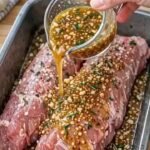
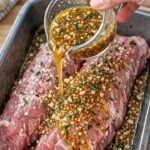
- Make the Marinade (10 minutes): In a medium bowl, whisk together ⅓ cup extra-virgin olive oil, 3 tbsp fresh lemon juice, 1 tbsp lemon zest, 2 tbsp Dijon mustard, 2 tbsp smoked paprika, 1½ tbsp brown sugar, 2 tsp dried oregano, 1½ tsp dried thyme, 1½ tsp kosher salt, 1 tsp freshly ground black pepper, and 4 large cloves garlic (finely minced). Whisk vigorously for 60 seconds until thick, glossy, and fully emulsified—no oil separation.
- Marinate Strategically (Minimum 2 hours, Ideally 12–24 hours): Place chicken legs in a large resealable bag or shallow non-reactive dish. Pour marinade over, turning to coat every surface. Massage gently to ensure coverage under skin and into crevices. Seal and refrigerate. *Critical Note:* Do not exceed 48 hours—acidic components will begin to break down muscle fibers, resulting in undesirable texture. For best results, flip bag halfway through marinating time.
- Preheat & Prep Oven (10 minutes before baking): Position oven rack in the lower third. Preheat to 425°F (220°C)—not higher, not lower. This precise temperature balances rapid surface drying (for crisp skin) with gentle internal cooking (to preserve juiciness). Line a heavy-duty rimmed baking sheet with parchment paper (not wax paper!) and place a wire cooling rack on top—this elevates legs for 360° air circulation and prevents steaming on the bottom.
- Pat Dry & Season (5 minutes): Remove legs from marinade; discard used marinade (never reuse raw poultry marinade). Pat *aggressively dry* again with fresh paper towels—this is the single most important step for achieving crackling skin. Lightly sprinkle additional smoked paprika and a pinch of flaky sea salt over tops for visual appeal and flavor reinforcement.
- Bake (Initial Phase – 35 minutes): Arrange legs skin-side up on the wire rack. Bake uncovered at 425°F for 35 minutes. Do not open the oven door during this phase—temperature fluctuations hinder skin dehydration and browning.
- Flip & Finish Crisp (15 minutes): Carefully flip each leg using tongs (skin side down). Reduce oven temperature to 400°F (200°C). Continue baking for 15 minutes. This second phase renders remaining fat, crisps the underside, and ensures even doneness throughout. Legs should register 175°F (80°C) in the thickest part of the thigh (avoiding bone) when tested with an instant-read thermometer.
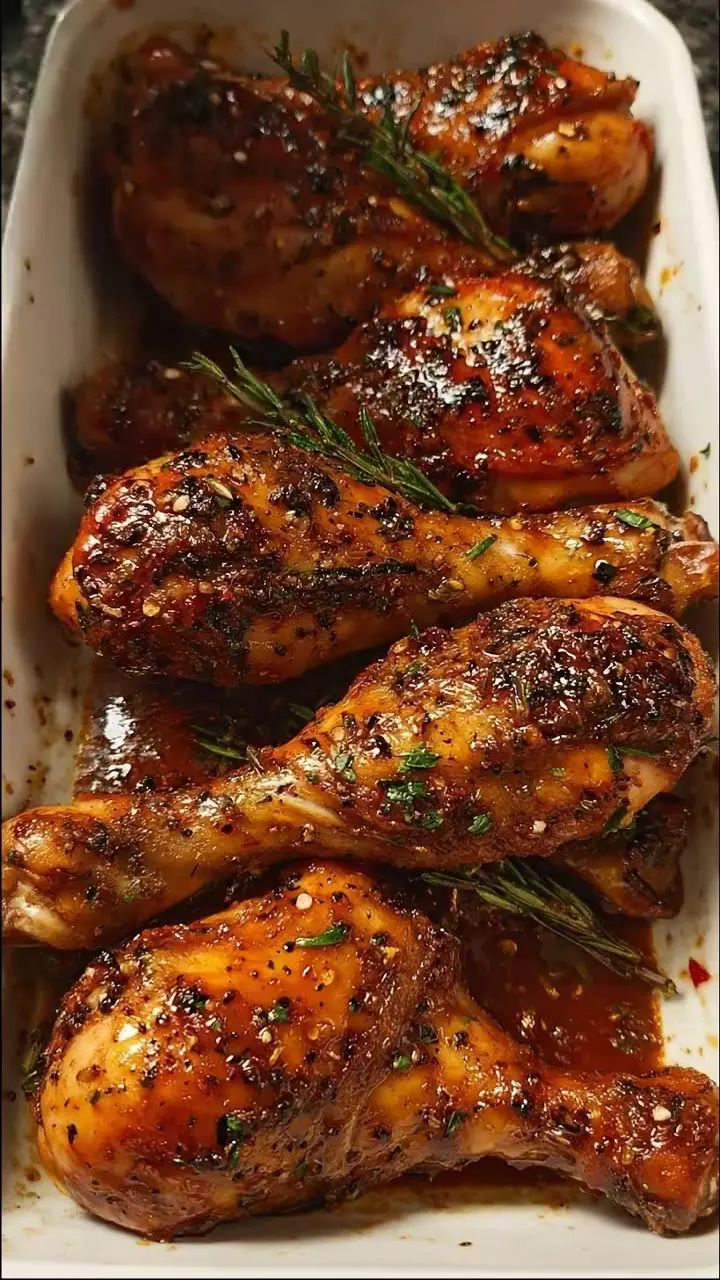
- Rest & Serve (10 minutes): Transfer legs to a clean wire rack or plate. Tent *loosely* with foil—never seal tightly, which traps steam and softens skin. Rest for full 10 minutes. This allows juices to redistribute from muscle fibers back into the meat, resulting in succulent, non-drippy bites. Serve immediately while skin is still audibly crisp.
Tips
- Temperature Is Truth: Invest in a reliable instant-read thermometer. Visual cues (golden color, clear juices) are unreliable. Dark meat is safe and optimally tender at 175°F—not 165°F (the USDA minimum for white meat). Undercooking risks illness; overcooking dries out thighs irreversibly.
- Skin-Side Up First, Then Down: Starting skin-side up maximizes initial contact with radiant heat for blistering and drying. Flipping mid-bake ensures both sides benefit from convection and fat rendering—unlike roasting whole birds where only one side contacts hot air.
- Room Temp Isn’t Required—But It Helps: Taking legs out of the fridge 20–30 minutes before baking reduces thermal shock, promoting even cooking. However, do *not* leave them at room temp longer than 30 minutes for food safety.
- Parchment > Foil: Aluminum foil reflects heat unevenly and can cause steaming. Parchment is inert, non-stick, and allows proper airflow. If using foil, crimp edges upward to create a “moat” for rendered fat to pool away from legs.
- Wire Rack Is Non-Negotiable: Baking directly on a sheet pan creates a steam pocket underneath, yielding soggy skin. A rack lifts legs, enabling hot air to circulate freely and fat to drip away—essential for true crispness.
- Don’t Skimp on Drying: Every gram of surface moisture requires energy to evaporate—delaying browning. Patting twice (pre- and post-marinate) is worth the extra 2 minutes.
- Broil Sparingly (Only If Needed): If skin isn’t crisp enough after Step 7, switch oven to broil (high) for 60–90 seconds—watch constantly! Broiling burns easily. Use only as a final polish, never as a primary method.
- Save the Pan Juices: After resting, pour accumulated drippings into a small saucepan. Skim excess fat, then simmer 2 minutes with 1 tsp lemon juice and ½ tsp Dijon. Drizzle over finished legs for glossy, flavorful finish.
Variations and Customizations
This foundational marinade is infinitely adaptable—without sacrificing structural integrity or moisture retention. Here are rigorously tested, chef-approved variations grouped by global inspiration and dietary need:
Global Flavor Profiles
- Korean-Inspired Gochujang Glaze: Replace Dijon and brown sugar with 3 tbsp gochujang, 1 tbsp rice vinegar, 1 tbsp toasted sesame oil, 1 tsp grated ginger, and 1 tsp honey. Add 1 tsp toasted sesame seeds post-bake.
- Mediterranean Lemon-Herb: Omit smoked paprika and brown sugar. Double lemon zest and juice. Add 1 tbsp chopped fresh rosemary, 2 tbsp chopped parsley, and ¼ cup crumbled feta *after* baking.
- Indian Tandoori-Style: Replace oregano/thyme with 1 tbsp garam masala, 1 tsp ground cumin, 1 tsp ground coriander, and ½ tsp cayenne. Add ¼ cup plain full-fat yogurt to marinade for tenderizing lactic acid. Marinate 6–8 hours max.
- Latin Adobo Dry-Rub: Skip liquid marinade entirely. Rub legs with 2 tbsp ancho chili powder, 1 tbsp ground cumin, 1 tsp dried oregano, 1 tsp garlic powder, 1 tsp onion powder, 1 tsp smoked paprika, 1 tsp salt, and ½ tsp black pepper. Bake same method.
- Japanese Yuzu-Soy: Replace lemon with 2 tbsp yuzu juice (or 1 tbsp lime + 1 tbsp orange juice), omit sugar, and add 2 tbsp low-sodium tamari, 1 tsp grated daikon radish, and 1 tsp mirin. Garnish with shiso leaves.
Dietary Adaptations
- Lower-Sugar/Keto: Omit brown sugar. Replace with 1 tsp monk fruit blend + ½ tsp apple cider vinegar to mimic Maillard complexity. Increase smoked paprika to 3 tbsp for depth.
- Gluten-Free: Ensure Dijon mustard and tamari (if used) are certified GF. Most major brands are, but always verify labels.
- Dairy-Free/Vegan Alternative: While chicken is inherently animal-based, for plant-based parallels: use king oyster mushroom “legs” or seitan cut into drumstick shapes, marinated identically and baked at 400°F for 25–30 minutes.
- Low-Sodium: Reduce salt to 1 tsp and boost flavor with 1 tsp celery seed, 1 tsp onion powder, and extra lemon zest (2 tbsp). Rinse legs briefly before marinating to remove surface sodium.
Cooking Method Swaps
- Air Fryer Version: Marinate as directed. Preheat air fryer to 400°F. Arrange legs in single layer (don’t overcrowd). Cook 25 minutes, flip, cook 10 more minutes. No flipping needed if using rotating basket model.
- Slow Roast for Ultra-Tender: Marinate overnight. Roast at 275°F for 2.5–3 hours until fork-tender. Finish under broiler 2 minutes for skin crispness.
- Grill-Baked Hybrid: Sear legs over direct medium-high heat 3 mins/side. Transfer to preheated 375°F oven for 30 minutes to finish.
Health Considerations and Nutritional Value
A single, average-sized (about 120g raw) bone-in, skin-on chicken leg yields approximately:
- Calories: 220–250 kcal
- Protein: 24–27g (complete, high-biological-value protein with all 9 essential amino acids)
- Fat: 13–16g (predominantly heart-healthy monounsaturated and saturated fats; skin contributes ~60% of total fat)
- Carbohydrates: 2–3g (from brown sugar and natural glycogen)
- Vitamins & Minerals: Excellent source of niacin (B3), vitamin B6, selenium, zinc, and phosphorus. Contains heme iron (highly bioavailable) and choline—critical for brain and liver health.
Health Notes & Smart Choices:
- Skin-On vs. Skin-Off: Keeping skin on triples vitamin D content and provides collagen precursors (glycine, proline) beneficial for joint and gut health. Removing skin *before* baking sacrifices flavor, moisture, and nutrition—though trimming visible excess fat reduces saturated fat by ~20%.
- Marinade Benefits: Lemon juice enhances non-heme iron absorption from plant sides (e.g., roasted broccoli). Garlic’s allicin supports cardiovascular health and exhibits antimicrobial properties. Smoked paprika’s capsaicin may modestly support metabolism.
- Sodium Awareness: Our recipe contains ~420mg sodium per serving—well within FDA daily limits (<2,300mg). For hypertension management, reduce salt by half and emphasize herbs, citrus, and spice blends.
- Acrylamide Risk? Negligible. Acrylamide forms primarily in starchy foods (potatoes, bread) above 248°F. Chicken legs contain no significant reducing sugars or asparagine, making them acrylamide-free.
- Food Safety Reminder: Always marinate in the refrigerator (≤40°F), never at room temperature. Discard used marinade. Wash hands, utensils, and surfaces thoroughly after handling raw poultry to prevent cross-contamination.
Ingredients
- 1.5–2 lbs (6–8 pieces) bone-in, skin-on chicken legs (drumstick + thigh attached)
- ⅓ cup extra-virgin olive oil
- 3 tablespoons fresh lemon juice (about 1 large lemon)
- 1 tablespoon finely grated lemon zest
- 2 tablespoons Dijon mustard (stone-ground preferred)
- 2 tablespoons smoked paprika (authentic Spanish pimentón)
- 1½ tablespoons packed light or dark brown sugar
- 2 teaspoons dried oregano (preferably Greek or Mexican)
- 1½ teaspoons dried thyme leaves
- 1½ teaspoons Diamond Crystal kosher salt (or 1 tsp table salt)
- 1 teaspoon freshly ground black pepper
- 4 large garlic cloves, finely minced (about 1 tbsp)
- Optional garnish: flaky sea salt, fresh parsley, lemon wedges
Directions
- Thoroughly pat chicken legs dry with paper towels—inside the cavity, under the skin flap, and all surfaces. Place on a wire rack set over a rimmed baking sheet.
- In a medium bowl, whisk together olive oil, lemon juice, lemon zest, Dijon mustard, smoked paprika, brown sugar, oregano, thyme, kosher salt, black pepper, and minced garlic until smooth and emulsified (about 60 seconds).
- Place chicken legs in a large resealable plastic bag or shallow glass dish. Pour marinade over, turning to coat completely. Massage marinade into all crevices and under skin. Seal or cover and refrigerate for at least 2 hours—or ideally, 12–24 hours—flipping bag halfway through.
- Preheat oven to 425°F (220°C). Line a heavy-duty rimmed baking sheet with parchment paper and set a wire cooling rack on top.
- Remove legs from marinade (discard used marinade). Pat *extremely dry* again with fresh paper towels. Arrange skin-side up on wire rack.
- Bake at 425°F for 35 minutes without opening oven door.
- Carefully flip legs skin-side down using tongs. Reduce oven temperature to 400°F (200°C). Bake 15 minutes more.
- Check internal temperature: insert instant-read thermometer into thickest part of thigh (avoiding bone). It should read 175°F (80°C). If not, return to oven in 2-minute increments.
- Transfer legs to a clean wire rack or plate. Loosely tent with foil and rest 10 minutes.
- Serve warm, garnished with flaky salt, parsley, and lemon wedges. Optional: drizzle with reduced pan drippings (simmer drippings 2 minutes with 1 tsp lemon juice and ½ tsp Dijon).
FAQ
- Can I use boneless, skinless chicken thighs instead?
- Yes—but adjust time and technique. Boneless thighs cook faster (20–25 mins at 425°F) and lack the structural support of bone, so they’re prone to drying. Keep skin on if possible, and reduce marinating time to 30–60 minutes to prevent acid-induced mushiness.
- Why does my chicken skin stay rubbery instead of crispy?
- Three main causes: (1) Inadequate drying before marinating or before baking, (2) Baking on a flat sheet without elevation (causing steaming), (3) Oven temperature too low or door opened too soon. Follow the double-pat-dry and wire-rack steps religiously.
- Can I freeze marinated chicken legs?
- Absolutely. Place marinated legs in a freezer-safe bag, press out air, label, and freeze up to 3 months. Thaw overnight in the refrigerator before baking—do not bake from frozen.
- Is it safe to marinate for 48 hours?
- No. Due to the lemon juice and mustard, marinating beyond 24 hours begins to break down proteins excessively, leading to mealy, unappealing texture. Stick to 2–24 hours for optimal safety and quality.
- What sides pair best with baked chicken legs?
- Classic pairings include garlic-herb roasted potatoes, lemon-dill quinoa salad, charred broccolini, creamy polenta, or a vibrant Mediterranean chopped salad. For low-carb: cauliflower mash or sautéed spinach with pine nuts.
- Can I make this in a convection oven?
- Yes—with adjustment. Reduce temperature by 25°F (so 395°F → 370°F) and check 5 minutes earlier. Convection accelerates drying and browning—ideal for skin, but risky for overcooking.
- How do I reheat leftovers without losing crispness?
- Avoid the microwave. Instead, place legs on a wire rack over a sheet pan and reheat in a 400°F oven for 12–15 minutes until heated through and skin re-crisps. Air fryer: 375°F for 6–8 minutes.
- Can I use bottled lemon juice?
- Fresh is strongly recommended for brightness and volatile oils. Bottled juice lacks zest’s aromatic compounds and often contains preservatives that mute flavor. If unavoidable, use 100% pure, refrigerated bottled juice—not “lemonade” or “juice cocktail.”
Summary
Baked chicken legs with our scientifically optimized, globally inspired marinade deliver restaurant-worthy crisp skin, fall-off-the-bone tenderness, and layered, aromatic depth—all achievable in under an hour of active time and zero specialty equipment. By honoring the physics of browning, the biochemistry of marination, and centuries of cross-cultural wisdom, this recipe transforms affordable, accessible ingredients into a nourishing, deeply satisfying centerpiece worthy of any table.
Whether you follow it precisely or adapt it to your pantry, palate, or dietary needs, this method guarantees juicy, flavorful, golden-brown chicken legs every single time—because great cooking isn’t magic. It’s knowledge, care, and respect for the humble, extraordinary chicken leg.