Introduction
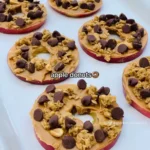
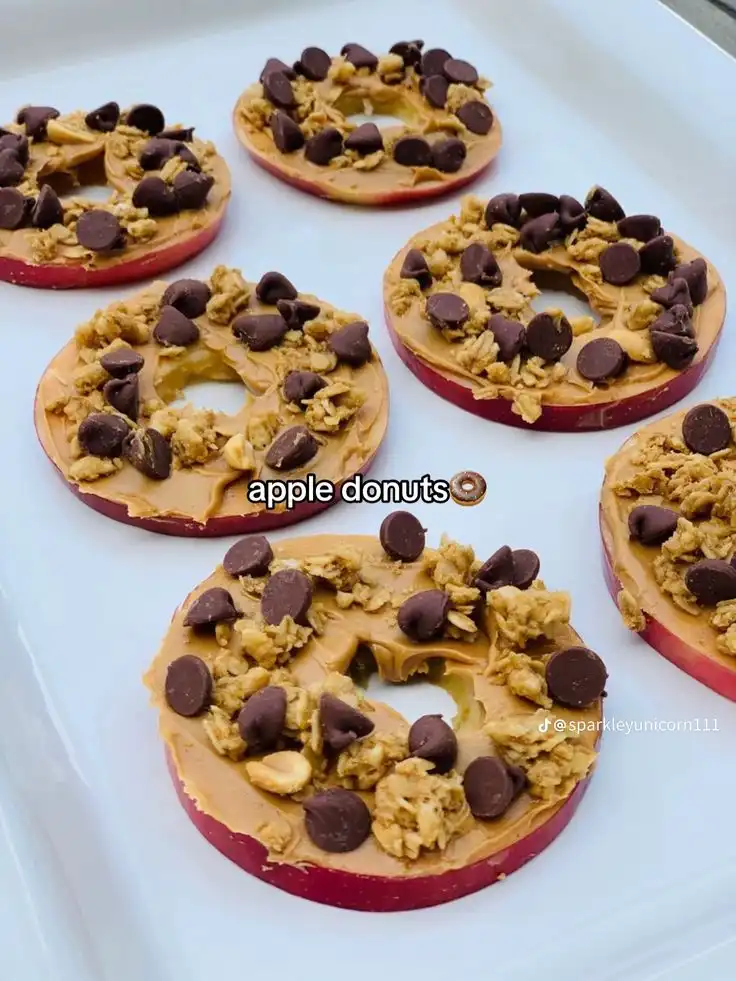
Apple donuts are a beloved seasonal treat that beautifully marries the crisp, sweet-tart essence of fresh apples with the comforting warmth of spiced, cakey dough—often crowned with cinnamon-sugar glazes, maple icing, or caramel drizzles. Unlike traditional yeast-raised donuts, most apple donuts are baked (though fried versions exist), making them approachable for home bakers and ideal for autumnal gatherings, school bake sales, farmers’ markets, or cozy weekend breakfasts. Their nostalgic charm lies in their rustic simplicity: tender crumb studded with juicy apple bits, fragrant with warm spices like cinnamon, nutmeg, and clove, and finished with textures that range from crunchy sugar crusts to glossy, velvety glazes. Whether inspired by classic New England orchard traditions or modern café interpretations, apple donuts evoke harvest joy, homemade authenticity, and timeless flavor harmony.
The History
The origins of apple donuts stretch back centuries—long before the modern doughnut shop—and are deeply rooted in resourceful, agrarian baking traditions across Europe and colonial America. In 17th- and 18th-century England and the Netherlands, “apple fritters” were among the earliest precursors: battered apple chunks deep-fried in lard or butter and dusted with sugar—a technique brought to the American colonies by early settlers. By the mid-1800s, as apple cultivation flourished in regions like upstate New York, Vermont, and Pennsylvania, home cooks began incorporating grated or finely diced apples directly into quick-bread-style batter, then baking or frying small portions in cast-iron skillets or Dutch ovens. The term “donut” (later standardized as “doughnut”) appeared in print as early as 1809 in Washington Irving’s A History of New York, referencing Dutch “olykoeks” (oily cakes) often stuffed with apple or plum. Regional variations soon emerged: Pennsylvania Dutch apple “fasnachts” (yeast-risen, fried, and dusted with cinnamon sugar), Maine’s cider-infused baked apple rings, and Midwest “apple cider donuts”—a direct evolution using reduced, spiced apple cider to intensify flavor and moisture. The iconic apple cider donut, now synonymous with fall festivals and orchard stands, gained national prominence in the 1950s–60s as agritourism grew and roadside cider mills began offering freshly fried treats alongside pressed juice. Today, apple donuts symbolize more than just dessert—they’re edible heirlooms, connecting generations through shared harvest rituals and culinary ingenuity.
Ingredients Breakdown
Understanding each ingredient’s role ensures consistent, flavorful results—and empowers smart substitutions. Below is a comprehensive, function-driven analysis:
- All-Purpose Flour (or Whole Wheat Pastry Flour Blend): Provides structure and tenderness. Too much leads to toughness; too little yields collapse. For optimal crumb, many bakers use a blend (e.g., ¾ cup all-purpose + ¼ cup whole wheat pastry flour) to add nuttiness without density.
- Granulated Sugar: Sweetens, aids browning (via Maillard reaction), and tenderizes by inhibiting gluten formation. Brown sugar may replace up to half for molasses depth and extra moisture retention.
- Baking Powder & Baking Soda: Dual leavening agents—baking powder provides primary lift, while baking soda neutralizes acidity (from buttermilk, cider, or apples) and enhances browning and spread. Never omit or substitute one for the other without recalculating pH balance.
- Ground Spices (Cinnamon, Nutmeg, Allspice, Clove, Ginger): Not mere accents—they’re flavor amplifiers that complement apple’s natural esters. Freshly ground spices yield exponentially more volatile oils and aroma. Cinnamon dominates, but nutmeg adds warmth, allspice lends complexity, clove offers pungent sweetness, and ginger brings bright, zesty lift.
- Salt (Fine Sea Salt or Kosher): Critical for balancing sweetness and enhancing all other flavors—even in small amounts (¼–½ tsp). It also strengthens gluten slightly for better crumb integrity.
- Eggs (Large, Room Temperature): Bind ingredients, contribute richness, emulsify fats, and add structure via proteins. Extra yolks deepen color and tenderness; whites increase lift but can dry if overused.
- Butter (Unsalted, Melted & Cooled or Browned): Adds flavor, moisture, and flakiness. Browned butter introduces nutty, caramelized notes that pair exquisitely with apples. Clarified butter may be used for higher smoke point in frying applications.
- Apples (Granny Smith, Honeycrisp, Braeburn, or Fuji): The star. Tart varieties (Granny Smith) hold shape and contrast sweetness; sweeter types (Honeycrisp) add juiciness but require less added sugar. Always peel, core, and dice or grate finely—larger pieces sink or create steam pockets. Tossing in lemon juice prevents browning and preserves brightness.
- Liquid Base (Buttermilk, Apple Cider, Sour Cream, or Yogurt): Adds acidity (for leavening activation), tenderness, and tang. Buttermilk is classic; reduced apple cider (simmered to ¼ original volume) intensifies apple flavor and adds natural sugars for caramelization. Sour cream boosts richness and moisture without thinning batter.
- Vanilla Extract (Pure, Not Imitation): Enhances aromatic complexity and rounds out spice notes. Mexican or Tahitian vanilla adds floral dimensions; Madagascar offers classic creamy warmth.
- Optional Add-Ins: Toasted walnuts or pecans (for crunch and earthiness), crystallized ginger (for spicy-sweet pop), dried cranberries (for tart bursts), or a splash of Calvados or apple brandy (for sophisticated depth).
Step-by-Step Recipe
- Prep Work (15 minutes): Preheat oven to 350°F (175°C) for baked donuts—or heat oil to 350–365°F (175–185°C) for fried. Generously grease a standard 6-cavity donut pan with nonstick spray or butter + flour (for baked); line cooling racks with parchment. Peel, core, and finely dice 2 medium apples (about 1 ½ cups). Toss with 1 tsp lemon juice and set aside. Measure and whisk all dry ingredients (flour, sugars, leaveners, spices, salt) in a large bowl until fully homogenous—no streaks of spice or clumps of baking powder.
- Wet Ingredients (5 minutes): In a separate medium bowl, whisk eggs until lightly frothy. Whisk in melted (and slightly cooled) butter, buttermilk (or reduced cider), vanilla, and any liquid add-ins (e.g., brandy). Ensure butter isn’t hot enough to cook the eggs—lukewarm is ideal.
- Combining (2 minutes): Pour wet mixture into dry ingredients. Use a silicone spatula to fold gently—just until no dry flour remains. Do NOT overmix; 10–12 folds max. Overmixing develops gluten, causing toughness and tunneling. Batter should be thick, scoopable, and slightly lumpy—this is perfect.
- Folding in Apples (1 minute): Gently fold in diced apples (and any optional nuts or dried fruit) with 2–3 light strokes. Avoid crushing apple pieces—preserve their integrity for texture and moisture pockets.
- Filling the Pan or Portioning (3 minutes): For baked donuts: Spoon ~⅓ cup batter per cavity (fill ¾ full). Smooth tops lightly with damp finger or offset spatula. For fried donuts: Scoop heaping tablespoonfuls onto parchment, then refrigerate 10 minutes to firm—this prevents spreading in hot oil.
- Baking (12–15 minutes): Bake on center rack until donuts spring back when lightly touched and a toothpick inserted in the thickest part comes out clean (no wet batter—crumbs are fine). Rotate pan halfway for even browning. Cool in pan 3 minutes, then invert onto wire rack to cool completely before glazing (if desired).
- Frying (2–3 minutes per batch): Carefully lower 2–3 chilled donut portions into hot oil using a slotted spoon or spider strainer. Fry 1–1.5 minutes per side until deep golden brown and puffed. Transfer to paper towel–lined rack; drain 1 minute. Repeat, maintaining oil temperature (reheat between batches).
- Cooling & Glazing (5–10 minutes): Let donuts cool to just-warm (100–110°F)—too hot melts glaze; too cold prevents adhesion. Dip tops into glaze, tap off excess, and place glazed-side-up on rack to set. Optional: Sprinkle with cinnamon sugar, chopped nuts, or flaky sea salt immediately after glazing.
Tips
- Apple Selection Matters: Use firm, underripe apples—not soft or mealy ones. If Granny Smith is unavailable, mix tart (Rome Beauty) and sweet (Gala) for balanced flavor and texture.
- Moisture Control: After dicing, pat apples *very* dry with paper towels. Excess water dilutes batter, leading to gummy centers or collapsed donuts.
- Room-Temperature Ingredients: Cold eggs or buttermilk cause butter to seize and create uneven emulsion—leading to dense, greasy donuts.
- Don’t Skip the Rest: Letting batter rest 10–15 minutes allows flour to fully hydrate and gluten to relax—yielding more tender, uniform crumb.
- Oil Temperature is Non-Negotiable: Use a deep-fry thermometer. Oil below 350°F absorbs into donuts, making them greasy; above 375°F burns exteriors before interiors cook.
- Glaze Consistency is Key: For dipping, glaze should coat the back of a spoon thickly but drip slowly. Too thin? Add more powdered sugar. Too thick? Add liquid ½ tsp at a time (milk, cider, or maple syrup).
- Storage Wisdom: Store unfrosted donuts in an airtight container at room temp up to 2 days—or freeze unglazed donuts for 3 months. Thaw overnight, then glaze fresh. Frosted donuts lose texture quickly; best enjoyed same-day.
- Batch Testing: Bake or fry one test donut first. Adjust seasoning, spice level, or sweetness before committing entire batch.
- Pan Choice: Silicone donut pans offer easy release but may bake slower; metal conducts heat faster but requires meticulous greasing. For ultra-crisp fried donuts, use a heavy-bottomed Dutch oven for stable temperature.
- Altitude Adjustments: Above 3,000 ft? Reduce baking powder by ⅛ tsp, increase liquid by 1–2 tbsp, and raise oven temp by 15–25°F to counteract faster evaporation and weaker leavening.
Variations and Customizations
Apple donuts are a canvas for creativity—whether adapting to dietary needs, seasonal produce, global flavors, or festive occasions. Here’s an expansive guide to inspired transformations:
- Vegan Apple Donuts: Replace eggs with flax eggs (1 tbsp ground flax + 2.5 tbsp water per egg), dairy milk with unsweetened oat or soy milk, butter with refined coconut oil or vegan butter, and buttermilk with lemon-spiked plant milk. Use aquafaba (3 tbsp per egg) for lift in fried versions.
- Gluten-Free Apple Donuts: Use a certified GF 1:1 baking blend (like Bob’s Red Mill or King Arthur) *with xanthan gum included*. Add ¼ tsp additional xanthan gum if blend lacks it. Increase liquid by 1–2 tbsp—GF flours absorb more. For fried donuts, add 1 tsp psyllium husk powder to improve elasticity.
- Protein-Packed Apple Donuts: Substitute ¼ cup of flour with unflavored whey or plant-based protein powder. Add 2 tbsp almond butter or tahini for richness and binding. Reduce sugar slightly to balance.
- Spiced Chai Apple Donuts: Infuse milk or cider with black tea, cardamom, ginger, cinnamon, cloves, and star anise (steep 10 min, strain). Replace ground spices with 1 tsp pre-made chai spice blend + pinch of black pepper.
- Maple-Bourbon Apple Donuts: Replace ¼ cup liquid with pure maple syrup and add 1 tbsp aged bourbon to wet mix. Glaze with maple-bourbon icing (powdered sugar + warm maple syrup + bourbon + pinch of salt).
- Apple-Cranberry-Oat Donuts: Fold in ⅓ cup dried cranberries (soaked in orange juice) and ¼ cup old-fashioned oats. Top with oat-cinnamon streusel before baking.
- Apple-Rosemary Donuts: Add 1 tbsp finely minced fresh rosemary to dry ingredients. Pair with honey-rosemary glaze (warm honey + lemon zest + rosemary-infused milk).
- Apple Butter Donuts: Replace ¼ cup butter with rich, spiced apple butter—adds intense apple flavor and natural pectin for moistness. Reduce added sugar by 2 tbsp.
- Mini Apple Donut Holes: Pipe batter into mini muffin tins (¾ full) or use a small cookie scoop for fried versions. Bake 9–11 minutes or fry 60–90 seconds. Perfect for parties or portion control.
- Apple Pie Donuts: Fill center of each donut with 1 tsp spiced apple pie filling before baking or frying. Or pipe cinnamon-apple jam into cooled donuts using a piping bag fitted with a narrow tip.
- Everything Bagel Apple Donuts (Savory-Sweet): Omit cinnamon/sugar; add 1 tsp garlic powder, 1 tsp onion powder, 1 tbsp everything bagel seasoning, and 2 tbsp grated sharp cheddar. Top with scallions and flaky salt.
- Matcha-Apple Donuts: Replace 1 tbsp flour with ceremonial-grade matcha. Balance with extra 1 tbsp honey and white chocolate drizzle.
- Holiday Spice Donuts: Add 1 tsp orange zest, 2 tbsp candied ginger, and replace cinnamon with pumpkin pie spice. Glaze with eggnog icing (powdered sugar + warmed eggnog + rum extract).
- Apple Fritter Donuts (Hybrid Style): Increase apple to 2 cups, add ½ cup chopped pecans, and fry in larger, irregular shapes. Toss hot fritters in cinnamon-sugar instead of glazing.
- Overnight Apple Donut Waffles: Prepare batter night before; refrigerate. In the morning, pour into waffle iron for crisp-edged, fluffy apple waffles—top with maple syrup and sautéed apples.
Health Considerations and Nutritional Value
While apple donuts are inherently indulgent, mindful preparation can enhance nutritional merit without sacrificing pleasure. A standard baked apple donut (approx. 3.5″ diameter, ~65g) made with whole ingredients contains roughly:
- Calories: 180–220 kcal (varies with glaze, nuts, frying oil)
- Carbohydrates: 28–34g (including 12–16g naturally occurring sugars from apples + added sugars)
- Fiber: 1.5–2.5g (boosted significantly with whole grain flour, oats, or added apple skin—often discarded but rich in pectin and quercetin)
- Protein: 3–4g (enhance with Greek yogurt in batter, egg whites, or nut flours)
- Fat: 7–9g (mostly unsaturated if using heart-healthy oils like avocado or light olive oil in baking; saturated if using butter or palm oil in frying)
- Vitamins & Minerals: Notable sources of Vitamin C (from raw apples and lemon juice), potassium (apples), calcium (buttermilk or fortified plant milk), iron (molasses in brown sugar or blackstrap syrup), and polyphenols (quercetin and chlorogenic acid in apple skins—linked to antioxidant, anti-inflammatory, and blood sugar–modulating effects).
Key Health Notes:
- Glycemic Impact: Apples contain fructose and fiber, which slow glucose absorption—but added sugars (especially refined white sugar) elevate glycemic load. Using 50% coconut sugar (lower GI), monk fruit blend, or date paste reduces spikes. Pairing with protein/fat (e.g., almond butter glaze) further stabilizes blood sugar.
- Gluten Sensitivity: Traditional recipes contain gluten. Certified GF options are safe for celiac disease—but verify all spices, baking powder, and glaze ingredients are GF-labeled (cross-contamination is common).
- Fat Quality Matters: Fried donuts absorb oil—choosing high-oleic sunflower, avocado, or rice bran oil (high smoke point, neutral flavor, rich in monounsaturated fats) is far healthier than hydrogenated shortenings or reused oil (which forms harmful aldehydes).
- Sodium Awareness: Most recipes contain modest sodium (120–180mg), but store-bought glazes or pre-mixed spices may add hidden salt. Opt for low-sodium baking powder and skip added salt if using salted butter.
- Phytonutrient Boost: Leaving apple peels on (organic preferred) triples quercetin content—a flavonoid shown in studies to support lung health, reduce allergy symptoms, and improve endothelial function.
- Digestive Considerations: Apples provide pectin, a prebiotic fiber feeding beneficial gut bacteria. However, excessive fructose (especially with FODMAP sensitivity) may trigger bloating—limit to 1 medium apple per serving and pair with ginger or fennel seed in batter.
- Kid-Friendly Adaptations: Reduce added sugar by 25%, boost apple to 1 ¾ cups, add mashed banana for natural sweetness and binding, and top with yogurt-based glaze instead of powdered sugar.
Remember: Nutrition is contextual. Enjoying apple donuts mindfully—as part of a varied, whole-food diet—supports both physical and emotional well-being. Their homemade nature means zero preservatives, artificial colors, or trans fats—making them a far superior choice to highly processed commercial alternatives.
Ingredients
- 2 cups (250g) all-purpose flour (or 1¾ cups AP + ¼ cup whole wheat pastry flour)
- ¾ cup (150g) granulated sugar (plus ½ cup for cinnamon-sugar coating, if frying)
- ½ cup (100g) light brown sugar, packed
- 2 tsp baking powder
- ½ tsp baking soda
- 1 ½ tsp ground cinnamon
- ¼ tsp freshly grated nutmeg
- ¼ tsp ground allspice
- ⅛ tsp ground cloves
- 1 tsp fine sea salt
- 2 large eggs, room temperature
- ⅔ cup (160ml) buttermilk, room temperature (or ⅔ cup milk + 2 tsp lemon juice, rested 5 min)
- ⅓ cup (75g) unsalted butter, melted and cooled (or browned and cooled)
- 2 medium apples (about 1 ½ cups, 200g), peeled, cored, and finely diced (Granny Smith or Honeycrisp recommended)
- 1 tbsp fresh lemon juice (for tossing apples)
- 1 ½ tsp pure vanilla extract
- Optional: ½ cup chopped toasted walnuts or pecans
For Classic Cinnamon-Sugar Coating (Fried):
½ cup (100g) granulated sugar
1 ½ tsp ground cinnamon
2 tbsp unsalted butter, melted (for brushing)
For Maple-Cinnamon Glaze (Baked):
1 ½ cups (180g) powdered sugar
2–3 tbsp pure maple syrup (warmed)
1–2 tsp milk or apple cider (as needed for consistency)
¼ tsp salt
½ tsp vanilla extract
Directions
- Preheat oven to 350°F (175°C). Generously grease a 6-cavity standard donut pan with nonstick baking spray or butter + flour. Set aside. (Skip this step if frying.)
- In a large bowl, whisk together flour, granulated sugar, brown sugar, baking powder, baking soda, cinnamon, nutmeg, allspice, cloves, and salt until no lumps remain and spices are evenly distributed.
- In a medium bowl, whisk eggs until frothy. Whisk in buttermilk, melted (and cooled) butter, vanilla, and lemon juice until smooth and emulsified.
- Pour wet ingredients into dry ingredients. Using a silicone spatula, gently fold until *just combined*—do not overmix. Batter will be thick and slightly lumpy. Let rest 10 minutes.
- Toss diced apples with 1 tbsp lemon juice. Gently fold apples (and optional nuts) into batter with 2–3 strokes—do not overwork.
- For baked donuts: Spoon ~⅓ cup batter into each donut cavity (fill no more than ¾ full). Smooth tops lightly. Bake 12–15 minutes, rotating pan halfway, until tops spring back and a toothpick comes out clean.
- For fried donuts: Scoop 2-tbsp portions onto parchment. Refrigerate 10 minutes to firm. Heat oil in heavy pot to 350–365°F (use thermometer). Fry 2–3 donuts at a time, 1–1.5 minutes per side, until deep golden. Drain on paper towels.
- Cool baked donuts in pan 3 minutes, then invert onto wire rack to cool completely (15–20 min) before glazing. For fried donuts, cool 5 minutes before coating.
- Prepare glaze or coating: For cinnamon-sugar, melt butter; brush warm donuts, then roll in sugar-spice mix. For maple glaze, whisk powdered sugar, warm maple syrup, milk/cider, salt, and vanilla until smooth and dip-top.
- Serve same-day for best texture. Store unfrosted donuts in airtight container at room temperature up to 48 hours—or freeze for longer storage.
FAQ
- Can I make apple donuts without a donut pan?
- Yes! Use a standard muffin tin (makes apple muffins—bake 18–22 min) or pipe batter into a silicone mold for mini donuts. For fried donuts, no pan is needed—just a deep pot and slotted spoon.
- Why did my apple donuts turn out dense or gummy?
- Most commonly due to overmixing batter (develops gluten), using too much apple without drying it, expired leavening agents, or underbaking. Also check your measuring method—scooping flour packs it; spoon-and-level is essential.
- Can I use apple sauce instead of diced apples?
- You can—but it changes texture dramatically. Replace *only* ½ cup of liquid with unsweetened applesauce, and reduce total liquid by 2 tbsp. Diced apples provide necessary chew and moisture pockets; sauce yields more cake-like, uniform crumb.
- How do I prevent donuts from sticking to the pan?
- Thorough greasing is key: spray + flour works best. For stubborn release, chill filled pan 10 minutes before baking—or use silicone pans lined with parchment circles.
- Can I prepare batter ahead of time?
- Yes—refrigerate unbaked batter up to 24 hours. Stir gently before portioning. Note: Leavening weakens over time, so bake within 12 hours for maximum rise. Do not freeze raw batter.
- What’s the best oil for frying apple donuts?
- Avocado oil (smoke point 520°F), refined coconut oil (450°F), or high-oleic sunflower oil (450°F) are ideal—neutral flavor, high stability, heart-healthier profiles. Avoid olive oil (low smoke point, strong flavor) or unrefined oils.
- Are apple donuts safe for kids?
- Yes—with considerations: ensure apples are finely diced to prevent choking, avoid whole nuts for children under 4, limit added sugar (try half-sugar version), and supervise when eating warm or glazed items.
- Can I air-fry apple donuts?
- Air-frying yields acceptable results but lacks the signature crispness of deep-frying. Spray donut molds with oil, fill, and air-fry at 320°F for 10–12 minutes—rotate halfway. Texture leans cakey, not crispy.
- How do I reheat leftover apple donuts?
- For best texture: 5–8