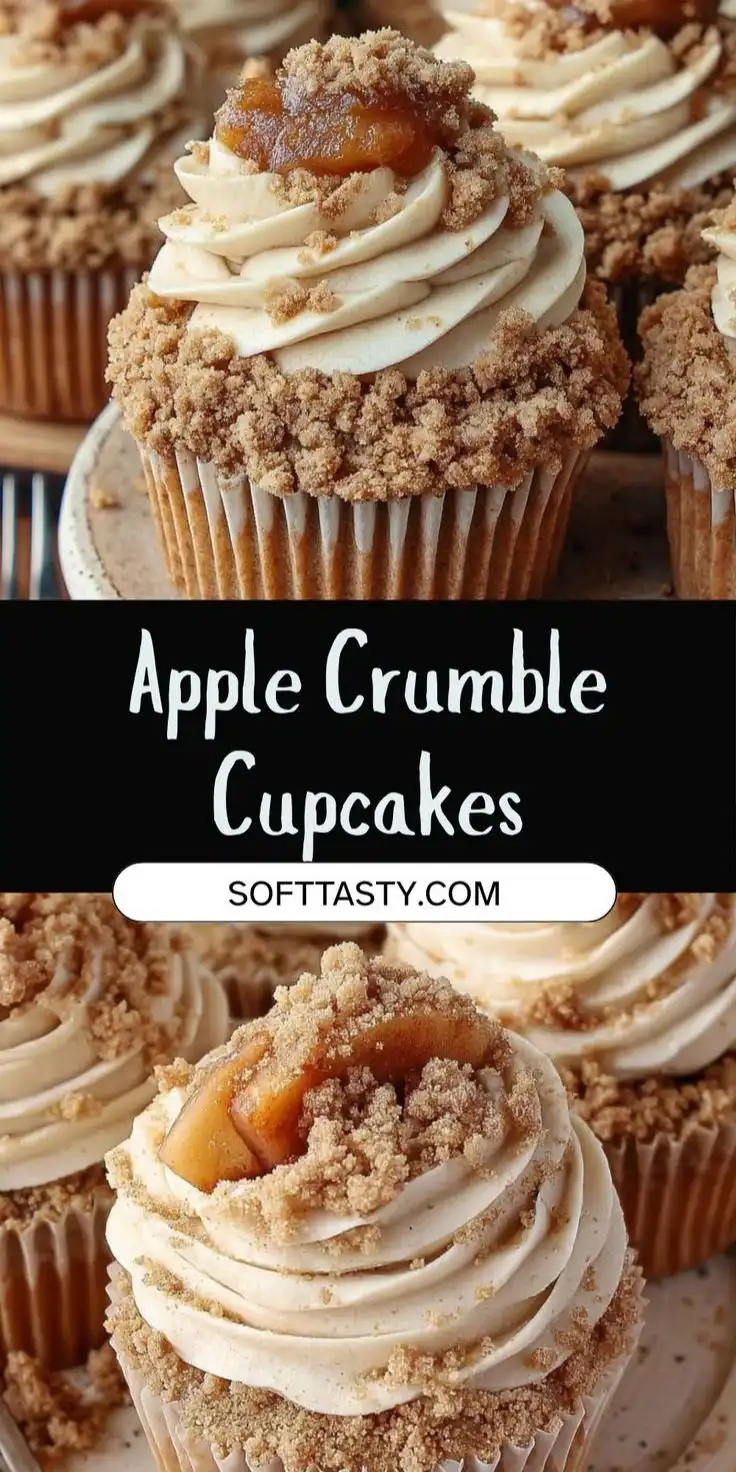
Introduction
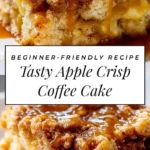
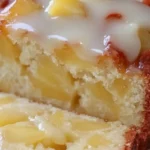
Apple crumble cake is a beloved hybrid dessert that marries the tender, moist crumb of a classic butter cake with the rustic charm and textural contrast of a traditional apple crumble topping. Unlike a standard apple pie—encased in pastry—or a simple crisp—baked without a base—this indulgent treat features a rich, spiced apple filling nestled within a soft, golden cake layer, crowned generously with a buttery, oat-and-brown-sugar crumble. It’s comfort food elevated: warm, fragrant, deeply nostalgic, and endlessly adaptable. Whether served at Sunday brunch, holiday gatherings, afternoon tea, or as a humble weeknight treat with a scoop of vanilla ice cream, apple crumble cake bridges generations and geographies—evoking orchards in autumn, cozy kitchens, and the timeless allure of baked apples.
The History
The origins of apple crumble cake are delightfully layered—much like the dessert itself—emerging from the confluence of two distinct culinary traditions: British wartime baking ingenuity and American cake innovation. The classic apple crumble (or crisp, as it’s known in North America) rose to prominence in the UK during World War II, when rationing limited access to ingredients like eggs, butter, and refined flour. Home bakers turned to oats, brown sugar, and minimal butter to create a sturdy, flavorful topping for stewed apples—a clever, economical alternative to pastry. Meanwhile, American home cooks had long been perfecting spice cakes and fruit-layered sheet cakes, especially in rural and Midwestern communities where apples were abundant and preserving techniques like drying and baking were essential.
By the 1950s and ’60s, as post-war prosperity enabled more generous baking and recipe sharing surged through women’s magazines, community cookbooks, and early television cooking shows, bakers began experimenting with structural hybrids. The “apple upside-down cake” inspired layering, while the popularity of “dump cakes” (minimal-mix desserts relying on canned fruit and boxed cake mix) paved the way for intuitive, forgiving formats. Apple crumble cake likely first appeared in regional church cookbooks—particularly across Appalachia, the Pacific Northwest, and Ontario—where heirloom apples like Rome, Cortland, and Northern Spy were plentiful. Over time, it evolved from a humble “sheet pan special” into a celebrated café menu staple, with artisanal bakeries refining techniques: using sour cream for moisture, incorporating toasted oats and pecans for depth, and balancing spice profiles with freshly grated nutmeg and Calvados-infused fillings. Today, it stands as a testament to resourceful, joyful, and deeply personal baking—a dessert that honors tradition while inviting endless reinvention.
Ingredients Breakdown
Every exceptional apple crumble cake relies on thoughtful ingredient selection—not just for flavor, but for function. Below is an in-depth breakdown of each component, including why it matters, optimal varieties, and common substitutions with caveats:
- Apples (4–5 medium, ~2 lbs / 900g): A blend is ideal—combine tart, firm baking apples (e.g., Granny Smith, Braeburn, or Honeycrisp) with one sweeter, softer variety (e.g., Fuji or Golden Delicious) for balanced flavor and ideal texture. Avoid Red Delicious or Gala alone—they break down too much. Peel or leave skins on depending on preference (peeled yields smoother texture; unpeeled adds fiber, color, and subtle tannic complexity).
- Granulated Sugar (¾ cup for cake batter + ⅔ cup for filling): Provides sweetness, structure, and browning. Reduce by 1–2 tbsp in batter if using very sweet apples or adding maple syrup.
- Packed Light Brown Sugar (1 cup for crumble + ¼ cup for filling): Adds molasses notes, moisture retention, and caramelized depth. Dark brown sugar intensifies flavor but increases moisture—use sparingly unless adjusting flour/oat ratios.
- All-Purpose Flour (1¾ cups total: 1¼ cups for cake + ½ cup for crumble): The structural backbone. For gluten-free versions, use a 1:1 certified GF blend *with xanthan gum*; avoid almond or coconut flours alone—they lack binding strength.
- Oats (1 cup old-fashioned rolled oats, not instant or steel-cut): Essential for crumble texture and chew. Toast them lightly before mixing for enhanced nuttiness. Quick oats work in a pinch but yield a finer, less distinct crunch.
- Unsalted Butter (1 cup / 2 sticks, cold for cake, softened for crumble): Cold butter cut into dry cake ingredients creates flakiness and lift; softened butter binds the crumble into clustery, golden nuggets. European-style (82–84% fat) butter adds richer flavor and superior browning.
- Eggs (3 large, room temperature): Provide emulsification, structure, and leavening. Cold eggs can cause batter to seize; always bring to room temp for uniform mixing.
- Sour Cream or Full-Fat Greek Yogurt (½ cup): Adds acidity, tenderness, and moisture without thinning batter. Buttermilk may substitute (reduce other liquids), but avoid low-fat or non-dairy yogurts—they lack fat content needed for richness.
- Baking Powder (2 tsp) & Baking Soda (½ tsp): Dual-acting leaveners ensure reliable rise and neutralize acidity from apples/sour cream. Always check expiration—old leaveners cause dense, flat results.
- Spices (2 tsp ground cinnamon, ½ tsp ground ginger, ¼ tsp ground nutmeg, pinch of cloves): Warmth without heat. Toast whole spices and grind fresh for unparalleled aroma. Pre-ground loses potency within 6 months.
- Salt (1 tsp fine sea salt): Critical for flavor balance—enhances sweetness and cuts richness. Do not omit or reduce significantly.
- Vanilla Extract (2 tsp pure, not imitation): Deepens warmth and rounds out spice notes. Bourbon-vanilla or Tahitian vanilla adds floral nuance.
- Lemon Juice (1 tbsp) & Zest (from ½ lemon): Brightens the apple filling, prevents browning, and balances sweetness. Bottled juice lacks brightness; always use fresh.
- Optional Enhancements: 2 tbsp calvados, apple brandy, or bourbon (in filling); ¼ cup chopped toasted walnuts or pecans (in crumble); 1 tsp apple butter swirled into batter; a sprinkle of flaky Maldon salt atop crumble before baking.
Step-by-Step Recipe
- Prep & Preheat: Position oven rack in center position. Preheat oven to 350°F (175°C). Generously grease a 9×13-inch metal or light-colored ceramic baking pan; line bottom with parchment paper, leaving 2-inch overhang on two opposite sides for easy removal. Lightly flour pan interior after greasing.
- Prepare Apples: Peel, core, and slice apples ¼-inch thick (not smaller—thin slices turn mushy). Toss immediately in a large bowl with lemon juice, zest, ⅔ cup granulated sugar, ¼ cup brown sugar, 2 tsp cinnamon, ½ tsp ginger, ¼ tsp nutmeg, pinch of cloves, and 1 tbsp all-purpose flour. Let macerate 15 minutes—this draws out juices and seasons fruit evenly.
- Make Cake Batter: In a medium bowl, whisk together 1¼ cups flour, 2 tsp baking powder, ½ tsp baking soda, 1 tsp salt, and remaining 1 tsp cinnamon. In a large bowl, beat softened butter (½ cup / 1 stick), ¾ cup granulated sugar, and 2 tsp vanilla on medium-high until pale and fluffy (~3 min). Add eggs one at a time, beating well after each. Beat in sour cream until fully incorporated. Gradually add dry ingredients in three additions, mixing on low just until no streaks remain—do not overmix. Batter will be thick and glossy.
- Assemble Base Layer: Spread batter evenly into prepared pan using an offset spatula. Smooth top gently—do not press down. It should cover pan completely, ~½-inch thick.
- Add Apple Filling: Drain excess liquid from macerated apples (reserve 2 tbsp for optional glaze). Spoon apples evenly over batter, pressing gently to submerge slightly—do not stir or mix. Distribute juices evenly across surface.
- Prepare Crumble Topping: In a medium bowl, combine 1 cup oats, ½ cup flour, 1 cup brown sugar, ½ tsp cinnamon, and ¼ tsp salt. Cut in cold, cubed butter (½ cup / 1 stick) using a pastry cutter, fork, or fingers until mixture resembles coarse crumbs with some pea-sized clumps. For extra texture, fold in ¼ cup chopped toasted nuts at this stage.
- Top & Texture: Sprinkle crumble evenly over apples. Gently press down with fingertips to adhere—but do not compact. For bakery-style clusters, use a spoon to drop small mounds across surface.
- Bake: Place pan on center rack. Bake 55–65 minutes, rotating halfway through. Cake is done when a toothpick inserted into the *cake layer* (not crumble or apples) comes out clean or with moist crumbs, edges are deeply golden and pulling away from pan, and crumble is crisp and deep amber. Apples should be tender but hold shape—no bubbling lava-like juices. If crumble browns too quickly, tent loosely with foil after 40 minutes.
- Cool & Set: Cool in pan on a wire rack for full 2 hours minimum—this allows cake to set, apples to thicken, and crumble to crisp further. Cutting too soon causes collapse and oozing. For clean slices, chill uncovered 1 hour before cutting.
- Serve: Cut into 12–15 bars. Serve warm or at room temperature. Optional finishing touches: drizzle with reserved apple syrup + 1 tsp maple syrup; a scoop of cinnamon-vanilla ice cream; a dollop of crème fraîche; or dusting of powdered sugar + extra cinnamon.
Tips
- Apple Selection Is Non-Negotiable: Use at least 2 varieties—one tart and firm, one aromatic and slightly softer. A single variety rarely delivers ideal balance of structure and sweetness.
- Maceration Matters: Don’t skip the 15-minute rest! It jumpstarts pectin release and ensures even seasoning. Draining excess liquid prevents soggy cake layers.
- Butter Temperature Precision: Cake batter requires *softened* butter (65–68°F)—cool enough to hold shape but warm enough to cream. Crumble requires *cold*, cubed butter for flaky, shaggy clusters. Confusing these leads to greasy batter or sandy, non-clumping topping.
- Don’t Overmix the Batter: Stir only until flour disappears. Overmixing develops gluten → tough, rubbery cake. Lumps are fine; they’ll bake out.
- Rotate & Monitor Relentlessly: Ovens vary wildly. Start checking at 50 minutes—even if recipe says 60. An overbaked crumble cake dries out faster than most desserts.
- Cooling Is Part of Baking: That 2-hour rest isn’t passive—it’s active setting. The residual heat continues to cook the center gently while starches in apples and flour fully gel. Rushing = crumbled bars and weeping filling.
- Parchment Is Your Lifeline: Especially for sticky crumbles and tender cake. The overhang makes lifting and slicing infinitely cleaner—and protects your pan from acidic apple residue.
- Revive Leftovers Like a Pro: Reheat individual squares in a toaster oven at 325°F for 8–10 minutes—this re-crisps the topping better than microwave (which turns crumble gummy). Store covered at room temp up to 2 days, refrigerated up to 5 days, or frozen (unfrosted) up to 3 months.
- Test Doneness Correctly: Insert toothpick into the *cake base*, midway between edge and center—not into apples or crumble. Apples will always be juicy; crumble will always be crumbly. The cake layer must be set.
- Season in Layers: Salt the batter, the filling, and the crumble separately. Each component needs its own salinity to shine—not just one global addition.
Variations and Customizations
Apple crumble cake is gloriously versatile—ideal for seasonal shifts, dietary needs, flavor adventures, and pantry improvisation. Here are meticulously tested variations, complete with adjustments and pro notes:
- Gluten-Free Apple Crumble Cake: Replace all-purpose flour with 1¾ cups King Arthur Measure-for-Measure GF blend (contains xanthan gum). Add 1 tsp psyllium husk powder to batter for elasticity. Use certified GF oats. Increase baking time by 5–8 minutes—GF batters bake slower. Check doneness at 60 minutes.
- Vegan Version: Substitute eggs with 3 flax eggs (3 tbsp ground flax + 9 tbsp water, rested 10 min). Use vegan butter (Miyoko’s or Earth Balance sticks, not tubs). Replace sour cream with ½ cup unsweetened soy or coconut yogurt + ½ tsp apple cider vinegar. Ensure brown sugar is vegan (some contain bone char). Crumble holds beautifully—just chill 10 min before sprinkling to firm butter.
- Maple-Caramel Apple Crumble Cake: Replace ¼ cup granulated sugar in filling with 3 tbsp pure maple syrup. After baking, warm ½ cup apple cider + 2 tbsp maple syrup + 1 tbsp butter to a light caramel (simmer 5 min). Brush over warm cake before serving.
- Spiced Pear-Ginger Crumble Cake: Swap half the apples for ripe but firm Bartlett or Anjou pears. Add 1 tbsp finely grated fresh ginger to filling + 1 tsp ground cardamom to crumble. Reduce cinnamon to 1½ tsp total.
- Overnight Oat Crumble Cake (Health-Conscious): Replace crumble’s ½ cup flour with additional ¼ cup oats + 2 tbsp almond flour. Use coconut oil instead of butter in crumble. Sweeten filling with ⅓ cup monk fruit blend + 2 tbsp maple syrup. Add 2 tbsp chia seeds to batter for binding and omega-3s.
- Boozy Bourbon Apple Crumble Cake: Add 2 tbsp bourbon to apple filling + 1 tsp to batter. Infuse crumble butter by melting with 1 tbsp bourbon and cooling before cutting in. Garnish with candied bourbon-glazed pecans.
- Mini Mason Jar Versions: Layer in 12-oz wide-mouth jars: 3 tbsp batter, ¼ cup apple filling, 1½ tbsp crumble. Bake at 350°F for 32–38 minutes. Perfect for gifts or portion control.
- Chai-Spiced Apple Crumble Cake: Replace all spices with 2 tsp chai spice blend (cinnamon, cardamom, ginger, clove, black pepper, star anise). Add 1 tsp loose-leaf chai tea, steeped in 2 tbsp hot milk, cooled and strained, to batter.
- Savory-Sweet Rosemary-Apple Crumble Cake: Add 1 tbsp finely chopped fresh rosemary to crumble + ½ tsp black pepper. Reduce cinnamon to 1 tsp. Top with crumbled goat cheese just before serving.
- Double-Layer Celebration Cake: Bake in two 9-inch round pans. Frost cooled layers with cinnamon cream cheese frosting. Press reserved crumble onto sides. Decorate with caramelized apple roses and edible flowers.
Health Considerations and Nutritional Value
While apple crumble cake is inherently a treat—not a health food—it can be thoughtfully adapted to align with wellness goals without sacrificing soul-satisfying pleasure. Below is a nuanced analysis based on a standard slice (1/12 of a 9×13 pan, approx. 220g), plus evidence-based modifications:
Nutritional Snapshot (Per Standard Slice):
- Calories: ~380–420 kcal
- Total Fat: 16–19g (mostly unsaturated from butter/nuts; saturated ~10g)
- Carbohydrates: 58–63g (including 32–36g sugars—natural from apples + added)
- Dietary Fiber: 3–4g (primarily from apples and oats—boostable to 6g+ with whole wheat flour & extra oats)
- Protein: 4–5g (modest; enhance with Greek yogurt in batter or nut-based crumble)
- Vitamins/Minerals: Excellent source of Vitamin C (from apples + lemon), manganese (oats, apples), potassium (apples), and antioxidants (quercetin in apple skin, polyphenols in cinnamon).
Health-Conscious Strategies:
- Fiber Forward: Leave apple skins on (adds 1g+ fiber/slice and quercetin), use ¼ cup ground flax or chia in batter, and increase oats to 1¼ cups in crumble.
- Sugar Smart: Reduce granulated sugar in batter by ¼ cup—rely on apple’s natural sweetness and brown sugar’s molasses depth. Replace 2 tbsp brown sugar in crumble with date paste (blended dates + water).
- Healthy Fat Boost: Use grass-fed butter (higher in CLA and vitamin K2) or replace half the butter in crumble with cold-pressed walnut or avocado oil. Add 3 tbsp chopped walnuts or pecans for omega-3s and crunch.
- Portion Mindfulness: Bake in a 10×15-inch pan for thinner, wider bars—increases yield to 18 slices, lowering calories/serving by ~25%. Serve with protein-rich accompaniments (Greek yogurt, cottage cheese) to slow glucose response.
- Glycemic Awareness: Tart apples (Granny Smith) have lower GI than sweet ones. Adding cinnamon (proven insulin-sensitizing effects) and acid (lemon juice) further moderates blood sugar impact.
- What to Avoid: “Low-fat” versions using skim milk or margarine often backfire—fat carries flavor, enables browning, and provides satiety. Similarly, sugar substitutes like sucralose or stevia can cause bitterness or aftertaste in baked goods; erythritol blends work better but require moisture adjustments.
Ultimately, enjoyment is a vital component of nourishment. Savoring a mindful, well-made slice—with real ingredients and intention—is far more supportive of long-term health than restrictive, joyless alternatives.
Ingredients
- 4–5 medium apples (about 2 lbs / 900g), such as Granny Smith and Honeycrisp, peeled and sliced ¼-inch thick
- 1 tablespoon fresh lemon juice
- 1 teaspoon lemon zest
- ¾ cup granulated sugar, divided (⅔ cup for filling, ¼ cup for crumble, ¾ cup for cake batter)
- 1¼ cups packed light brown sugar, divided (¼ cup for filling, 1 cup for crumble)
- 1¾ cups all-purpose flour, divided (1¼ cups for cake batter, ½ cup for crumble)
- 1 cup old-fashioned rolled oats (not instant or steel-cut)
- 1 cup (2 sticks) unsalted butter, divided (½ cup softened for cake batter, ½ cup cold and cubed for crumble)
- 3 large eggs, room temperature
- ½ cup full-fat sour cream or plain Greek yogurt
- 2 teaspoons pure vanilla extract
- 2 teaspoons baking powder
- ½ teaspoon baking soda
- 1 teaspoon fine sea salt, divided
- 2½ teaspoons ground cinnamon, divided (2 tsp for filling, ½ tsp for crumble)
- ½ teaspoon ground ginger
- ¼ teaspoon ground nutmeg
- Pinch of ground cloves
Directions
- Preheat oven to 350°F (175°C). Grease a 9×13-inch baking pan and line bottom with parchment paper, leaving overhang on two sides.
- In a large bowl, toss apple slices with lemon juice, lemon zest, ⅔ cup granulated sugar, ¼ cup brown sugar, 2 tsp cinnamon, ½ tsp ginger, ¼ tsp nutmeg, pinch of cloves, and 1 tbsp flour. Let sit 15 minutes, then drain off excess liquid (reserve 2 tbsp for optional glaze).
- In a medium bowl, whisk together 1¼ cups flour, 2 tsp baking powder, ½ tsp baking soda, 1 tsp salt, and ½ tsp cinnamon.
- In a large bowl, beat ½ cup softened butter, ¾ cup granulated sugar, and 2 tsp vanilla on medium-high until light and fluffy (~3 minutes). Add eggs one at a time, beating well after each. Beat in sour cream until smooth.
- Gradually add dry ingredients to wet ingredients in three parts, mixing on low speed until just combined. Do not overmix.
- Spoon batter into prepared pan and spread evenly with an offset spatula.
- Arrange drained apple mixture evenly over batter, pressing gently to embed.
- In another bowl, combine 1 cup oats, ½ cup flour, 1 cup brown sugar, ½ tsp cinnamon, ¼ tsp salt, and cold cubed butter. Cut in butter using a pastry cutter or fork until mixture forms coarse crumbs with pea-sized clumps.
- Sprinkle crumble evenly over apples. Gently press to adhere.
- Bake 55–65 minutes, rotating pan halfway, until a toothpick inserted into the cake layer (not apples or crumble) comes out clean, edges are golden and pulling away, and crumble is deeply browned.
- Cool in pan on a wire rack for at least 2 hours before cutting. For clean slices, chill uncovered 1 hour prior to cutting.
- Cut into 12–15 bars. Serve warm or at room temperature, optionally with ice cream, crème fraîche, or a maple-apple glaze.
FAQ
- Can I make this ahead of time?
- Absolutely. Fully baked and cooled cake keeps covered at room temperature for 2 days, refrigerated for up to 5 days, or frozen (wrap tightly in plastic + foil) for 3 months. Thaw overnight in fridge, then reheat in 325°F oven for 10–12 minutes.
- Why did my crumble sink or disappear?
- Most commonly caused by: (1) Using melted or overly softened butter in crumble—always use cold, cubed butter; (2) Pressing crumble down too firmly—gentle adherence only; (3) Underbaking—crumble needs time to set and crisp. Also, ensure apples aren’t overly juicy—drain well!
- Can I use a different pan size?
- Yes—with adjustments. An 8×8-inch square pan yields thicker, richer bars—bake 65–75 minutes. A 9-inch round pan works for a layer cake—halve recipe and reduce time to 40–48 minutes. For muffins, fill liners ⅔ full and bake 22–26 minutes.
- Is there a way to make this dairy-free?
- Yes. Use high-quality vegan butter (sticks, not tubs) and full-fat coconut milk yogurt (unsweetened) in place of sour cream. Ensure oats and sugars are certified dairy-free. Flavor remains robust—coconut butter adds subtle tropical notes.
- My cake layer is dense or gummy—what went wrong?
- Overmixing the batter is the #1 culprit. Mix only until flour disappears. Also check leaveners—expired baking powder/soda won’t lift properly. And ensure eggs and sour cream are truly at room temperature before mixing.
- Can I add nuts or dried fruit?
- Yes! Fold ½ cup chopped walnuts, pecans, or toasted almonds into the crumble. For dried fruit, soak ⅓ cup dried cranberries or chopped apricots in hot apple cider for 10 minutes, then drain well before folding into apple filling.
- How do I prevent soggy bottoms?
- Drain apples thoroughly. Use parchment + greased pan for barrier protection. Avoid overfilling—apples should be a single even layer, not piled high. And never skip the full 2-hour cooling—it sets the base.
- Can I use a cake mix?
- You can—but with caveats. Use a high-quality spice or yellow cake mix (18.25 oz box). Replace water with sour cream + egg + melted butter per package instructions. Proceed with apple layer and homemade crumble (store-bought topping lacks depth). Expect slightly less tender crumb.
- What’s the best way to reheat leftovers?
- Toaster oven at 325°F for 8–10 minutes—preserves crumble crispness. Microwave (20–30 sec) only if you prefer soft topping; top with a pat of butter afterward to revive richness.